southern-strait-of-georgia

Southern Strait of Georgia

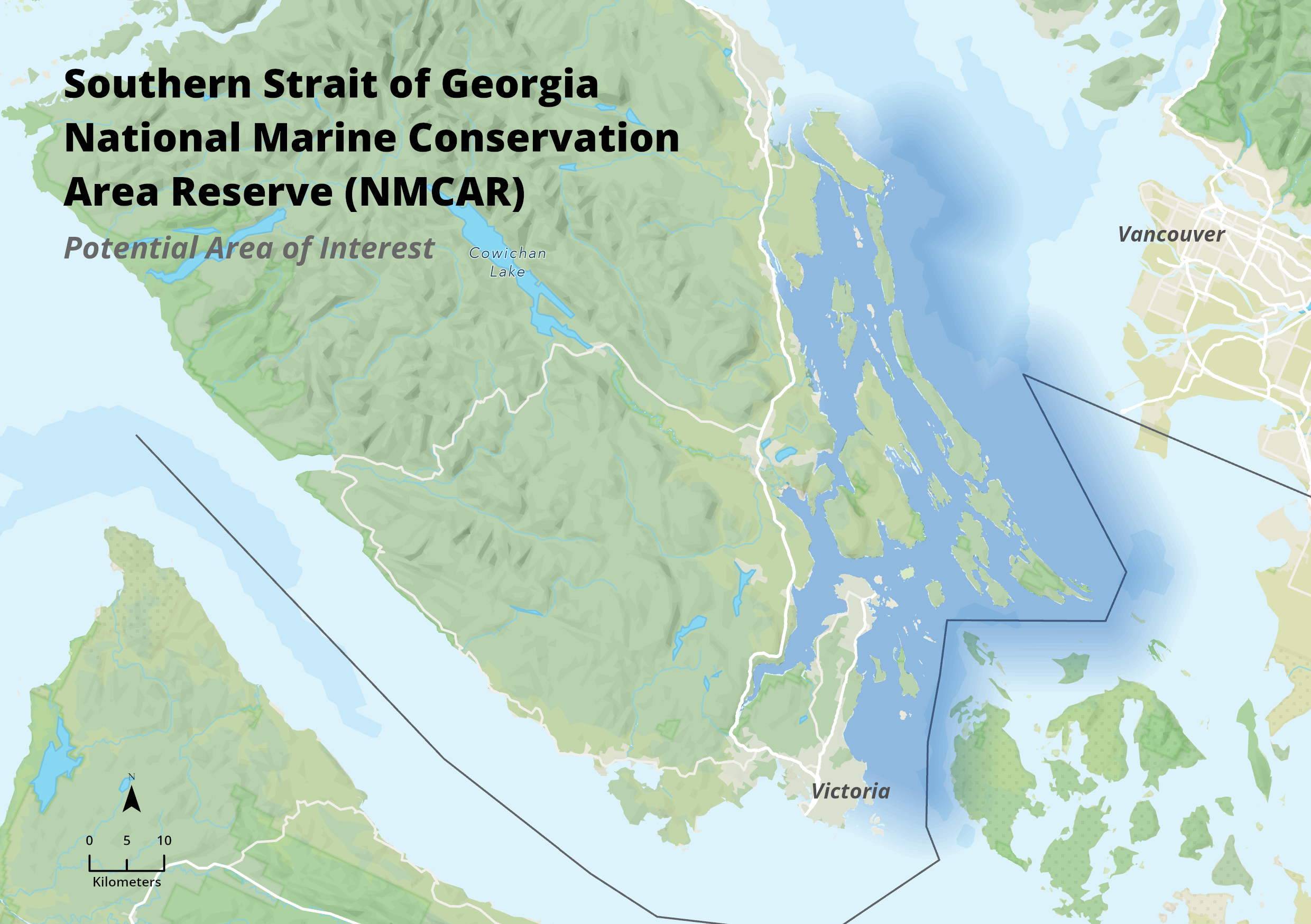
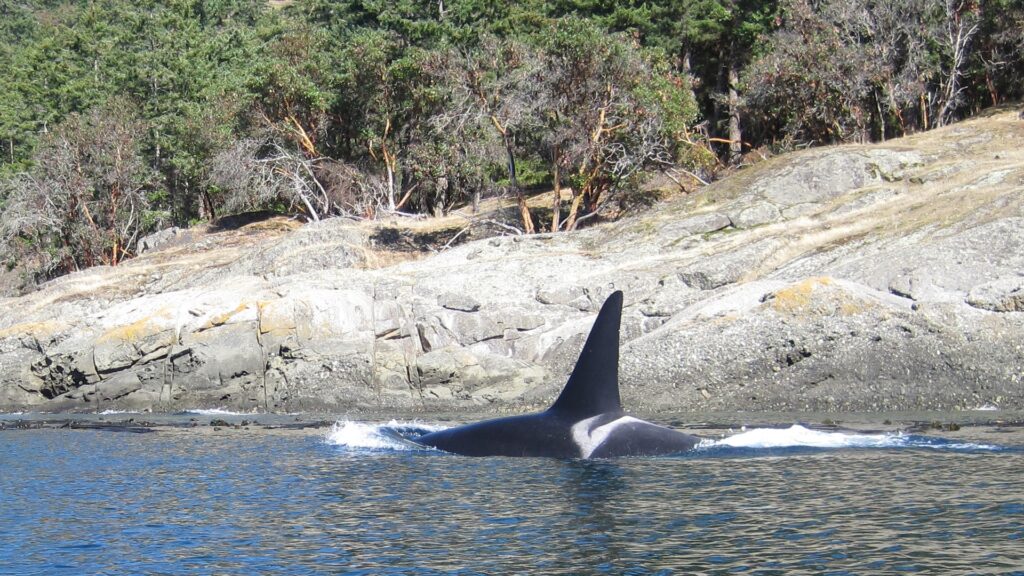
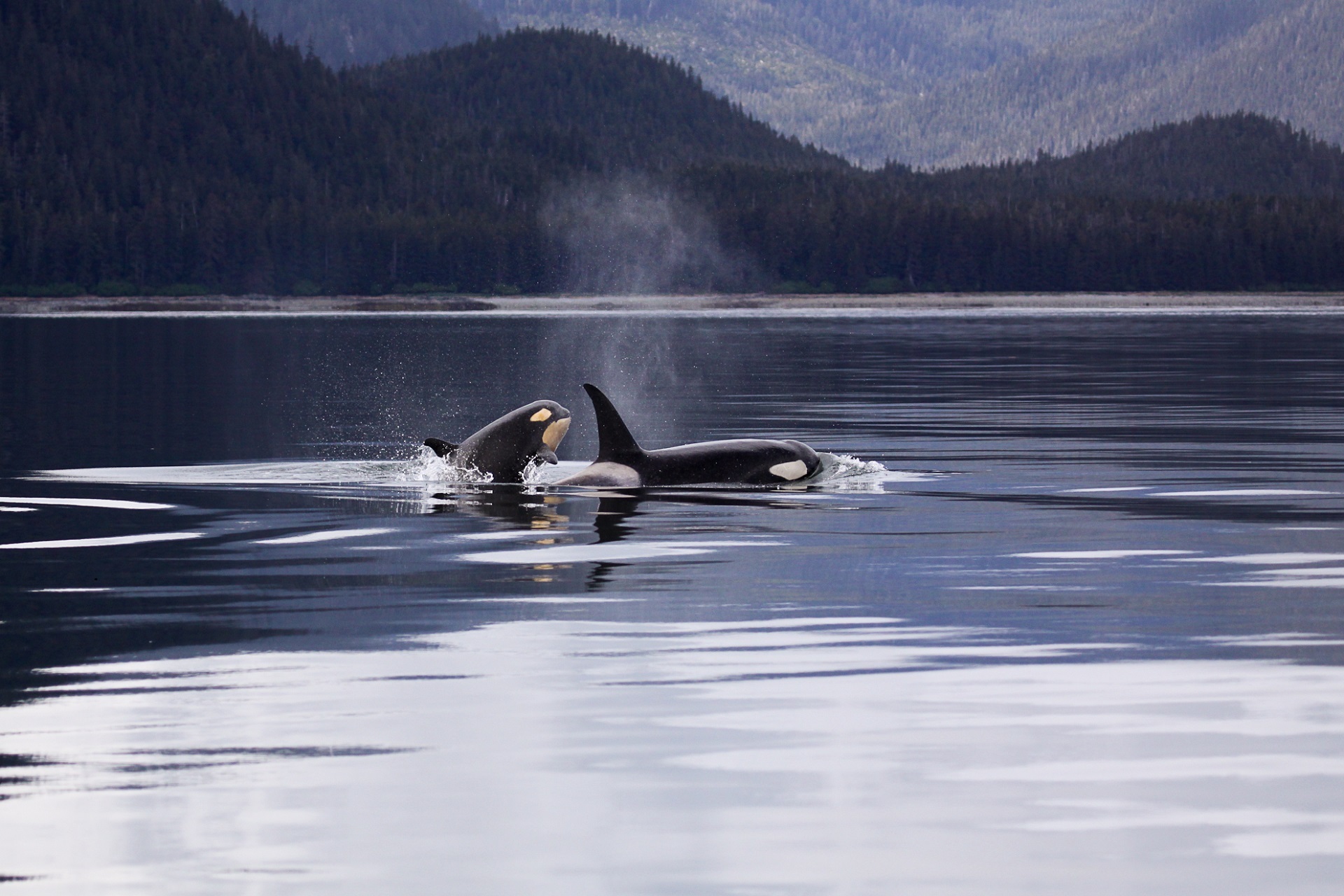
Between Vancouver and Victoria lies the emerald waters of the Southern Strait of Georgia, a marine playground bustling with human activity, and home to Canada's most endangered killer whales. A National Marine Conservation Area Reserve is in the works and YOUR feedback will influence the outcomes!

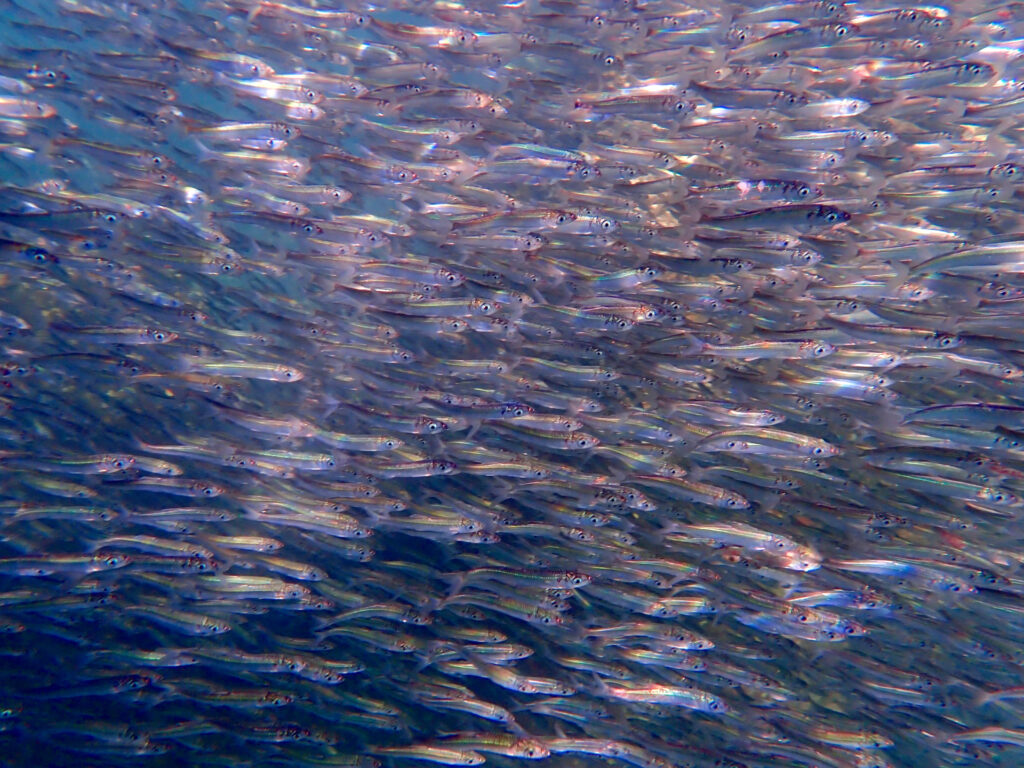
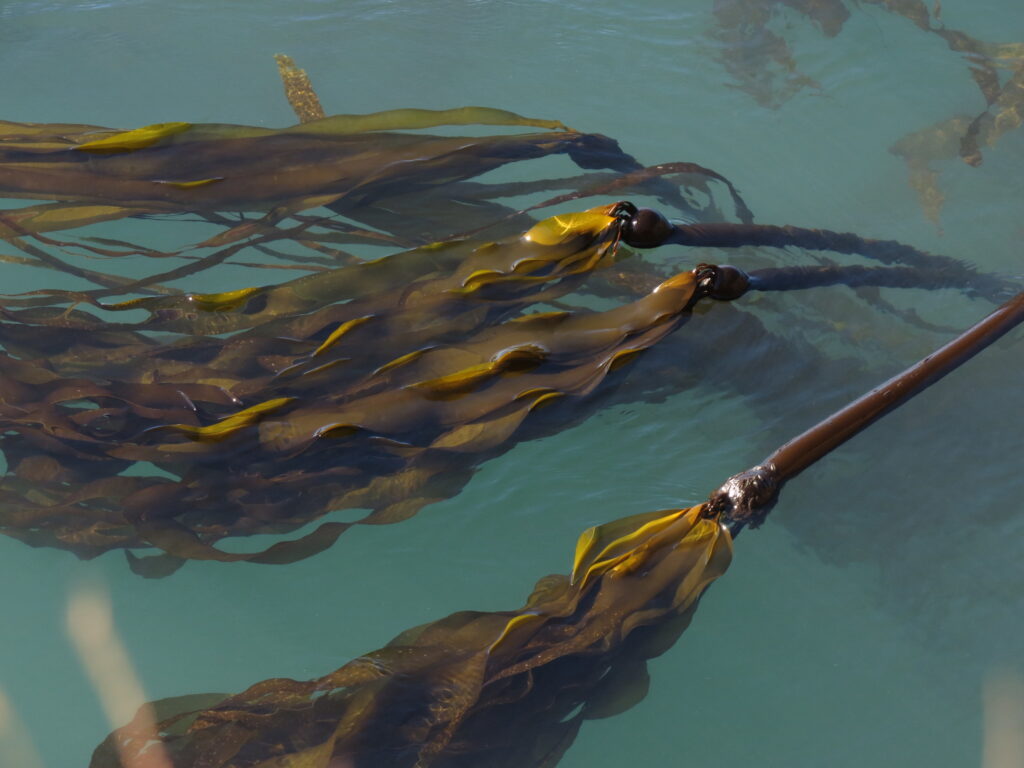
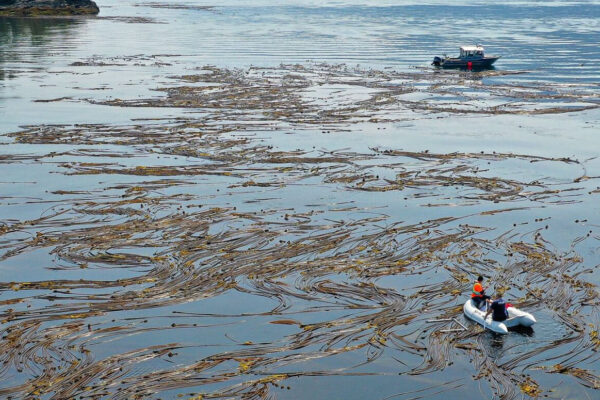
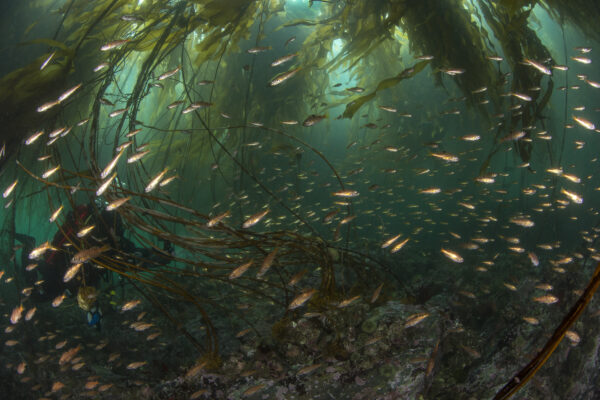
Here, strong tidal currents within narrow island channels produce upwellings, rips and whirlpools, creating a nutrient-rich marine environment. Lush kelp forests and sea grass beds provide nurseries for a vast array of marine life. Approximately two million shorebirds and seabirds use the region as summering, staging and  wintering grounds. Microscopic plankton, fuelled by the sun, form the base of a complex food web supporting a diversity of invertebrates and small schooling fishes like herring. In turn, invertebrates and small fish are food for larger fish, such as rockfish and lingcod, as well as marine mammals. Resident killer whales spend much of the year in the region, while harbour seals are year-round residents. Steller and California sea lions are also present during the winter months.

Known by Coast Salish peoples as “SQELATES” (meaning “home”), this very special body of water has long been revered for its role in nurturing both human and natural ecosystems.


This stretch of ocean should be protected forever – from the seabed to the scenic surface.

What's New? - A National Marine Conservation Area Reserve

CPAWS-BC leads the Southern Strait of Georgia Marine Conservation Network  - a coalition of conservancy and community groups, scientists, and stakeholders in the Southern Gulf Islands working to support and strengthen efforts to protect the marine environment. Our goal is to raise public awareness and support for NMCA establishment and to encourage individuals to voice their opinions.

     What is a National Marine Conservation Area Reserve?

A National Marine Conservation Area reserve is a type of marine protected area that is managed and used in an ecologically sustainable manner to meet the needs of the present and future generations. It has the same goals as a national park – conservation, public understanding, appreciation, enjoyment – in addition to the goal of sustainable use.
A NMCA helps maintain healthy functioning ecosystems. Activities such as commercial and recreational fishing, shipping, transportation, tourism and recreation are allowed, but are managed in a conservation-oriented manner.   Traditional food, social and ceremonial harvesting by First Nations peoples also continues in an NMCA reserve.
To read more about the proposed National Marine Conservation Area reserve – see this project update from Parks Canada.

The threat

“The southern end of the Strait is the most heavily utilized and impacted of all the marine regions on the west coast of Canada.” -Parks Canada

The waters the surround the southern gulf islands are a source of resources, transportation and recreation for millions of humans. Increased shipping traffic, shoreline development, noise pollution, cruise ship travel, fishing and the effects of climate change are all heavy stresses on the marine ecosystem. Cumulatively, these uses threaten the many plants and animals whose health and well-being is intimately connected to our own quality of life.

Currently, 22 species in the marine waters of the southern Gulf Islands are either federally designated as Endangered, Threatened, Special Concern, or considered high conservation priority by the government of British Columbia.


BACKGROUND to the Southern Strait of Georgia NMCA Reserve

  • 1971 – federal government report recommends a National Marine Park in the Gulf Islands and states “prompt action is required if its natural charm is to be preserved.”
  • 1997 - CPAWS-BC initiated the Southern Strait of Georgia Marine Conservation Network and started working to raise public awareness and promote the establishment of a NMCA
  • 2003 - Gulf Islands National Park Reserve was created, but didn’t include the larger marine environment.
  • 2003 -Canada and BC sign a Memorandum of Understanding that committed the two governments to proceeding with a NMCA feasibility study. However this study is still not finalized!
  • 2011 - the governments of Canada and BC announce their commitment to proceeding with a NMCA and released a proposed boundary.
  • Currently - Parks Canada is consulting with First Nations, local governments, and stakeholders to gain input that will inform a decision on the feasibility of the proposed NMCA. 

What CPAWS is doing

We have 4 key messages that we wantto be heard:

1. The proposed north and south boundaries are good, but the large rectangular area NE of Galiano and Valdes Islands should be added back into the NMCA.

Why? For conservation purposes, bigger is better! The larger a NMCA, the easier it is to create different zones within it for strict conservation and other activities such as sustainable fishing, tourism and marine transportation. Excluding the large rectangular area of ocean just off Galiano and Valdes Islands means important ecological areas will be left out and appropriate zoning will be harder.

2. The NMCA boundary should extend up to the high tide line and include important near-shore ocean habitats (e.g. areas beside provincial parks)

Why? The proposed boundary currently excludes marine areas adjacent to provincial parks and areas of high tenure concentration. But intertidal zones are critical marine habitat and need to be protected within the NMCA before they are further degraded! Including these near-shore areas - especially those right next to provincial parks - within the NMCA is the best way to guarantee the seascape is managed as an integrated whole.

3. Parks Canada should assume management responsibility for the entire NMCA at once, rather than phasing it in over many years.

Why? Parks Canada and the Province of BC have proposed that the NMCA be “phased in” – starting with one small area and expanding it in future years. This means that many significant ecological areas would not receive any protection for years… or even decades! The NMCA needs to be fully implemented in the whole area to ensure protection of this important ecosystem.

4. The NMCA should include a network of core “no take” areas that are fully protected.

Why? “No-take” core protected areas (or marine reserves) are the most effective way to achieve a wide range of conservation benefits. These reserves act as nurseries to increase the number of fish; they prevent habitat damage and allow depleted species to recover; they allow a diversity of life to flourish; and they serve as excellent natural sites for education and recreation.

Stay updated

Never miss your chance to make a difference! Enter your e-mail address here to get CPAWS news and actions delivered right to your inbox.