Today in North Vancouver – an All-candidates Environment Debate no voter should miss
Today in North Vancouver – an All-Candidates Environment Debate no voter should miss
(Vancouver,British Columbia – October 3, 2019) – An environment-themed candidates debate is being hosted by local organizers Canadian Parks and Wilderness Society (CPAWS-BC) this evening at Presentation House Theatre, North Vancouver at 6PM.
The debate is one of nine happening across the Lower Mainland and over 100 happening across Canada as part of 100 Debates on the Environment, where voters will hear directly from candidates invited to express their views about the environment. Today is the feature date of this non-partisan debate series, which will allow the best environment policy ideas to come forward and compete for voter support.
What: 100 Debates on the Environment North Vancouver
More information on 100 Debates on the Environment and the full list of participating ridings can be found at 100Debates.ca.
-30-
For more information or interview requests, including with local organizers, please contact:
Skye Vallance, CPAWS-BC
604-685-7445 x22
skye@cpawsbc.org
ABOUT CPAWS-BC
Canadian Parks and Wilderness Society – British Columbia (CPAWS-BC) is dedicated to the protection of our public land and water, and ensuring our parks are managed to protect the nature within them. Our vision is to establish large, intact areas of wilderness on land and in the ocean that can nurture nature through climate change and support all life.
ABOUT 100 DEBATES:
100 Debates is a national initiative to organize inclusive, politically neutral, and environment-focused all-candidates debates in communities across Canada. Local collaborators include national non-profits, schools, individuals, citizens’ groups and businesses. Most debates are scheduled to take place on the same day, Oct 3rd, in over 100 ridings in Canada and have been coordinated by GreenPAC – Canada’s non-partisan organization that works to build environmental leadership in politics. Visit www.100debates.ca for more information.
LOWER MAINLAND DEBATES:
Tri-Cities (Coquitlam–Port Coquitlam / Port Moody–Coquitlam)
Delta
North Vancouver
Pitt Meadows–Maple Ridge
Richmond Centre / Steveston–Richmond East
Vancouver Centre
Vancouver East
Vancouver Granville
Vancouver Quadra
West Vancouver–Sunshine Coast–Sea to Sky Country
For immediate release
Vancouver, August 19, 2019 – Today the federal Minister of Environment and Climate Change announced federal funding for 67 conservation projects across Canada, including 27 new Indigenous Protected and Conserved Areas (IPCAs). Among these are a number of Indigenous-led initiatives in BC, in areas important in a changing climate. The news comes just in time for a significant majority of British Columbians who are worried about climate change and see it as a major threat to future generations.
The Canadian Parks and Wilderness
Society’s BC Chapter (CPAWS-BC) applauds today’s announcement and continues to
advocate for better protection of intact regions without roads, habitat for
species at risk and high-value ecosystems like old growth forests and
grasslands.
The investment, announced this morning by Minister McKenna, is part of the Pathway
to Canada Target 1 program, a $1.3 billion commitment to conserving 17% of
Canada’s land and freshwater by 2020 and protecting species at risk.
“When biodiversity is
protected and allowed to thrive, nature goes to work to reduce the disastrous
impacts of climate change like rampant forest fires, flooding and storm
surges,” says Bruce Passmore, Executive Director of CPAWS-BC. “This
makes for a much healthier environment for both wildlife and British
Columbians.”
Federal funding allocated to a
number of BC projects acknowledges the province’s special role as a climate
refuge for species at risk, birds and other animals. As temperatures warm,
plants and animals migrate to stay within suitable climates. Scientists at the
University of Washington have identified the Pacific Northwest, including BC,
as an escape route for animals that previously lived in more northerly and
southerly climates.
“Conserving more hectares of land
is a strong first step to making sure BC has enough wilderness to sustain these
migrating plants and animals,” said Passmore. “But, BC needs to act fast.
Indigenous communities in BC’s far north have already reported caribou altering
their migration routes.”
CPAWS-BC commends funding for
Indigenous-led conservation projects in the province. In a study published by UBC last
month, scientists found even more birds, mammals, amphibians and reptiles on
lands managed or co-managed by Indigenous communities than in parks or wildlife
reserves.
“When our federal government
funds conservation in places like the Tla-o-qui-aht and Tahltan Territories, it
not only helps protect plants and animals, but it also makes a promise to the
Indigenous Peoples who fish, hunt and live on these lands and whose spiritual
lives are deeply connected to these places,” said Passmore.
-30-
For interviews: Bruce Passmore, CPAWS-BC Executive Director bruce@cpawsbc.org, 604-685-7445 ext. 23
For Immediate Release
Memorandum of Understanding moves forward on Canada’s newest Okanagan-Similkameen National Park Reserve
Vancouver, July 2, 2019 – The Minister of Environment and Climate Change and Minister responsible for Parks Canada, Catherine McKenna, joined by British Columbia’s Minister of Environment and Climate Change Strategy, George Heyman, Chief Clarence Louie, Osoyoos Indian Band, and Chief Keith Crow, Lower Similkameen Indian Band announced the signing of a memorandum of understanding for the proposed National Park Reserve in the South Okanagan-Similkameen. The Canadian Parks and Wilderness Society’s BC Chapter (CPAWS-BC) welcomes this National Park Reserve decision as a critical step toward Canada’s 2020 biodiversity targets and protecting the future of intact ecosystems.
Research shows an unprecedented global decline in biodiversity and Canada’s grasslands are among the world’s most threatened ecosystems. Less than 10% of grasslands remain in their natural state exposing existing at-risk species to intensifying environmental threats like climate change. For over 15 years, CPAWS-BC has worked with local communities to establish a National Park in the area that will help to protect key ecosystems and culturally important places. Earlier this year, a Parks Canada-led public consultation, as well as First Nations self-led community engagements, played a significant role in discussions between the three levels of government on whether or not to move the park forward into negotiations.
Members of the Okanagan Nation Alliance have been stewards of these lands for generations and are integral to informing every stage of this process. Lower Similkameen Indian Band and Osoyoos Indian Band leadership will continue to drive meaningful protective measures alongside Parks Canada’s renewed commitment to preserve ecological integrity.
“It is amazing to see so many diverse voices working together,” says Bruce Passmore, Executive Director of CPAWS-BC, “this is the first time all three governments are working together on one agreement. Nature needs this type of leadership in Canada.”
CPAWS-BC is looking forward to ambitious protection and management plans in the interim of the long-term preservation of the area.
-30-
For media inquiries, contact:
Bruce Passmore, Executive Director, CPAWS-BC bruce@cpawsbc.org; 604-685-7445 x23
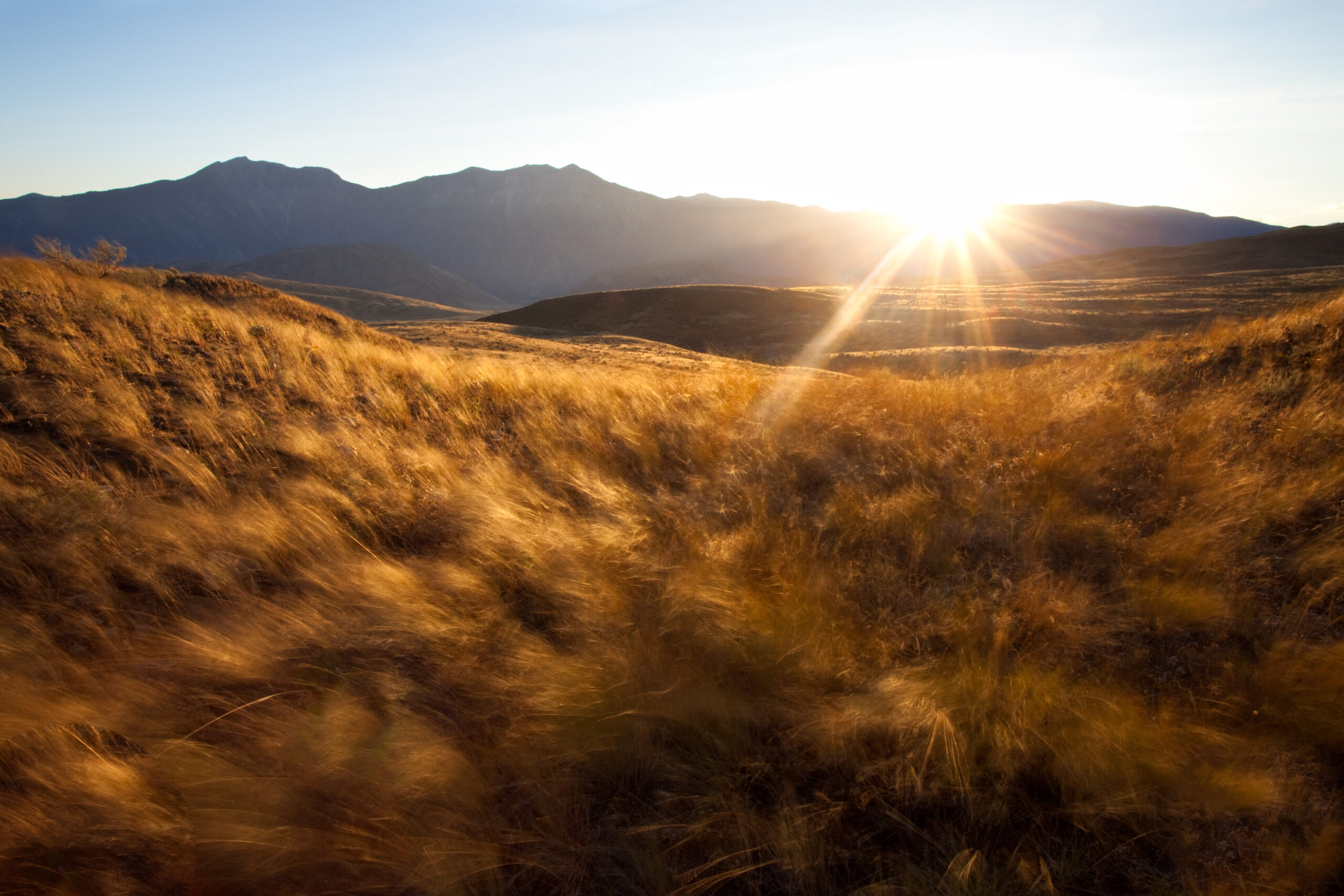
South Okanagan-Similkameen grasslands. Photo credit: Graham Osborne
CPAWS-BC Statement on the Signing of an Agreement in Principle Between the Governments of Canada, BC and the Pacheedaht and Dididaht First Nations and the Transfer of Lands from Pacific Rim National Park Reserve
June 28, 2019
Vancouver, BC — The signing of an Agreement in Principle today between the Governments of Canada, British Columbia and the Pacheedaht and Dididaht First Nations is an important step towards providing certainty for the future of Pacific Rim National Park Reserve. Under the terms of the Agreements, approximately 10 sq km of culturally important land in Pacific Rim National Park Reserve will be transferred from Parks Canada to the Pacheedaht and Dididaht First Nations. We are pleased that Parks Canada and the Nations have agreed to continue to work together to manage these lands and water, and those surrounding the national park reserve, in ways that will conserve the natural values of the Pacific Rim ecosystem for generations to come.
National Park Reserves are created under the Canada
National Parks Act in areas where Indigenous people have unsettled land claims
or Treaties. They are specifically intended to enable the establishment of the
parks, while providing certainty to Indigenous Nations who have rights and
interests in the area that their Land and Treaty negotiations will not be
compromised.
CPAWS-BC congratulates all parties on the successful conclusion of the Agreement in Principle negotiations, and welcomes this important step forward on conservation and reconciliation.
-30-
Media Inquires:
Bruce Passmore
Executive Director, CPAWS-BC
604-685-7445 x23
Pacific Rim National Park Reserve. Photo from www.Ucluelet.ca
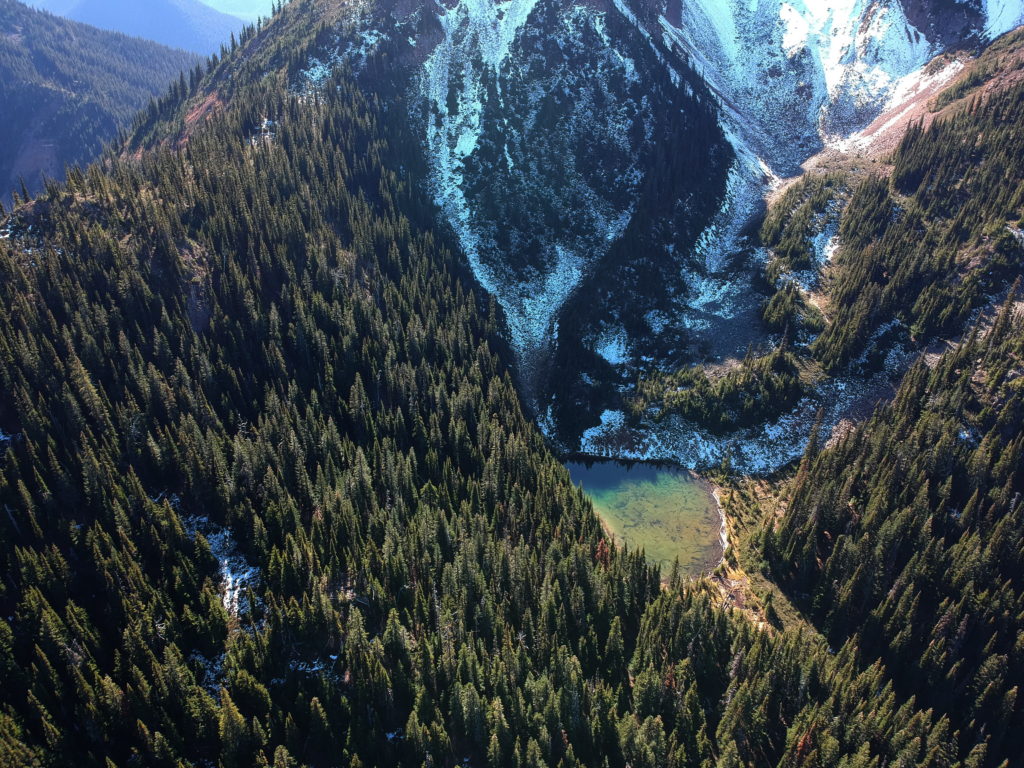
The small unprotected patch of land surrounded by Skagit Valley and E.C. Manning Provincial Parks is under threat from logging and mining. Help protect this cherished area!
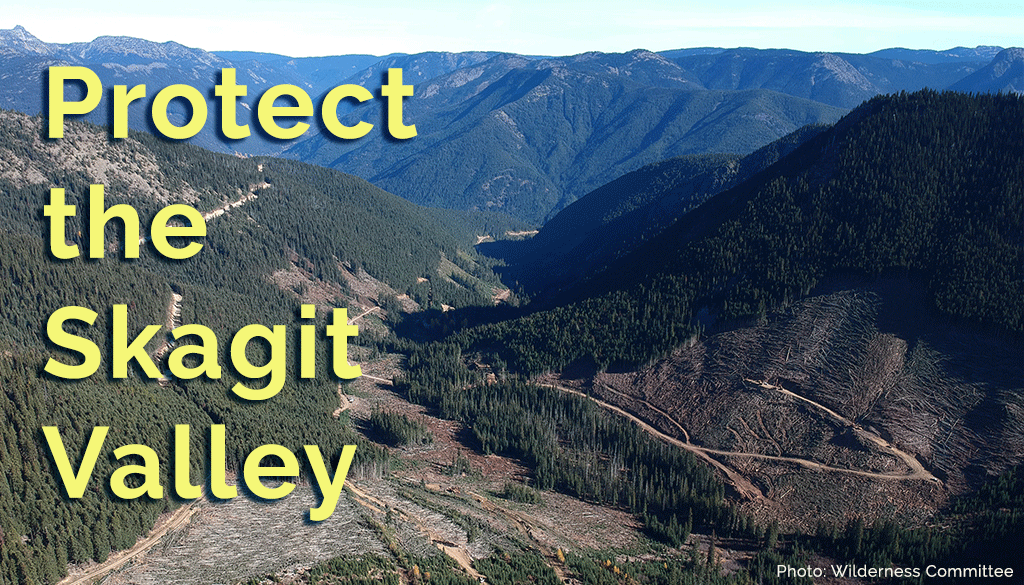
Imperial Metals has applied for a 5-year exploratory mining permit in a little patch of land, nicknamed the Donut Hole, between Skagit Valley and Manning provincial parks. If granted, this would further the impacts created by logging in 2018. These parks are iconic recreation areas and important wildlife habitat that deserve protection, not extraction.
Aerial view of the recent logging in the Skagit Donut Hole taken above Silverdaisy Ridge.
Photo credit: Wilderness Committee
To make matters worse, this mining is being proposed by the company responsible for the Mount Polley mine disaster, Imperial Metals. This disaster saw a four square kilometre sized tailings pond full of toxic copper and gold mining waste breach, spilling an estimated 25 billion litres of contaminated materials into neighbouring lakes, contaminating drinking water sources and major spawning grounds for sockeye salmon. Imperial Metals has not been fined or charged in response to the disaster, leaving landowners and business operators out to dry.
The Skagit Valley parks are headwaters for an internationally significant watershed which leads back to the Salish Sea. Mining would threaten recent efforts to recover salmon and bull trout in the US Skagit River. Metals, especially copper, are toxic to salmon – a necessary food source for the southern resident killer whales, already imperiled from multiple factors including lack of their salmon-dependent diet. Allowing mining to occur here would put these salmon and whales at an increased risk from damaging that Upper Skagit, referred to as the crown jewel of the Salish Sea.
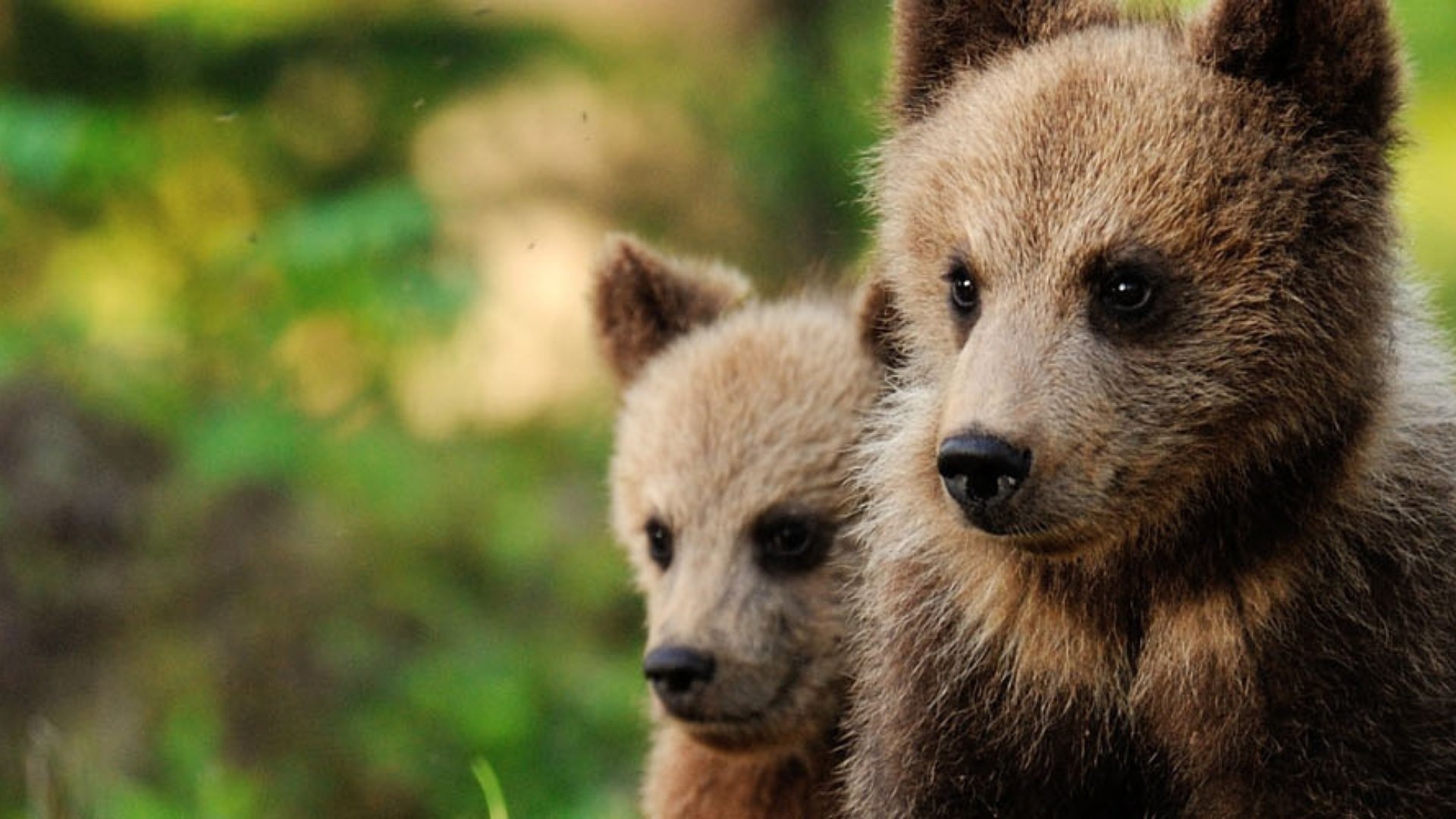
This Skagit Valley parks are the northern tip of a system of connected protected areas which reaches all the way into California. The North Cascades Grizzly Bear population unit is one of the most imperilled in the province. These protected areas are important habitat to maintain wildlife connectivity and provide recreation opportunities for people to connect with nature.
We stand with many partners including 22 US conservation organizations who voiced their opposition to the application. This project would be a disaster for species from spotted owl to the iconic orcas and grizzlies who make their home in BC’s land and waters. By joining the chorus of opposition to this project, you can ensure a safe home for these species and the enduring protection that this area deserves.
CPAWS-BC works hard to maximize the proportion of revenue spent on work to protect land, ocean and wildlife. Our goal is a sustainable financial foundation for conservation efforts, and the sustained protection of BC’s land and seascapes.
When you make a gift of securities to CPAWS, you are joining the fight to protect biodiversity across British Columbia. When publicly traded securities are transferred to a registered charity, the tax on capital gains is eliminated, and you may receive a tax receipt for the full amount of your gift. We encourage you to speak to a financial adviser to determine the details of your donation.
Divest and Donate for Nature
In the face of a global climate crisis, it is no longer possible to deny the need to embrace renewable energy and a carbon neutral future. Powerful investors like New York City, the Republic of Ireland, and numerous universities and foundations have already stepped away from dirty investments like fossil-fuel extraction. You can divest assets such as stocks and mutual funds by donating them to CPAWS, and put your money to good use: defending clean water, fresh air, and the spectacular land and seascape that make British Columbia beautiful.
For more information on gifts of securities, please contact Sarah McNeil, Development Manager at sarah@cpawsbc.org or 604-685-7445 ext 33.
When it comes to protecting nature and providing refuge for wildlife, timelines are measured in years, decades, or even longer. Parks and protected areas are a legacy for future generations, one that you can be a part of.
Leaving a bequest or planned gift to CPAWS for work in British Columbia means that you are remembered as a protector of nature without impacting your financial security today. Making a bequest can be as simple as including a single phrase in your will or estate plan, or a more nuanced approach involving property or other assets. We recommend contacting your financial planner or lawyer to find a path that works best for you and your loved ones.
Sample wording: I give the sum of $________ (or an amount equal to ____%) of my estate to the Canadian Parks and Wilderness Society for its work in British Columbia.
BC falling short on biodiversity conservation commitments, despite extinction crisis
April 11, 2019
Vancouver, BC — The Canadian Parks and Wilderness Society, BC Chapter (CPAWS-BC) just released its preliminary analysis of progress towards biodiversity conservation in BC. This special report finds that the province needs to set its sights much higher than Canada’s 17% biodiversity conservation targets in order to stop the rapid decline of wildlife populations currently being experienced across the province. Existing protections are nowhere near enough to adequately conserve biodiversity.
“In less than two weeks, environment ministers from around the world will be sitting down together to share progress towards international biodiversity targets for 2020, and right now the resounding message from BC is that these protection targets aren’t high enough to sustain our wildlife populations,” says Jessie Corey, Terrestrial Conservation Manager for CPAWS-BC.
“We’re losing entire populations of wildlife like woodland caribou in the meantime, so we really need to hold ourselves to a higher standard for nature. We need to start looking to international examples of 30% protection targets or even 50% if we expect to give nature a fighting chance,” she says.
Conserving biodiversity by protecting large, intact landscapes is widely considered by international experts to be an essential strategy in conserving biodiversity and mitigating the impacts of climate change. Protected areas represent about 15.3% of BC’s land base. Combined with a small number of lands considered Other Effective Area-Based Conservation Measures (OECMs), BC falls shy of the 2020 targets and is nowhere near approaching the reality of what is needed to sustain biodiversity in the long term.
“By limiting ourselves to doing the bare minimum for meeting these short-term targets, we’re signing off on the continued decline of many of the species that we share these lands with,” says Corey.
“We need to look at the bigger picture of what’s needed to conserve biodiversity in the long term by setting our sights much higher than 17%, and stop trying to find band-aid solutions that only work in the short term,” she adds.
CPAWS-BC is recommending that the BC government focus on increasing protected areas coverage in the province as the primary driver towards our 2020 biodiversity conservation targets, and start taking the long view of what is needed to support healthy populations of wildlife into the future.
“Expanding protected areas is essential for the future of British Columbia,” says Corey. “Healthy ecosystems and intact forests don’t just exist for wildlife. Our communities need protected areas for sustainable livelihoods, human health, cultural values, and to ensure a liveable future.”
We use cookies and other similar technologies such as pixels and web beacons (“Cookies”) for various purposes, such as to ensure our website functions properly, enhance your browsing experience by remembering your preferences and provide personalized content and advertisements.
Functional
Always active
The technical storage or access is strictly necessary for the legitimate purpose of enabling the use of a specific service explicitly requested by the subscriber or user, or for the sole purpose of carrying out the transmission of a communication over an electronic communications network.
Preferences
The technical storage or access is necessary for the legitimate purpose of storing preferences that are not requested by the subscriber or user.
Statistics
The technical storage or access that is used exclusively for statistical purposes.The technical storage or access that is used exclusively for anonymous statistical purposes. Without a subpoena, voluntary compliance on the part of your Internet Service Provider, or additional records from a third party, information stored or retrieved for this purpose alone cannot usually be used to identify you.
Marketing
The technical storage or access is required to create user profiles to send advertising, or to track the user on a website or across several websites for similar marketing purposes.





 View CPAWS-BC Audited Financial Statement (PDF):