A proposal to take the park status away from this Class A provincial park threatens the long-term ecological and recreational values that this it was created to protect. CPAWS-BC has a long history with Tetrahedron Provincial Park, including campaigning for its creation back in 1995. Together with local conservation groups from the Sunshine Coast, we’re sounding the alarms to let BC Parks and the BC Ministry of Environment that our important protected areas should not be dismantled.
The Park
Tetrahedron Provincial Park was designated in 1995 as a Class A park (lands dedicated to the preservation of their natural environments for the inspiration, use and enjoyment of the public). Tetrahedron is 6,000 hectares of mid-elevation forests and mountain peaks and contains one of the oldest undisturbed forests in Canada with stands containing trees over 1,000 years old. Located between Sechelt and Salmon Inlets, this park is part of the precious 3% of the Sunshine Coast Forest District that is protected in Class A parks.
The Tetrahedron Provincial Park Management Plan outlines the vision of this park, which was created to, “ensure a high level of water quality and quantity for the residents of the Sunshine Coast while preserving the integrity of the park’s natural, cultural and diverse ecosystems, maintaining its educational and spiritual values, and providing limited backcountry recreational experiences.”
The Proposal
BC Parks is presenting three options, and accepting other options through the public comment and engagement period.
Option 1: Re-designate the entire Tetrahedron Park to a Protected Area The Park Act still applies to the area, except for exceptions that are outlined by an Order in Council. This protection status is less than a Class A park and could be changed through an Order in Council (including downgraded). The area will be greatly affected by the infrastructure change and potential drawdown of the lake.
Option 2: Re-designate a portion of Tetrahedron Park to a Protected Area, and maintain Class A park status on the rest of the park Under this proposal, most of the park remains under Class A protection status, however, the ecosystem around the lake would still be affected by the building of the infrastructure and potential drawdown of the lake.
Option 3: Re-designate the entire Tetrahedron Park as a Conservancy Under this designation, large-scale projects (commercial logging, mining) would continue to not be allowed within this area. However, this option weakens the designation of Conservancy which was created with the explicit intent of protecting First Nations social, cultural and ceremonial uses while maintaining biological diversity.
The Process
BC Parks is carrying out a public consultation on three options. These options are to accommodate Sunshine Coast Regional District’s request to upgrade infrastructure that would allow for the further drawdown of Chapman Lake. BC Parks will be collecting feedback on the three options which are put forward until June 8. This has included two open-houses which were held in the Sunshine Coast communities of Sechelt and Roberts Creek. Both of these public in-person consultations were packed with community members, many vocally opposed to all three options. BC Parks staff will be summarized, and a recommendation will be made to the Minister of Environment and Climate Change Strategy, George Heyman. Minister Heyman will then make a decision whether or not to forward on a recommendation to re-designate the park to Cabinet. The final decision will then rest with the Legislature.
It is important that the public is informed of the impacts from and alternatives to this proposal. The onus for this work should fall to the proponent before a proposal is considered by BC Parks. Due process would provide the alternatives and associated environmental impacts to the public before they are asked to provide feedback during a consultation process. To date, this has not been carried out rendering this process inadequate.
Threats posed to our shared climate and biodiversity are inextricably linked. BC once has a world-class parks system, yet years of a lack of resources and funding have left it incapable of proper monitoring and management the areas it is meant to defend. This broken system needs you to speak up for it, or our wild treasured places will continue to suffer.
TAKE ACTION!
SUBMIT COMMENTS TO BC PARKS USING THE ONLINE COMMENT FORM
CPAWS-BC COMMENTS:
(1) What is your level of use in Tetrahedron Park (list activity and frequency of use)?
The Canadian Parks and Wilderness Society’s staff and volunteers, past and present, have been using the park since its inception in 1995. From our involvement in the designation of this Class A park to the building of the huts to regular winter snowshoe trips. Our organization has a strong connection to the Tetrahedron Park.
(2) Have you read the Tetrahedron Park Management Plan?
Yes. This management plan clearly states, “The roles of Tetrahedron Provincial Park are to maintain and enhance the area’s water quality and community watersheds for Sunshine Coast residents and preserve its wilderness characteristics by offering limited backcountry recreation opportunities.”
Our interpretation of this plan includes a long-term view of the watershed quality for the community and wildlife to enjoy for generations to come. The proposal to build new infrastructure to further drawdown Chapman Lake would put these long-term values at risk for the community, wildlife and the aquatic ecosystem. This plan was written to preserve the values of the park, including ecological integrity, however, the understanding of climate change impacts would not have been adequately considered or calculated. Protected areas are a tool to for climate change mitigation and adaptation, but the proposal to draw down the lake puts these tools, and the ecosystem, at risk.
(3) What are your general thoughts about re-designation options for Tetrahedron Park?
CPAWS-BC is deeply concerned with the prospect of removing Class A park protection status from this area. The Sunshine Coast Forest District is already limited in the amount of land set aside for nature protection, with only 3% having Class A park area status. The park contains one of the oldest undisturbed forests in Canada with stands containing trees over 1,000 years. To meet Canada’s goal of protecting 17% of our land and inland waters by 2020, it is imperative that important areas set aside to foster and protect biodiversity.
(4) Are there options (or aspects of the options) currently presented by BC Parks that you agree with?
We agree with adding Option 4: maintain Class A park status, as is outlined in the updated information package written in response to an overwhelming number of public comments submitted during the first community meeting.
(5) Are there options (or aspects of the options) currently presented by BC Parks that you disagree with?
Option 1: We strongly disagree with the removal of Class A park status for the entire area. This designation downgrades the level of protection for this ecologically important area.
Option 2: The removal of Class A status from a portion of the park, would still cause negative impacts on the rest of the area which remains within the park. The drawdown of Chapman Lake would be damaging to the ecosystem and integrity of the watershed, including compromising the high-quality fish habitat.
Option 3: We believe that a Conservancy is an inappropriate designation for this area unless it is being proposed by the Shíshálh and Squamish Nations. A Conservancy “explicitly recognizes the importance of these areas to First Nations for social, ceremonial and cultural uses.” To use this designation as a way to expand the industrial use and impacts on the area weakens the intention in which the conservancy designation was created.
(6) Do you have any other comments you would like to provide to BC Parks regarding the Tetrahedron Park re-designation options?
We want to acknowledge the importance of water security for all communities. Chapman Lake is an integral part of this watershed, and at the core of the original vision for the park to “ensure a high level of water quality and quantity for the residents of the Sunshine Coast, while preserving the integrity of the park’s natural, cultural and diverse ecosystems, maintaining its educational and spiritual values, and providing limited backcountry recreational experiences.” The proposal put forward by the SCRD is a short-term solution and the process is not congruent with that which was laid out in the management plan. In addition, the SCRD should complete an analysis of alternatives and impacts to present to BC Parks along with their request. The alternatives and environmental impacts studied by BC Parks or the SCRD have not been publicly disclosed. This lack of transparency and information-sharing degrades the trust and validity of this public consultation process.
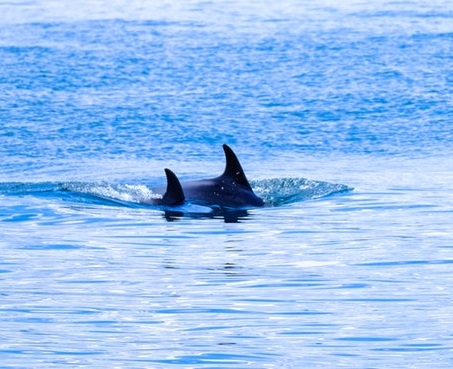
Vancouver, BC – CPAWS-BC is raising concerns about the federal government’s intentions to meaningfully pursue protection for endangered Southern Resident Killer Whales, after the announcement that the federal government will purchase the Kinder Morgan Trans Mountain pipeline and tanker project.
Last Thursday, the federal government announced findings under the Species at Risk Act that endangered Southern Resident Killer Whales face imminent threats to both survival and recovery, and that the government will “take immediate action to support the stabilization and recovery of the Southern Resident Killer Whales.” Despite these findings, the government announced yesterday that it will be purchasing and building the Kinder Morgan Trans Mountain pipeline and tanker project, which the National Energy Board stated “would likely result in significant adverse effects to the Southern Resident Killer Whale.”
Ross Jameson, the Ocean Conservation Coordinator for the Canadian Parks and Wilderness Society BC Chapter (CPAWS-BC), calls these conflicting messages worrying: “It is hard to imagine how the federal government will be able to follow through on their commitments to protect the Salish Sea and the endangered Southern Resident Killer Whales while owning a pipeline that threatens these very things.”
The federal government is currently working with First Nations, the province, local communities and stakeholders like CPAWS-BC to secure protection in the form of a National Marine Conservation Area Reserve for the Southern Strait of Georgia, which is critical habitat for Southern Resident Killer Whales in the Salish Sea. Supporters of the proposed marine protected area are concerned that the government’s buyout of the pipeline creates a bias that will prevent meaningful protection of killer whales and their home.
Southern Resident Killer Whales are listed as endangered in both Canada and the U.S., with only 76 individuals remaining. They face imminent threats to both survival and recovery, including pollution, lack of primary prey species, and shipping traffic. The federal government identified noise, pollution, and disturbance from vessels as primary risks to endangered orca populations in the Action Plan for the Southern Resident Killer Whales, but have failed to take action to limit these threats or protect orca habitat.
“Yesterday’s announcement raises concerning questions about the government’s commitments to Reconciliation, the Species at Risk Act, and the Ocean Protection Plan,” said Jameson. “How can the federal government continue to work in good faith with First Nations, the province, and local communities to protect key orca habitat in the Salish Sea, when they are directly invested in a project that may lead to the extinction of the Southern Resident Killer Whale?”
“If the government shifted their priorities away from building pipelines toward protecting wildlife, perhaps these killer whales would not be going extinct,” continued Jameson. “$4.5 billion would go a long way toward protecting Species at Risk and critical habitat.”
Contact: Ross Jameson, Ocean Conservation Coordinator, Canadian Parks and Wilderness Society BC Chapter (CPAWS-BC) Eross@cpawsbc.org T 778-953-2372
Canadian Parks and Wilderness Society (CPAWS)
The Canadian Parks and Wilderness Society (CPAWS) is Canada’s only nationwide charity dedicated solely to the protection of our public land and water, and ensuring our parks are managed to protect the nature within them. The BC chapter of CPAWS focuses on protecting the irreplaceable wilderness areas in BC. For more information visit www.cpawsbc.org
Vancouver, BC – The federal government announced last week that a report released under the Species at Risk Act has found the endangered Southern Resident Killer Whales face imminent threats to both survival and recovery. This announcement confirms what many conservation groups have been arguing for years, that the future of this iconic species is dire, and urgent action is needed.
In response to these findings, Minister of Fisheries and Oceans, Dominic LeBlanc, and Minister of Environment and Climate Change, Catherine McKenna, also announced a 25%-35% reduction in Chinook fishery removals and a $9.5 million investment in restoring habitat for Chinook salmon. Chinook are the primary food source for Southern Resident Killer Whales, and as wild Chinook populations have declined the whales who depend on them are at serious risk of malnutrition and starvation.
Conservation groups are celebrating these much needed first steps in protecting the Southern Resident Killer Whales, but argue that much more is needed.
“The recognition of the urgent critical state of this population is a long overdue step in finally getting the needed and urgent protection these whales require to remain an important part of the Salish Sea for generations to come,” said Christianne Wilhelmson, Executive Director of Georgia Strait Alliance. “Action to ensure orcas’ share of Chinook salmon is available to them and enabling more Chinook to return to spawning grounds are important actions, and we look forward to hearing more from the government related to other threats to this species.”
The government’s announcement indicates that additional conservation measures to protect the Southern Resident Killer Whales will be announced soon. Ross Jameson, Ocean Conservation Coordinator with the Canadian Parks and Wilderness Society’s BC Chapter (CPAWS-BC), emphasizes that these additional measures are essential to protecting this endangered species and the Salish Sea as a whole.
“While implementing these fishing closures and investing in habitat restoration are exciting steps, the forthcoming conservation measures need to also address the threats of vessel disturbance, pollution, and degradation of critical habitat that are contributing to the decline of these remarkable animals,” said Jameson. “We hope that the additional short- and long-term measures the federal government has promised will address the numerous threats facing the Southern Resident Killer Whales.”
Jameson also argues that the best way to fully protect the Southern Resident Killer Whales is to protect their critical habitat: “We have been working with Parks Canada for decades to create a marine protected area in the Southern Strait of Georgia that would protect the home of the orcas. Yesterday’s announcement was a good first step, but creating a National Marine Conservation Area Reserve in the Southern Strait of Georgia would provide the necessary protection.”
Southern Resident Killer Whales are listed as endangered in both Canada and the U.S., with only 76 individuals remaining. Southern Resident Killer whales are one of more than 125 endangered marine species in the Salish Sea. Without substantial and rapid action, there is a high risk of extinction for the iconic whales.
-30-
Contact:
Christianne Wilhelmson, Executive Director, Georgia Strait Alliance
E christianne@georgiastrait.org
T 604-862-7579
Ross Jameson, Ocean Conservation Coordinator, Canadian Parks and Wilderness Society BC Chapter (CPAWS-BC)
E ross@cpawsbc.org
T 778-953-2372
Georgia Strait Alliance
Formed in 1990, Georgia Strait Alliance is the only conservation group whose mission is focused on working to protect and restore the marine environment and promote the sustainability of Georgia Strait, its adjoining waters and communities: www.georgiastrait.org
Canadian Parks and Wilderness Society (CPAWS)
The Canadian Parks and Wilderness Society BC Chapter (CPAWS-BC) is Canada’s only nationwide charity dedicated solely to the protection of our public land and water, and ensuring our parks are managed to protect the nature within them. The BC chapter of CPAWS focuses on protecting the irreplaceable wilderness areas in BC. For more information visit www.cpawsbc.org
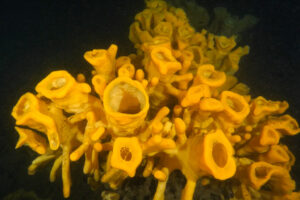
Vancouver, BC – Two new glass sponge reefs have been discovered on BC’s coast, it was announced today. Underwater surveyors Farlyn Campbell and Jody Eriksson uncovered the incredibly rare, ancient glass sponge reefs near Port Hardy when surveying near fish farms.
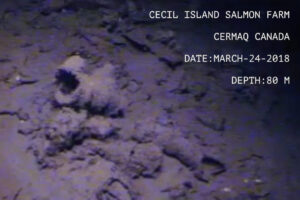
Footage of these reefs collected by Tavish Campbell, Wild First campaign spokesperson, show that while one of these rare ecosystems is flourishing, the other, located directly below an open net-pen salmon farm, has been smothered by waste and is entirely dead.
Photo: Tavish Campbell Photography
The Canadian Parks and Wilderness Society (CPAWS) has been working to protect glass sponge reefs in BC for decades and calls this discovery a wakeup call.
“The discovery of these glass sponge reefs is both incredibly exciting and saddening,” said Ross Jameson, CPAWS-BC’s Ocean Conservation Coordinator. “To find a new, living reef is significant on a global scale. However, seeing the complete destruction of one of these reefs is devastating.”
Photo of newly discovered reef destroyed by waste from a salmon farm. Photo: Tavish Campbell Photography
Glass sponge reefs were thought to have gone extinct 40 million years ago, until living glass sponge reefs were discovered in Hecate Strait, BC in 1987. Glass sponge reefs are found only in BC and Alaska, making them globally unique to this coast. The reefs provide important habitat for a wide variety of marine species, including spot prawns, rockfish, and sharks, but are fragile and susceptible to damage.
“Glass sponge reefs are marine oases for many marine species on an otherwise barren, seafloor desert,” adds Jameson. “Failing to protect reefs jeopardizes the health of our entire coastal ecosystem. This discovery demonstrates the need to permanently protect the remaining glass sponge reefs throughout the province. It’s a wake-up call.”
Despite the importance of glass sponge reefs to BC’s ocean health, most glass sponge reefs lack any permanent, legislated protection. The two newly discovered glass sponge reefs, located in a remote area in the Broughton Archipelago, join other glass sponge reefs in BC missing effective protection.
“The footage of the two glass sponge reefs clearly show the effect the salmon farm has had on the reef below it,” said Tavish Campbell. “Where one reef is vibrant and full of life, the other is smothered in sediment and waste and appears dead.”
After more than two decades of campaigning by CPAWS, the glass sponge reefs of Hecate Strait and Queen Charlotte Sound were designated as a marine protected area (MPA) in early 2017. This MPA places restrictions on harmful activities protecting the reefs from direct damage by fishing gear and smothering due to sedimentation. Several other glass sponge reefs of varying sizes have been discovered in BC but have not received protection.
Given the fragile nature of these reefs and the current human activities in the area, Jameson believes that it is lucky that even one of these reefs is still alive. “With such limited restrictions on harmful activities along the coast, the discovery could just have easily been of two destroyed reefs,” notes Jameson.
To find out more about BC’s glass sponge reefs, the threats they face, and the work CPAWS is doing to protect them, visit www.glassspongereefs.com.
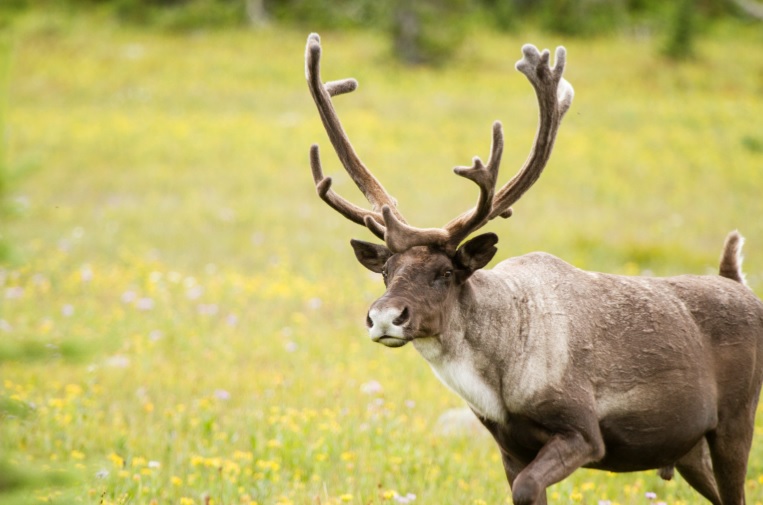
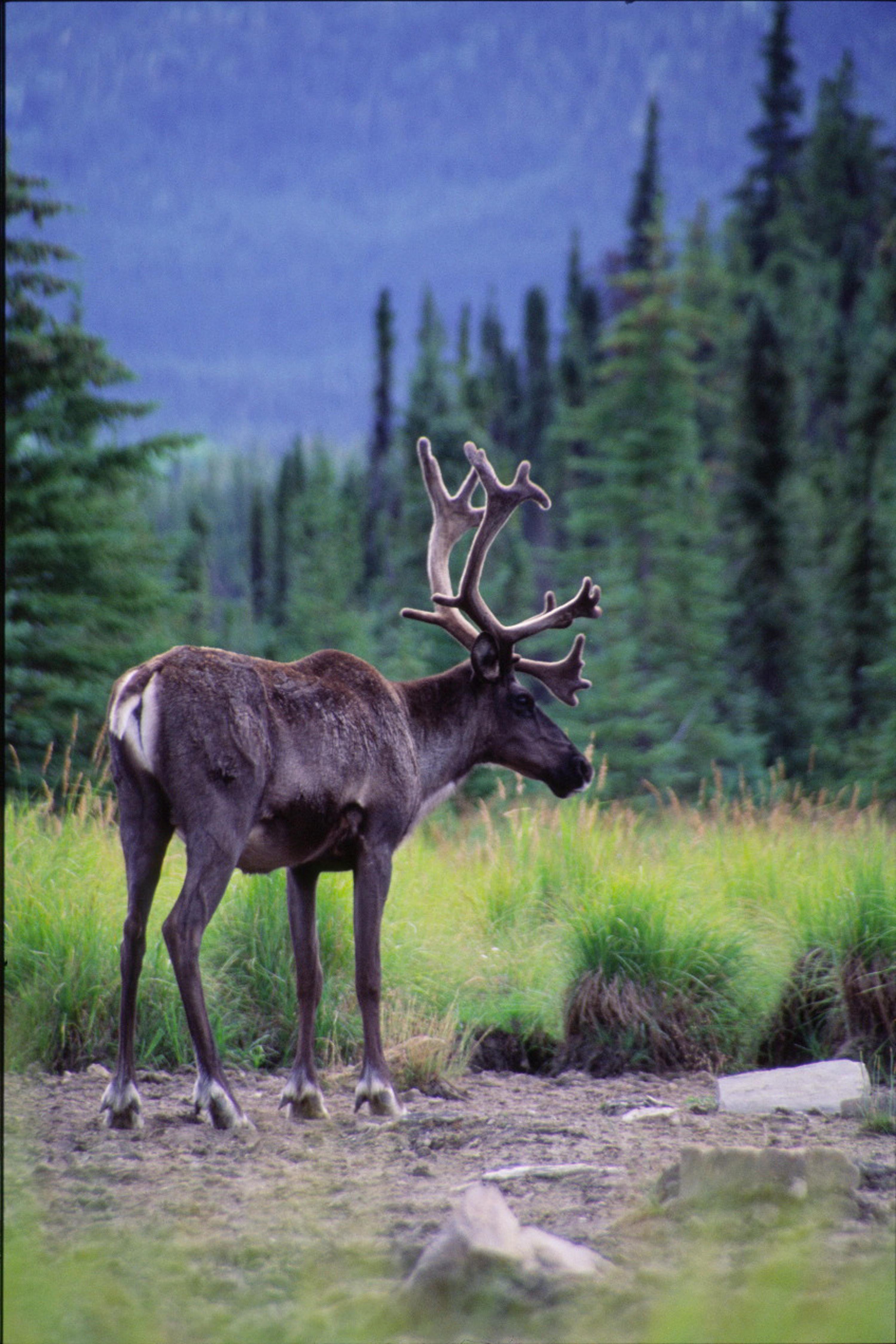
Last year, the South Selkirk mountain caribou herd – which roams the area near Nelson and just across the border into Idaho – had 11 members. The herd, like many other southern mountain caribou herds, has been in decline for decades and is listed as threatened under the federal Species at Risk Act.
Earlier this month, government biologists confirmed our worst fears: there are just 3 caribou left in the South Selkirk herd. All 3 caribou are female, and with these untenable numbers, the herd has been declared functionally extinct.
How could this happen? It happened because our governments refused to act.
For years, governments have been warned that a crucial part of protecting caribou herds is protecting critical habitat. And for years, the BC and federal governments have neglected to meet conservation targets. Instead, government has allowed new industrial developments in southern mountain and boreal caribou ranges, fragmenting their habitat even further.
It’s too late for the South Selkirk caribou herd. But there’s still time to save other caribou herds in BC.
Right now, you can tell the federal and provincial governments that they need to get serious about protecting critical caribou habitat. If enough people demand action for caribou, government will be forced to listen.
Send a letter to federal Minister McKenna and provincial Ministers Donaldson and Heyman to demand immediate action for endangered caribou in BC. Together, we can make sure this is the last caribou extinction we see here.
Vancouver, BC — A surprise announcement from US Interior Secretary Ryan Zinke is renewing hopes for grizzly bear recovery in northern Washington state, part of the Coast to Cascades region that extends into British Columbia.
Last week, Secretary Zinke pledged his government’s support for restoring grizzly bears to the North Cascades region, calling species recovery the “American conservation ethic come to life” in a statement. The unexpected announcement delighted conservation groups in the Coast to Cascades Grizzly Bear Initiative (C2C) on both sides of the border who have long advocated for restoring threatened populations of this iconic species.
Several grizzly bear populations are at serious risk of localized extinction in southwest BC, including the North Cascades Population which once straddled the Cascades Mountains both in BC and Washington state.
“Secretary Zinke’s announcement is promising news for the future of grizzly bears in this part of the world,” said Joe Scott, International Programs Director for Conservation Northwest, the lead US partner in C2C. “We have nearly 10,000 square miles of protected habitat on the US side of the border as an official Grizzly Bear Recovery Zone – one of only six in the lower 48 states. The next step is to complete the recovery planning process and move a small number of bears into the North Cascades.”
In BC, the story is slightly different but dire. “Scientists speculate that perhaps only a half dozen grizzly bears remain on the BC side of the North Cascades,” said Johnny Mikes, C2C Field Director. “There is good habitat in and around Manning Park, so that is the logical place to finally initiate recovery of the North Cascades population in BC. Given that Manning Park abuts the border, Secretary Zinke’s announcement regarding restoring the grizzly bears on the US side makes us more optimistic about their future in both BC and Washington.”
In 2004 the BC Minister of Environment approved a plan to recover the grizzly bear population. However, as the BC Auditor General pointed out in her 2017 report, this plan was never implemented despite the identified high conservation priority.
“We are pleased that the current BC Government’s response to the Auditor General’s recommendations includes the development of grizzly bear management plans ‘where they are needed.’ A recovery plan exists for the North Cascades Population: we know the need is high, now it’s time for action,” added Mikes, noting that the International Union for Conservation of Nature rates this BC population as Critically Endangered.
Grizzly bears once roamed from the Yukon to Mexico, but habitat loss and persecution by humans has caused their extirpation from the southern reaches of their range. Without successful recovery action in the North Cascades, the southern edge of localized extinction may may move further north into BC.
-30-
For interviews, contact:
Joe Scott, International Program Director (Conservation Northwest)
360.671.9950 x 111 (o) or 360.319.7056 (c) jscott@conservationnw.org
Johnny Mikes, Field Director (Coast to Cascades)
604-932-3811 (o) or 604-905-9630 (c) johnny@coasttocascades.org
Like many other politically inclined BC’ers, I watched the Legislature slideshow playing alongside calming classical music while waiting for Finance Minister Carole James to rise to the throne and deliver the first full budget since the new Government took the confidence of the house. It was a sunny day in Vancouver, I was sure it was a sign that our magnificent provincial parks would get the attention they deserve.
I will be honest, I was a bit disappointed.
I’ll try to avoid getting too deep into the weeds but hopefully, you’ve arrived here, at a blog about the BC Parks part budget, to join the bushwack through the budget. Last year the BC Parks operational budget estimate was $39M for the department’s operational spending. This year’s budget is $40M. It works out to be just over a $1M increase. We like increases. But this increase is not close to what we’ve been asking for. In fact, it is nearly $20M short of our pie in the sky.
We knew that one budget could not address the previous government’s lack of public spending, and we see that there is an effort being made to invest in the people, land and wildlife of BC. But if I did not feel compelled to speak up for the world I want to see, I would not be a campaigner. So now, the tough love.
To put this budget into a broader perspective, Alberta Parks’ 2017 budget was $85M for only 20% of the landmass of BC Parks. Even with leniency allotted for our vast wilderness parks and differences in operational models – this difference is astounding.
The budget that is allocated to BC Parks’ operations by the BC Government does not make bold action to improve our neglected parks system. BC Parks is one of the many departments that is trying to catch up after years of underfunding under the previous government’s cuts.
The previous government announced the BC Parks Future Strategy in Nov. 2016. This plan gave the first significant funding lift for the department in over 15 years and was widely, yet cautiously, celebrated. The Strategy outlined funding for new campsites, maintenance and upgrades for existing ones, and the creation of the BC Parks Foundation. It was a start, but it is not enough. I had assumed that was why the BC NDP’s campaign platform included a promise to “restore funding for BC parks.”
Don’t get me wrong, we are glad to see that the BC Government is going to spend $5M to maintain the 1,900 new campsites – these are urgently needed to meet the demand of residents and visitors alike. On top of this, BC drivers showed a huge amount of excitement for the BC Parks license plates – selling 80,000 in the first year (the amount originally projected to be sold over 5 years). This program is now expected to bring in $9.8M/year. This money can be spent to improve our parks – it can be spent in a number of ways ranging from systems planning to habitat restoration to recreation infrastructure. Great as this is, it should not be confused with stable government funding.
We are excited to see tens of millions going towards Indigenous communities to fund much-needed infrastructure, language revitalization, reconciliation work and more. We look forward to working with the government on the revitalized BC Wildlife Management and modernized Land Use Planning Initiatives, that have a combined $30M over the next 3 years. The $9M for increased Conservation Officer staffing will help improve the safety of humans and wildlife across the province. All of these will help to protect and defend our wilderness.
But, the situation for our provincial parks is dire. They need money, leadership, and a plan to get back on track. Over the coming months and years, CPAWS will continue to campaign for improvements to our provincial parks system. The lack of management plans, the need for more park rangers, and getting BC to reach a goal of protecting 17% of its land and inland waters by 2020 as outlined in Canada’s commitment to meet the Aichi Targets. All of this needs cross-sector collaboration including conservation & outdoor groups, government, recreation, tourism, and more. I hear people tell me time and time again, that our parks are central to the identity of being a visitor, admirer or resident of BC.
Not only is investing in our parks the right thing to do to safeguard our wilderness, it makes good economic sense. For every 1 dollar invested in our system, $8.42 is generated in visitor spending. 60% of the capital and operating expenditures are returned in tax revenue. Failing to invest in our public services leads to vast economic waste. It is akin to washing money down our already dilapidated outhouses. To see the full potential benefits of our provincial parks system be realized by First Nations and rural communities, the tourism industry, adventure-seekers and future generations – we must create a long-term strategy for investment.
Last but not least, I want to send a personal note to the Honorable George Heyman, Minister of Environment and Climate Change Strategy: we appreciate your efforts to get our parks back on track. We know you care about the wilderness of BC, the park rangers who monitor and manage these areas, and the park visitors who have lost many of the services in our world-class parks system. We know that the system needs more, and together, we can work to make that happen.
Vancouver, BC – The Canadian Parks and Wilderness Society’s British Columbia Chapter (CPAWS-BC) applauds today’s announcement of 1.3 billion dollars over 5 years to protect Canada’s wildlife, freshwater, public lands and ocean. This unprecedented investment will enable Canada to achieve its commitment to protect at least 17% of our land and 10% of our ocean by 2020. To date, Canada has protected 10.6% of lands, while less than 0.1% of ocean areas are strongly protected under federal marine protected areas.
“Today is an incredible day for wilderness protection in Canada,” says Bruce Passmore, Executive Director of CPAWS-BC. “This investment will go a long way toward creating new protected areas in BC, such as the South Okanagan-Similkameen National Park Reserve and the Southern Strait of Georgia National Marine Conservation Area Reserve.”
For the first time, the federal budget allocates funding for federal government action on nature conservation as well as to support conservation efforts by Indigenous governments, provinces, territories, and other partners. This cost-shared model is similar to the approach used to deliver on other shared priorities in Canada such as infrastructure, climate change mitigation, and health care.
Highlights of Budget 2018 conservation investments include:
$500 million over five years for a new $1 billion “Nature Fund” to support conservation partnerships and which will leverage funding from other government and non-governmental sources;
$167.4 million over five years to better protect and recover endangered whale species in Canada, including the southern resident killer whales; and
$800 million over five years to support:
New federal protected areas, including marine protected areas and network planning
Increased capacity for national park management
Increased capacity to protect species at risk
Funding to establish a coordinated network of conservation areas working with provincial, territorial and Indigenous partners.
While the majority of this investment will support terrestrial conservation initiatives, CPAWS-BC welcomes the additional funding allocated to protecting Canada’s ocean.
“With some of our most iconic whales facing extinction, including BC’s southern resident killer whales, we’re pleased to see the budget invest in work to protect and recover whale species,” says Passmore. “We’re hopeful that this new investment will support a network of effective and well-managed marine protected areas to safeguard critical whale habitat, including the Southern Strait of Georgia National Marine Conservation Area Reserve.”
While few details are available in the budget, CPAWS-BC looks forward to working with all governments and other partners to ensure this new investment delivers on Canada’s conservation commitments.
“This budget represents one of our greatest opportunities to move forward on meeting Canada’s international conservation commitments,” adds Passmore. “Investing in wilderness today means investing in a wild future for Canada.”
-30-
For interviews: Bruce Passmore, CPAWS-BC Executive Director info@cpawsbc.org 604-685-7445 ext. 23
BACKGROUND
The UN Convention on Biological Diversity
In 2010, Canada and other signatories to the UN Convention on Biological Diversity endorsed a strategic plan to reverse a global biodiversity crisis, including a commitment to protect at least 17% of land and inland waters and 10%of ocean areas by 2020 and to improve the quality of protected area networks. The Biodiversity Convention (known as the CBD) was signed in 1992 alongside the UN Convention on Climate Change, recognizing the need to jointly tackle these two critical environmental challenges. Last year the federal government invested in a Pan-Canadian Climate Plan. This year’s investment will support a parallel pan-Canadian effort to protect biodiversity.
The Federal Government’s Recent Efforts towards Achieving Our Commitment
In March 2017, a unanimous report by the House of Commons Standing Committee on Environment and Sustainable Development made a suite of recommendations for action on protected areas. In February 2017, federal, provincial, and territorial governments launched the “Pathway to Canada Target One” process, working with Indigenous Peoples, civil society, and private interests to jointly deliver on Canada’s land and freshwater protection target. CPAWS staff were appointed to a Ministerial “National Advisory Panel” to advise on this work. The Panel’s report is expected to be released soon.
Fisheries and Oceans Canada has been leading federal government efforts towards protecting at least 10% of the ocean by 2020, including the establishment of the Hecate Strait and Queen Charlotte Sound glass sponge reef MPA in BC.
Vancouver, BC – The Canadian Parks and Wilderness Society’s BC Chapter (CPAWS-BC) is very discouraged to see that in the provincial budget announced today, the BC Government failed to meet its promise to restore funding to BC Parks.
This is being taken as a sign of government inaction in an era of provincial neglect for BC’s wilderness areas. After campaigning on this promise, the government backtracked on their commitment to increase funding for parks and protected areas in the province.
“Today’s disappointing budget announcement shows that our government is going back on its promise to reinvest in BC’s parks system,” says Tori Ball, Terrestrial Campaigner for CPAWS-BC.
“Without a much-needed funding increase, our parks remain at serious risk of irreversible environmental degradation. We’ve seen park advocates from across the province speaking up to defend their cherished parks system for years, and it’s frustrating to see the government’s promises fall flat in this budget,” adds Ball.
CPAWS-BC and thousands of British Columbians have called on the government to immediately increase funding for BC Parks to $60 million, with a long-term commitment to match standards set by Alberta Parks and Parks Canada. Instead, the budget falls almost $20 million short of that amount and promises no significant increase in funding over the next several years.
The government’s short-term priorities for parks funding, outlined in their 3-year fiscal plan, will not be enough to secure recreational opportunities and ecological integrity in our parks in the long term. CPAWS-BC is very disappointed that the government has failed to reinvest in the beleaguered parks agency, continuing on a path of weak environmental protection and missed opportunities to bolster our important recreational tourism industry.
“Our parks represent an important investment for British Columbia, both environmentally and economically,” says Ball. “Our government is failing to invest in a future for wilderness in this province. As we move towards Canada’s international commitment to protect 17% of lands and inland waters by 2020, we must continue to not only expand our system, but to invest in the quality of protection.”
-30-
For interviews:
Tori Ball, CPAWS-BC Terrestrial Campaigner
604-685-7445 ext. 24 tori@cpawsbc.org
Vancouver, BC – The Canadian Parks and Wilderness Society (CPAWS) congratulates the Haida Nation and the Government of Canada for agreeing to increase the protection of SGaan Kinghlas – Bowie Seamount Marine Protected Area (MPA) by closing the area to all bottom-contact fishing. SGaan Kinghlas – Bowie Seamount is home to rare and fragile glass sponges and corals, which support a huge diversity of life.
“Recent surveys of the seamount have found two new species of glass sponge and the first known records of two other species of glass sponge in Pacific Canada” said Sabine Jessen, CPAWS National Ocean Program Director, “The surveys also showed that bottom contact fisheries were damaging this fragile ecosystem. Closing the area to bottom contact fishing will provide much needed protection and make SGaan Kinghlass – Bowie Seamount one of Canada’s better protected MPAs,” added Jessen.
SGaan Kinghlas – Bowie Seamount Marine Protected Area is found 180km of the west coast of Haida Gwaii. The seamount begins 3000m below the surface and, through volcanic activity, has risen to just 24m below the surface, making SGaan Kinghlas – Bowie seamount one of the shallowest in the north Pacific.
“Seamounts are rare, vulnerable, and high-value ecosystems that are home to a staggering diversity of species. The abundance of life found on seamounts attracts larger marine life, like tuna, sharks, whales, and seabirds,” said Jessen. “This entire ecosystem will benefit from the increased protection measures,” added Jessen.
“CPAWS is pleased to see the level of science and research conducted at SGaan Kinghlas – Bowie Seamount. We’re particularly delighted that the results of this work have been used to improve management measures for the MPA,” said Jessen. “But a wealth of scientific evidence should not have been necessary to prompt this decision. Bottom-contact fishing never belonged in SGaan Kinghlas – Bowie Seamount MPA, as the Council of the Haida Nation have long argued,” added Jessen.
In their announcement of the improved protection measures, the Council of the Haida Nation note that prohibiting bottom-contact fisheries within an MPA that is designed to protect sensitive ecosystems consistent with the precautionary approach and legally required under the sustainable fisheries framework and the recently amended Oceans Act.
“There have been a lot of positive steps on Canada’s MPAs over the past year. CPAWS is eager to see further protection measures that will ensure the health of our ocean for future generations” said Jessen.
We use cookies and other similar technologies such as pixels and web beacons (“Cookies”) for various purposes, such as to ensure our website functions properly, enhance your browsing experience by remembering your preferences and provide personalized content and advertisements.
Functional
Always active
The technical storage or access is strictly necessary for the legitimate purpose of enabling the use of a specific service explicitly requested by the subscriber or user, or for the sole purpose of carrying out the transmission of a communication over an electronic communications network.
Preferences
The technical storage or access is necessary for the legitimate purpose of storing preferences that are not requested by the subscriber or user.
Statistics
The technical storage or access that is used exclusively for statistical purposes.The technical storage or access that is used exclusively for anonymous statistical purposes. Without a subpoena, voluntary compliance on the part of your Internet Service Provider, or additional records from a third party, information stored or retrieved for this purpose alone cannot usually be used to identify you.
Marketing
The technical storage or access is required to create user profiles to send advertising, or to track the user on a website or across several websites for similar marketing purposes.