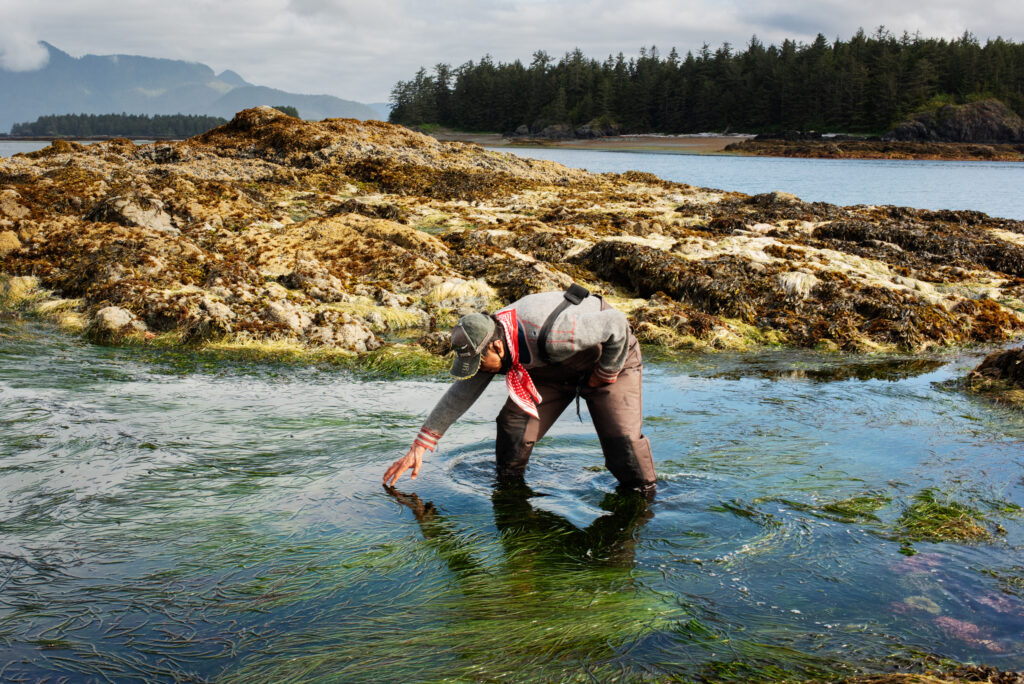
Works by seven BC artists renew hope amidst an extinction crisis
For interviews, please contact Tori Ball, Terrestrial Conservation Manager, CPAWS-BC tori@cpawsbc.org 604-685-7445 x24
Tuesday, August 29, 2023
Works by seven BC artists renew hope amidst an extinction crisis
Take a sensory journey from loss to hope at Precipice, an art exhibit and gathering space where conversations about solutions to biodiversity loss will thrive. Precipice: Changing the Course of the Extinction Crisis in BC runs at the Alternatives Gallery in Vancouver from September 15-23, 2003.
Precipice: Changing the Course of the Extinction Crisis in BC is an art exhibition that tells stories of loss and hope for lands, animals, waters and people in British Columbia, Canada’s most biodiverse province. At Alternatives Gallery in Vancouver, seven BC-based artists will express how deeply biodiversity in nature affects the human experience.
Presented by Canadian Parks and Wilderness Society – British Columbia, Precipice is more than an art exhibit. It’s a gathering place where artists, biologists and activists will teach, play and host community conversations about biodiversity.
“Precipice is a convening space for critical conversations about what people living in BC can do to protect our children’s futures,” says Tori Ball, Terrestrial Conservation Manager at CPAWS-BC. “We’re living through an extinction crisis – forest fires, floods and droughts. But we can’t lose hope.”
Right now, Indigenous Nations are working to protect their traditional territories and the province has an unparalleled opportunity to support their vision and ensure that lands and waters are healthy and protected, says Ball. “This is how we can mitigate the effects of climate change and support communities in BC. Precipice is an open, community space for people to gather, learn and take action.”
Works featured at Precipice show that when we do better for Nature, people thrive too: a textile sculpture embodies the life experience of a tree; a ceramic tile installation depicts the family history of our Southern Resident killer whales; and textural cut-outs explore wildlife relocation caused by habitat loss.
Precipice’s community programs welcome guest speakers including Chief Rebecca David of Pauquachin Nation, Councillor Archie Little, Nuchatlaht First Nation, Nuu-Chah-Nulth Tribal Council artists workshops and storytelling events. Tickets are free or by donation and the schedule of events is listed below.
Precipice is curated by Rachael Ashe and features work by Cherry Archer, Nell Burns, Adea Chung, Grace Lee, Jessie Recalma, Sarah Ronald and Clare Wilkening. The gallery is always free to enter and is open Monday to Thursday from 4 PM to 6 PM for public viewing. All are welcome to join workshops and guest speaker nights during extended weekend and evening hours.
Precipice art exhibition is presented by Canadian Parks and Wilderness Society – British Columbia (CPAWS-BC). A portion of the proceeds will support the non-profit’s work to advocate for the protection of lands, waters and wildlife in BC.
When: September 15-23, 2023 Time: 4 PM to 6 PM, plus special evening and weekend events. Where: Alternatives Gallery and Studio, 1659 Venables Street, Vancouver, BC. Tickets: Always free to visit the gallery Monday to Friday from 4-6 PM. Donations welcomed for special evening speakers night, weekend workshops and more online
The Canadian Parks and Wilderness Society – British Columbia (CPAWS-BC) is part of one of Canada’s oldest non-profit conservation groups. We protect wilderness in every corner of BC and deep into the ocean. We have been defending BC since 1978, and are dedicated to keeping BC’s natural environment thriving forever. Our work to safeguard large parks, protected areas and wildlife corridors has been instrumental in protecting precious places across the province. Join our community on Facebook, Twitter, Instagram and LinkedIn. Donate today. Take action.
CPAWS-BC invites you to our 2023 Annual General Meeting (AGM)
Over the past year, Canada’s been at centre stage in the global conversation about the role of conservation in reconciliation and decolonization, protecting lands and waters, and preserving and rebuilding biodiversity. CPAWS-BC members like you played a key role in the progress made right here in British Columbia to safeguard the wild places that we all love.
Join us at the 2023 AGM for a look back at everything we accomplished last year with your support, and a glimpse at what’s ahead for Nature.
This year’s AGM will be once again held virtually using Zoom. Below, you’ll find all of the resources you need including last year’s minutes and a proxy form for CPAWS-BC members who are unable to attend the AGM on September 27.
Accessibility: This event is held over Zoom virtual conference. You can connect by phone or online audio and/or video. There will be a visual slideshow to accompany program updates.
Please join us at 5:25PM for a quick Zoom tutorial, including how we’ll motion, second, and vote during the AGM.
How to join: To minimize technical and security challenges during the meeting, and to ensure that you are able to participate fully, all attendees must RSVP by September 25, 2023. Login and password information will be sent before the meeting only to those who registered in advance. There will be no on-the-day registration.
Questions? Please contact our team: info@cpawsbc.org or call 604.685.7445 x33
Precipice: Changing the course of the extinction crisis in BC
September 15-23, 2023 Alternatives Gallery, 1659 Venables Street Vancouver, BC.
Precipice is an art exhibition that tells stories of biodiversity loss and hope in British Columbia.
Working in mixed mediums, seven BC-based artists will compel you to mourn, understand and ultimately protect the lands and waters of Canada’s most biodiverse province.
Precipice is an exhibit and gathering place where artists, biologists and activists will teach, play and host conversations about biodiversity with the community.
The gallery is always free to visit during public hours. Tuesday to Thursday from 3-6 PM.
Precipice features work by Cherry Archer, Nell Burns, Adea Chung, Grace Lee, Jesse Recalma, Sarah Ronald, and Clare Wilkening and is curated by Rachael Ashe.
Precipice is presented by Canadian Parks and Wilderness Society – British Columbia.
Indigenous Peoples have cared for lands and waters since time immemorial. As original stewards, Indigenous Peoples’ leadership, knowledge and experience are essential to mapping a future where communities and Nature can thrive.
Indigenous Protected and Conserved Areas (IPCAs) play a critical role in conserving biodiversity and reducing the effects of climate change.
What are IPCAs?
The Indigenous Circle of Experts (ICE) report, We Will Rise, defines IPCAs as “lands and waters where Indigenous governments have the primary role in protecting and conserving ecosystems through Indigenous laws, governance and knowledge systems. Culture and language are the heart and soul of an IPCA”.
IPCAs can vary in many ways, but they share three essential elements:
They are Indigenous-led
They elevate Indigenous rights and responsibilities
They represent a long-term commitment to conservation
Indigenous Peoples are the most effective land managers. Indigenous-managed lands and waters span approximately 20% of the planet, yet support 80% of the world’s biodiversity. IPCAs support Indigenous cultural connection to the land and waters, encourage respectful and reciprocal interactions with the natural world, and help address the dual crises of climate change and biodiversity loss. IPCAs are a path forward to advance reconciliation and support biodiversity.
IPCAs advance reconciliation efforts
Supporting IPCAs provides an opportunity for the BC and Canadian governments to advance reconciliation by recognizing and upholding Indigenous rights.
Government support for IPCAs includes:
Co-developing protected areas with Indigenous Nations
Establishing a legal framework to recognize IPCAs, and
Providing continued resources to support Indigenous Guardian programs across BC and Canada
IPCAs recognize the intimate relationship between Indigenous Peoples and the lands and waters within their Territories. They provide opportunities for Indigenous People’s inherent right to govern their lands, water, wildlife and plants; practice their culture; and develop or use natural resources.
IPCAs help protect biodiversity
There are dozens of examples in BC where IPCAs are already leading the way to advance conservation on land and in the ocean.
Current IPCA proposals would add just over 9% to BC’s protected area land base. Added protection for millions of hectares of lands and waters would support vibrant networks of life, provide a haven for species at risk and create climate refuges for wildlife—all under the leadership of Indigenous Nations.
IPCAs weave together Indigenous Knowledge and western science to protect biodiversity. Indigenous Knowledge—accumulated over thousands of years of lived experiences with the land— provides immense insight into how to support biodiversity. Using both knowledge systems strengthens efforts to address complex environmental issues like biodiversity loss.
How are IPCAs Created?
There is no one-size-fits-all approach to creating an IPCA. However, Indigenous communities lead in every aspect, from designation to management planning, monitoring, enforcement, and more.
No pathway currently exists to recognize or support IPCAs through provincial or federal legislation or policy. Indigenous Peoples have the right to self-determination and can establish an IPCA in their territories without legal recognition from non-Indigenous governments. Recognition and support, where requested, from BC and Canada would help support the creation of IPCAs. When invited, provincial and federal acknowledgement of IPCAs would ensure management plans are respected and help limit any expressed prohibited activities including mining, logging or bottom-trawling that can harm the environment.
Indigenous-led conservation signals a path toward a brighter future. Centering Indigenous Peoples at the forefront of land-use planning and decision-making in their territories helps uphold Indigenous rights to culture, land, and ways of life.
How can you support Indigenous-led conservation?
Many Indigenous laws and cultures have deep connections to the health of Nature and biological diversity today. These teachings guide a balanced relationship with the land, water, plants, and animals in a way that ensures abundance for future generations.
Fish, wildlife and their habitats are declining at an alarming rate globally and right here in BC. Over 1,600 species at risk call BC home.
IPCAs play a critical role to advance reconciliation, conserve biodiversity and reduce the effects of climate change as we all work together to protect 30% of lands and waters by 2030.
Resources
By learning about Indigenous-led conservation and sharing it with others, your support starts here. Below are resources for further learning and actions to show your support for Indigenous-led conservation.
The Day-Use Pass Program is returning to some of BC’s provincial parks including Golden Ears, Joffre Lakes, and Garibaldi Provincial Parks this season to reduce vehicle lineups, parking pressures, and overcrowded trails.
BC’s provincial parks are a haven for wildlife and millions of outdoor enthusiasts across the province. They provide opportunities for us to explore, spend time with family outdoors, and connect with Nature.The growing use and enjoyment of BC’s Parks is incredible. An increase in demand for park services comes with increased pressures on wildlife, natural areas, park staff, and recreation infrastructure.
The Day-Use Pass Program is one tool in a suite of solutions that can help manage and plan for high levels of visitation as parks struggle to keep up with visitor demand.
This article aims to shed light on the growing pressures BC’s provincial parks are facing and the need to manage visitation and support sustainable levels of recreation so parks can continue to support Nature and people for generations to come.
Why is a Day-Use Pass Required?
Their close proximity to Metro Vancouver and stunning vistas have made Golden Ears, Joffre Lakes, and Garibaldi Provincial Parks three of the most popular provincial parks in BC. These parks are seeing visitation skyrocket as more and more people get outside for adventure and to connect with the lands and waters that make BC unique. Between 2012 and 2018, park visitation to these three parks grew by 75%.
From overcrowded trails to packed parking lots and cars lined up along the highway, the evidence of the rising interest and limited management capacity in provincial parks is difficult to miss.
Limited parking availability at Joffre Lakes Provincial Park leads to illegal parking along Highway 99, putting pedestrians, drivers and BC Parks staff at risk. Photo: Steve Jones via CBC
The surge in visitation is challenging BC Parks’ mission to balance safe outdoor recreation with the protection of natural environments. Rising visitation is overwhelming park infrastructure and natural areas in many popular parks, leading to diminished visitor experiences, visitor safety concerns, and impacts on Nature that parks were created to protect. BC Parks staff are seeing impacts such as improper disposal of human waste and garbage, and damage to sensitive areas like alpine environments.
Overcrowding can lead to people wandering off trails, which can cause trail braiding (when multiple paths split off and rejoin the main trail), erosion, and trampled vegetation. This impacts the long-term health of the forests and wildlife in parks.
Trail braiding. Photo: BC Parks
Underlying Issues
BC Parks has been starved of funds for decades. Years of chronic underfunding have:
Created a backlog in the upkeep of recreation infrastructure like boardwalks and trails;
Stalled the development of management plans, limiting the development of recreation opportunities in parks; and
Restricted the establishment of new parks, trails, and infrastructure such as toilets and campsites to meet the rising demand of park visitors who love to get outside.
Recent injections of funds into the BC Parks system are welcomed, and BC Parks is now in a state of playing catch-up while facing sustained demand.
Park agencies worldwide are looking to visitor-use management as park visitation soars. The US National Park Service implemented a day-use management tool in 2020 to reduce overcrowding and protect Nature in several popular parks, including Arches and Glacier National Parks.
The planning, expansion, and construction of new facilities and trails take time, consultation, and careful consideration. As BC Parks continues to play catch-up and work to improve trails, upgrade infrastructure, and build more campsites, the Day-Use Pass Program helps reduce the impacts of recreation on Nature while also improving visitor safety and the park experience by reducing overcrowded trails, roads and parking lots.
The Day-Use Pass Program should be complemented with other tools to support the growing demand for parks and recreation. This includes increasing transit access to parks to alleviate parking pressure and investing in recreation planning and park expansion near city centres.
Expand parks, both in size and recreation infrastructure, to keep up with visitor demand, relieve pressure off of existing trails and infrastructure, and protect habitat for endangered wildlife;
Increase park ranger staff to maintain infrastructure and enforce rules that keep visitors and wildlife safe;
Modify trail infrastructure and design to protect vegetation (e.g. installing boardwalks);
Improve visitor education to mitigate impacts on wildlife and sensitive natural areas; and
Support BC Parks’ dual mandate to provide high-quality outdoor recreation opportunities and protect diverse natural environments for world-class conservation.
Increased funding for trail maintenance and upgrades would help protect sensitive plant and animal habitats like this sub-alpine meadow in Manning Provincial Park.
Heather Trail in Manning Provincial Park. Photo: Andy Gibb via Federation of Mountain Clubs of BC
Parks and protected areas are a fundamental part of our health care system, they provide many opportunities to get outside and connect with Nature, from canoeing to horseback riding to multi-day hiking adventures. They are also a critical ally in our fight against climate change and biodiversity loss. Increased, sustained funding will not only support people getting outside to connect with Nature, it will also support BC’s commitment to safeguard biodiversity by protecting 30% of lands by 2030.
Take action to increase funding for BC’s provincial parks
Let your elected leaders know that you want to see increased funding for BC Parks by clicking the button below.
For interviews, please contact Tori Ball, Terrestrial Conservation Manager, CPAWS-BC tori@cpawsbc.org 604-685-7445 x24
Wednesday, May 24, 2023
BC signals much-needed action on nature, finds report on progress towards Canada’s conservation commitments
Traditional unceded Coast Salish Territory / Vancouver, BC — A report released today by the Canadian Parks and Wilderness Society (CPAWS) finds that a majority of jurisdictions in Canada have made contributions to the protection of 30% of land and ocean by 2030 in the last two years. British Columbia received a stand out grade of “significant progress” as well as key opportunities to improve its conservation outlook.
“Here in BC, we’ve seen the provincial government make ambitious commitments and signal a shift to prioritizing healthy ecosystems and advancing Indigenous-led conservation,” says Tori Ball, Terrestrial Conservation Manager for the BC Chapter of CPAWS. “While we celebrate these commitments, we are looking forward to appropriate funding and mechanisms to ensure accountability on their commitment to protect 30% of lands by 2030.”
BC had previously been given a mediocre grade of “C” for a lack of investment, action and commitment to expanding the network of protected areas. The province has made great headway to address the biodiversity crisis through its work on the Coastal Marine Strategy, the Great Bear Sea and initiating land-use planning in partnership with First Nations. Having an appropriate pathway to support the establishment and recognition of Indigenous Protected and Conserved Areas on the lands, coast and ocean will help all governments work together to halt and reverse biodiversity loss.
“On the ocean, there are important opportunities across the coast of BC that result from years of collaboration, co-led by First Nations, BC, and Canada, and have included in-depth community involvement,” shared Kate MacMillan, Marine Conservation Manager, CPAWS-BC. “ The long-standing proposed Southern Strait of Georgia National Marine Conservation Area Reserve is one of the opportunities where we hope to see a new path forward, led by First Nations, to protect these incredible waters – home to orcas, salmon, and people”
This report, Building Momentum: A Progress Update on Canada’s Nature Protection Targets, reinforces the urgent need for all levels of government to work together to halt and reverse biodiversity loss in Canada, in collaboration with, and in support of, Indigenous peoples, and identifies key opportunities for nature protection in the coming years. Supporting and advancing the Kaska Dena’s 40,000km2 IPCA, Dene Kʼéh Kusān, is a key opportunity for BC to make progress towards the biodiversity protection targets.
“There are dozens of Indigenous-led protected area proposals across the province which layout a pathway to bring back endangered ecosystems and wildlife populations,” continued Ball. “BC has the opportunity to step up for nature while supporting a more sustainable and just future for all by taking action on the bold commitments it has already made.”
For interview, please contact Tori Ball, Terrestrial Conservation Manager, CPAWS-BC tori@cpawsbc.org 604-685-7445 x24
KEY FINDINGS
Federal, provincial and territorial governments have achieved varying degrees of progress since CPAWS’ 2021 Report Card, with some making ambitious commitments and advances over the past two years, and others making minimal progress.
Jurisdictions with significant progress since 2021:
Federal Terrestrial (2021 grade: A-)
Quebec (2021 grade: A-)
Nova Scotia (2021 grade: B)
The Yukon (2021 grade: B-)
British Columbia (2021 grade: C)
Jurisdictions with some progress since 2021:
Federal Marine (2021 grade: B+)
Northwest Territories (2021 grade: B+)
New Brunswick (2021 grade: B-)
Manitoba (2021 grade: C-)
Newfoundland and Labrador (2021 grade: F)
Jurisdictions with minimal progress since 2021:
Saskatchewan (2021 grade: D)
Alberta (2021 grade: F)
Ontario (2021 grade: F)
Federal Marine – some progress (2021 grade: B+)
Nunavut and Prince Edward Island were not graded as CPAWS does not have chapter offices there.
All levels of government need to act urgently to halt and reverse biodiversity loss in Canada, in collaboration with and in support of Indigenous peoples. The conditions and opportunities exist for all jurisdictions to contribute to achieving the targets. The Canadian Parks and Wilderness Society calls upon all levels of government to close the gaps to protect at least 30% of land and ocean by 2030.
BACKGROUND
Conservation Opportunities in British Columbia
BC was the second province to commit to protecting 30% by 2030 in Dec 2023, during COP15. Their commitment included advancing Indigenous Protected and Conserved Areas.
BC’s claimed protected and conserved areas equal 19.5% of the province, however, conservation and legal experts have pointed out that BC’s other conserved areas (4.1%) do not meet agreed-upon Canadian or International standards of protection.
BC has committed to developing a conservation financing mechanism within the next few months to support landscape and Indigenous-led conservation.
A strong majority of Canadians (ranging from more than eight in ten to just over nine in ten) support protecting more land and sea in Canada and increased spending to meet commitments.
Strong support among Canadians (more than eight in ten) for creating more Indigenous Protected and Conserved Areas in Canada.
About eight in ten say it is important for Canadian governments to speed up progress on nature protection.
The majority of Canadians would be more likely to support a federal party or provincial/territorial government that is committed to nature protection.
A majority of Canadians, from just under seven in ten to over seven in ten (69% to 74%), would be more likely or somewhat more likely to vote for a federal party that proposed various nature protection policies.
A majority of Canadians agree (69%) they would be more likely to support a provincial or territorial government if it set out a big and important nature conservation goal.
Canadians think about half of the world’s land (48%) and sea (55%) and half of Canada’s land (49%) and sea (55%) should be protected.
The majority of Canadians (around nine in ten) agree that protected areas play an important role in addressing climate change and supporting a healthy, sustainable economy.
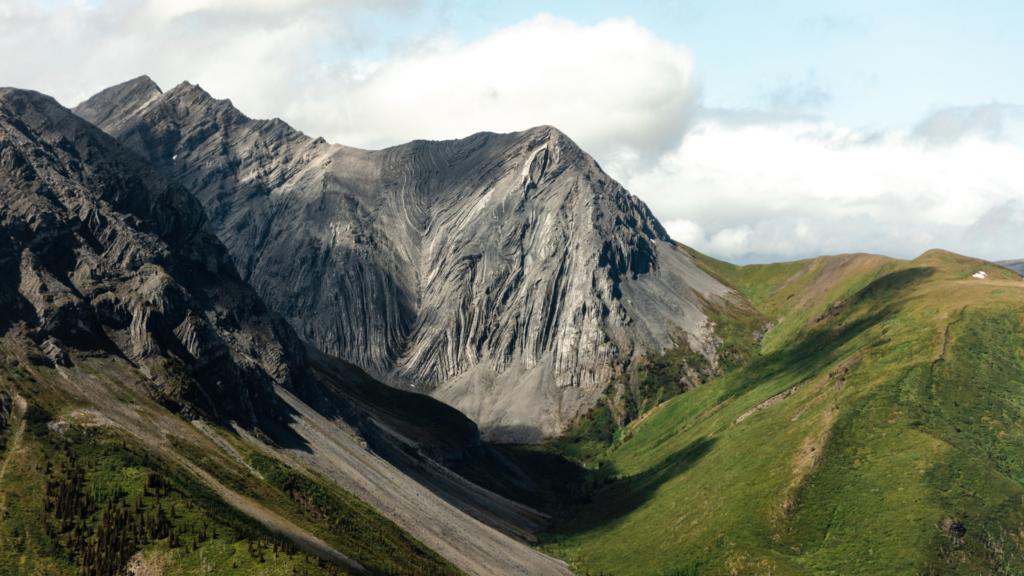
Dene K’éh Kusān, photographed by Adam Combs
About CPAWS-BC
The Canadian Parks and Wilderness Society – British Columbia (CPAWS-BC) is part of one of Canada’s oldest non-profit conservation groups. We protect wilderness in every corner of BC and deep into the ocean. We have been defending BC since 1978, and are dedicated to keeping BC’s natural environment thriving forever. Our work to safeguard large parks, protected areas and wildlife corridors has been instrumental in protecting precious places across the province. Join our community on Facebook, Twitter, Instagram and LinkedIn. Donate today. Take action.
When given adequate protection to thrive, Nature supports healthy wildlife and resilient communities. It’s the common ground that sustains us all.
Yet Nature is at a breaking point and we’re seeing the effects of continued degradation throughout BC. From threatened Grizzly bear populations and dwindling caribou numbers to critically endangered northern spotted owls, biodiversity is declining faster than ever before.
BC to protect 30% of lands by 2030
Good news! In partnership with Indigenous Nations and communities, the BC government has committed to protecting 30% of lands by 2030.
We’ve worked hard to advocate for this commitment, and now it’s time to hold the government accountable to meeting these important targets.
How are we doing?
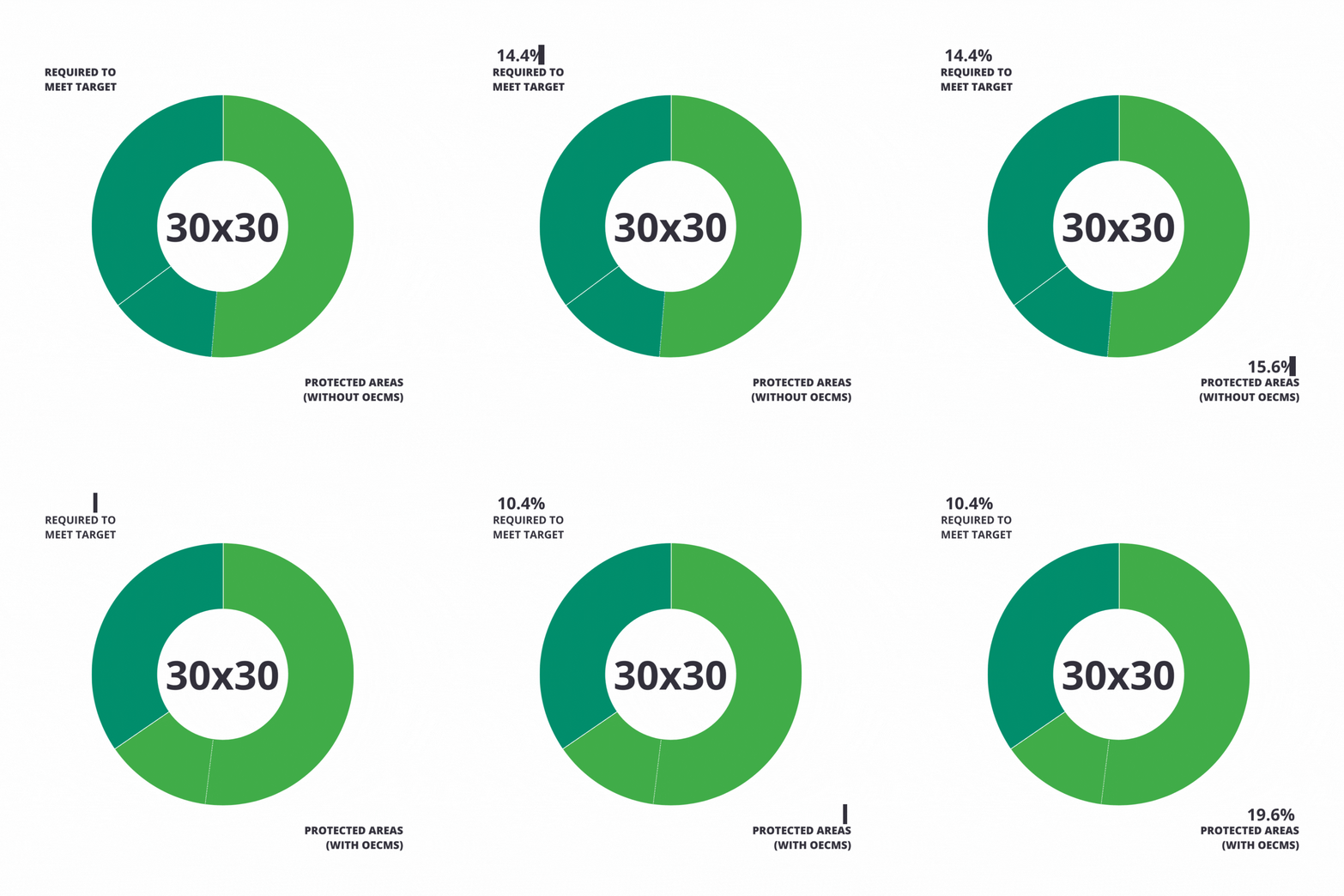
Protected areas cover 15.6% of the land base in BC, meaning the province will need to nearly double current land protection to meet its 2030 target.
In addition, the BC government includes Other Effective Conservation Measures (OECMs). These are areas that weren’t set aside to protect ecosystems and have often been wrongly included in the tally of total protected areas. A community watershed is a good example of this.
This false accounting adds an extra 4% to reach 19.6%. You can learn more about this from CPAWS-BC’s 2021 report, An Honest Accounting.
Research affirms that biodiversity thrives on lands and protected areas managed by Indigenous Peoples. As stewards of these natural environments since time immemorial, they hold intimate knowledge and understanding of the relationship between land, water, wildlife and people. Indigenous Nations across the province are already taking bold action to address biodiversity loss and conserve ecosystems through Indigenous governance and knowledge systems. New approaches to conservation are being imagined, stewardship initiatives are being launched, and Indigenous Protected and Conserved Areas (IPCAs) are being declared.
Photo: Adam Combs
Did you know? Indigenous Nations can establish IPCAs under their inherent rights and laws, but provincial and federal governments lack the legal frameworks required to recognize them as protected areas.
Supporting Indigenous-led conservation presents an important opportunity for the BC government to increase land protection in a way that upholds Indigenous rights and advances provincial commitments to reconciliation. This includes:
Co-developing protected areas with Indigenous Nations
Establishing a legal framework to recognize IPCAs
Providing continued resources to support Indigenous Guardian programs across BC
Apply Rigorous Standards to all Protected Areas
Not all protected areas in BC are equal. While 15.6% of the province’s landbase is protected by robust designations like provincial parks and conservancies, the other 4.1% claimed as OECMs remains vulnerable to activities that directly harm biodiversity. Unlike protected areas and conservancies, OECMs can be established for objectives outside of conservation as long as management practices provide some level of Nature protection. OECMs must meet clear national and international criteria to be effective, ensuring Nature is adequately protected. This is where BC falls short.
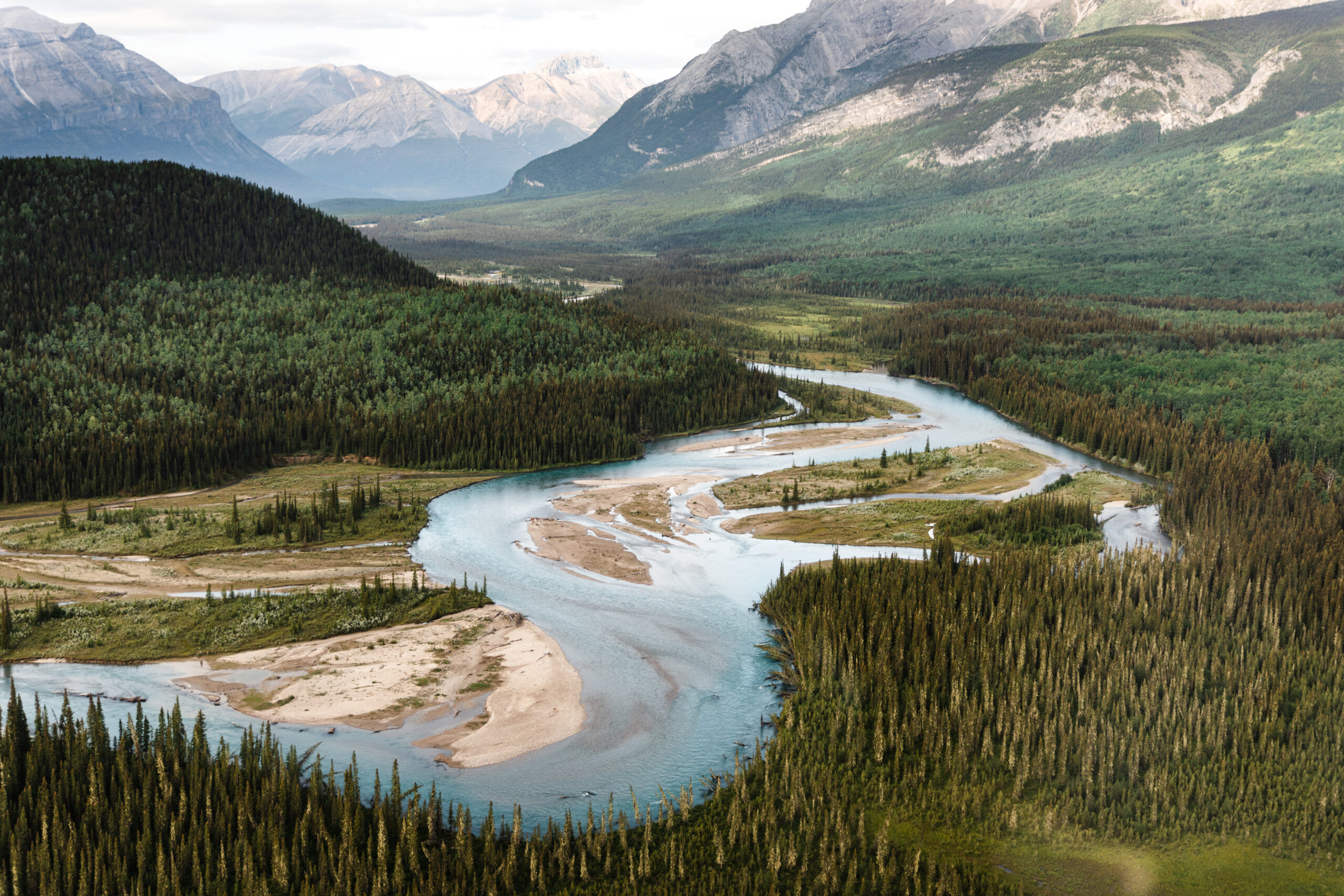
Photo: Adam Combs
Did you know? Old Growth Management Areas (OGMAs) are one of three designations that BC claims as OECMs, and they cover nearly 1.5 million hectares of land. Many OGMAs don’t actually contain old growth forests because they operate as rotating reserves, meaning they are harvested on a rolling 80-year cycle. While industrial activity may be limited to specific areas during certain times, logging, oil, gas and road-building is still permitted in OGMAs, allowing continued destruction of important wildlife habitats.
The BC government needs to scrub its protected area accounting and apply rigorous standards across the board. False reporting inflates BC’s protected areas total and pulls potential away from other proposals and areas that will be more effective at safeguarding biodiversity. Although OECMs that meet the required standards can be valuable in some cases, Indigenous-led conservation and protected areas are the most effective tools to achieve 30% by 2030.
Prioritize Resilient Networks of Protected Lands
Biodiversity is being lost at a staggering rate due to continued habitat destruction. From industrial development to climate change, landscapes around us are constantly changing, forcing animals to move and adapt in new ways. Wildlife needs large, connected landscapes in order to thrive.
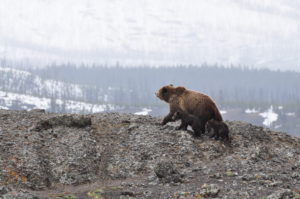
Did you know? There are 55 Grizzly bear populations in BC and 60% of these are threatened with extinction. Grizzly bears rely on large tracts of wild habitats to forage for food throughout different seasons. As they feed and roam from rocky rivers to forest floors, rich nutrients are deposited back into the earth, supporting a much broader network of life.
Natural habitats are shrinking and increasingly fragmented by roads, extraction sites and natural disasters. This leaves wildlife isolated to smaller tracts of wilderness, reducing their access to food sources, breeding potential and safe places to seek refuge. As the keystone Grizzly bear demonstrates, when one species becomes threatened ripple effects are felt throughout entire ecosystems.
As BC develops new protected areas, it’s critical these are strategically established to form larger networks of wilderness landscapes that will serve as wildlife corridors. Protecting large and interconnected lands and waters will place us all on a path to a more resilient and vibrant future.
Support these important landscapes
There are plenty of pathways to achieving 30% by 2030. Explore a few of the unique and important landscapes that will help us better safeguard biodiversity in BC:
Support the sməlqmíx, the syilx people of the Similkameen Valley, in their important work to protect water, restore habitat, and safeguard species within the Ashnola IPCA. [Learn more]
The Gwininitxw Indigenous Protected Area is located in the upper Skeena River watershed and protects 170,000 hectares of critical habitat for mountain goats, wolverines, grizzlies and wild salmon within Wilps Gwininitxw Territory. [Learn more]
Support Kaska Dena’s work to protect Dene Kʼéh Kusān, the largest intact landscape in BC. This proposed Indigenous Protected and Conserved Area (IPCA) would protect nearly four million hectares of wilderness lands abundant with wildlife like caribou, moose and song birds. [Learn more]
The Salmon Parks project initiated and led by the Mowachaht/Muchalaht and Nuchatlaht Ḥaw̓iiḥ (hereditary leaders) is aimed at restoring wild salmon by recovering and protecting key watersheds in Nootka Sound, on Vancouver Island’s west coast. [Learn more]
Nestled between two provincial parks is the Skagit-Manning donut hole, a patch of unprotected land covering about 5,800 hectares. This small but mighty parcel sits at the heart of Skagit Valley and provides vital habitat for spotted owls and Grizzly bears. [Learn more]
A new National Park Reserve in the nxʷəlxʷəltantət (South Okanagan-Similkameen) grasslands will honour the cultural values of the sməlqmix / suknaʔkinx (Okanagan First Nation) and protect about 27,300 hectares of one of the world’s most endangered ecosystems. [Learn more]
Take Action
Nature is in crisis. We are in crisis. To ensure nature and people thrive in the future, all levels of government must address the twin crises of climate change and biodiversity loss.
Here in BC, we need an action plan that prioritizes well-managed, interconnected and Indigenous-led protected areas to achieve 30% protection by 2030.
Send a letter to the BC government and tell them you want to see them work together to support Indigenous-led conservation and protect Nature. BC’s biodiversity and our health depends on it.
When I joined CPAWS-BC at the start of the new year, I knew I was getting the chance to put my passion and skills for marine research into action. Little did I know, in my first month, I’d get to attend a Congress gathering with the world’s top thought leaders and marine guardians and have the opportunity to learn, connect and share solutions for marine conservation.
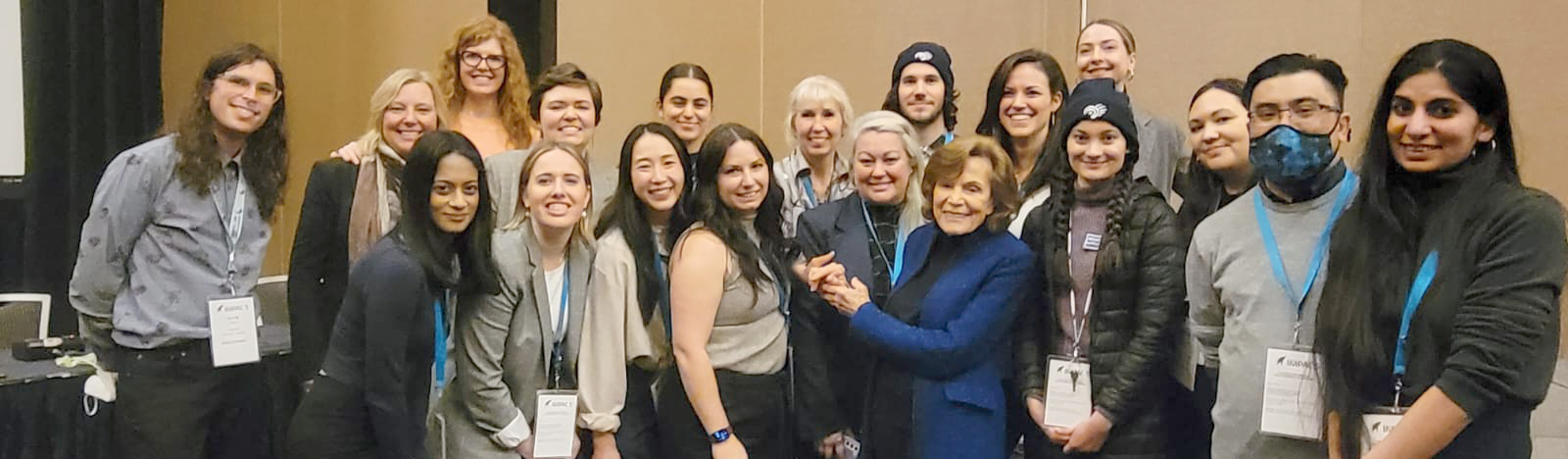
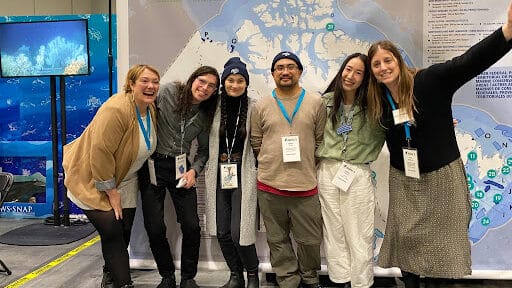
CPAWS-BC ocean conservation team at IMPAC5. (From left to right: Meaghen McCord, Jacob Chila, Alicia Elgert, Carlo Acuña, Debra Sinarta, and Kate MacMillan).
The 5th International Marine Protected Area Congress (IMPAC5) marked my first month working with CPAWS-BC and my first experience attending a Congress of this scale. While these firsts sparked excitement, they simultaneously cast shadows of doubt and nerves. It’s a feeling I know many of my peers experience too. It’s not always comfortable to enter spaces where youth and others haven’t always been invited into or included. I feared being trivial and inconvenient in rooms full of important decision-makers, leaders, and ocean champions who I look up to. I’m happy to say my experience at IMPAC5 proved those apprehensions wrong. In contrast to the pressures of formal meetings and tense negotiations, the congress space welcomed honest conversations and meaningful connections. Day by day, my anxieties lifted and, in turn, uncovered such an empowering and memorable week.
IMPAC5 took place February 5-9, 2023, on the lands and waters of the Coast Salish Peoples in Vancouver. CPAWS-BC’s ocean conservation team joined Indigenous knowledge holders, policymakers, scientists, youth, and community leaders for a week of expert presentations, workshops, family festival activities, and critical conservation commitments. The perspectives and collective voices of the global ocean community helped shape a bright path toward advancing marine conservation both here in BC and beyond.
Here are three highlights from my time at IMPAC5:
1. Celebrating Conservation Wins!
Marine conservation work fully embodies the sentiment, “it’s a marathon not a sprint”. It can take years, sometimes decades, of planning and meaningful consultation before introducing a new marine protected area (MPA) in BC. At IMPAC5, we had the special opportunity to celebrate several exciting announcements:
These milestones signal a hopeful course toward stronger ocean protection. We’re celebrating these ‘wins’ thanks to the leadership of Indigenous Nations, collaboration between governments, and community voices like you who took action to speak up for the ocean we love and depend on. I’m encouraged by the work that’s been done and feel motivated that together we can move forward on these commitments.
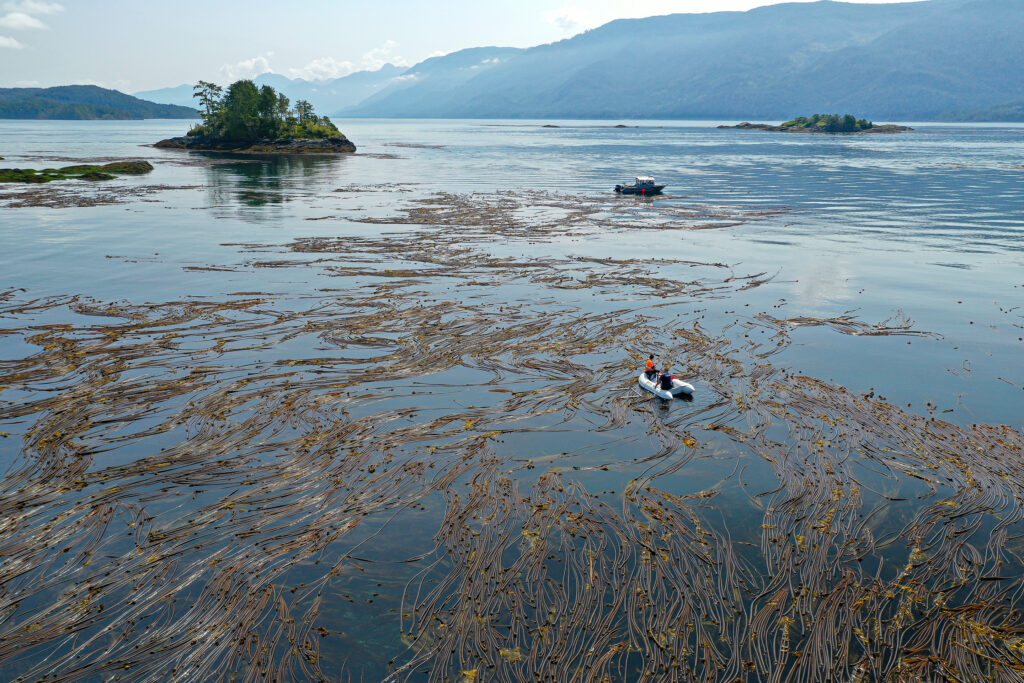
Photo by Markus Thompson, Thalassia Environmental
2. Reflecting on JEDI Knowledge-Sharing Sessions
Each day at IMPAC5 introduced an incredible series of keynote speakers, symposiums, poster presentations, and knowledge-sharing sessions. The presenters and panellists explored timely themes, including managing MPAs, addressing the climate crisis, and advancing the blue economy. In between jumping from session to session, I found myself especially moved by conversations of justice, equity, diversity, and inclusion (JEDI).
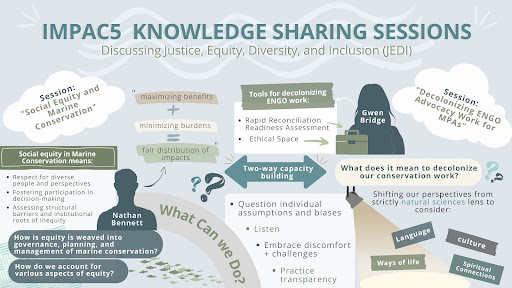
Notes, quotes, and reflection questions I captured from two knowledge-sharing sessions.
I enjoyed the “Social Equity and Marine Conservation” session with Nathan Bennett, Aulani Wilhelm, Natalie Ban, Danika Klieber, María José Barragán, Elise Huffer, and Philip Akins. The panellists shared valuable insight and guidance on how organizations can equitably pursue marine conservation. Our conversation highlighted the gaps and structural barriers to integrating equity in conservation actions while envisioning ways to spotlight the human dimensions of marine conservation.
Kate MacMillan, Ocean Conservation Manager (CPAWS-BC), joined Natalie Groulx (CPAWS), Véronique Bussière (CPAWS/SNAP-QC) and Gwen Bridge to unpack how and what it means to decolonize conservation and advocacy work within the environmental non-governmental organizations(ENGOs). This session was a meaningful opportunity to reflect as an organization and exchange perspectives with other ENGOs around the world.
3. IMPAC5 Ocean Fest: Clay Herring Workshop with Clare Wilkening
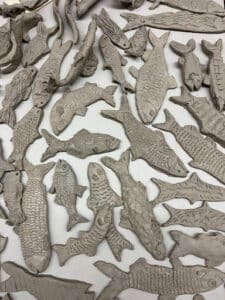
Clay herring creations made by participants at the workshop.
While sessions were happening inside, IMPAC5 Ocean Fest also turned up across Downtown Vancouver. CPAWS-BC hosted a series of events, including a Speaker Series, an interactive Festival Tent, and a photo contest. Our final Ocean Fest event was a ceramic clay herring workshop at the Massy Art Gallery led by local ceramic artist, Clare Wilkening.
This workshop was a welcomed break from the buzzing conference, and a perfect excuse to get my hands dirty. Artists, scientists, families, and community members filled the space. A calming and grounding energy filled the room. Together, we spent the afternoon molding clay herring—each uniquely beautiful— and sharing chatting about artistic practices, community, and conservation. There are deep connections between art and conservation. Bridging these parallels can be a powerful tool to convey important messages of biodiversity loss, evoke feelings of empathy towards nature, and catalyze action for conservation issues.
The clay creations from this workshop will find a home in Clare’s upcoming art installation that celebrates the importance of herring.
Coming out of IMPAC5, I feel heartened and encouraged by our new and renewed commitments to implementing stronger protection standards for MPAs. I’m hopeful that by working together with Indigenous leadership and supporting Indigenous-led conservation efforts, Canada can protect 30% of the ocean by 2023 and more. Everyone has a voice of belonging in shaping the future. And while it’s important to diversify the voices in the room, the voices outside count too. I’m excited to dive deeper into my staff role and build a global network of ocean protection.
The CPAWS-BC’s ocean team will continue doing what we do best. We’re focusing on the best ways to support Indigenous partners as they chart a new path forward for land and water conservation on their territories. We’ll keep bringing our extensive expertise in science communication, map-making and GIS analysis, and community engagement to local areas where big conservation gains are possible. With your continued support, we’ll amplify the stories and voices of people protecting nature in every corner of the province and all along the coastline.
We can’t do this without you. It’s more important than ever that your voice for nature is included in decision-makers’ vision for the future. With your support, we’ll work to ensure these commitments for ocean conservation are fulfilled.
– Will you join me?Subscribe for the latest action alerts, conservation news, events and more right to your inbox.
The 2023 BC Budget was released on Tuesday, February 28. In the weeks leading up to the budget announcement, BCer’s sent messages to BC leaders urging them to increase funding for nature protection. While nature didn’t see the big boost we all hoped for, CPAWS-BC welcomes the positive moves for BC’s parks and the coast.
The budget sets out a vision for collaborative stewardship of lands, waters and marine ecosystems. We’re excited to see the budget build on BC’s recent policy commitments and IMPAC5 announcements to prioritize ecosystem health, protect 30% of lands by 2030 and advance Indigenous-led conservation.
Want to know how the new budget will invest in lands, waters and ocean conservation action in BC?
Here are our top 10 nature notes in the BC Budget:
1) More funding for parks and recreation: $101 million will be provided to BC Parks and Recreation Sites and Trails over three years for capital and operating expenses. This means your favourite parks, trails and campsites will get the funding support they need to protect nature and be more accessible.
2) Co-developing an Indigenous Guardians training program: As part of a $480M three-year skills training plan, funding will be provided to support new Guardian training programs. This will be co-developed with Indigenous Peoples. Indigenous Guardians are the “eyes and ears on the ground” in traditional territories, honouring their stewardship responsibilities and strengthening the protection of land and waters across BC.
3) A commitment to implement the Together for Wildlife Strategy: This strategy aims to advance wildlife and habitat stewardship across BC in partnership with Indigenous Nations. BC has a wealth of biodiversity and this plan recognizes the need for a collaborative, adaptive approach to managing wildlife and habitat.
4) Additional regional Forest Landscape Planning tables: $21 million will be provided over three years to establish eight more regional Forest Landscape Planning tables to expand on the existing four. Forest Landscape Planning tables will be led by the province in partnership with Indigenous Nations to engage stakeholders and local community members. This builds on a suite of recently announced changes to shift forest management in BC to better prioritize ecosystem health, community resiliency and Indigenous values.
5) Jumpstarting a Watershed Security Fund: $100 million will go towards improving watershed security in BC by implementing a Watershed Security Fund. Watershed security is vital for strong communities and ecological health. Clean water is a growing concern within communities on the frontlines of climate change and extreme weather events. Healthy watersheds support climate resilience, reconciliation, local economies and all walks of life.
Photo by Lichen, Troy Moth on Nuchatlaht Traditional Territory.
6) Further investment in land-use planning: BC’s land-use planning budget received a slight boost to advance the modernizing of land-use planning and policy, in partnership with Indigenous Peoples. Additional resources will be necessary to reach the commitments to protect 30% of lands by 2030 and paradigm-shifting approaches to land and resource management are reaffirmed in the budget.
7) More funding for First Nations agreements: Nearly $75 million dedicated to supporting reconciliation initiatives with First Nations including the development of clean energy and natural resources, land purchases and emergency management. This investment bolsters efforts to support Indigenous management of their Traditional Territories and is key to the province’s commitment to protecting 30% of lands by 2030.
8) Additional financial investment in water, fisheries, and coastal policy and planning: The province has allocated $10,355,000 for water, fisheries, and coastal policy and planning, which is a slight increase from the 2022/2023 budget of $7,917,000. The exact distribution of this funding to the different programs is unknown, but CPAWS-BC supports an increase in financial investment towards marine conservation, planning, and stewardship in partnership with Indigenous Nations. The following initiatives are included in this boost:
9) Coastal Marine Strategy: The first BC Coastal Marine Strategy will be a cohesive plan co-developed with Indigenous Nations to ensure the health of marine ecosystems and coastal communities. The conservation outcomes of the Coastal Marine Strategy will reflect efforts to strengthen other provincial natural resource management strategies, such as the Watershed Security Strategy and Wild Salmon Strategy.
“We’re happy with the progress to co-develop the Coastal Marine Strategy, and the announcement today signals that the province remains committed to continuing this important work, ” said Kate MacMillan, Ocean Conservation Manager with CPAWS-BC. “We hope that once the strategy is completed, there will be a continued investment to ensure its delivery. We need to care for marine waters, to support thriving, healthy marine ecosystems and coastal communities for future generations.”
10) Marine Plan Partnership and the Great Bear Sea Marine Protected Area Network: BC and coastal First Nations are leading the Marine Plan Partnership and the implementation of Canada’s first Marine Protected Area Network in the Great Bear Sea. As of February 6, 2023, the implementation of the new MPA Network is within sight. Permanent protections here on the North and Central coasts will benefit marine life and communities now, and forever
Is the 2023 BC Budget everything we hoped for? Not quite, but it sets the stage for a vision we can build on.
It will take all of us together, to secure meaningful protections for nature on the path to 30×30. Thanks for adding your voice to the movement.
–
Take Action! Add your comments to the BC Coastal Marine Strategy questionnaire before April 14, 2023. Your feedback is important and will help shape a healthy coast for future generations.
For interviews, please contact: Skye Vallance – A/Communications Manager, CPAWS-BC skye@cpawsbc.org 604-685-7445 x 22
CPAWS-BC welcomes BC Budget conservation vision, BC Parks and coastal boost
Xʷməθkʷəy̓əm (Musqueam), Sḵwx̱wú7mesh (Squamish) and səlilwətaɬ (Tsleil-Waututh) Territories / Vancouver, BC – The Canadian Parks and Wilderness Society – British Columbia (CPAWS-BC) welcomes today’s crucial budget increase for BC Parks alongside continued investment in the Marine Coastal Strategy and land use planning. The BC Budget emphasizes a positive vision for the collaborative conservation of lands, waters and coastal communities.
“BC has committed to important conservation goals – such as protecting 30% of lands by 2030 – and this budget comes as a signal of hope for the path ahead. Continued investment and resources will be needed to reach these commitments, and work towards effectively protecting lands and waters in partnership with Indigenous Peoples,” said Tori Ball, Terrestrial Conservation Manager with CPAWS-BC.
Today’s budget announcement includes further investments for BC marine conservation. This funding maintains BC’s commitment to co-develop a Coastal Marine Strategy with Indigenous Nations by 2025 and realize Canada’s first marine protected area network for the Great Bear Sea along the Central and North Coasts.
“We’re happy with the progress to co-develop the Coastal Marine Strategy, and the announcement today signals that the province remains committed to continuing this important work, ” said Kate MacMillan, Ocean Conservation Manager with CPAWS-BC. “We hope that once the strategy is completed, there will be a continued investment to ensure its delivery. We need to care for marine waters, to support thriving, healthy marine ecosystems and coastal communities for future generations.”
This budget outlines a continued commitment to safeguard vital ecosystems and prioritize meaningful engagement with Indigenous Peoples, but it falls short of the sizable increase that many conservation groups were hoping for to accelerate climate and biodiversity action. Additional funding to support the protection and stewardship of lands is expected from an upcoming Nature Agreement with the federal government.
“A significant increase to the BC Parks and recreation budget will support beloved trails and campsites, and increase accessibility for people to connect with the lands and waters that make BC unique,” continued Ball. “Safe access to nature is integral to our well-being, as highlighted throughout the pandemic, and it’s encouraging to see this investment prioritized.”
Investing in nature is a direct investment in the well-being of communities and wildlife across BC. The 2023 BC Budget builds on recent policy and funding commitments to prioritize ecosystem health across the province, advance Indigenous-led conservation, and safeguard biodiversity for generations to come.
-30-
For interviews, please contact: Skye Vallance – A/Communications Manager, CPAWS-BC skye@cpawsbc.org 604-685-7445 x 22
About CPAWS-BC The Canadian Parks and Wilderness Society – British Columbia (CPAWS-BC) is part of one of Canada’s oldest non-profit conservation groups. We protect wilderness in every corner of BC and deep into the ocean. We have been defending BC since 1978, and are dedicated to keeping BC’s natural environment thriving forever. Our work to safeguard large parks, protected areas and wildlife corridors has been instrumental in protecting precious places across the province.
We use cookies and other similar technologies such as pixels and web beacons (“Cookies”) for various purposes, such as to ensure our website functions properly, enhance your browsing experience by remembering your preferences and provide personalized content and advertisements.
Functional
Always active
The technical storage or access is strictly necessary for the legitimate purpose of enabling the use of a specific service explicitly requested by the subscriber or user, or for the sole purpose of carrying out the transmission of a communication over an electronic communications network.
Preferences
The technical storage or access is necessary for the legitimate purpose of storing preferences that are not requested by the subscriber or user.
Statistics
The technical storage or access that is used exclusively for statistical purposes.The technical storage or access that is used exclusively for anonymous statistical purposes. Without a subpoena, voluntary compliance on the part of your Internet Service Provider, or additional records from a third party, information stored or retrieved for this purpose alone cannot usually be used to identify you.
Marketing
The technical storage or access is required to create user profiles to send advertising, or to track the user on a website or across several websites for similar marketing purposes.