CPAWS-BC welcomes forest policy changes, hopeful conservation and ecosystem health will be prioritized
Wednesday, February 15, 2023
Traditional unceded Coast Salish Territory / Vancouver, BC – The Canadian Parks and Wilderness Society – British Columbia (CPAWS-BC) is welcoming new measures announced to protect old growth forests and expedite conservation across BC. New forest policy changes announced by Premier David Eby and Minister of Forests Bruce Ralston signal hope that forest management in BC will prioritize ecosystem health, biodiversity and Indigenous values.
“BC has made ambitious commitments to protect biodiversity and shift the way that resources are managed in the province, and today’s announcement gives the conservation community a welcomed signal that Premier Eby’s government will follow through,” said Tori Ball, Terrestrial Conservation Manager for CPAWS-BC.
The announcement includes several key measures and reaffirms commitments that will advance forest conservation, including:
Removing problematic wording in the Forest and Range Practices Act which hampered wildlife and habitat protections by requiring them to go forward “without unduly reducing the supply of timber from British Columbia’s forests”;
$25M for new Forest Landscape Planning (FLP) to support eight regional tables that will include local knowledge and community priorities, including approximately 50 First Nations, to guide forest management on the ground;
Creating a new conservation financing mechanism to leverage philanthropic funding to support the protection of lands, waters and biodiversity;
Implementing the Old Growth Strategic Review and the creation of a parallel action plan, in collaboration with First Nations.
“Forest ecosystems in BC have long been prioritized solely for their timber value over the cultural, ecological and carbon values that they hold,” continued Ball. “Our ancient forests host irreplaceable ecosystems and spiritual significance, and immediate action is needed to expedite their protection before they are lost forever.”
In December 2022, Premier Eby announced BC’s commitment to protect 30% of lands by 2030, including Indigenous Protected and Conserved Areas (IPCAs). These announcements show a commitment to protecting nature across BC while bolstering Indigenous rights to land and culture, and accelerating action on climate change.
“Biodiversity is the backbone that our communities, economies and climate rely upon,” said Ball. “While we welcome these signals, there is still work to be done to make sure these policies create meaningful action to prioritize ecosystem health on lands and waters across BC.”
— 30 —
For interviews, contact:
Tori Ball, Terrestrial Conservation Manager, CPAWS-BC tori@cpawsbc.org | 604-685-7445 x24
About CPAWS-BC
The Canadian Parks and Wilderness Society – British Columbia (CPAWS-BC) is part of one of Canada’s oldest non-profit conservation groups. We protect wilderness in every corner of BC and deep into the ocean. We have been defending BC since 1978, and are dedicated to keeping BC’s natural environment thriving forever. Our work to safeguard large parks, protected areas and wildlife corridors has been instrumental in protecting precious places across the province.
February 07, 2023
CPAWS-BC Celebrates Tang.ɢwan — ḥačxʷiqak — Tsig̱is Marine Protected Area Announcement at IMPAC5
Xʷməθkʷəy̓əm (Musqueam), Sḵwx̱wú7mesh (Squamish) and səlilwətaɬ (Tsleil-Waututh) Territories / Vancouver, BC – The Canadian Parks and Wilderness Society – British Columbia (CPAWS-BC) celebrates the memorandum of understanding (MOU) between the Haida Nation, Nuu-chah-nulth Tribal Council, Pacheedaht First Nation, Quatsino First Nation, and the Canadian government for the Tang.ɢwan — ḥačxʷiqak — Tsig̱is Marine Protected Area (MPA), announced today at the 5th International Marine Protected Area Congress.
“The signing of this MOU is an important step toward protecting this region, which is spiritually and culturally significant for the partner Indigenous Nations,“ said Kate MacMillan, Ocean Conservation Manager. “This agreement could be used as a template for future MOUs that partner First Nations and the federal government for conservation.”
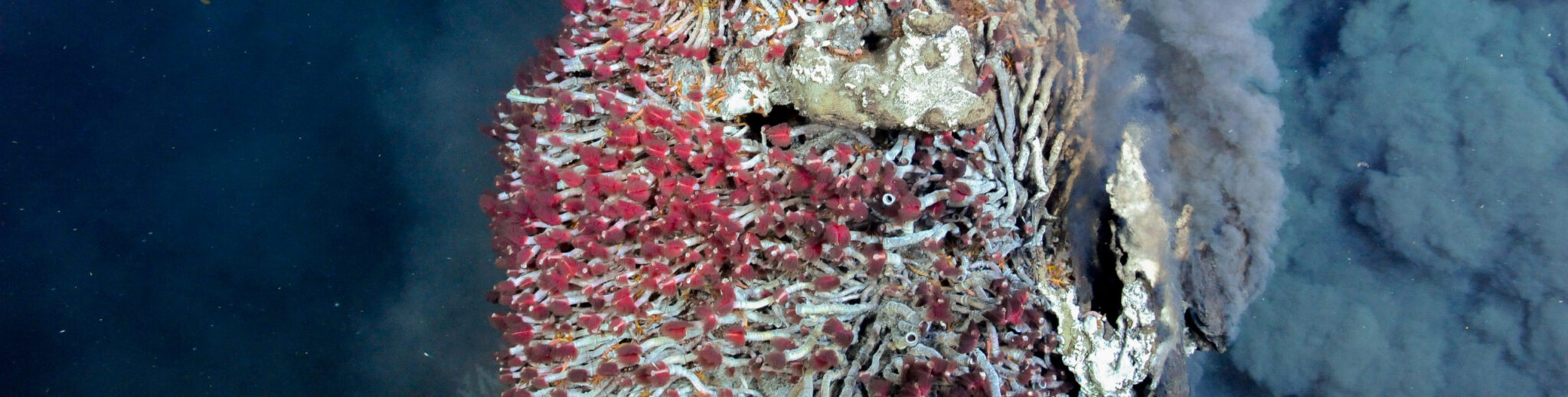
The Tang.ɢwan — ḥačxʷiqak — Tsig̱is MPA will cover 133,000 square kilometres, an area four times the size of Vancouver Island. The Endeavour Hydrothermal Vents MPA, now contained within Tang.ɢwan — ḥačxʷiqak — Tsig̱is was originally protected in 2003. This marked the first time Canada used the Oceans Act for MPA designation purposes. Now, twenty years later, more of this deepsea oasis that includes more hydrothermal vents and towering seamounts will be protected.
“These underexplored ecosystems, three kilometres beneath the ocean surface, are likely home to marine life found nowhere else in the world,” says MacMillan.
Since 2017, a large portion of the Tang.ɢwan — ḥačxʷiqak — Tsig̱is MPA footprint was closed to fishing and contributed to Canada’s 30 percent ocean protection target as an Other Effective Conservation Measure (OECM).
Once this MPA is legislated, Canada’s strict minimum protection standards will be applied, meaning bottom-trawling, dumping, oil and gas activities, and deep-sea mining will be prohibited. This will lead to stronger protection for this unique, deep-sea ecosystem.
”When the assessment tool MPA Guide was applied to the five existing Ocean Act MPAs, more than 60 percent of BC’s marine protected area waters are not effective at protecting biodiversity. We need these minimum standards applied to all new and existing MPAs to safeguard biodiversity and fight climate change.” says MacMillan.
CPAWS-BC and other conservation organizations have supported this work over the past few years. We congratulate the four First Nations for their leadership throughout this process, as well as the federal government, all stakeholders, and communities. CPAWS-BC looks forward to continuing to support the establishment to protect this important part of the ocean with a collaborative management structure.
Public consultation on the draft regulations, published in Canada Gazette 1, will begin on February 18, 2023, and extend for 30 days.
Kate MacMillan Ocean Conservation Manager, CPAWS-BC
Government of Canada and coastal First Nations announce progress to protect a large ecologically unique ocean area off the Pacific West Coast. Nuu-chah-nulth Tribal Council, Council of the Haida Nation, Pacheedaht First Nations, Quatsino First Nation, with Fisheries and Oceans Canada. Feb 07. 2023. News release. https://nuuchahnulth.org/sites/default/files/news/NR__ThT_IMPAC5.pdf
Backgrounder: Tang.ɢwan – ḥačxʷiqak – Tsig̱is Marine Protected Area. Fisheries and Oceans Canada. Feb 07, 2023. Retrieved from: https://www.canada.ca/en/fisheries-oceans/news/2023/02/tangwan–hacxwiqak–tsigis-marine-protected-area.html
CPAWS-BC Celebrates the Endorsement of the Marine Protected Area Network Action Plan Announced at IMPAC5
Xʷməθkʷəy̓əm (Musqueam), Sḵwx̱wú7mesh (Squamish) and səlilwətaɬ (Tsleil-Waututh) Territories / Vancouver, BC – The Canadian Parks and Wilderness Society – British Columbia (CPAWS-BC) congratulates First Nations, federal and provincial partners on announcing the endorsement of the Marine Protected Area (MPA) Network Action Plan for the Great Bear Sea at the 5th International Marine Protected Area Congress on February 5, 2023.
“After years of supporting this important initiative we’re thrilled to witness this announcement and critical milestone in the journey of the MPA network,” said Meaghen McCord, CPAWS-BC Executive Director, “endorsement of the Action Plan is the much-needed green light to now establish a network that includes new protected areas and stronger protection for some existing sites.”
The Great Bear Sea, also known as the Northern Shelf Bioregion, is a vast ocean area off the BC coast. The Great Bear Sea hugs the shores of the Great Bear Rainforest, starting at the northern tip of Vancouver Island, along the Central and North Coasts, and encompassing Haida Gwaii. This region is home to culturally and ecologically important wildlife, including humpback whales, sea otters, herring, salmon, and glass sponge reefs, and is central to the cultures and economies of communities who live there. The marine ecosystems along the coast have been protected and cared for by First Nations for millennia.
Previous delays in the establishment of the MPA Network have meant that overall ecological health and species population numbers have continued to decline. Federal and Indigenous governments were required to establish new fishing closures throughout the region to protect dwindling stocks, and climate change – resulting in devastating marine heatwaves – has exacerbated this.
Discussions and work to establish an MPA Network in this region have been underway for many years. Led by First Nations, in partnership with the Canadian and BC governments, this collaboration has created a conservation plan to protect the coastal ecosystems that communities depend on. Over the years, this plan has been shaped by frequent and detailed consultation with communities and stakeholders.
“Evidence clearly shows that Indigenous-led, strongly protected and effectively managed MPAs have many benefits for people, biodiversity and ecosystems,” says McCord.
Once completed, the MPA Network will cover around 30,000 km2. This Indigenous-led plan, which weaves Indigenous knowledge systems and western science, creates a pathway for future MPA network processes and is set to become a globally recognized initiative. CPAWS-BC congratulates First Nations for their leadership in the MPA Network process, as well as federal and provincial governments, and all stakeholders and communities involved to date. We look forward to continuing this work together, ensuring the health of these waters for generations to come.
Meaghen McCord CPAWS-BC Executive Director
For direct inquires about the MPA Network, please contact:
Bessie Brown – Communications Manager, Coastal First Nations – Great Bear Sea Initiative bbrown@coastalfirstnations.ca 604-696-9889
For all other inquiries: Skye Vallance – Communications Manager (Acting), CPAWS-BC skye@cpawsbc.org 604-685-7445 x 22
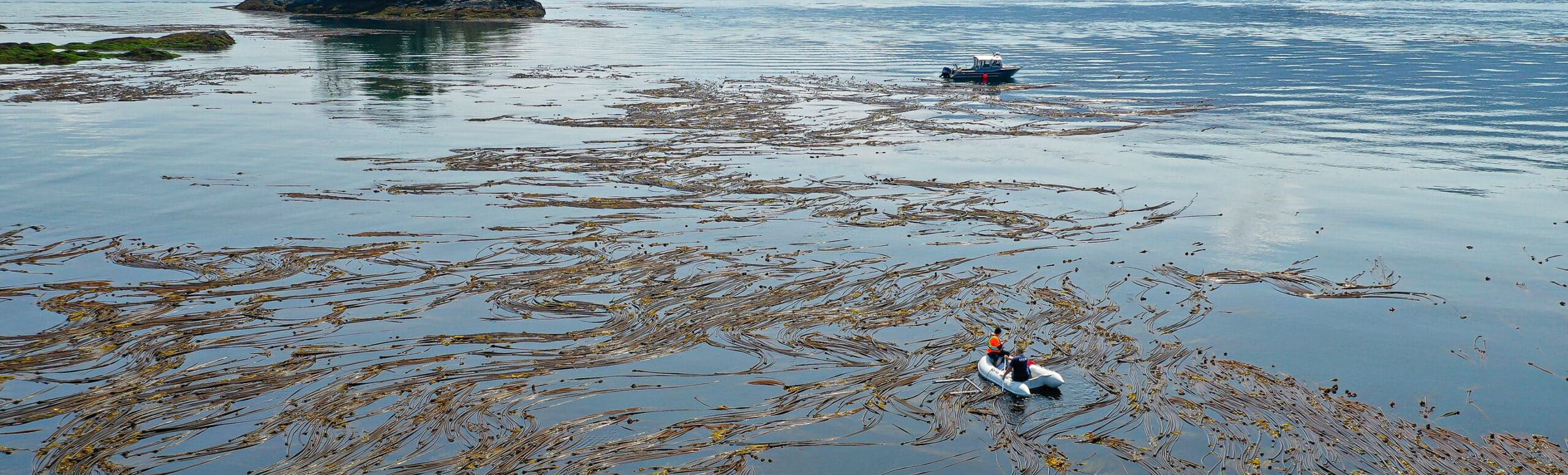
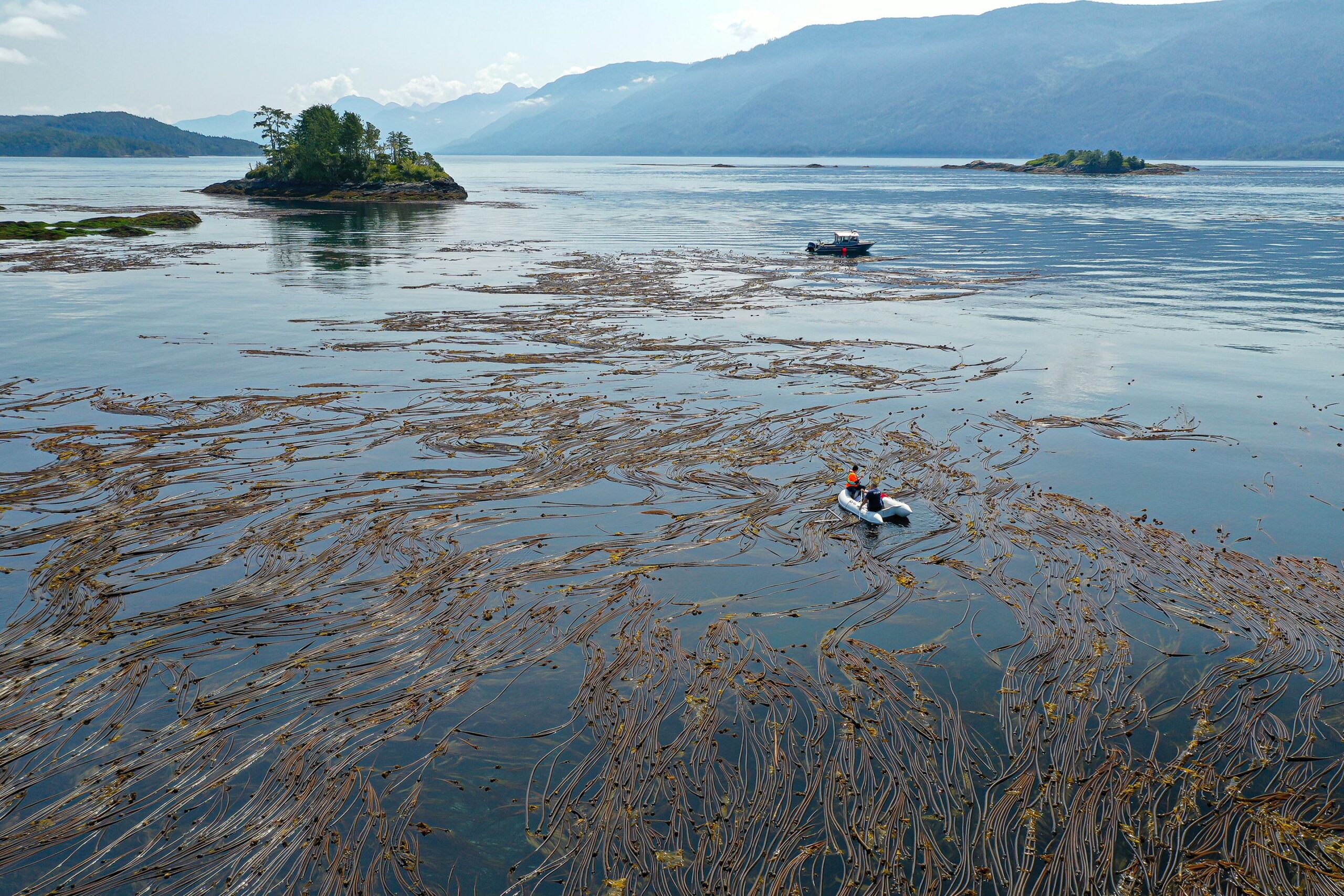
Photo: Mama Inlet by Markus Thompson, Thalassia Environmental
January 26, 2023
Unceded Coast Salish Territory / Vancouver, BC – The Canadian Parks and Wilderness Society – British Columbia (CPAWS-BC) joins Taku River Tlingit First Nation in celebrating the Declaration of an important new protected area in their traditional Territory.
Located in the far northwestern corner of BC is the sprawling Taku watershed, a biodiverse ecosystem that sustains five species of Pacific salmon and a vibrant network of life. The T’akú Tlatsini Indigenous Protected and Conserved Area (T’akú IPCA) will encompass 60 percent of the Taku River system to preserve critical landscapes, and the remaining 40 percent will be in specially managed landscapes.
“This Declaration is an example of how Indigenous-led conservation is at the forefront of work to halt and reverse biodiversity loss,” says Meaghen McCord, Executive Director CPAWS-BC. “Support for IPCAs are an important opportunity for BC to honour Indigenous rights, further reconciliation efforts and are central to the province’s commitments to protect 30% of land by 2030.”
The Taku is the largest fundamentally intact watershed on the Pacific Coast of North America and CPAWS has long recognized its significance and supported additional measures to protect it. The inclusion of diverse and critical habitats within the T’akú IPCA, including lush valley bottom wetlands, important salmon streams, and high elevation caribou range, is a testament to their ongoing and longstanding stewardship.
CPAWS-BC Terrestrial Conservation Manager Tori Ball adds: “We fully support the Taku River Tlingit and urge the Government of BC to recognize that the T’akú IPCA hits the mark in safeguarding a range of species and ecosystems and, very importantly, protection of Lingit Kusteeyí (Tlingit way of living).”
Congratulations to Taku River Tlingit First Nation on the Declaration of the T’akú IPCA.
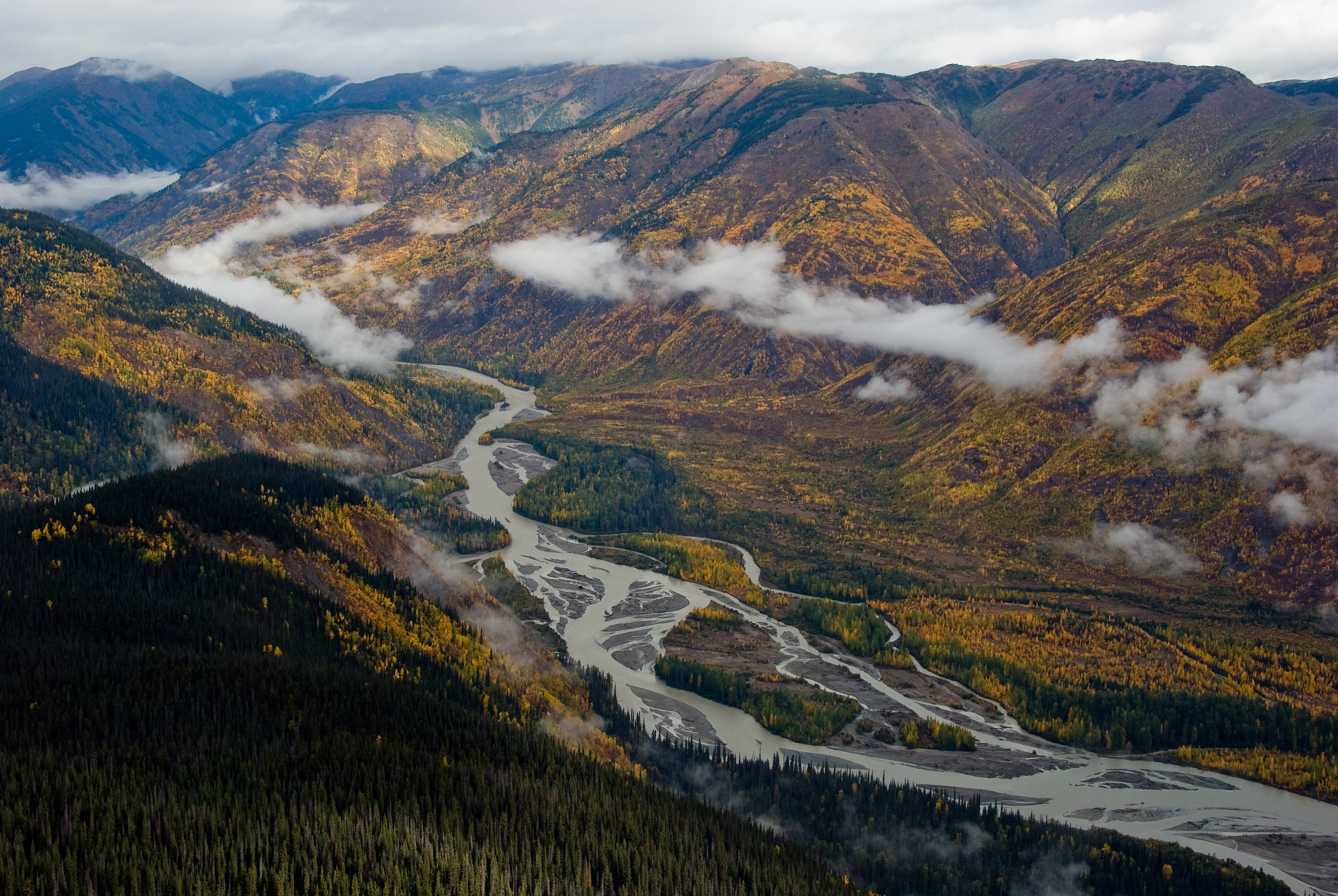
Main photo: View north on Inklin River, just below Sutlahine confluence in Northern British Columbia
CPAWS-BC celebrates steps towards facilitating Indigenous land stewardship and increasing land protection in BC.
18 January 2022Xʷməθkʷəy̓əm (Musqueam), Sḵwx̱wú7mesh (Squamish) and səlilwətaɬ (Tsleil-Waututh) Territories / Vancouver, BC— The Canadian Parks and Wilderness Society – British Columbia (CPAWS-BC) celebrates a new partnership approach between Blueberry River First Nations and British Columbia to uphold Treaty 8 rights and protect lands and waters within Suunéch’ii Kéch’iige, “The Place Where Happiness Dwells”. The Blueberry River First Nations Implementation Agreement is an important step toward facilitating Indigenous land stewardship, recognizing Indigenous rights, and increasing land and biodiversity protection in BC.
Northeastern British Columbia has been significantly impacted by development activities such as oil and natural gas extraction and forestry. This agreement will help prevent and reverse biodiversity loss through improved land use planning and restoration.
“Lands managed by Indigenous Peoples are known to have the highest levels of biodiversity. We’re excited about an increase in protected areas in BC, especially with Indigenous stewardship at the forefront,” says Meaghen McCord, Executive Director with CPAWS-BC.
This agreement is a response to the BC Supreme Court (Yahey) decision made on June 29, 2021, which stated the Province is required to protect the constitutional rights of Blueberry River First Nations and better manage the cumulative effects of industrial development on Blueberry River First Nations Treaty rights.
Collaborative land use planning detailed in this agreement identifies new areas for protection from logging, implements restrictions on oil and natural gas development in Blueberry Rivers’ Claim Area, and details an ambitious timeline for implementation. New land protections that value ecosystem health over natural resource extraction will advance BC’s commitment to protecting 30 percent of lands by 2030. The increase in protected areas and an ecosystem-based management approach will help safeguard biodiversity and species at risk.
The agreement includes new funding to restore a more intact and diverse forest with native plants. Indigenous knowledge and western science will be brought together in wildlife monitoring and management, with a focus on moose and caribou population recovery. Restoration to heal the land, and co-management of wildlife will ensure healthy ecosystems for future generations.
“Indigenous Peoples have stewarded rich and healthy landscapes since time immemorial. We hope this new partnership approach in land use planning will help fast track a pathway for creating new, and recognizing already declared, Indigenous Protected and Conserved Areas (IPCAs) in BC.” says Meaghen McCord, Executive Director.
This agreement is great news for the modernization of land-use planning and shared decision-making in BC that recognizes Indigenous rights and responsibilities and considers cumulative effects. We congratulate Blueberry River First Nations and the Province on this important agreement.
The CPAWS British Columbia chapter (CPAWS-BC) works to protect wilderness in every corner of BC and deep into the ocean. We have been defending BC since 1978, and are dedicated to keeping BC’s natural environment thriving forever. Nature is BC’s best hope.
CPAWS-BC celebrates a commitment to protecting 30% by 2030 and advancing Indigenous Protected and Conserved Areas in BC
CPAWS-BC applauds provincial direction to protect 30% of land by 2030
December 8, 2022,traditional unceded Coast Salish Territory/Vancouver, British Columbia — The Canadian Parks and Wilderness Society, British Columbia (CPAWS-BC) is celebrating the Government of BC’s move to take major action on conservation by protecting 30% of lands by 2030 and advancing Indigenous Protected and Conserved Areas (IPCAs). This crucial direction was set through the mandate letter from the Premier to the new Minister of Water, Land and Resource Stewardship, Nathan Cullen, and makes BC the second province in Canada to make this commitment.
“With this direction, BC is investing in our future, and protecting the natural world that provides our food, clean water, clean air and stable climate,” says Tori Ball, Terrestrial Conservation Manager with CPAWS-BC. “Protected areas help to mitigate the worst effects of climate change, while contributing to diversified local economies and advancing BC’s reconciliation goals. This is extremely good news for all British Columbians.”
“We are very happy to see the Government of BC remains committed to protecting our coastal marine ecosystems in this mandate too,” says Kate MacMillan, Ocean Conservation Manager for CPAWS-BC. “This is good for marine life and also safeguards the livelihoods of those living there. A healthy ocean is good for nature, and for BC’s economy.”
Existing protected area proposals and IPCA declarations add up to nearly 100,000 square kilometres, covering two and a half times the landmass of Vancouver Island.
“BC is the most biologically diverse province in Canada,” says Ball. “The new mandate letter shows support for work that is already underway to halt and reverse biodiversity loss here in BC . Protecting 30% by 2030, supporting IPCAs, developing a biodiversity law as a key recommendation from the Old Growth Strategic Review – this is all good news for our land, waters and wildlife.”
Indigenous Nations in the province are already leading the way through conservation visions, declarations and stewardship initiatives in their traditional territories. Ball says she is hopeful the mandate letter will specifically lead to increased action on Indigenous-led conservation proposals such as the Kaska Dena’s Dene K’éh Kusān and the Lower Similkameen’s sməlqmíx Protected Areas.
Research shows that biodiversity thrives on Indigenous-managed lands and waters, and these are just two of the incredible proposals that would safeguard intact watersheds and create refuges for wildlife like caribou and many other species” she says. “Their work allows threatened species to make a comeback, bolsters Indigenous rights to land and culture, and helps the province adapt to a rapidly changing climate, so it must be supported.”
The announcement comes during the Fifteenth Conference of the Parties (COP15) to the United Nations Convention on Biological Diversity (CBD) in Montreal, and where Ball and MacMillan are attending on behalf of CPAWS-BC alongside Indigenous partners to encourage Canada and the international community to land an ambitious new global deal to save nature, and urge them to support Indigenous Peoples’ land and ocean protection efforts.
-30-
For interviews, contact:
Tori Ball, Territorial Conservation Manager, CPAWS BC tori@cpaws.org | (604) 685-7445 x24
Kate MacMillan, Ocean Conservation Manager, CPAWS BC kate@cpaws.org| ( 604) 685-7445 x 26
About CPAWS-BC:
The Canadian Parks and Wilderness Society (CPAWS) is Canada’s only nationwide charity dedicated solely to the protection of our public land, ocean, and freshwater, and ensuring our parks and protected areas are managed to protect nature. Since 1963, CPAWS has played a leading role in protecting over half a million square kilometers. Our vision is to protect at least half of Canada’s public land and water in a framework of reconciliation – for the benefit of wildlife and people.
The CPAWS British Columbia chapter (CPAWS-BC) works to protect wilderness in every corner of BC and deep into the ocean. We have been defending BC since 1978, and are dedicated to keeping BC’s natural environment thriving forever. Nature is BC’s best hope.
December 1, 2022, traditional unceded Algonquin Territory/Ottawa, Ontario – The Canadian Parks and Wilderness Society (CPAWS) will attend the Fifteenth Conference of the Parties (COP15) to the United Nations Convention on Biological Diversity (CBD) to encourage Canada and the international community to land an ambitious new global deal to save nature. CPAWS is also urging federal, provincial and territorial governments to advance conservation action in Canada by supporting Indigenous Peoples’ land and ocean protection efforts, and developing a comprehensive plan to halt and reverse biodiversity loss in Canada.
“All eyes are on Canada during COP15. We will be there to encourage our federal, provincial, and territorial governments to demonstrate global leadership by advancing actions, commitments, investments, and agreements that make possible our country’s promise to protect at least 30% of land and ocean in Canada by 2030by supporting Indigenous-led conservation.” says Sandra Schwartz, National Executive Director of CPAWS.
As part of its presence at COP15, CPAWS is hosting, co-hosting, or attending a number of events, and focusing on profiling Indigenous-led conservation initiatives. Details are below.
The CPAWS delegation includes representatives from the National office and its 13 regional chapters, as well as representatives of First Nations from across Canada. These delegates will attend meetings with sub-national, national, and international government representatives, organize and participate in panels and events, and meet with other local, regional, national, and global conservation groups. We have spokespeople from the CPAWS delegation including representatives from our national office and chapters across Canada available for media interviews. Our Indigenous partner nations are also available to speak about their exciting projects.
Events:
Date
Event
December 6-8
Conference: Solutions to the Underlying Causes of Biodiversity Loss A side conference, hosted by CPAWS Quebec (SNAP QC) Location: Polyvalente Room, Sherbrooke Pavillon, University of Quebec at Montreal (UQAM) Program Language: Bilingual, simultaneous translation available Registration open to the public
December 7 9:00-10:30 AM
Advancing Indigenous Protected and Conserved Areas on Land and Ocean COP15 side event, co-hosted by CPAWS and the Assembly of First Nations Location: Nature Positive Pavilion Program Language: English Watch the LivestreamOpen to CBD delegates and accredited media
December 7 2:00-3:30 PM
Knowledge-Sharing on Indigenous Protected and Conserved Areas COP15 side event, hosted by CPAWS Location: Canada Pavilion Program coming soon Language: Bilingual, simultaneous translation available Open to CBD delegates and accredited media
December 7 5:00 PM
Indigenous Protected and Conserved Areas Event COP15 side event, co-hosted by CPAWS Quebec Chapter (SNAP QC) and Essipit and Pessimit First Nations Location: Canada Pavilion Language: Bilingual, simultaneous translation available Open to CBD delegates and accredited media
December 9 5:30-7:30 PM
Supporting Indigenous-lead Conservation in Canada CPAWS-hosted reception Location: Intercontinental Hotel Language: Bilingual, English to French simultaneous translation available By Invitation Only
December 10 1:00 PM
March for Biodiversity and Human Rights Jointly organized by CPAWS Quebec Chapter (SNAP QC) and the Quebec Collectif (94 organizations) Location: Statue du Mont-Royal About the MarchAbout the Quebec CollectifOpen to the public
December 14 10:00 AM
Sacred Natural Sites and the Global Biodiversity Framework COP15 side event, co-hosted by CPAWS Quebec Chapter (SNAP QC) and the UAPASHKUSS Innu group Location: Polyvalente Room, Sherbrooke Pavillon, University of Quebec at Montreal (UQAM) Program Language: French Registration open to the public
December 14 6:15 PM
Safeguarding Caribou as Part of Our Web of Relations: A Path to Indigenous Cultural Resilience and the Protection of Indigenous Rights COP15 side event, hosted by CPAWS Quebec Chapter (SNAP QC) Location: Room 514C (Academia and Research) Program Language: French Open to CBD delegates and accredited media
CPAWS is also promoting the Nature Canada Bus Tour, taking place across Canada between November 26 and December 7. The NatureBus has been touring around the country to collect Canadians’ messages of hope for a plan to restore nature. These messages will be delivered to the Prime Minister at COP15 on December 7.
This advisory is available on our media webpage, and will be updated with new information as it becomes available.
Throughout COP15, CPAWS delegates, speakers, and representatives are available for media interviews to comment on events and respond to COP15 or government announcements. Contact information for interested media can be found below.
CPAWS participation at COP15 has been supported with funding from Environment and Climate Change Canada.
– 30 –
About CPAWS
The Canadian Parks and Wilderness Society (CPAWS) is Canada’s only charity dedicated to the protection of public land, freshwater and ocean with a strong national and regional presence across the country. Working in a way that respects the sovereignty and leadership of Indigenous nations, we are focused on conserving nature to respond to the dual crises of accelerated biodiversity loss and climate change. Our vision is that at least half of land, freshwater and ocean in Canada is permanently protected to sustain nature and people for current and future generations. For more information about CPAWS and the work we do to safeguard Canada’s natural heritage, visit cpaws.org. Join our community on Facebook, Twitter, Instagram and LinkedIn. Donate today. Take action.
For more information or to set up an interview, please contact:
Tracy Walden National Director, Communications and Development, CPAWS twalden@cpaws.org 613-915-4857
Jennifer Scott National Manager, Communications, CPAWS jscott@cpaws.org 613-569-7226, ext. 234
Dear Premier Eby, Minister of Lands, Waters and Resource Stewardship Josie Osborne and other key Ministers,
RE: ENGO support for Ashnola sPA
We would like to express our support for the sməlqmíx/Similkameen Peoples, Lower Similkameen Indian Band (LSIB) and the Ashnola sməlqmíx Protected Area (sPA). We urge you to support LSIB in their efforts to secure federal funding through the Indigenous-led area-based conservation program for the implementation of the Ashnola sPA and to respectfully engage with the sməlqmíx/LSIB at a strategic government-to-government level to implement the sPA.
The sməlqmíx, the syilx people of the Similkameen Valley, have conserved and stewarded their traditional territories since time immemorial and continue to exercise their leadership today. The Ashnola sməlqmíx Protected Area encompasses important ecological and cultural areas, including high concentrations of species at risk, which are in need of added protection through sməlqmíx management.
The Ashnola Watershed in its entirety has been declared protected in sməlqmíx/syilx law. The Ashnola River Corridor faces multiple threats – from forestry activity, a surge of mining claims, unauthorized residential development and irresponsible recreational users, while gates block access into the Cathedral Lakes area. These all raise questions about water quality, sməlqmíx access and wildfire management in this critical ecosystem. The Ashnola sPA will provide exceptional habitat connectivity for wildlife movement and connects two provincially significant protected area complexes – Skagit and Manning Provincial Parks with Cathedral Provincial Park and Snowy Protected Area.
The sməlqmíx declaration of protection for the full Ashnola Watershed provides a historic opportunity to advance conservation and reconciliation with the peoples and lands of the Similkameen Valley.
We hope to see BC respectfully engage with the sməlqmíx/LSIB at a strategic government-to-government level, including providing resources, to advance their sməlqmíx Protected Area vision for the Ashnola Watershed and beyond. Doing so is an important opportunity to make good on your commitments under the BC Declaration on the Rights of Indigenous People Act and subsequent DRIPA Action Plan.
Xʷməθkʷəy̓əm (Musqueam), Sḵwx̱wú7mesh (Squamish) and səlilwətaɬ (Tsleil-Waututh) Territories / Vancouver, BC – Another year has passed since the federal government announced that September 30th would be known as the National Day for Truth and Reconciliation. As the second Indigenous Executive Director of CPAWS-BC, I wish to say on behalf of the Board and staff, that CPAWS-BC once again reaffirms our solidarity with Indigenous Peoples in observation of this effort to advance Truth and Reconciliation. With the recent passing of Queen Elizabeth II, we acknowledge that there are many conflicting emotions among Indigenous Peoples regarding how colonization has changed forever the lives of Indigenous Peoples.
The conservation movement itself is part of that history, where even Indigenous People who often did not cede their lands were prohibited from cultural activities within designated parks, such as not being permitted to gather medicines. Thankfully, that has changed for the most part.
We further acknowledge how so many unmarked graves at former residential schools have re-opened wounds. The multi-generational trauma that comes with so many losses in different ways is slowly being healed, but at times there are setbacks. I offer this visual to perhaps help understand trauma: if you had two glasses of water, and you place one inside the other, the water simply will spill out and overflow. That is what happens when Indigenous people experience a new trauma or get a wound reopened: the cup is full and simply spills over.
Healing can and does occur though, and there are many Indigenous and non-Indigenous people actively working to make sure Mother Earth has fewer negative impacts so we can protect biodiversity. CPAWS-BC, in a spirit of allyship, will continue on the path of decolonization to support more Indigenous-led conservation efforts. We offer our support, where needed and sought, to advocate for more parks and protected areas. With our current and hopefully new Indigenous partners, we will bring together both Indigenous knowledge and western science so that lands and waters are not only protected but thrive in healthy ecosystems.
In closing, I am proud to say that CPAWS-BC and its many supporters stand with Indigenous people to heal the past, create a new day, and build a better future that we all can enjoy. We are in this together. I hope all Canadians learn more about the Truth and Reconciliation Commission of Canada (TRC) Calls to Action. The National Centre for Truth and Reconciliation will be broadcasting and live streaming a special one-hour show today titled “Remembering the Children: National Day for Truth and Reconciliation at 10am PT on APTN.
We use cookies and other similar technologies such as pixels and web beacons (“Cookies”) for various purposes, such as to ensure our website functions properly, enhance your browsing experience by remembering your preferences and provide personalized content and advertisements.
Functional
Always active
The technical storage or access is strictly necessary for the legitimate purpose of enabling the use of a specific service explicitly requested by the subscriber or user, or for the sole purpose of carrying out the transmission of a communication over an electronic communications network.
Preferences
The technical storage or access is necessary for the legitimate purpose of storing preferences that are not requested by the subscriber or user.
Statistics
The technical storage or access that is used exclusively for statistical purposes.The technical storage or access that is used exclusively for anonymous statistical purposes. Without a subpoena, voluntary compliance on the part of your Internet Service Provider, or additional records from a third party, information stored or retrieved for this purpose alone cannot usually be used to identify you.
Marketing
The technical storage or access is required to create user profiles to send advertising, or to track the user on a website or across several websites for similar marketing purposes.
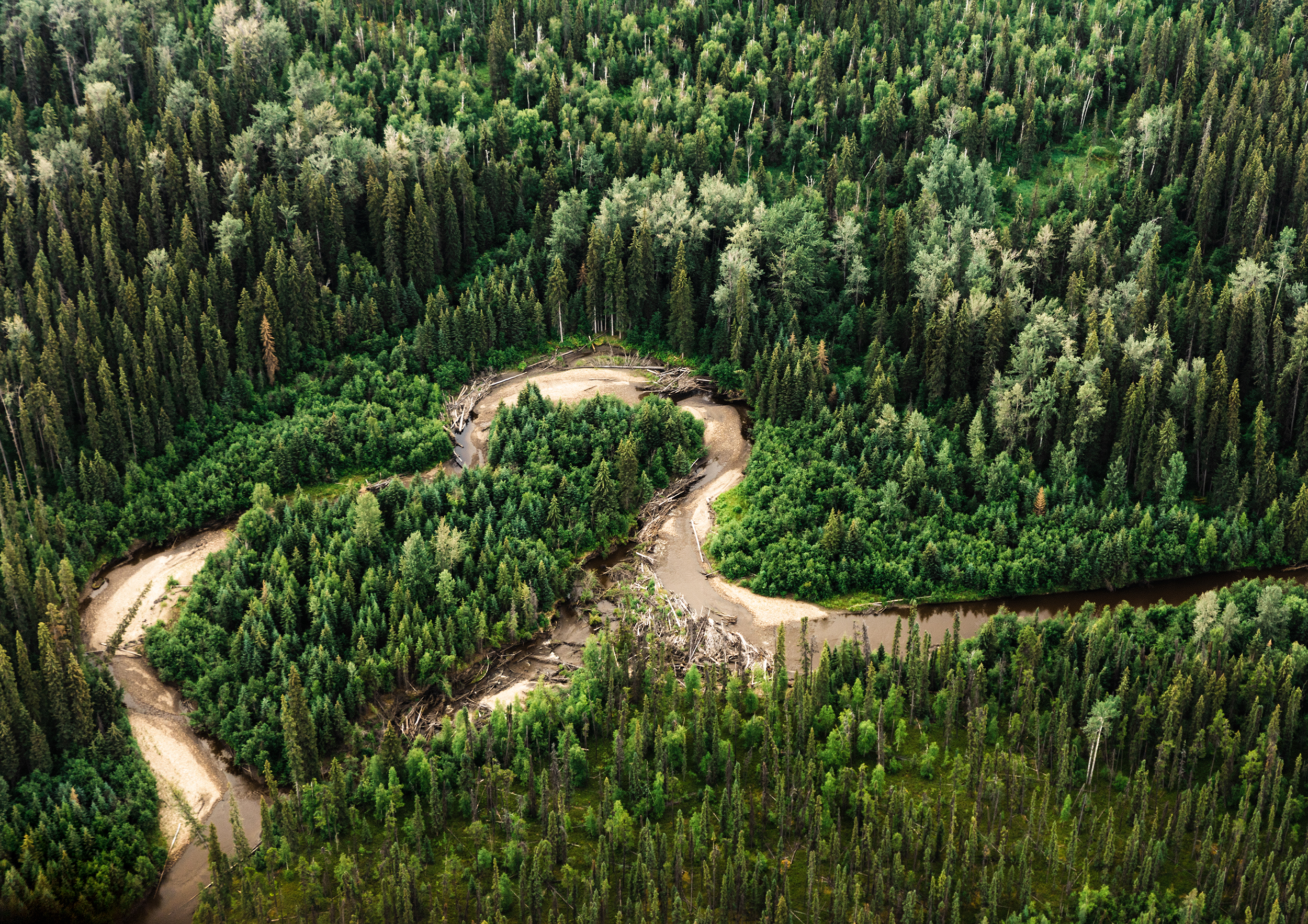
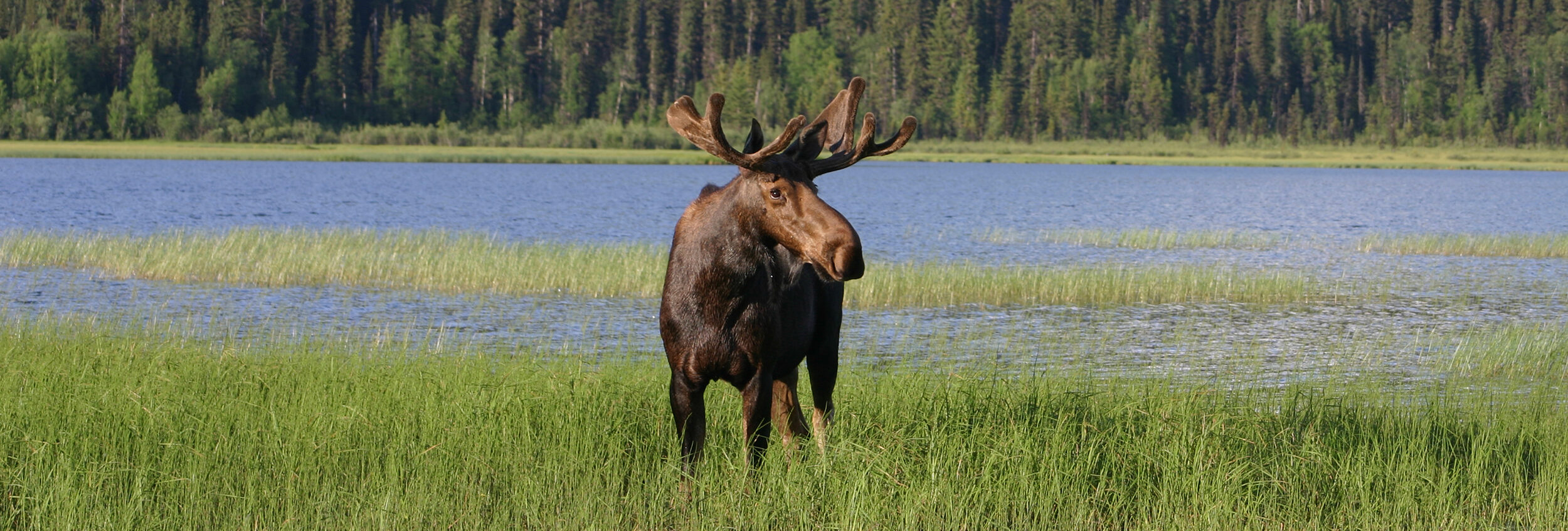
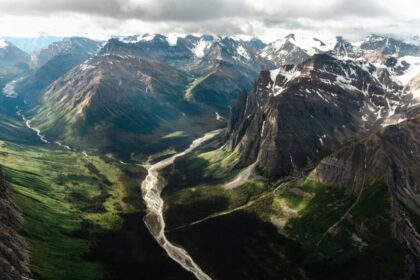 Kaska lands and waters. Photo by Adam Combs.
  CPAWS participation at COP15 has been supported with funding from Environment and Climate Change Canada.