CPAWS-BC Celebrates New T’akú Tlatsini Indigenous Protected and Conserved Area
January 26, 2023
Unceded Coast Salish Territory / Vancouver, BC – The Canadian Parks and Wilderness Society – British Columbia (CPAWS-BC) joins Taku River Tlingit First Nation in celebrating the Declaration of an important new protected area in their traditional Territory.
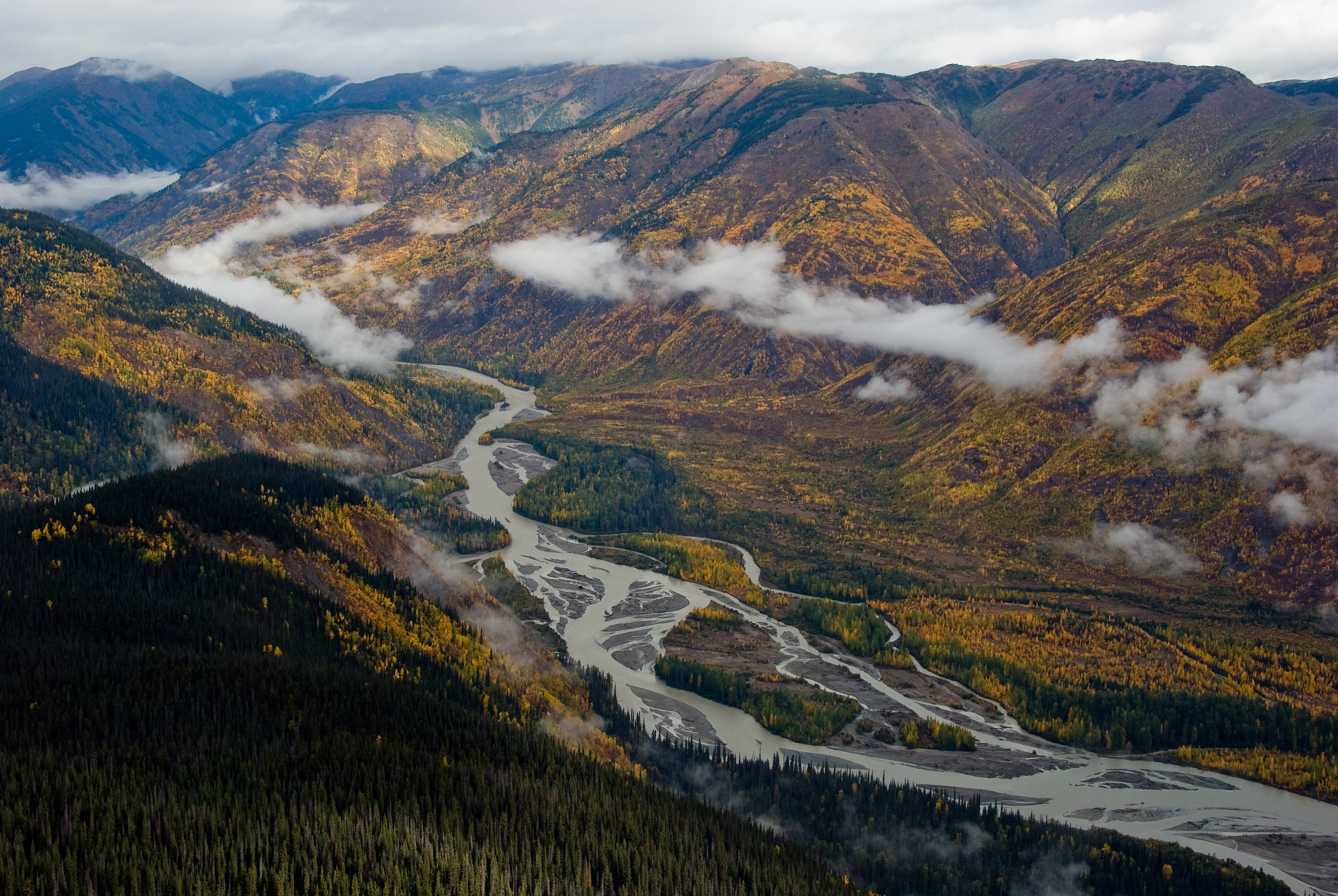
Located in the far northwestern corner of BC is the sprawling Taku watershed, a biodiverse ecosystem that sustains five species of Pacific salmon and a vibrant network of life. The T’akú Tlatsini Indigenous Protected and Conserved Area (T’akú IPCA) will encompass 60 percent of the Taku River system to preserve critical landscapes, and the remaining 40 percent will be in specially managed landscapes.
“This Declaration is an example of how Indigenous-led conservation is at the forefront of work to halt and reverse biodiversity loss,” says Meaghen McCord, Executive Director CPAWS-BC. “Support for IPCAs are an important opportunity for BC to honour Indigenous rights, further reconciliation efforts and are central to the province’s commitments to protect 30% of land by 2030.”
The Taku is the largest fundamentally intact watershed on the Pacific Coast of North America and CPAWS has long recognized its significance and supported additional measures to protect it. The inclusion of diverse and critical habitats within the T’akú IPCA, including lush valley bottom wetlands, important salmon streams, and high elevation caribou range, is a testament to their ongoing and longstanding stewardship.
CPAWS-BC Terrestrial Conservation Manager Tori Ball adds: “We fully support the Taku River Tlingit and urge the Government of BC to recognize that the T’akú IPCA hits the mark in safeguarding a range of species and ecosystems and, very importantly, protection of Lingit Kusteeyí (Tlingit way of living).”
Congratulations to Taku River Tlingit First Nation on the Declaration of the T’akú IPCA.
Main photo: View north on Inklin River, just below Sutlahine confluence in Northern British Columbia
June 13, 2022
Xʷməθkʷəy̓əm (Musqueam), Sḵwx̱wú7mesh (Squamish) and səlilwətaɬ (Tsleil-Waututh) Territories / Vancouver, BC – As hot and sunny weekends arrive across the province, Canadian Parks and Wilderness Society, British Columbia Chapter (CPAWS-BC) surveyed British Columbians about what their expectations are as they visit BC provincial parks this summer. The results illustrated an enthusiasm to get out into nature this summer, as well as concerns about overcrowding and not enough staff in provincial parks.
“We share the concerns of park users. A long-term lack of resources for BC Parks has created problems with accessibility, wildlife conflicts, and failing infrastructure inside our parks,” said Kristina Charania, Conservation Coordinator at CPAWS-BC. “Nature supports our health in every way, and it should be made a priority in every corner of the province.”
Despite the immense popularity of parks during the COVID pandemic, 82.8% of respondents said they still expected provincial parks to be busier this summer than the previous two summers. When asked about what concerns them about their visits to provincial parks, their top concerns were:
– Inadequate parking (62.8% of respondents were at least somewhat concerned) – Limited enforcement of park rules (59.4% of respondents were at least somewhat concerned) – Not enough staff or park rangers (54.5% of respondents were at least somewhat concerned – The top improvement respondents recommended for BC’s provincial parks was more staff in parks (42.9%)
The jury was still out on the day-pass program that limits the daily number of people that can enter three of BC’s busiest parks: Garibaldi, Golden Ears, and Joffre Lakes. When asked whether the program effectively addresses park impacts like crowded trails, packed parking lots, and impacts on wildlife during peak periods, many respondents (44.0%) said they weren’t sure. However, a majority of British Columbians (52.1%) said they supported the program and only 16.9% opposed it.
The survey results also reiterated how much British Columbians value nature. 93.9% of respondents agreed that provincial parks were important or very important to protecting nature in the province. 84.4% said they’d like to see more provincial parks created in the future.
“Our parks have been short-changed for decades, and park users are feeling the effects of that more and more every year,” said Kristina Charania, Conservation Coordinator at CPAWS-BC. “It is time to address the cracks in the system. We need to increase staff presence, park maintenance, and ecosystem monitoring to improve recreation experiences and protect the diverse nature in parks.”
Half of those who answered the survey said they planned to visit a provincial park at least once a month, with 8.0% of respondents saying they planned on multiple trips to parks each week. The most popular provincial parks amongst respondents were Golden Ears, Strathcona, Manning, and Goldstream.
The survey was completed by 905 British Columbians, with a margin of error of 3.26% and confidence level of 95%.
The Canadian Parks and Wilderness Society (CPAWS) is Canada’s only nationwide charity dedicated solely to the protection of our public land, ocean, and freshwater, and ensuring our parks and protected areas are managed to protect nature. Since 1963, CPAWS has played a leading role in protecting over half a million square kilometers. Our vision is to protect at least half of Canada’s public land and water in a framework of reconciliation – for the benefit of wildlife and people.
The CPAWS British Columbia chapter (CPAWS-BC) works to protect wilderness in every corner of BC and deep into the ocean. We have been defending BC since 1978, and are dedicated to keeping BC’s natural environment thriving forever. Nature is BC’s best hope.
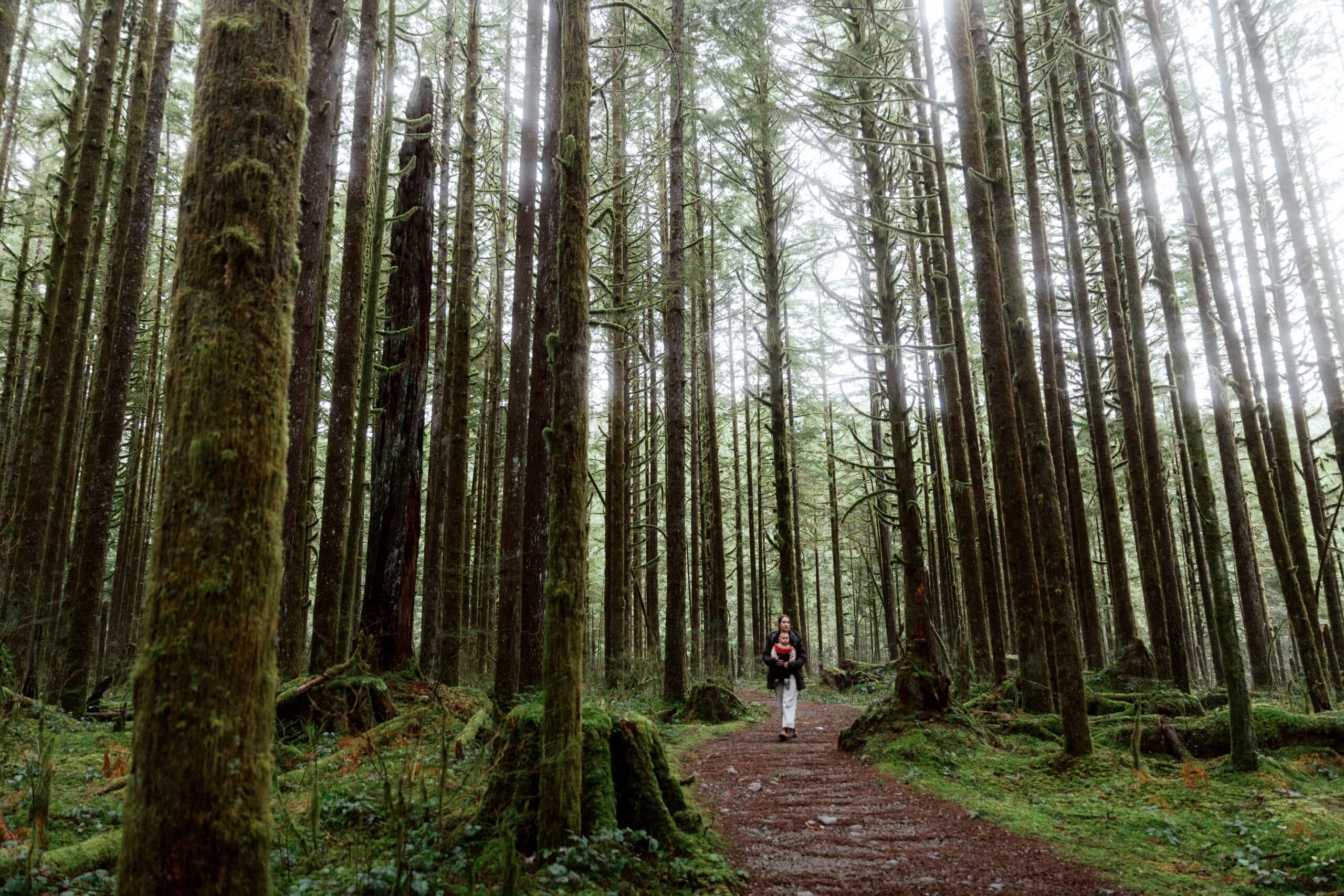
Golden Ears Provincial Park, 2022. Photo by staff photographer Adam Combs.
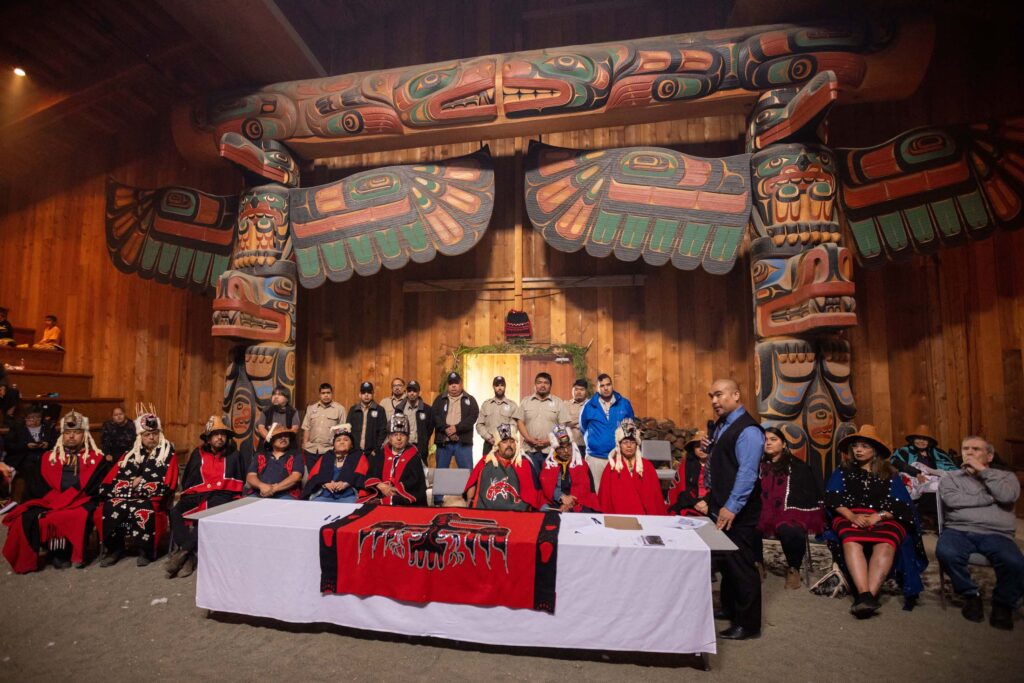
Klemtu, June 21 2022. The Kitasoo Xai’xais Nation declare a new Marine Protected Area (MPA) in Gitdisdzu Lugyeks. Credit: Tavish Campbell/Moonfish Media (CNW Group/ Kitasoo Xai’xais Stewardship Authority
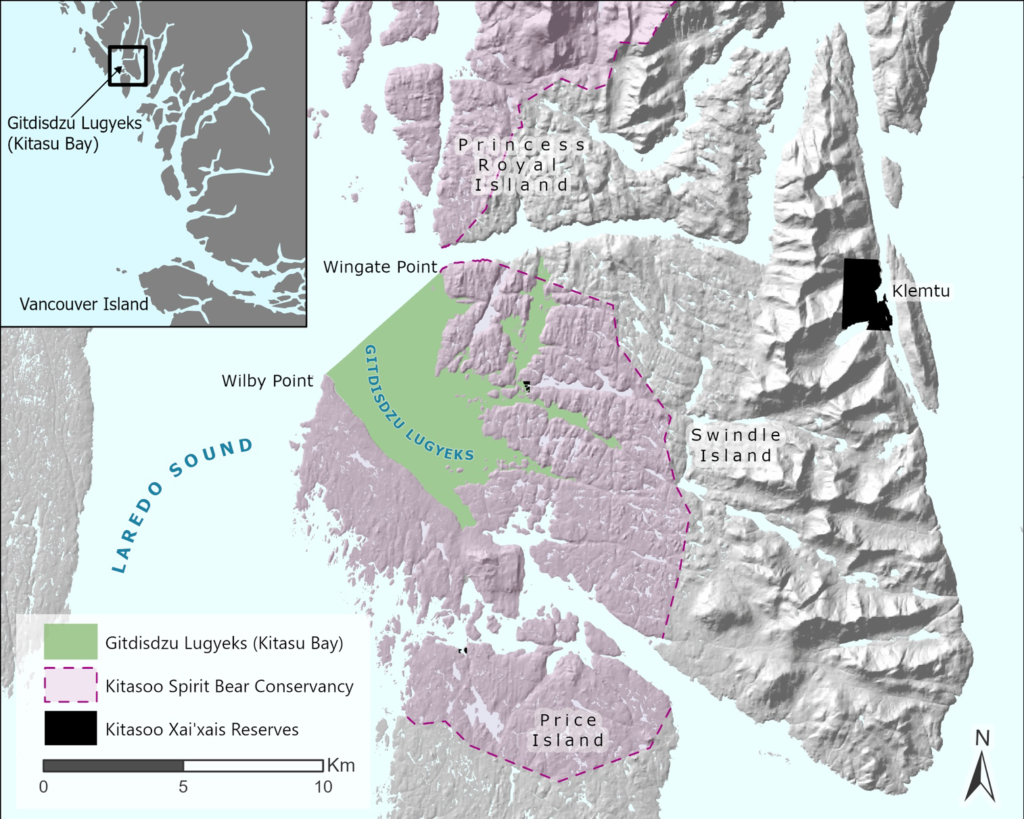
New Protected Area: Kitasoo Xai’xais Nation Declares Gitdisdzu Lugyeks (Kitasu Bay) Marine Protected Area on the central coast
Canadian Parks and Wilderness Society – British Columbia (CPAWS-BC) celebrates the announcement by the Kitasoo Xai’xais Nation last week on the establishment of a new marine protected area (MPA), Gitdisdzu Lugyeks (Kitasu Bay).
Nestled along the coast of the Great Bear Rainforest, this new MPA will protect 33.5 km2 of the ocean. The Gitdisdzu Lugyeks MPA includes essential marine ecosystems such as tidal lagoons, estuaries, and kelp forests. Seabirds, whales, salmon, herring, and shellfish depend on the area for food and shelter.
“We know these waters better than anyone, Kitasu Bay has been part of our home for thousands of years through to the present day,” says Hereditary Chief Nies’los (Kelly Robinson).
The draft management plan for the MPA outlines the stewardship vision for this marine area to ensure environmental, community, and cultural sustainability.It weaves together traditional Kitasoo Xai’xais knowledge and management practices, and the latest science-based marine research. The waters will continue to be monitored and cared for by the Kitasoo Xai’xais Watchmen, which recently announced a pilot program with BC Parks recognizing guardians with the same legal authority as BC park rangers. The Kitasoo Xai’xais Watchmen continue the work of their ancestors in protecting and managing coastal territories through stewardship, monitoring, and sustainable management.
The Kitasoo Xai’xais Nation is advancing Indigenous-led conservation by protecting these marine waters within their territory, which means they are also protecting their culture and heritage for generations to come. The Gitdisdzu Lugyeks MPA announcement brings renewed hope for growing marine protection coverage while nurturing Indigenous reconciliation through conservation.
A network of MPAs is also underway in the Great Bear Sea, officially known as the Northern Shelf Bioregion. This network would connect new and existing protections along the north and central coast.
Kate MacMillan Ocean Conservation Manager, CPAWS-BC
To learn more about Kitasoo Xai’xais First Nation, visit www.klemtu.com
Kitasoo Xai’xais Nation announces the Gitdisdzu Lugyeks (Kitasu Bay) MPA.
Background:
An MPA network in the Great Bear Sea will connect new and existing protections. All of these sites will contribute to the ongoing development of the MPA network, working together to safeguard ocean biodiversity:
The Kitasoo Xai’xais, Nuxalk, Heiltsuk, Wuikinuxv First Nations, Parks Canada, and the BC government are conducting a joint feasibility study for a National Marine Conservation Area Reserve (NMCAR) on the central coast.
However, the next phase of development for the MPA network is unclear without a clear timeline for the next critical phase, public consultation. It is vital that a public consultation takes place and British Columbians are given a clear and transparent timeline to have their voices heard. With the dual crises of climate catastrophes and species die-off, the Fisheries and Oceans Canada (DFO) and the provincial government must continue to work with coastal First Nations to complete the network.
Content warning: Contains mentions of police violence and settler colonial violence
November 23, 2021, Xʷməθkʷəy̓əm (Musqueam), Sḵwx̱wú7mesh (Squamish) and səlilwətaɬ (Tsleil-Waututh) Territories / Vancouver, BC – CPAWS-BC stands in solidarity with Wet’suwet’en clans who have re-occupied and taken control over their Yintah (territory) and condemns the arrests of land defenders and journalists.
Those occupying the land do so under Inuk Nuatden (Wet’suwet’en law) and Canadian law. In 1997, the Supreme Court of Canada issued the Delgamuukw-Gisday’wa decision, which asserted that the Wet’suwet’en people, as represented by their hereditary chiefs, had not given up rights and title to more than 20,000 square kilometres of territory in northern British Columbia. Despite this ruling, the colonial Canadian and British Columbian governments continue to permit resource projects without the free, prior, and informed consent of Wet’suwet’en Hereditary Chiefs.
Like many, CPAWS-BC applauded the BC government’s commitment to uphold the United Nations Declaration on the Rights of Indigenous Peoples (UNDRIP) through the Declaration on the Rights of Indigenous Peoples Act (DRIPA) in 2019. UNDRIP protects against all forms of violence and discrimination for Indigenous Peoples of the world. However, the province continues to deny Wet’suwet’en and other Indigenous Nations across British Columbia these human rights.
CPAWS-BC Executive Director Kevin Barlow said, “The main purpose behind UNDRIP, and by default DRIPA, is to prevent resource extraction from Indigenous territories without their full consent. Throughout the world, over 50 per cent of Indigenous people now live in urban areas due to encroachment, primarily from resource extraction. Government has a great responsibility to handle these situations with integrity and without armed force.”
The increased and on-going RCMP action on Wet’suwet’en lands in recent days is deeply concerning. As the climate crisis intensifies with record floods, fires and heatwaves, so does the violence against land defenders and the journalists sharing their stories. Providing safe access for journalists to cover events falls well within their charter rights. Indigenous voices and stories have historically been, and continue to be suppressed in mainstream media as a measure to uphold colonial systems and capitalist agendas. The RCMP must end these acts of aggression immediately.
BC is currently in the grips of a crisis. Across the province, highways and roads have been completely destroyed, huge swaths of agricultural land are under water, thousands have been evacuated, and many more were stranded far from home without adequate food, water, and shelter. Yet the province deployed emergency resources that could have been directed to relief efforts to instead intimidate, harass, and arrest Indigenous Peoples who are exercising their rights to self-determination and stewardship of their lands—and opposing the very type of fossil fuel extraction project that worsens the catastrophic weather we’ve recently experienced.
CPAWS-BC urges the immediate withdrawal of the RCMP from Wet’suwet’en Territory and the release of those detained. We stand in solidarity with the Wet’suwet’en and all Indigenous Peoples who are reasserting their relationships with land and water in order to strengthen their culture, traditional practices, and stories. We are grateful for their leadership and vision for a just future.
Wet’suwet’en means people of the Wedzin Kwe River (Bulkley River) Yintah means territory. Inuk Nuatden means Wet’suwet’en laws.
The Wet’suwet’en Yintah, is located in the central Interior of B.C. around Smithers, Burns Lake, Broman Lake, and François Lake.
Wet’suwet’en Nation is comprised of five clans: Gilseyhu (Big Frog) Laksilyu (Small Frog), Gitdumten (Wolf/Bear), Laksamshu (Fireweed), and Tsayu (Beaver).
The clans are divided into 13 Houses and each House is represented by a Hereditary Chief.
Recently, Gillian Staveley—a member of the Kaska Dena in northern BC—sat down with CPAWS-BC to talk about protecting a large swath of ancestral and traditional Kaska Territory. Read on to learn more about Dene Kʼéh Kusān and how you can support this Indigenous-led conservation initiative.
Editor’s note: this interview has been transcribed, condensed, and formatted with consent.
Kristina: Hi Gillian! I’d love to start by asking you who are you, and who the Kaska Dena are.
Gillian: My name is Gillian Staveley—I’m the Director of Land Stewardship and Culture with the Dena Kayeh Institute. I am also Kaska.
The Kaska Dena are a nation of people who are connected through our culture, our land, our language, our laws. We are a fairly large nation in terms of geography, with our communities placed throughout our ancestral lands in northern BC, southeast Yukon, and a small sliver of the Northwest Territories. We call this area Dena Kayeh, or “the people’s country”.
Kristina: Tell us more about Dene Kʼéh Kusān. What is this project about? How did it begin?
Gillian: Dene Kʼéh Kusān is the Kaska’s Indigeous Protected and Conserved Area (IPCA) proposal within Dena Kayeh—we’re trying to protect 4 million hectares of land and water through it. To us, the phrase Dene Kʼéh Kusān is a reminder that we will always be here. Dene Kʼéh Kusān: as long as our lands are here, and our languages are here, and our laws are here, and our culture is here, then we will be here as Kaska people. It’s all tied together because we believe in the principles of relationality: we are all one.
Kristina: What’s unique about the landscapes and ecosystems in Dene Kʼéh Kusān? What do you see, smell, and hear?
Gillian: When I close my eyes, I think of the regions that are very sacred to me, personally, within the Kaska traditional territory.
I visualize the very sacred headwaters that we have, and the confluences of large rivers. I can also smell the moist moss that’s in the deep soils of our boreal forest. We have such an intact, beautiful forest in our territory—it brings me joy to feel those smells. There’s also other aspects of our lands, like hearing the wind in some of the highest peaks of the Northern Rockies, and being able to traverse them.
You can also feel the heartbeat of our people in certain regions of Dena Kayeh, too, like the subarctic terrain. That’s where we’ve hunted and gathered since time immemorial. It’s those areas that are so important to us as Kaska Dena. We truly believe that we are our land, and it’s up to us to ensure that it remains healthy, because we will also be healthy as a result of that.
Kristina: With Dene Kʼéh Kusān being so large, it provides one, huge, connected landscape for animals that call that land home. What are the animals and plants in this area like?
Gillian: Many different animal, plant, and fish species and medicines also call Dena Kayeh home. I think we know that keeping these regions intact is of utmost importance to their survival. As soon as we create those linear disturbances and development areas, they are impacted greatly.
Creating habitat corridors for these really biodiverse regions in places like Dene Kʼéh Kusān is a very vital conservation strategy. It’s an Indigenous-led one, too, because we know that we can’t just protect pockets of landscape. We need to protect very large areas to be able to ensure that—for example—some of the last northern mountain caribou in our province are thriving, and not just surviving. That’s part of what our IPCA proposal is intended to do.
Kristina: Often, nature and culture are very intertwined with each other. In your eyes, why is it important to protect Dene Kʼéh Kusān from a cultural perspective?
Gillian: In Dene Kʼéh Kusān, we’d be protecting half of the recorded cultural heritage sites in our ancestral territory, Dena Kayeh. That’s the kind of stuff that gets me all choked up! Yes, it’s a wild place, it’s remote, it’s an incredibly vast beautiful area, but it’s also our homeland. Our ancient trails are still walked on today, and our people still go into those remote areas to this day, and celebrate the fact that our people have lived there for over 8,000 years.
They’ve created such wonderful memories in those places—and for us, it’s about reconnecting to what that means to us today, and knowing that we want it to be wild, yes, but we also want it to be cultured.
Kristina: What does leading the protection of your own traditional territories mean to you and the Kaska Dena?
Gillian: For me, protecting Dene Kʼéh Kusān is everything, truly. There is nothing more important than this in my life, and I know I am going to be spending the rest of my life ensuring that happens. I’m not the only one, either. This is who we are as Dena: it’s intrinsically who we are as stewards of our land, in wanting to see it protected. It’s a natural response we all have, and it’s what ties us together in knowing that we’re a nation of people that want the same things. There’s tremendous power in that.
Kristina: Why should Indigenous-led conservation projects be important to other people in BC?
Gillian: While it’s existed since time immemorial, we’re finally at a time in our country where there’s more recognition for Indigenous-led conservation. As the original people of this country, we have valid knowledge sources to witness and respect to help create a more just and sustainable world. In BC, we can be the ones leading that convo—we have that opportunity! Dene Kʼéh Kusān is just one example of what’s possible, and people are starting to realize that the time is now.
At the end of the day, it’s our collective responsibility to ensure these areas are protected and conserved for future generations. It’s something that all of our future generations can benefit from, whether you call that area home or not.
Kristina: To end us off: what can British Columbians do to support Indigenous-led conservation projects like Dene Kʼéh Kusān?
Gillian: There are four things, I think, that British Columbians can do. Four is a sacred number to us, after all—it connects us to the medicine wheel teachings.
For folks who are interested in what we’re doing: visit our website, Dena Kayeh, and learn about our IPCA proposal, and what the Kaska people are trying to achieve. While you’re there, sign our letter of support as your first step.
I would really recommend that people begin to pay attention to Indigenous-led initiatives in their own backyard—or wherever they call home—and find ways to stand in solidarity with these nations.
I would advise that the BC public look into what IPCAs stand for, and the meaning behind Indigenous-led conservation efforts. IPCAs are rooted and grounded in the Indigenous nations who are putting those proposals forward, and they’re incredible proposals—more attention needs to be given to what we, as Indigenous people, are collectively trying to achieve.
If people believe that their personal health and well-being is connected to proposals like ours, Dene Kʼéh Kusān, then I would really ask people to stand with us. Stand with the Indigenous nations who are trying to put these proposals forward. Call on government and public interest groups so that they see the importance of this initiative, especially in northern BC. There’s a collective duty and responsibility to ensure the success of proposals like this.
September 30, 2021, Xʷməθkʷəy̓əm (Musqueam), Sḵwx̱wú7mesh (Squamish) and səlilwətaɬ (Tsleil-Waututh) Territories / Vancouver, BC – CPAWS-BC stands in solidarity with Indigenous Peoples as we observe the National Day for Truth and Reconciliation. We acknowledge the role of colonization on Indigenous Peoples, and we in the conservation movement remain committed to working actively towards healing and reconciliation.
We honour thousands of Indigenous children lost to residential schools by also recognizing September 30 as Orange Shirt Day. We stand with the communities and Nations grieving the confirmation of their long-held knowledge: 215 children at Tk’emlúps te Secwépemc, 104 in Sioux Valley Dakota territory near Brandon, 751 on Cowessess First Nation, 160 in Hul’qumi’num Territory on Vancouver Island and 182 in Ktunaxa Territory. The National Centre For Truth and Reconciliation confirms the identities of 4,117 children. And we sadly acknowledge there will be more gravesites found.
The legacy of residential schools and colonialism continues to negatively impact Indigenous Peoples today. CPAWS-BC has a responsibility as a leader in the conservation movement to take steps that can begin to heal relationships between Indigenous and non-Indigenous peoples and the lands and waters where we work.
We recognize that reconciliation and decolonization is an ongoing process that requires all of us to be actively involved and responsible as our collective learning evolves. CPAWS-BC makes a firm commitment to uphold decolonization as a cornerstone in our conservation work.
As we work toward the protection of diverse ecosystems, CPAWS-BC will do so in the spirit of decolonization , recognizing the essential leadership of the Indigenous stewards who have cared for these lands and waters since time immemorial. We are committed to deepening our relationships with Indigenous partners and we recognize that it is our responsibility to support Indigenous Peoples to safeguard their land and water.
As a team, we are advancing awareness, knowledge, and capacity on our staff and board by providing cultural competency learning opportunities and workshops with Indigenous speakers, Elders, storytellers, and facilitators.
For interviews, please contact: Rippon Madtha, Communications Manager Canadian Parks and Wilderness Society, BC Chapter rippon@cpawsbc.org (604) 685-7445 x23
FOR IMMEDIATE RELEASE
April 19, 2021
CPAWS-BC Welcomes Largest Investment To Date For Land and Ocean Conservation
Federal budget investments demonstrate a solid commitment to nature protection
Unceded Coast Salish Territory / Vancouver, BC – The Canadian Parks and Wilderness Society – British Columbia (CPAWS-BC) highly commends the federal government’s decision to invest $3+ billion over five years to protect Canada’s lands and ocean.
Today’s historic announcement bolsters collective action towards protecting 25 percent of Canada’s lands and ocean by 2025 and 30 percent by 2030 while enabling and supporting Indigenous-led conservation in British Columbia and across Canada.
“This announcement brings immense hope to British Columbians and Canadians for a resilient future brimming with healthy landscapes, waters, and biodiversity,” says Annita Mcphee, Executive Director of CPAWS-BC. “With this significant investment important conservation projects will be enabled to move forward on the ground and in the ocean”.
The Canadian Parks and Wilderness Society has been drumming up Ottawa’s support alongside leading conservation groups as part of the Green Budget Coalition. The coalition has proposed investments of $4.8 billion over five years, followed by $745 million per year to manage federal, provincial, territorial, and Indigenous protected areas.
Ross Jameson, Oceans Conservation Manager for CPAWS-BC comments, “This will add sorely needed investment into the health and well-being of coastal communities and the ecosystems that support them. Investment in ocean protection will support a web of marine life, increase recreation, tourism, and other conservation economy opportunities, and rebuild fisheries”.
Budget 2021 nature investment highlights:
$2.3 billion over five years to protect one million square kilometers of land and freshwater – which is equivalent to an additional 10% of Canada – including supporting Indigenous Protected and Conserved Areas, Indigenous Guardians programs, provincial and territorial protected areas, and to protecting species at risk.
$976.8 million over five years to protect the health of our oceans, commercial fishing stocks, and quality of life in coastal communities.
$200 million over three years supporting municipalities with natural infrastructure projects including establishing urban parks, green spaces, waterfronts, marshes, etc.
$1.4 billion over 12 years to replenish the Disaster Mitigation and Adaptation Fund, including $670 million dedicated to small-scale climate adaptation and mitigation projects, including natural infrastructure projects such as wetland restoration, etc.
“This incredible investment shows great wisdom and fortitude in putting the future of our communities first by furthering important international nature commitments. We look forward to working towards a resilient future with Indigenous, provincial, and federal governments by furthering conservation here in BC,” adds Mcphee.
-30-
For interviews, please contact: Rippon Madtha, Communications Manager Canadian Parks and Wilderness Society, BC Chapter rippon@cpawsbc.org (604) 685-7445 x23
About CPAWS-BC:
Canadian Parks and Wilderness Society – British Columbia (CPAWS-BC) is part of one of Canada’s oldest non-profit conservation groups. We protect wilderness in every corner of BC and deep into the ocean. We have been defending BC since 1978 and are dedicated to keeping BC’s natural environment thriving forever. Nature is BC’s best hope.
Background
According to the World Economic Forum, half of the world’s Gross Domestic Product (GDP) is moderately or highly dependent on nature and the services it provides, and the global food-, land-, and ocean-use system provides up to 40% of the world’s jobs. As a nation that relies on its rich natural resources, protecting nature and the multitude of services it provides is critical to Canada’s economic recovery.
Many studies done across Canada have found that natural assets, if maintained, already have tremendous value, which will increase as the climate changes. As an example, urban forests in Toronto, Vancouver, and Halifax are valued at billions of dollars for ecosystem services such as control of stormwater runoff, air quality regulation, and carbon sequestration.
Protecting and restoring forest, grassland, and wetland (including eelgrass, saltmarsh, and riparian areas) to store and reduce greenhouse gas emissions would help to address the climate and biodiversity crises, create jobs, and expand a green economy in Canada. The same is true for using natural infrastructure solutions to increase our resilience to climate change.
The World Economic Forum estimates that transitioning industry to a more nature-positive model could result in up to $10 trillion USD in annual business value and could create 395 million jobs by 2030.
Terrestrial parks and associated visitor spending support 64,000 jobs, generate a return of 6:1 in GDP, and return 44% of government investment back in taxes. Canada’s parks and protected areas have become increasingly important for domestic tourism as COVID-19 restricts international travel.
Effective Marine Protected Areas (MPAs) are a key component of a strong Blue Economy. Recent studies show that protecting 30% of our ocean in effective and well-managed MPAs can restore ocean health and produce an economic return on investments of ten to one.
The Green Budget Coalition (GBC) includes 25 leading environmental organizations in Canada that analyze environmental sustainability issues and provide fiscal and budgetary recommendations to the federal government. Feature recommendations for nature and biodiversity conservation include: Nature-Based Climate Solutions and Creating and Managing Protected Areas, including Indigenous Protected and Conserved Areas and Guardians programs, among other complementary nature conservation recommendations.
For interviews, please contact: Tori Ball, Senior Campaigner Canadian Parks and Wilderness Society, BC Chapter tori@cpawsbc.org (604) 685-7445 x24
FOR IMMEDIATE RELEASE
April 16, 2021
$80M Boost for BC Parks Upgrades, CPAWS-BC Ecstatic
Historic budget lift sets bright path for parks and recreation in BC
Unceded Coast Salish Territory / Vancouver, BC – The Canadian Parks and Wilderness Society – British Columbia (CPAWS-BC) is applauding the BC government’s announcement today of a new $80 million investment into BC’s provincial parks over the next three years. This represents a historic budget increase that’s been overdue for decades.
“After 20 years of fighting for this, we’re thrilled to finally see an investment of this magnitude for our provincial parks,” says Tori Ball, Senior Campaigner with CPAWS-BC. “This leap in budget funding will go a long way in helping BC Parks to refocus on protecting important landscapes and ecosystems, and supporting them to better meet the needs of British Columbians wanting to spend more time in these special places.”
Today’s budget announcement is the most recent and sizable upgrade to the BC Parks system. It comes on the heels of an announcement earlier this week creating hundreds of new conservation and park jobs for youth. BC Parks has received necessary increases for staffing, infrastructure, and park upkeep over the last year to manage pandemic-related demand. The BC government plans to inject additional funding over the next three years:
$36 million planned for operations
$47 million in capital investments
“Investing in BC’s parks is also a welcome boost to tourism – the sector hardest hit by the pandemic,” adds Ball. “More money for BC Parks means more jobs in remote and rural communities, and in the long term will serve to support natural climate solutions that will help stem the global biodiversity crisis.”
CPAWS-BC and its partners have been campaigning for bold budget upgrades for BC Parks for many years. As parks and other outdoor spaces continue to experience record high visitation through the pandemic, this announcement signals a turning point for BC Parks and can be widely celebrated as a long-overdue boost to upgrade visitor infrastructure, increase staffing in parks, and expand protected areas.
-30-
For interviews, please contact: Tori Ball, Senior Campaigner Canadian Parks and Wilderness Society, BC Chapter tori@cpawsbc.org (604) 685-7445 x24
Key Facts:
BC’s provincial parks welcome over 23 million visitors each year. However, decades of underfunding have created significant gaps in the system. A surge in outdoor recreation through the pandemic put further pressure on staffing, park expansion, trail building, and visitor facility upgrades.
Canadian public health officials strongly recommend outdoor recreation to alleviate lockdown blues. However, lack of funding and staffing resulted in complete park closures in Spring 2020 during the pandemic’s early days.
In October 2020, Premier Horgan announced a strong parks-focused mandate letter to Environment Minister George Heyman and Parliamentary Secretary of Environment Kelly Greene. This budget provides necessary resources to deliver on this mandate of expanding campgrounds, trails and protected areas.
CPAWS-BC, alongside partner organizations, including tourism associations, recreation organizations, and labor unions, has been campaigning for bold budget upgrades for BC Parks for many years to increase staffing and improve park infrastructure and visitor facilities.
Canadian Parks and Wilderness Society – British Columbia (CPAWS-BC) is part of one of Canada’s oldest non-profit conservation groups. We protect wilderness in every corner of BC and deep into the ocean. We have been defending BC since 1978 and are dedicated to keeping BC’s natural environment thriving forever. Nature is BC’s best hope.
For interviews, contact: Tori Ball, Senior Campaigner Canadian Parks and Wilderness Society, BC Chapter tori@cpawsbc.org (604) 685-7445 x24
FOR IMMEDIATE RELEASE
New youth jobs program bolsters conservation and recreation in BC, says conservationists
April 13, 2021
Traditional territories of the Coast Salish peoples/Vancouver, BC — The Canadian Parks and Wilderness Society – British Columbia (CPAWS-BC) is praising a new provincial program that will give youth opportunities to work in conservation and recreation. These jobs will help to launch careers in wilderness stewardship while preparing BC’s vast outdoor recreation network to host record visitor numbers through another pandemic summer.
“We’re thrilled to see this much needed capacity lift for nature and outdoor recreation in the province,” says Tori Ball, Senior Campaigner with CPAWS-BC. “We can all breathe a sigh of relief knowing that the province is preparing to better support the health and wellbeing of British Columbians by providing more access to parks, trails and camping opportunities.”
This is the second youth-focused work program the BC government has launched in the last year, both of which included conservation-specific opportunities. Hiring youth to improve parks and nature stewardship will help to meet the increasing need for more trails and campgrounds as people look to escape locally during the pandemic.
Long-standing budget constraints have created bottlenecks in BC’s parks system, from delays in planning to visitor facilities in need of maintenance or waiting to be built. Unfortunately, this resulted in BC’s provincial parks being forced to shut down last spring due to concerns with understaffing and overcrowding.
“Spending time outdoors has been a consistent public health recommendation during the pandemic, and we’re encouraged that the BC government is taking measures to ensure there are safe, well-managed places for people to get outside,” says Ball.
“As people invest in outdoor gear for the long-haul, we hope to see more long-term investments and programs of this kind coming down the pipe to support the vast and diverse nature and recreation systems in BC,” she adds.
–30–
For interviews, contact:
Tori Ball, Senior Campaigner Canadian Parks and Wilderness Society, BC Chapter tori@cpawsbc.org (604) 685-7445 x24
As a part of the Stronger BC Future Leaders Program, the BC government is investing in youth conservation jobs to accommodate and support growing demand for outdoor recreation:
The Ministry of Forests, Lands, Natural Resource Operations and Rural Development will invest more than $11 million for over 220 jobs in the Natural Resource Youth Employment program and the Recreation Sites and Trails program.
The Ministry of Environment and Climate Change Strategy will invest $4.6 million to create 37 positions with BC Parks and 46 positions with the Conservation Officer Service, to work in a variety of fields to gain experience and help protect the environment.
The Ministry of Environment and Climate Change Strategy is creating opportunities for up to 180 young people to help tackle marine debris and plastic pollution in coastal communities. An investment of $5 million in the Clean Coast, Clean Waters program is aimed at youth employment, including youth in Indigenous communities.
Canadian Parks and Wilderness Society – British Columbia (CPAWS-BC) is part of one of Canada’s oldest non-profit conservation groups. We protect wilderness in every corner of BC and deep into the ocean. We have been defending BC since 1978, and are dedicated to keeping BC’s natural environment thriving forever. Nature is BC’s best hope.
For interviews, contact: Tori Ball 604-685-7445 x24 tori@cpawsbc.org
BC voters prioritize nature and environment in upcoming election
FOR IMMEDIATE RELEASE
October 15, 2020
Traditional territories of the Coast Salish peoples/Vancouver, BC — In the midst of a global health crisis and the rush of a snap election, safeguarding nature remains a high priority for British Columbians. A new online survey from the Canadian Parks and Wilderness Society’s BC Chapter (CPAWS-BC) found that 67% of British Columbians say conservation and environment issues are very important or extremely important to them as voters, and want the government to protect more of our lands and ocean.
“The message is clear – British Columbians want the province to focus on safeguarding nature, and to prioritize wildlife and habitat protection. Any party wishing to form the next government will need to have a strong, credible plan for conservation and be ready to back it up with real action,” says Bruce Passmore, Executive Director with CPAWS-BC.
Additional key findings of the survey include:
Widespread support for increasing protection of BC’s lands and ocean: 87% think the province should commit to protecting 25% of BC’s lands and ocean by 2025
Strong demand for increasing investment in provincial parks: 86% think the province should invest more funding into BC Parks
Healthy oceans matter: 94% say it is very important or extremely important that ocean and coastal ecosystems are healthy
Current approach to coastal management needs a renovation: 81% think the province should create a new plan and law for BC’s coast
“British Columbians recognize the urgent need to find solutions to climate change and to stem biodiversity loss. The question now isn’t whether or not we need to take action, it’s what will the next government actually do to drive conservation forward in BC,” says Passmore.
CPAWS-BC is calling on all parties to prioritize wildlife conservation and habitat protection, commit to fixing our neglected provincial parks, and work on building a cohesive plan for a healthy coast. All of this work must be undertaken with a clear and meaningful commitment to reconciliation, working with original and ongoing stewards of BC’s lands and waters.
“The voters of BC are demanding real action to protect the lands, waters and wildlife that we all depend on. BC has a reputation for being bold, and we hope to see politicians stepping up to the plate with bold commitments during the election period and beyond,” says Passmore.
This survey was conducted online between October 3 and 8. Responses were collected from 1041 British Columbians, with a 95% confidence level and a margin of error of plus or minus (±) 3%.
-30-
For interviews, contact: Tori Ball 604-685-7445 x24 tori@cpawsbc.org
We use cookies and other similar technologies such as pixels and web beacons (“Cookies”) for various purposes, such as to ensure our website functions properly, enhance your browsing experience by remembering your preferences and provide personalized content and advertisements.
Functional
Always active
The technical storage or access is strictly necessary for the legitimate purpose of enabling the use of a specific service explicitly requested by the subscriber or user, or for the sole purpose of carrying out the transmission of a communication over an electronic communications network.
Preferences
The technical storage or access is necessary for the legitimate purpose of storing preferences that are not requested by the subscriber or user.
Statistics
The technical storage or access that is used exclusively for statistical purposes.The technical storage or access that is used exclusively for anonymous statistical purposes. Without a subpoena, voluntary compliance on the part of your Internet Service Provider, or additional records from a third party, information stored or retrieved for this purpose alone cannot usually be used to identify you.
Marketing
The technical storage or access is required to create user profiles to send advertising, or to track the user on a website or across several websites for similar marketing purposes.