Largest BC Parks expansion in over a decade will protect habitat for Southern Mountain Caribou
Klinse-za/Twin Sisters Park expansion adds over 170,000 hectares, a welcome step for caribou and collaborative conservation
June 14, 2024
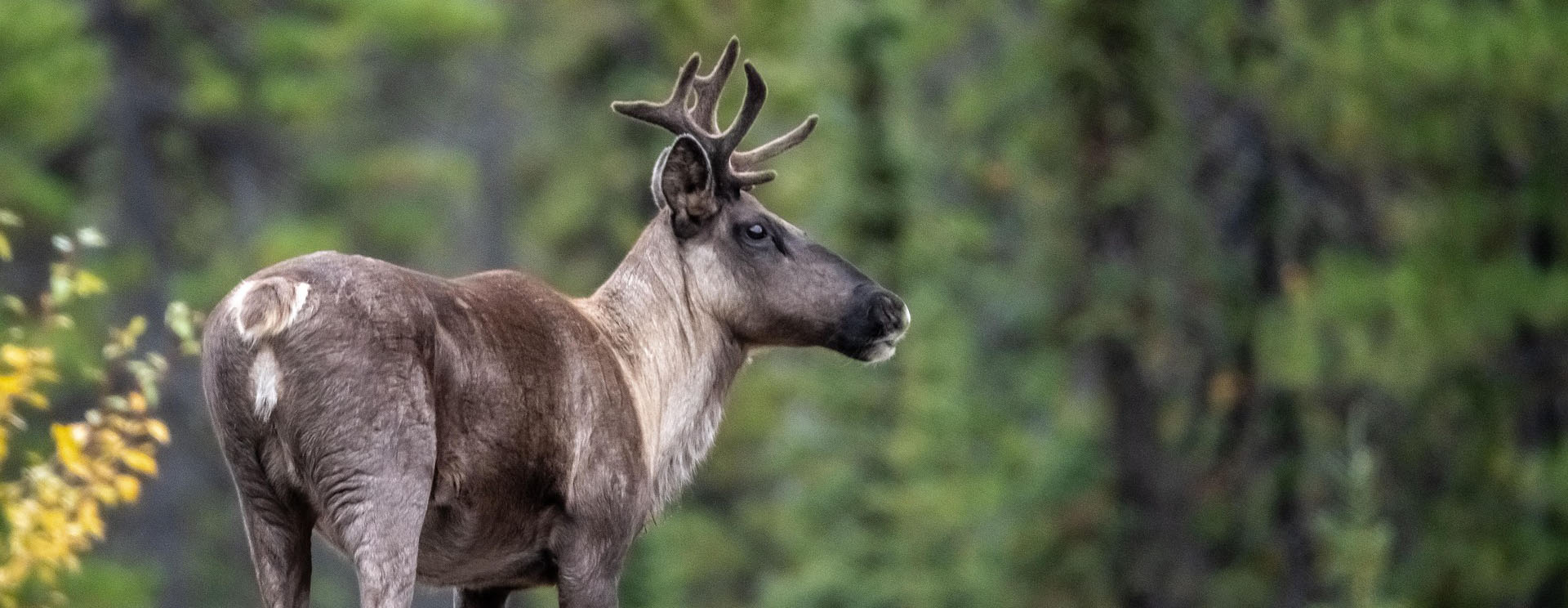
Unceded territories of the Coast Salish Peoples/Vancouver, BC – A significant park expansion added in critical Peace Region caribou habitat is welcomed by the Canadian Parks and Wilderness Society – British Columbia. The 170,000 hectare Klinse-za Park expansion will result in the largest provincial park established in B.C. in a decade.
The expansion of the Klinse-za/Twin Sisters Provincial Park is for about five times the Park’s current size, and over twice the size of Manning Park. The expansion stems from a 2020 Partnership Agreement between the federal and provincial governments and West Moberly and Saulteau First Nations which established conservation commitments for endangered Southern Mountain Caribou.
“Protecting the habitat and foods that caribou depend on is key to long-term both caribou and community health, this park expansion is much awaited and welcomed for this iconic species,” says Tori Ball, Conservation Director – Lands & Freshwater Program at CPAWS-BC. “West Moberly and Saulteau First Nations are leaders in caribou conservation efforts and the formal protection of this important caribou habitat is a testament to their perseverance and leadership to secure a future for these important species.”
The area is home to the central group of Southern Mountain Caribou, consisting of five remaining herds. Recovery efforts, led by the West Moberly and Saulteau First Nations, have seen the Klinse-za herd rebound from just 16 animals in 2013 to over 100.
Caribou are in trouble, with many herds in BC at risk of disappearing due to an onslaught of resource development. Securing long-term protection of their habitat is key to their survival. Protecting caribou habitat will also benefit other wildlife species, and help ensure healthy ecosystems for all residents of BC.
Caribou require large intact and connected areas to thrive and function as an indicator species, letting us know the health of the forests and ecosystems they inhabit. Protecting caribou habitat in turn benefits many other species as well as the ecosystems that we all depend on.
“This park expansion will have positive impacts for the health of the surrounding ecosystems and iconic caribou herds. Working towards the global goal of protecting 30% of lands and waters by 2030 needs to benefit and include everybody, and it is important that we protect another over 14% of BC by moving forward together,” added Ball.
Media Contact: Max Winkelman Communications Manager max@cpawsbc.org 604-685-7445 x3
Background Info:
Southern Mountain Caribou are divided into 3 population groups:
Northern with 9 herds – BC blue list, imperilled-special concern
Central with 5 herds – BC red list, imperilled-critically imperilled
Southern with 18 herds – BC red list, critically imperilled
The central group are the caribou in the Klinse-za park region, though the northern edge of the protected area is the border to the northern group of Southern Mountain Caribou
Woodland caribou are old-growth dependent and the main threats to their survival are from direct and indirect habitat loss and disturbance
West Moberly and Saulteau First Nations initiated a maternity penning project as part of their caribou conservation efforts as an urgent action to stop the rapid decline of the Klinse-Za herd.
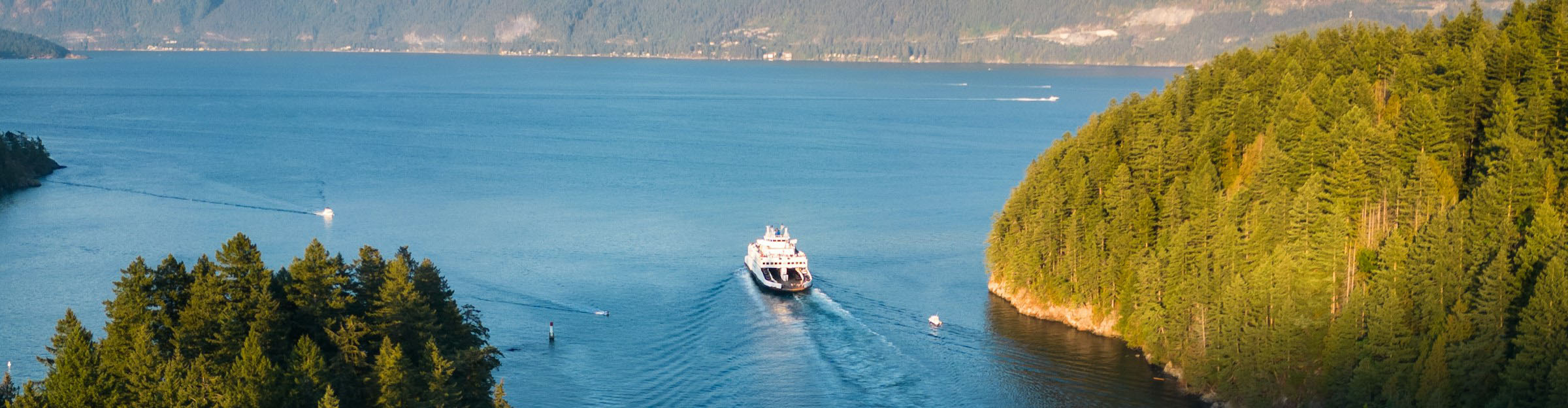
Unceded Coast Salish Territories (VANCOUVER, BC) – As coastal B.C. ecosystems and local communities brace for the annual cruise ship season, the Canadian Transport Ministry just released an “Interim Order” on cruise ship pollution that continues to permit the dumping of 32 billion litres of waste into the waters off the BC coast.
The holes in the interim measures were pointed out in a report released by Stand.earth and the Canadian Parks and Wilderness Society – British Columbia last month to guide the Transport Ministry towards protecting coastal waters and communities. It still stands.
“What is it going to take for the Transport Ministry to get serious about defending the coasts from pollution? This lazy cut-and-paste of last year’s Interim Order still permits 32 billion litres of sewage, and ships’ waste to be dumped annually – the equivalent of half the world flushing a toilet into the coastal waters off B.C.” said Anna Barford, shipping campaigner with Stand.earth. “The Transport Ministry had an opportunity to remedy this by extending the application of cruise ship discharge regulations to the entirety of Canada’s jurisdiction in the territorial sea, prohibiting the use of scrubbers under Canada’s jurisdiction, and putting into place regular, independent third-party monitoring while cruise ships are underway to ensure discharge requirements are met. They have ignored our recommendations to the detriment of marine life and coastal ecosystems and communities.”
Scrubbers are devices on ships to treat exhaust gasses. They take sulphur from fuel and dump it into the sea in the form of wastewater, essentially turning air pollution into water pollution. Greywater is wastewater from toilets, sinks, showers and appliances, like dishwashers and laundry machines. It is a significant source of microplastics.
“The Great Bear Sea is home to many threatened and vulnerable species as well as species that have great cultural and food importance. The dumping of this much wastewater is a massive threat to the animals and plants that live there, such as orcas and humpback whales, and also to the local communities that depend on a healthy and abundant ocean,” says Kate MacMillan, conservation director for the ocean program at the Canadian Parks and Wilderness Society – British Columbia Chapter.
Transport Canada’s original Interim Order from June 9, 2023 allowed vessels to continue to discharge sewage, greywater and scrubber wastewater along the B.C. coast and inlets. The entire Great Bear Sea, including the proposed Marine Protected Area (MPA) Network, is not protected from the dumping of this scrubber wastewater. Transport Canada changed nothing this year.
“Additionally, this interim order seems to contradict Canada’s Marine Protected Areas (MPA) Protection Standard which looks to prohibit ocean dumping in MPAs. With an MPA Network being planned for the Great Bear Sea, the future health and resilience is being put at risk,” says MacMillan.
The report that Stand.earth and CPAWS-BC released last month found that approximately 35% of the proposed MPA Network is open to the discharge of untreated sewage and greywater through unregulated “toilet bowls”. Additionally, specific geographic exemptions potentially permit the discharge of sewage and greywater along the entirety of the Great Bear Sea’s complex coastlines.
The report made multiple recommendations such as legally requiring cruise ships to have holding tanks that are of adequate size and eliminating the exemption that permits cruise ships to discharge in areas where the shores are narrower than six nautical miles wide.
“The Transport Ministry has so far ignored us about this. They have even ignored reporters about this. They cannot, however, ignore the local communities demanding cleaner waters, or the science which is clear about the impacts of cruise ship dumping on the endangered Southern Resident Killer Whales”
Contact: Kate MacMillan, Conservation Director, Ocean Program CPAWS-BC 604-685-7445 x 6 kate@cpawsbc.org
Anna Barford Canada Shipping Campaigner Stand.earth. +1 604-757-7029 anna@stand.earth
Over the May long weekend, our Land and Freshwater team travelled to the nxʷəlxʷəltantət (South Okanagan-Similkameen) to participate in the Meadowlark Nature Festival. CPAWS-BC has worked with partners in the region over the past two decades to expand protection for the increasingly endangered grasslands, with our work focusing particularly on the proposed South Okanagan-Similkameen National Park Reserve and more recently the nʔaysnúlaʔxʷ (Ashnola) sPA (sməlqmíx Protected Area).
Grasslands in BC have more species at risk than any other ecosystem in the province. They cover just 1% of the province, but are home to 30% of at-risk species in BC, such as the burrowing owl and bighorn sheep, making them one of the most important conservation priorities in BC.
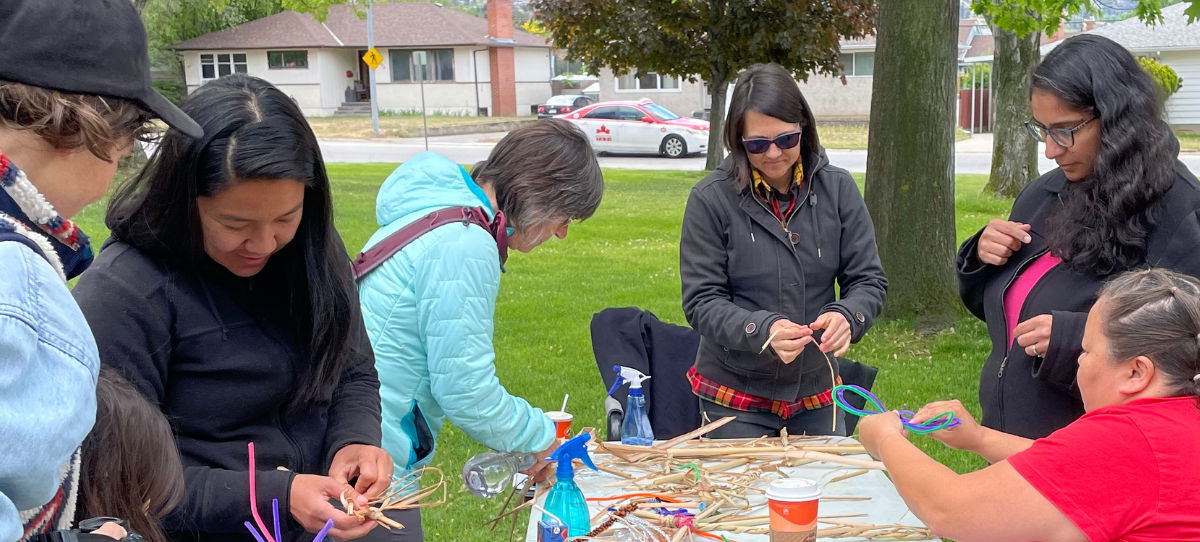
It was amazing to visit protected areas, connect with supporters, talk about the urgent conservation needs of endangered grasslands, and see people participating in a fantastic art session with Ullus Collective Indigenous artists.
Where the Four Sacred Ecosystems Connect
A journey to protect the Ashnola River Corridor
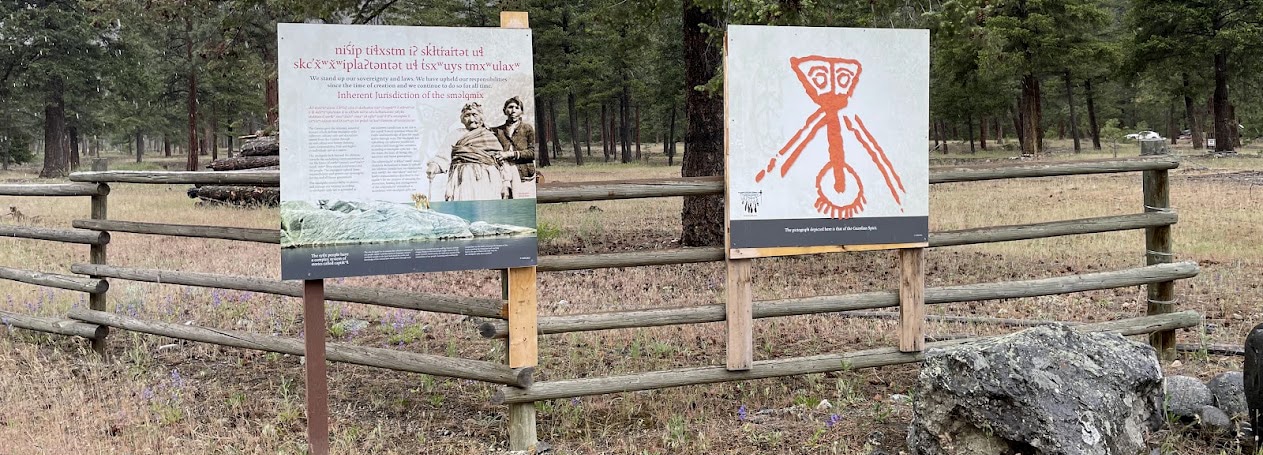
On Saturday morning we travelled from our base in Penticton, 60 kilometres southwest to the nʔaysnúlaʔxʷ (Ashnola) sPA (sməlqmíx Protected Area) just outside of Keremeos.
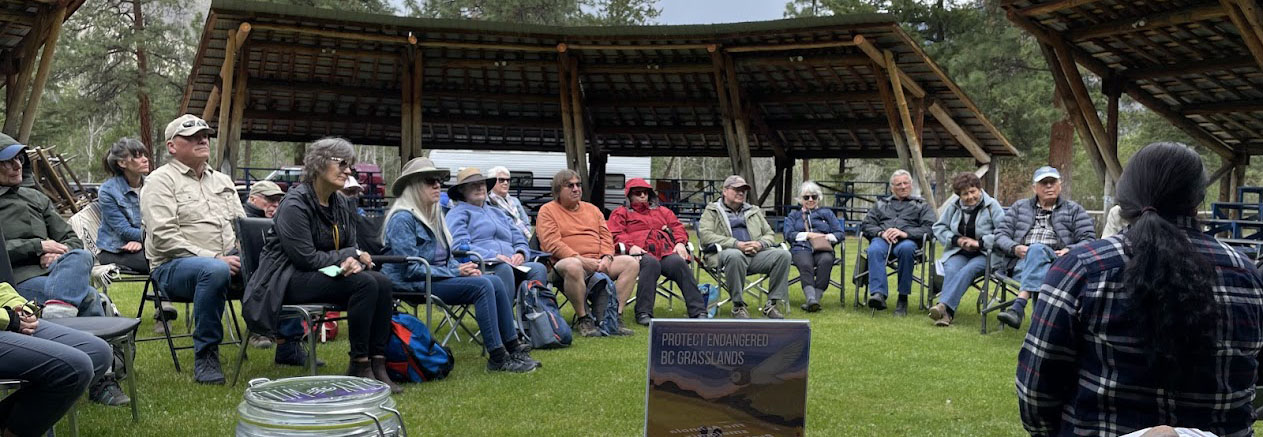
Rob Edwards, Lauren Terbasket and Rheana Marchand from the Lower Similkameen Indian Band (LSIB) shared with us and Meadowlark festival participants, their journey to protect the Ashnola River Corridor (or watershed), home to one of the most endangered rivers in the province.
After living through the gradual but profound degradation of some of their lands and water from mining discharge, unsustainable forestry, hunting and other exploitative activities, the sməlqmíx people re-asserted their sovereignty and obligation to protect and conserve the waters and lands, through cultural revitalization and traditional knowledge, throughout the Similkameen watershed. In 2022, the Lower Similkameen declared the entirety of the Ashnola Watershed an Indigenous Protected and Conserved Area (IPCA).
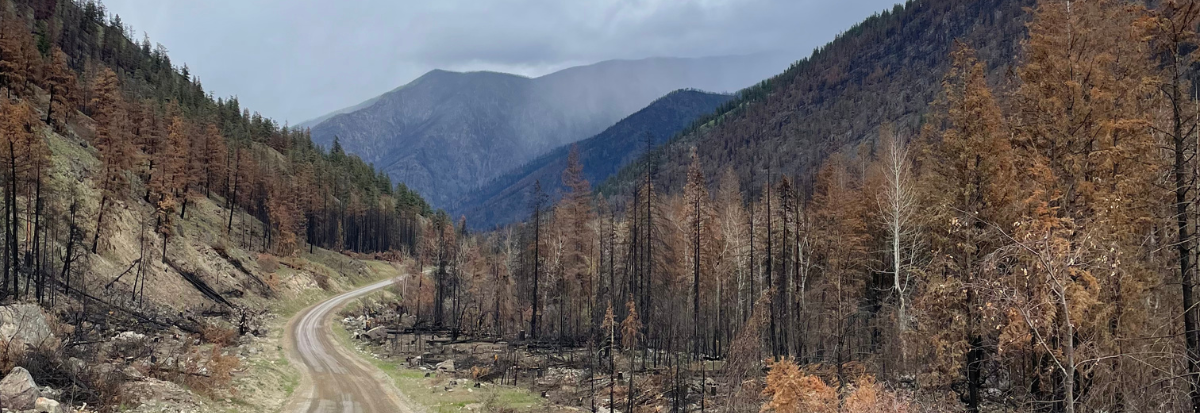
In the summer of 2023, the largest forest fire in the valley since the 1800s, affected 40,000 hectares in the Ashnola sPA. The small team at the LSIB, having declared the IPCA only a year earlier, were already busy implementing conservation and management plans. Now they are also undertaking restoration work to manage the aftermath of the fires and replant millions of tree and shrub seedlings to stabilize and ensure safety around the steep slopes of popular recreation areas.
As we walked around the Ashnola campground and sməlqmíx Protected Area, we learned about the unique grassland shrubs like snowbrush and bitterroot and were able to smell the rain on the parched earth. We were filled with a deep sense of gratitude for their dedication and determination to keep pushing forward to protect and steward these breathtaking lands.
Coexisting with fire
Learning from a wildfire expert
On Saturday evening, back in Penticton at the Okanagan College, we joined Tour 35 – Learning to Coexist with Wildfire in BC led by eminent scholar and UBC Professor of Forest & Conservation Science Lori Daniels.
As the province grapples with the aftermath of the 2023 wildfires, such as the one that went through the Ashnola Valley as we had seen earlier that day, a shift to diversified, evidence-based, adaptive and proactive landscape management, based on science and community knowledge, is critically needed, according to Daniels.
Her presentation called for transformative changes to forest management and highlighted the importance of cultural connections to the land and reintroducing indigenous forest management practices. It echoed what we had heard earlier in the day. Daniels also noted that cultural and prescribed fire removes the build up of plant material and reduces the intensity of naturally occurring wildfires, while also promoting health and resiliency of the land.
Because we are beautiful – ałi kʷu swiwinumpta
Making art with grassland materials
On Sunday morning we gathered together in the gardens of Leir House for a session led by Victoria Jaenig of Ullus Collective Indigenous artists to learn the art of making dragonflies from traditional locally collected grasses and leaves (as well as some more contemporary materials).
This session provided another way for us to connect with the grasslands we had been learning about.
This event was also a great opportunity to engage in conversations with attendees about the work that CPAWS-BC and partners have been undertaking in the region and highlighted the important relationship between preserving cultural connections to the land and healthy ecosystems.
Ullus Collective has been creating a place to gather and cultivate the unique arts practices of sqilxw artists for over four decades and it was a privilege to be able to spend the morning together.
Our journey home on Highway 3, took us past a dusty white mountain peak, scarred by mining activity, not far from the Ashnola protected area. It underscored the importance of the ongoing work to protect the Ashnola watershed and the nearby proposed South Okanagan-Similkameen National Park Reserve.
Protect endangered BC grasslands
Let elected leaders know we need to protect endangered ecosystems before they’re gone.
Unceded Coast Salish Territories (VANCOUVER, BC) – As coastal B.C. ecosystems and local communities brace for the annual cruise ship season, holes in the Canadian Transport Ministry’s “Interim Order” on cruise ship pollution permit the dumping of 32 billion litres of waste into B.C.’s Coastal waters, according to a report by Stand.earth and the Canadian Parks and Wilderness Society – BC Chapter (CPAWS-BC).
“Currently the holes in Transport Canada’s Interim Order permit 32 billion litres of sewage, ships’ waste to be dumped annually – the equivalent of half the world flushing a toilet into B.C.’s coastal waters” said Anna Barford, shipping campaigner with Stand.earth. “The Transport Ministry has an opportunity to remedy this in June, however, by extending the application of cruise ship discharge regulations to the entirety of Canada’s territorial sea, prohibiting the use of scrubbers in Canada’s territorial waters, and putting into place regular, independent third-party monitoring while cruise ships are underway to ensure discharge requirements are met.”
Scrubbers are devices on ships to treat exhaust gasses. They take sulphur from fuel and dump it into the sea in the form of sludge, essentially turning air pollution into water pollution. Greywater is wastewater from toilets, sinks, showers and appliances, like dishwashers and laundry machines. It is a significant source of microplastics.
“The Great Bear Sea is home to many threatened and vulnerable species. The dumping of this much wastewater is a massive threat to the animals and plants that live there, such as orcas and humpback whales, as well as for the local communities that depend on the ocean,” says Kate MacMillan, conservation director for the ocean program at the Canadian Parks and Wilderness Society – British Columbia Chapter.
Transport Canada issued an Interim order on June 9, 2023 which allow vessels to continue to discharge sewage, greywater and scrubber wastewater along the B.C. coast and inlets, while the entire Great Bear Sea, including the proposed Marine Protected Area (MPA) Network, is not protected from the dumping of scrubber wastewater.
“Additionally, this interim order seems to contradict Canada’s Marine Protected Areas (MPA) Protection Standard which looks to prohibit ocean dumping in MPAs. With an MPA Network being planned for the Great Bear Sea, the future health is being put at risk,” says MacMillan.
Approximately 35% of the proposed MPA Network is open to the discharge of untreated sewage and greywater through unregulated “toilet bowls,” according to the report. Additionally, specific geographic exemptions potentially permit the discharge of sewage and greywater along the entirety of the Great Bear Sea’s complex coastlines.
The report makes multiple recommendations such as legally requiring cruise ships to have holding tanks that are of adequate size and eliminating the exemption that permits cruise ships to discharge in areas where the shores are narrower than six nautical miles wide.
“Canada has a responsibility and moral obligation to prioritize protecting its coastal biodiversity, respect the rights of coastal First Nations, and to conserve the bounty and beauty of Canadian coasts for future generations,” concluded Barford.
Contact: Anna Barford Canada Shipping Campaigner Stand.earth. +1 604-757-7029 anna@stand.earth
Kate MacMillan, Conservation Director, Ocean Program CPAWS-BC 604-685-7445 x 6 kate@cpawsbc.org
May 2, 2024
It’s a big win for Indigenous-led conservation on the world stage! Kitasoo Xai’xais Nation’s Gitdisdzu Lugyeks (Kitasu Bay) Marine Protected Area (MPA) has won Marine Conservation Institute’s prestigious Blue Parks Award — the first award in Canada and the first Indigenous-led blue park in the world.
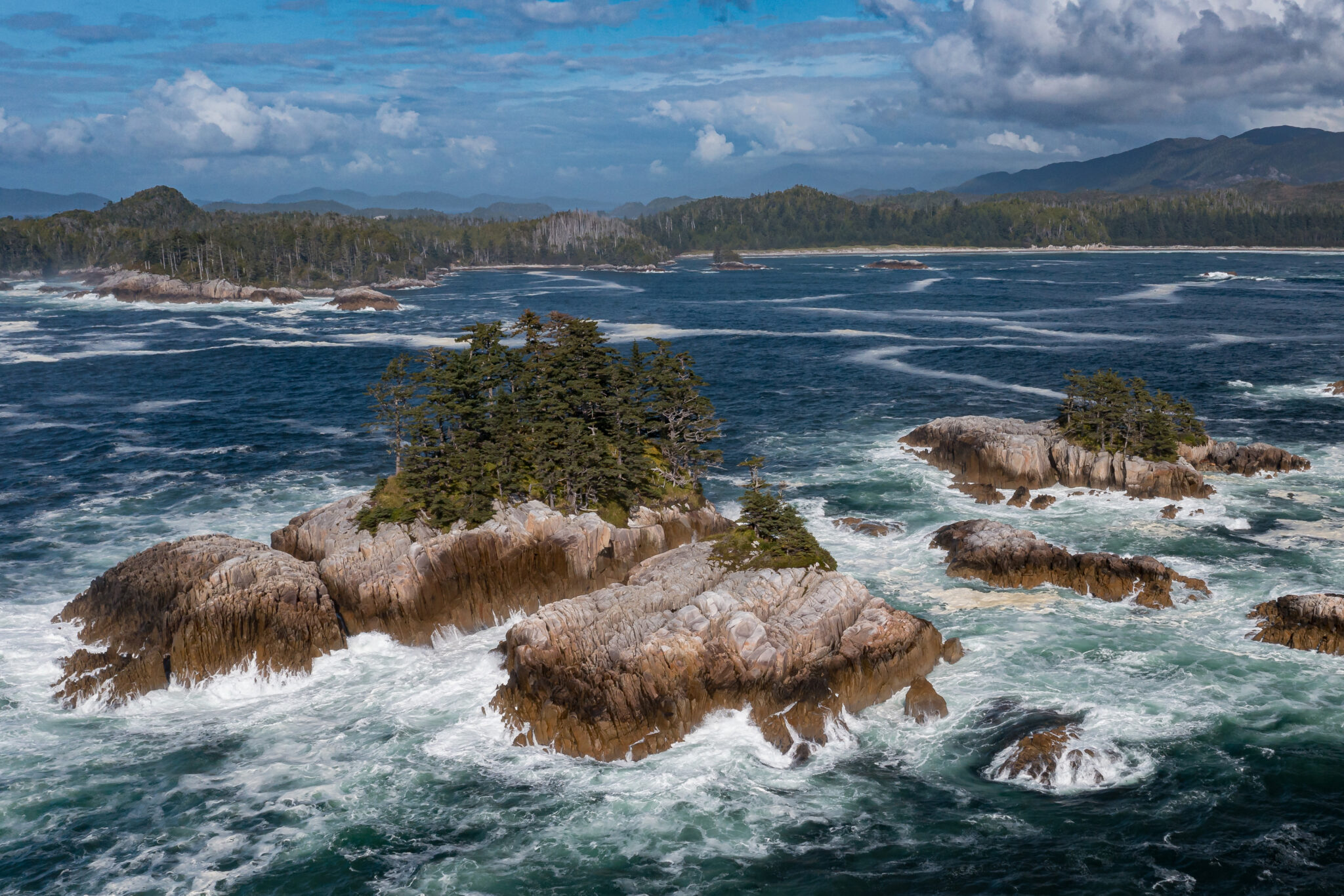
Located near Klemtu on the central coast of BC, the Gitdisdzu Lugyeks MPA is a haven for marine life. Strong tides bring nutrient rich water into the bay, providing a rich source of food for fish, seabirds and marine mammals. Seagrass meadows and kelp forests provide herring with spawning grounds and other young fish with protective nursery habitat.
Designated in 2022, the MPA doesn’t just support nature, it sustains people as well. Gitdisdzu Lugyeks is an integral part of the culture, livelihoods and traditions of the local community. It is known as a spiritual place whose waters and marine life are vital to the Nation’s economy, health and culture. If marine life can thrive here, it is hoped that richness can expand into nearby areas and benefit both the people and wildlife that depend on the coast.
“We know these waters better than anyone, Kitasu Bay has been part of our home for thousands of years through to the present day,” said Hereditary Chief Nies’los (Kelly Robinson) in 2022.
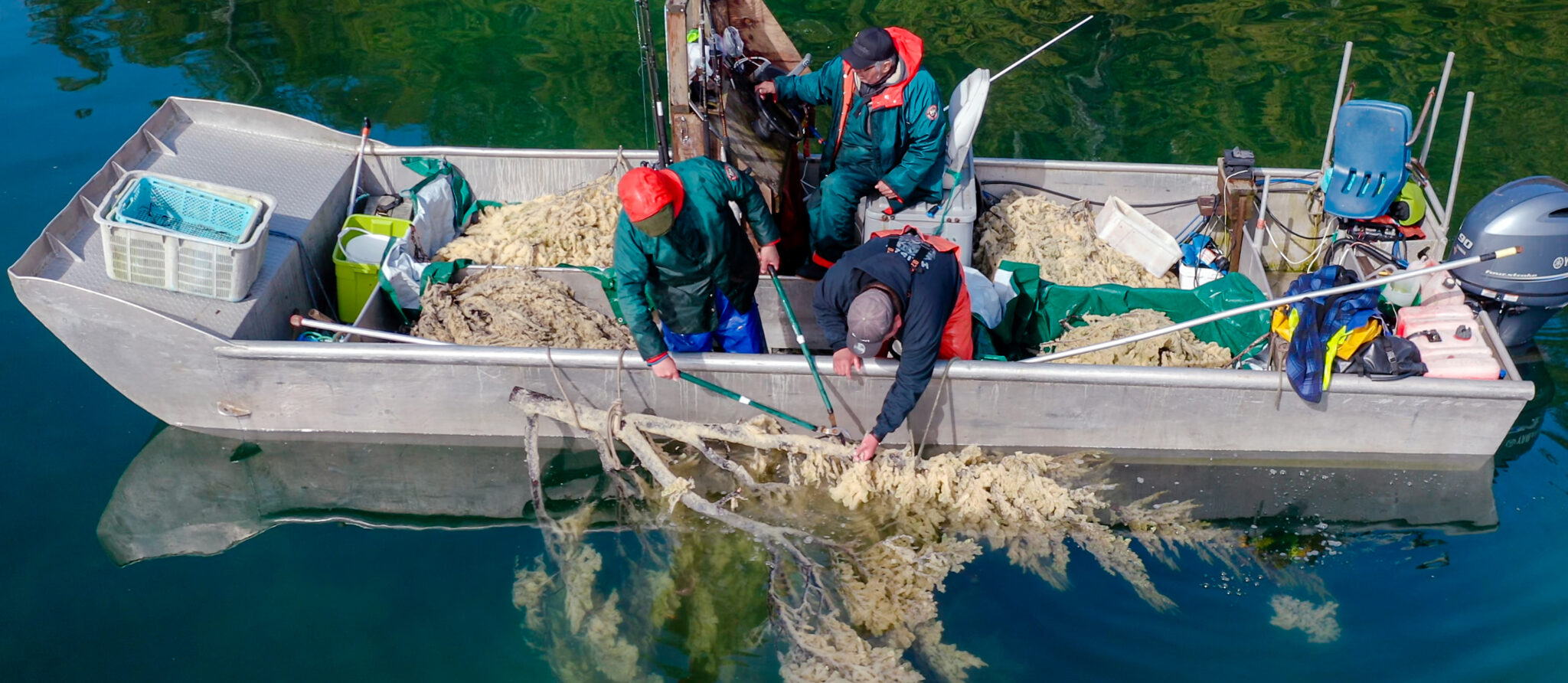
Living around and stewarding these waters for thousands of years, the Kitasoo Xai’xais Stewardship Authority are weaving traditional knowledge and modern science together to responsibly care for the biodiversity and resources of the MPA. With the Kitasoo Xai’xais Guardian Watchmen monitoring these waters, management will follow the guiding principles of the Nation: loomsk (respect), sagayt k’uulm goot (interconnectedness), sityaaw (reciprocity), and gugwilx’ya’ansk (intergenerational knowledge).
Recognizing this, Marine Conservation International awarded Gitdisdzu Lugyeks with a Blue Park award earlier this month. These awards are given in recognition of exceptional marine biodiversity conservation; having met the highest science-based standards for conservation effectiveness. The judging panel considers the productivity and importance of the MPA’s location as well as its regulations and management.
“Receiving this Blue Park Award not only recognizes what we’ve been doing as a Stewardship Authority, but it also sets the stage for other Indigenous Nations to use this as a blueprint for their own protected areas in their territories,” said Kitasoo Xai’xais elected Chief, Doug Neasloss. “The management plan for Gitdisdzu Lugyeks combines our traditional knowledge and responsibilities with western science in a way that protects ecosystems and human livelihoods, and we’re grateful that this award recognizes the strength in that combination.”
This award is further proof of the effectiveness of Indigenous-led conservation. In 2019, a UBC-led studyfound that the total numbers of birds, mammals, amphibians, and reptiles were all greatest on lands managed or co-managed by Indigenous communities, higher than parks and wildlife reserves.
Gitdisdzu Lugyeks will be part of the Great Bear Sea Marine Protected Area Network, an initiative led by 15 First Nations along the north and central coast. The network aims to connect new protected areas to already existing ones to help restore the region’s ocean to abundance for the benefit of children, grandchildren, and future generations.
This award is further proof that Indigenous-led conservation is the way forward. Learning from their vision and knowledge, a healthy coast can be achieved for the well-being of everyone in British Columbia.
New funding announced today by BC government adds to the funding announced last December
December 5, 2023
Unceded territories of the Coast Salish Peoples/Vancouver, BC – Today’s announcement of $60 million from the Province of BC to support Indigenous-led initiatives along the Great Bear Sea is celebrated by the Canadian Parks And Wilderness Society British Columbia.
“This announcement shows the provincial government’s ongoing commitment to Indigenous-led stewardship and sustainable development of the coast,” says Executive Director Meaghen McCord. “This adds to the other recent investments BC has made, and we are encouraged by BC’s ongoing efforts to support First Nation leadership across the province, on land and coast.”
The contribution from the BC government will be added to the previously announced Project Funding for Permanence (PFP) for the Great Bear Sea Initiative along with three other Indigenous-led initiatives announced almost exactly a year ago in Montreal.
The funding will support ongoing work, including the Great Bear Sea Marine Protected Area (MPA) Network– a process started over a decade ago between Indigenous Nations, BC, and Canada. Collaborative and well-managed marine conservation efforts in this region can lead to benefits, including improving the health of the coast, protecting culturally important sites, protecting the future of fisheries and food security, and more.
The announcement comes on the heels of recent polling that shows there is strong support for marine protected areas in the Great Bear Sea. Seventy-nine percent of British Columbians support the creation of a network of Marine Protected Areas that will protect 30 percent of the waters of BC’s Northern Shelf Bioregion (Great Bear Sea), while only nine percent were opposed, according to Mario Canseco.
“We know that a Marine Protected Area Network is what is needed to protect these sensitive and threatened marine areas, which First Nations in the area have been calling for for over a decade,” says Ocean Conservation Manager Kate MacMillan. “This funding will help the implementation of the Marine Protected Area Network Action Plan that was endorsed in February. This funding will help marine life and entire ecosystems to recover, rebound, and adapt, and it will also benefit local communities with dependable food and support local economies, now and for our children and grandchildren.
The funding will also support the Marine Plan Partnership (MaPP), Guardian programs, and sustainable economic development to support new businesses, permanent jobs, and more across the region.
For more information or to request interviews, please contact:
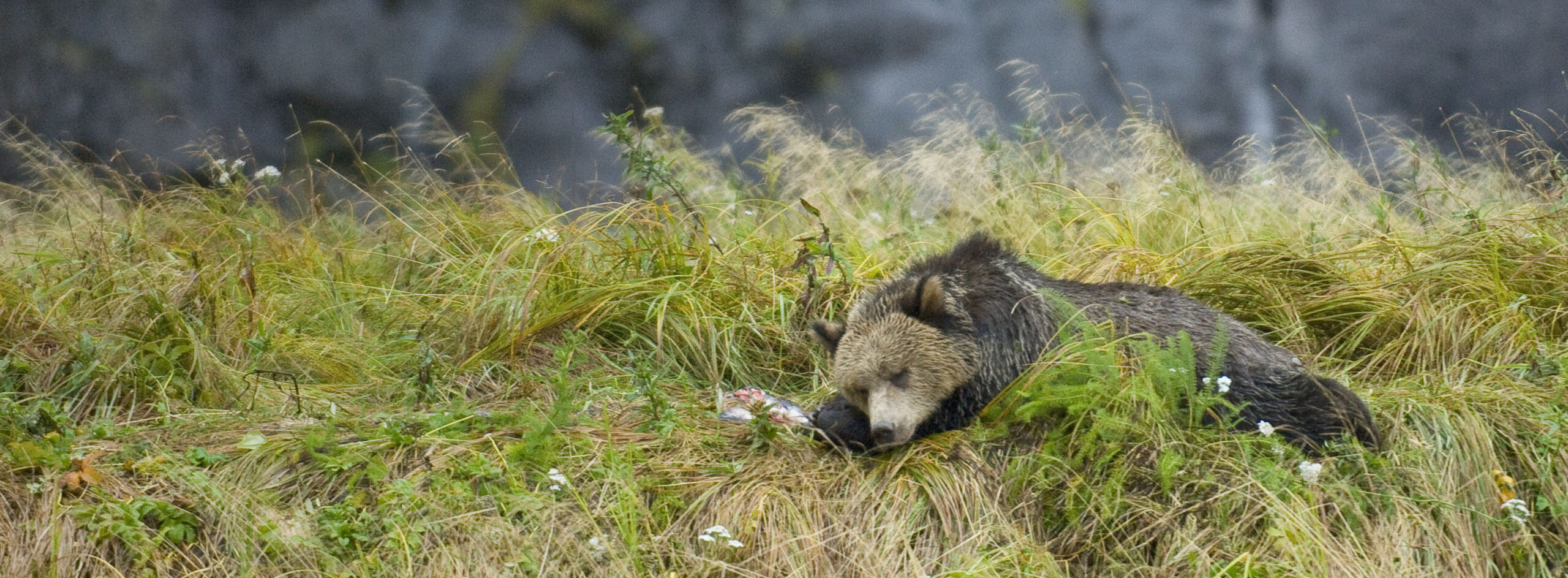
You have probably heard about hibernation, but what is hyperphagia? This term means intense eating, and is a phase that bears go through in the fall to increase their body weight and prepare for winter denning. Bears need to increase their body weight by approximately 30% in order to have enough energy stores to survive winter denning.
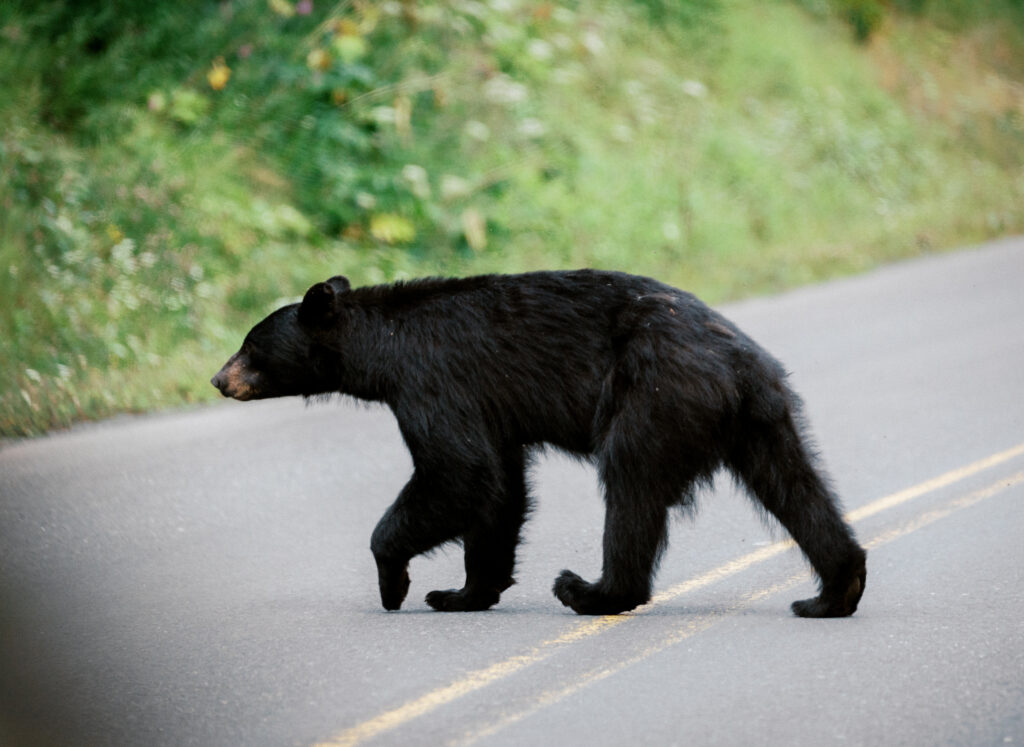
As the fall progresses bears may move to lower elevations where there is still lush greenery to snack on. These lower elevations are where many of our communities in BC lay, which means an increased chance of conflicts with bears this time of year.
Bears have an excellent sense of smell which they use to guide them to food sources. This can also lead them straight into towns if attractants are present. Access to unnatural food sources like garbage, domestic fruit trees and even bird seed can lead to bears becoming food conditioned and/or habituated to humans. This can result in unsafe situations for both bears and people.
People have an important role to play as wildlife stewards. You can help keep bears safe and your neighbourhood free from bear conflicts by practising attractant management. Our friends from WildSafeBC have a Top 10 List you can use to keep bears wild and your community safe!
Keep your garbage secure – store it indoors, in a secure shed, or in a bear-resistant enclosure.
Only put your garbage/yard waste/recyclables out on collection day – never the night before.
Manage your fruit trees so that fruit is picked as it ripens, and no windfall accumulates.
Bring bird feeders in from April through November – and when they are out, ensure that the ground underneath is kept free of seeds.
Feed pets indoors.
Maintain your compost so that it doesn’t smell. Add fruit slowly. Never add meat or dairy.
Protect fruit trees, beehives and small livestock with properly installed & maintained electric fence.
Respect wild animals by not feeding them. Food-conditioned wildlife are more likely to come into conflict.
Keep barbecues clean and odour free.
Report any wildlife in conflict or bear, cougar, coyote or wolf sightings in the community to the Conservation Officer Service 24/7 at 1-877-952-7277.
Most encounters can be prevented by:
making noise
travelling in groups
keeping pets on a leash, and;
avoiding areas where there are signs of recent wildlife activity such as scat.
If you do encounter a bear, stop, try to stay calm and do not run!
Back away slowly from the bear and talk to it in a calm, firm voice to signal that you are not a threat, nor a typical animal they would prey on.
Be sure to have bear spray accessible, like carried on a hip holster, and know how to use it. Bear spray is a low-cost and lightweight option to stop a bear attack.
In the unlikely event a bear charges or is exhibiting stalking behaviour, stand your ground and use your bear spray.
Wildlife in BC’s Parks
Wildlife stewardship starts with managing attractants around your home, and extends into responsible recreation when you visit parks and natural areas. Always be prepared for wildlife encounters, carry bear spray, and be sure to give wildlife plenty of space.
One of the best ways we can support bear conservation is by protecting their habitat. Bears require large and connected habitats to thrive.
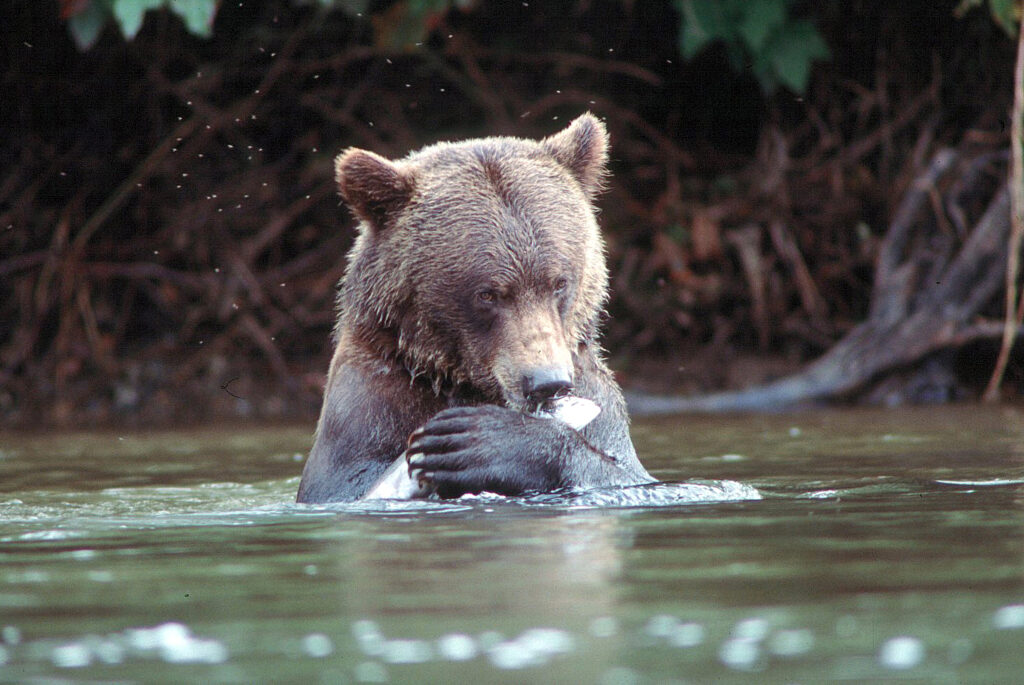
Large natural areas allow bears to meet all their seasonal food requirements. In the spring they need protein rich green shoots that first appear at lower elevations, to help build back muscle after winter denning. In the summer, they need berry rich slopes and meadows. And in the fall, salmon bearing streams offer a critical food source so bears can build up their winter fat stores.
Bears bring the salmon into the forest to eat, where the remains decompose and provide essential soil nutrients that help the trees grow. This helps make bears a keystone species, as they have a major role in healthy BC ecosystems.
Protecting habitat for bears is important to ensure they have enough sources of nutritious food, and reduces their risk of conflict in urban spaces. The goal to protect 30% of land in BC by 2030, will be important for bear conservation and ensuring healthy, functioning ecosystems in BC.
The Day-Use Pass Program is returning to some of BC’s provincial parks including Golden Ears, Joffre Lakes, and Garibaldi Provincial Parks this season to reduce vehicle lineups, parking pressures, and overcrowded trails.
BC’s provincial parks are a haven for wildlife and millions of outdoor enthusiasts across the province. They provide opportunities for us to explore, spend time with family outdoors, and connect with Nature.The growing use and enjoyment of BC’s Parks is incredible. An increase in demand for park services comes with increased pressures on wildlife, natural areas, park staff, and recreation infrastructure.
The Day-Use Pass Program is one tool in a suite of solutions that can help manage and plan for high levels of visitation as parks struggle to keep up with visitor demand.
This article aims to shed light on the growing pressures BC’s provincial parks are facing and the need to manage visitation and support sustainable levels of recreation so parks can continue to support Nature and people for generations to come.
Why is a Day-Use Pass Required?
Their close proximity to Metro Vancouver and stunning vistas have made Golden Ears, Joffre Lakes, and Garibaldi Provincial Parks three of the most popular provincial parks in BC. These parks are seeing visitation skyrocket as more and more people get outside for adventure and to connect with the lands and waters that make BC unique. Between 2012 and 2018, park visitation to these three parks grew by 75%.
From overcrowded trails to packed parking lots and cars lined up along the highway, the evidence of the rising interest and limited management capacity in provincial parks is difficult to miss.
Limited parking availability at Joffre Lakes Provincial Park leads to illegal parking along Highway 99, putting pedestrians, drivers and BC Parks staff at risk. Photo: Steve Jones via CBC
The surge in visitation is challenging BC Parks’ mission to balance safe outdoor recreation with the protection of natural environments. Rising visitation is overwhelming park infrastructure and natural areas in many popular parks, leading to diminished visitor experiences, visitor safety concerns, and impacts on Nature that parks were created to protect. BC Parks staff are seeing impacts such as improper disposal of human waste and garbage, and damage to sensitive areas like alpine environments.
Overcrowding can lead to people wandering off trails, which can cause trail braiding (when multiple paths split off and rejoin the main trail), erosion, and trampled vegetation. This impacts the long-term health of the forests and wildlife in parks.
Trail braiding. Photo: BC Parks
Underlying Issues
BC Parks has been starved of funds for decades. Years of chronic underfunding have:
Created a backlog in the upkeep of recreation infrastructure like boardwalks and trails;
Stalled the development of management plans, limiting the development of recreation opportunities in parks; and
Restricted the establishment of new parks, trails, and infrastructure such as toilets and campsites to meet the rising demand of park visitors who love to get outside.
Recent injections of funds into the BC Parks system are welcomed, and BC Parks is now in a state of playing catch-up while facing sustained demand.
Park agencies worldwide are looking to visitor-use management as park visitation soars. The US National Park Service implemented a day-use management tool in 2020 to reduce overcrowding and protect Nature in several popular parks, including Arches and Glacier National Parks.
The planning, expansion, and construction of new facilities and trails take time, consultation, and careful consideration. As BC Parks continues to play catch-up and work to improve trails, upgrade infrastructure, and build more campsites, the Day-Use Pass Program helps reduce the impacts of recreation on Nature while also improving visitor safety and the park experience by reducing overcrowded trails, roads and parking lots.
The Day-Use Pass Program should be complemented with other tools to support the growing demand for parks and recreation. This includes increasing transit access to parks to alleviate parking pressure and investing in recreation planning and park expansion near city centres.
Expand parks, both in size and recreation infrastructure, to keep up with visitor demand, relieve pressure off of existing trails and infrastructure, and protect habitat for endangered wildlife;
Increase park ranger staff to maintain infrastructure and enforce rules that keep visitors and wildlife safe;
Modify trail infrastructure and design to protect vegetation (e.g. installing boardwalks);
Improve visitor education to mitigate impacts on wildlife and sensitive natural areas; and
Support BC Parks’ dual mandate to provide high-quality outdoor recreation opportunities and protect diverse natural environments for world-class conservation.
Increased funding for trail maintenance and upgrades would help protect sensitive plant and animal habitats like this sub-alpine meadow in Manning Provincial Park.
Heather Trail in Manning Provincial Park. Photo: Andy Gibb via Federation of Mountain Clubs of BC
Parks and protected areas are a fundamental part of our health care system, they provide many opportunities to get outside and connect with Nature, from canoeing to horseback riding to multi-day hiking adventures. They are also a critical ally in our fight against climate change and biodiversity loss. Increased, sustained funding will not only support people getting outside to connect with Nature, it will also support BC’s commitment to safeguard biodiversity by protecting 30% of lands by 2030.
Take action to increase funding for BC’s provincial parks
Let your elected leaders know that you want to see increased funding for BC Parks by clicking the button below.
CPAWS-BC celebrates steps towards facilitating Indigenous land stewardship and increasing land protection in BC.
18 January 2022Xʷməθkʷəy̓əm (Musqueam), Sḵwx̱wú7mesh (Squamish) and səlilwətaɬ (Tsleil-Waututh) Territories / Vancouver, BC— The Canadian Parks and Wilderness Society – British Columbia (CPAWS-BC) celebrates a new partnership approach between Blueberry River First Nations and British Columbia to uphold Treaty 8 rights and protect lands and waters within Suunéch’ii Kéch’iige, “The Place Where Happiness Dwells”. The Blueberry River First Nations Implementation Agreement is an important step toward facilitating Indigenous land stewardship, recognizing Indigenous rights, and increasing land and biodiversity protection in BC.
Northeastern British Columbia has been significantly impacted by development activities such as oil and natural gas extraction and forestry. This agreement will help prevent and reverse biodiversity loss through improved land use planning and restoration.
“Lands managed by Indigenous Peoples are known to have the highest levels of biodiversity. We’re excited about an increase in protected areas in BC, especially with Indigenous stewardship at the forefront,” says Meaghen McCord, Executive Director with CPAWS-BC.
This agreement is a response to the BC Supreme Court (Yahey) decision made on June 29, 2021, which stated the Province is required to protect the constitutional rights of Blueberry River First Nations and better manage the cumulative effects of industrial development on Blueberry River First Nations Treaty rights.
Collaborative land use planning detailed in this agreement identifies new areas for protection from logging, implements restrictions on oil and natural gas development in Blueberry Rivers’ Claim Area, and details an ambitious timeline for implementation. New land protections that value ecosystem health over natural resource extraction will advance BC’s commitment to protecting 30 percent of lands by 2030. The increase in protected areas and an ecosystem-based management approach will help safeguard biodiversity and species at risk.
The agreement includes new funding to restore a more intact and diverse forest with native plants. Indigenous knowledge and western science will be brought together in wildlife monitoring and management, with a focus on moose and caribou population recovery. Restoration to heal the land, and co-management of wildlife will ensure healthy ecosystems for future generations.
“Indigenous Peoples have stewarded rich and healthy landscapes since time immemorial. We hope this new partnership approach in land use planning will help fast track a pathway for creating new, and recognizing already declared, Indigenous Protected and Conserved Areas (IPCAs) in BC.” says Meaghen McCord, Executive Director.
This agreement is great news for the modernization of land-use planning and shared decision-making in BC that recognizes Indigenous rights and responsibilities and considers cumulative effects. We congratulate Blueberry River First Nations and the Province on this important agreement.
The CPAWS British Columbia chapter (CPAWS-BC) works to protect wilderness in every corner of BC and deep into the ocean. We have been defending BC since 1978, and are dedicated to keeping BC’s natural environment thriving forever. Nature is BC’s best hope.
CPAWS-BC celebrates a commitment to protecting 30% by 2030 and advancing Indigenous Protected and Conserved Areas in BC
CPAWS-BC applauds provincial direction to protect 30% of land by 2030
December 8, 2022,traditional unceded Coast Salish Territory/Vancouver, British Columbia — The Canadian Parks and Wilderness Society, British Columbia (CPAWS-BC) is celebrating the Government of BC’s move to take major action on conservation by protecting 30% of lands by 2030 and advancing Indigenous Protected and Conserved Areas (IPCAs). This crucial direction was set through the mandate letter from the Premier to the new Minister of Water, Land and Resource Stewardship, Nathan Cullen, and makes BC the second province in Canada to make this commitment.
“With this direction, BC is investing in our future, and protecting the natural world that provides our food, clean water, clean air and stable climate,” says Tori Ball, Terrestrial Conservation Manager with CPAWS-BC. “Protected areas help to mitigate the worst effects of climate change, while contributing to diversified local economies and advancing BC’s reconciliation goals. This is extremely good news for all British Columbians.”
“We are very happy to see the Government of BC remains committed to protecting our coastal marine ecosystems in this mandate too,” says Kate MacMillan, Ocean Conservation Manager for CPAWS-BC. “This is good for marine life and also safeguards the livelihoods of those living there. A healthy ocean is good for nature, and for BC’s economy.”
Existing protected area proposals and IPCA declarations add up to nearly 100,000 square kilometres, covering two and a half times the landmass of Vancouver Island.
“BC is the most biologically diverse province in Canada,” says Ball. “The new mandate letter shows support for work that is already underway to halt and reverse biodiversity loss here in BC . Protecting 30% by 2030, supporting IPCAs, developing a biodiversity law as a key recommendation from the Old Growth Strategic Review – this is all good news for our land, waters and wildlife.”
Indigenous Nations in the province are already leading the way through conservation visions, declarations and stewardship initiatives in their traditional territories. Ball says she is hopeful the mandate letter will specifically lead to increased action on Indigenous-led conservation proposals such as the Kaska Dena’s Dene K’éh Kusān and the Lower Similkameen’s sməlqmíx Protected Areas.
Research shows that biodiversity thrives on Indigenous-managed lands and waters, and these are just two of the incredible proposals that would safeguard intact watersheds and create refuges for wildlife like caribou and many other species” she says. “Their work allows threatened species to make a comeback, bolsters Indigenous rights to land and culture, and helps the province adapt to a rapidly changing climate, so it must be supported.”
The announcement comes during the Fifteenth Conference of the Parties (COP15) to the United Nations Convention on Biological Diversity (CBD) in Montreal, and where Ball and MacMillan are attending on behalf of CPAWS-BC alongside Indigenous partners to encourage Canada and the international community to land an ambitious new global deal to save nature, and urge them to support Indigenous Peoples’ land and ocean protection efforts.
-30-
For interviews, contact:
Tori Ball, Territorial Conservation Manager, CPAWS BC tori@cpaws.org | (604) 685-7445 x24
Kate MacMillan, Ocean Conservation Manager, CPAWS BC kate@cpaws.org| ( 604) 685-7445 x 26
About CPAWS-BC:
The Canadian Parks and Wilderness Society (CPAWS) is Canada’s only nationwide charity dedicated solely to the protection of our public land, ocean, and freshwater, and ensuring our parks and protected areas are managed to protect nature. Since 1963, CPAWS has played a leading role in protecting over half a million square kilometers. Our vision is to protect at least half of Canada’s public land and water in a framework of reconciliation – for the benefit of wildlife and people.
The CPAWS British Columbia chapter (CPAWS-BC) works to protect wilderness in every corner of BC and deep into the ocean. We have been defending BC since 1978, and are dedicated to keeping BC’s natural environment thriving forever. Nature is BC’s best hope.
We use cookies and other similar technologies such as pixels and web beacons (“Cookies”) for various purposes, such as to ensure our website functions properly, enhance your browsing experience by remembering your preferences and provide personalized content and advertisements.
Functional
Always active
The technical storage or access is strictly necessary for the legitimate purpose of enabling the use of a specific service explicitly requested by the subscriber or user, or for the sole purpose of carrying out the transmission of a communication over an electronic communications network.
Preferences
The technical storage or access is necessary for the legitimate purpose of storing preferences that are not requested by the subscriber or user.
Statistics
The technical storage or access that is used exclusively for statistical purposes.The technical storage or access that is used exclusively for anonymous statistical purposes. Without a subpoena, voluntary compliance on the part of your Internet Service Provider, or additional records from a third party, information stored or retrieved for this purpose alone cannot usually be used to identify you.
Marketing
The technical storage or access is required to create user profiles to send advertising, or to track the user on a website or across several websites for similar marketing purposes.




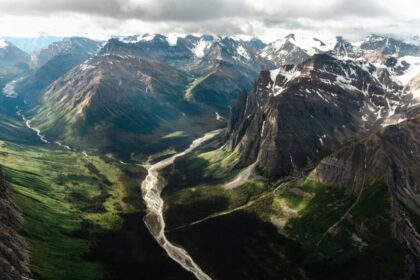 Kaska lands and waters. Photo by Adam Combs.


