
Blueprint for the Coast
A BC Coastal Marine Strategy and law
The Coastal Marine Strategy is an intersectional plan aiming to boost biodiversity, tackle marine pollution, and recover nearshore habitats with nature-based solutions – all the while advancing Indigenous coastal management, building up resilience to climate change, and working to revitalize coastal communities and economies.
The strategy was co-developed with First Nations and incorporated critical feedback from people across BC. Now, we’re working to ensure the Coastal Marine Strategy is effectively implemented, resourced, and strengthened by legislation.
Goal
A Coastal Marine Strategy and law that upholds Indigenous rights, boosts biodiversity, and uplifts coastal communities.
Partners

Quick Facts
Size and Location
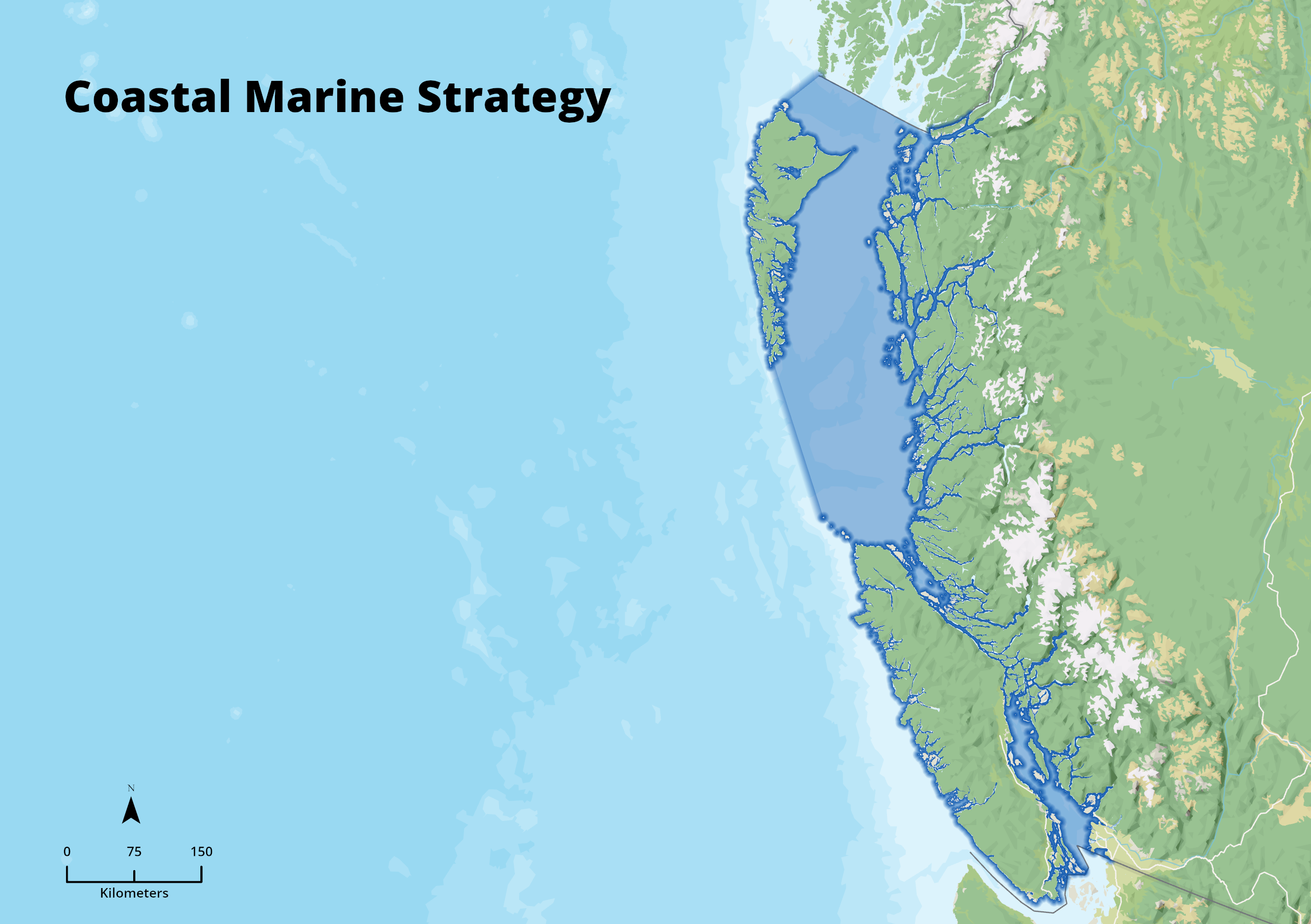
The Coastal Marine Strategy will encompass the entire coastline of BC, including the waters that fall between Haida Gwaii, Vancouver Island, and the Mainland.
Years of Collaboration
Since 2018, CPAWS-BC and West Coast Environmental Law have been advocating for a BC Coastal Marine Strategy and Law.
What Do We Mean When We Say The Coast?
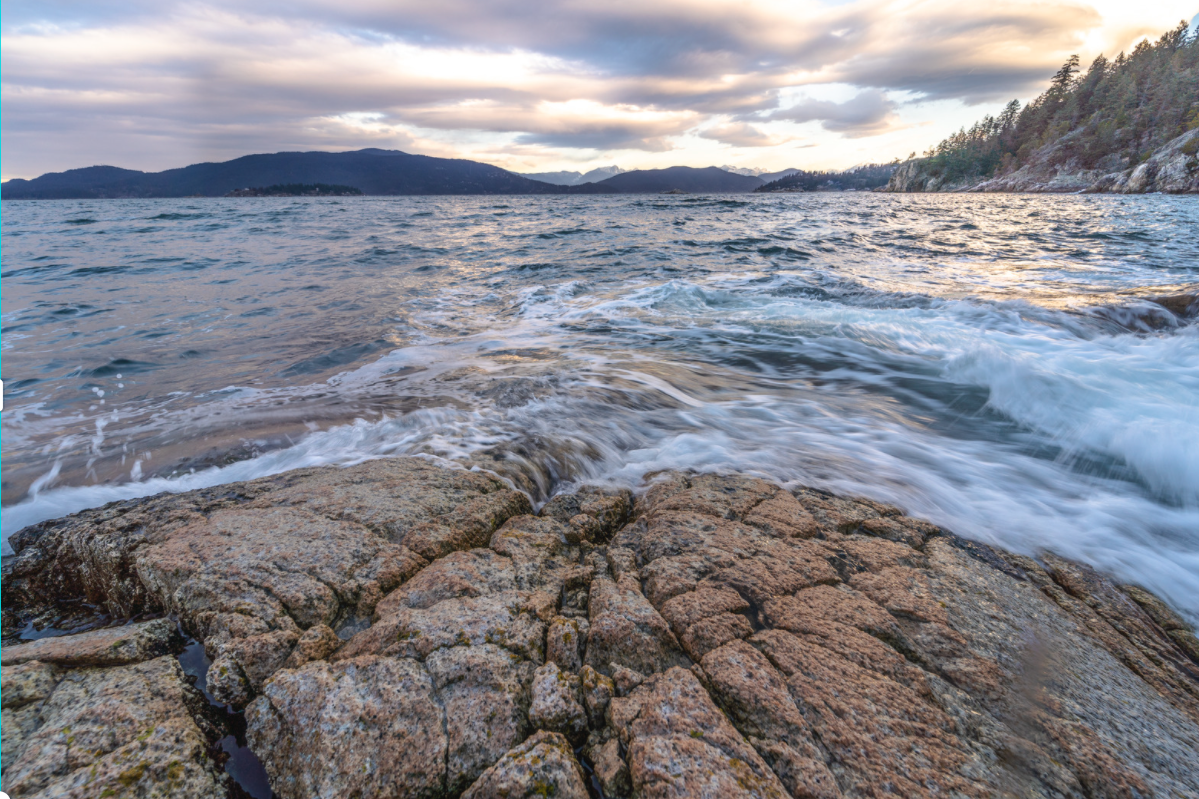
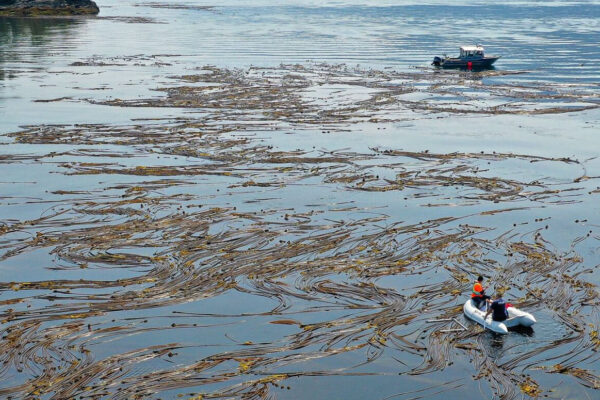
BC’s coast extends from the high water mark down to the seabed for all inland waters and up to 12 nautical miles off the west coast of the province. These coastal regions are made up of countless rocky intertidal habitats, kelp beds, seagrass meadows, and saltmarshes.
Complex Jurisdictions
BC’s coast and oceans are governed by complex jurisdictions including federal, provincial, municipal and First Nations.
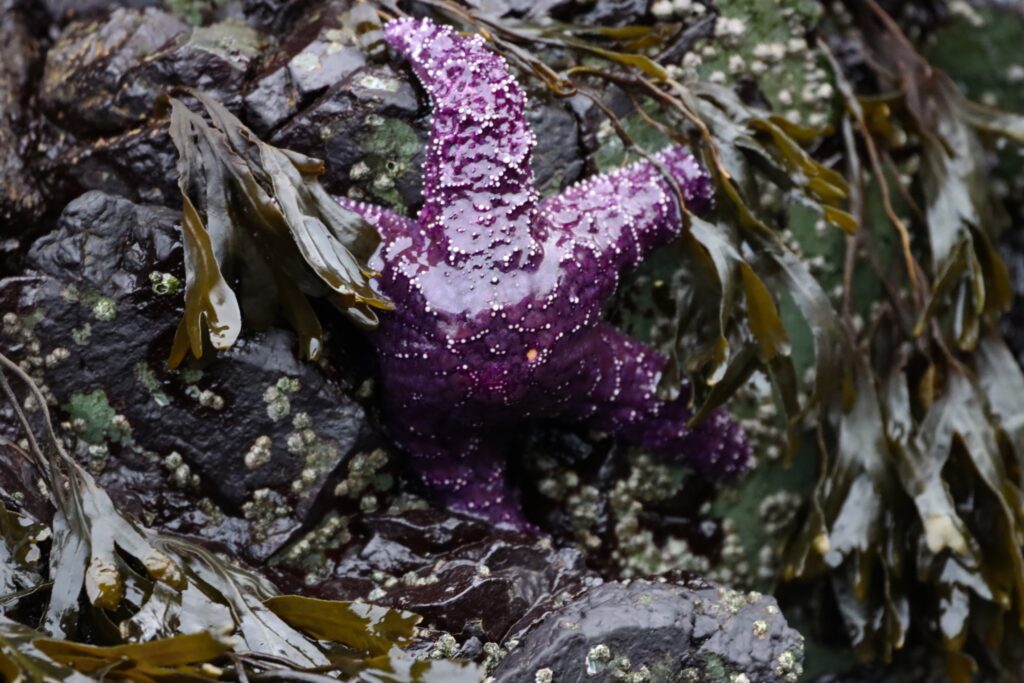
Photo by: Alicia Elgert
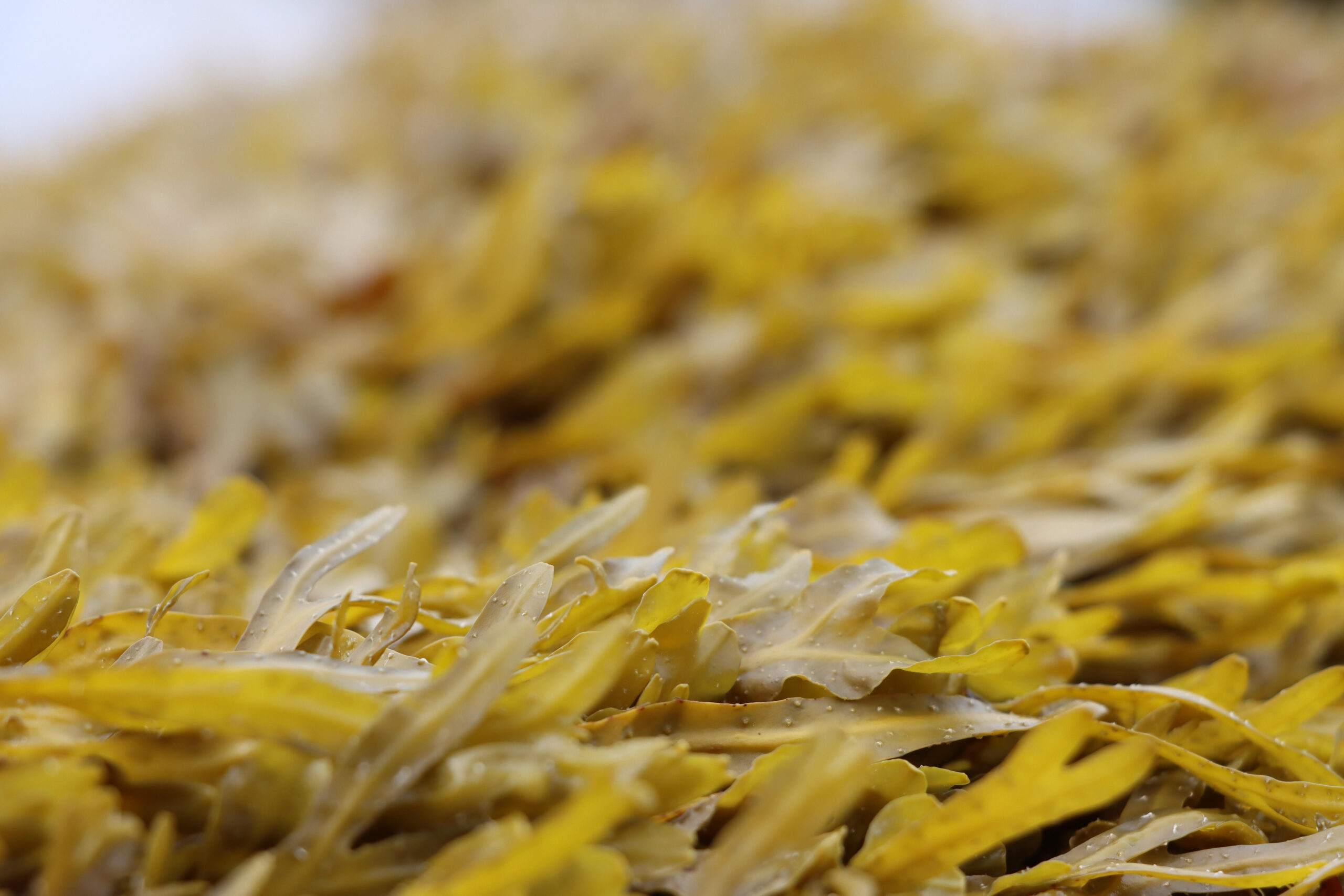
Photo by: Alicia Elgert
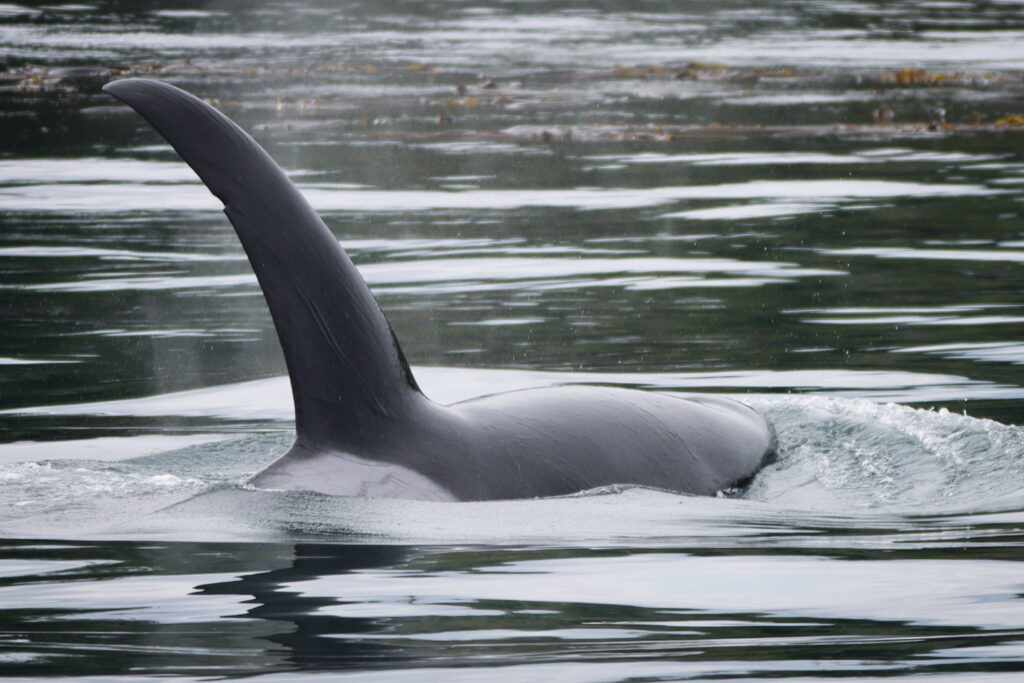
Photo by: Alicia Elgert
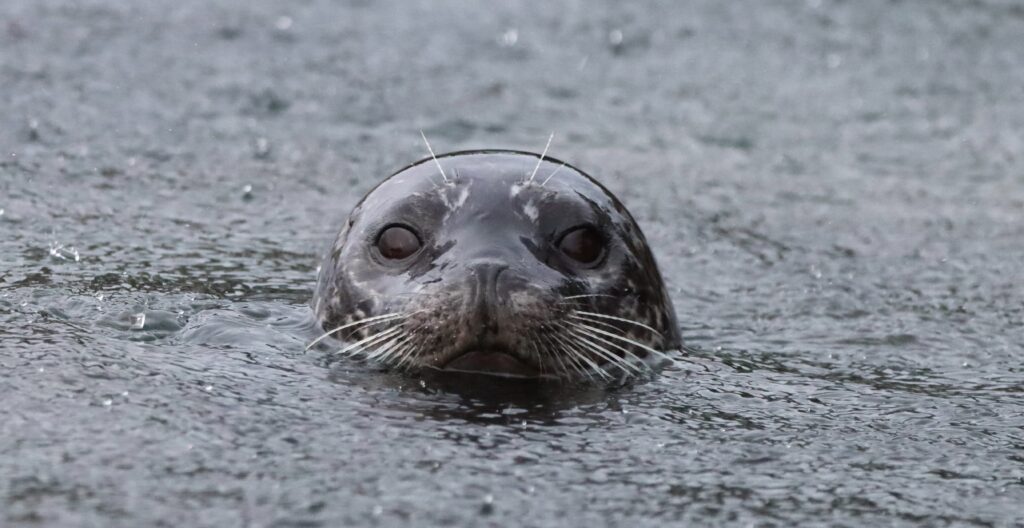
Photo by: Alicia Elgert
Why Action is Needed
What's at stake?
The coast is our lifeline – it plays an irreplaceable role in ecological function, Indigenous cultural survival, recreation, climate adaptation, and ensuring British Columbia’s economic prosperity. Unfortunately, these ecosystem services are being eroded by habitat degradation, pollution, and the intensifying impacts of climate change.
The Coastal Marine Strategy is an intersectional plan aiming to boost biodiversity, tackle marine pollution, and recover nearshore habitats with nature-based solutions – all the while advancing Indigenous coastal management, building up resilience to climate change, and working to revitalize coastal communities and economies.
The strategy was co-developed with First Nations and incorporated critical feedback from people across BC. Now, we’re working to ensure the Coastal Marine Strategy is effectively implemented, resourced, and strengthened by legislation.
- Across the province, ocean-based activities contribute $21 billion annually and directly employ 131,000 people full-time. The B.C. marine-based tourism and recreation industry alone generates over $5 billion every year.1 Ultimately, when the ocean thrives, so do we.
- Coastal ecosystems like eelgrass meadows, kelp forests, and salt marshes have the unique ability to sequester carbon. These ecosystems mitigate climate change by absorbing atmospheric carbon through plants and algae, storing the carbon in their tissues and the sediments within their habitats. Without these habitats, we lose a vital ecosystem service in the fight against climate change.
- Several First Nations across BC have been forced to endure shellfish closures on their traditional territories. These are protocols that ban the harvest and consumption of shellfish from local beaches, due to a risk of contamination with pollutants and/or E. coli. Pauquachin First Nation (located on the Saanich Peninsula) has not been able to participate in traditional harvests in Coles Bay since 1997. Closures like these interfere with their inherent treaty rights and prevent community members from passing down traditional knowledge to younger generations.

Solutions
Establishing a healthy, resilient coast that benefits people and biodiversity
The Coastal Marine Strategy highlights four main themes with 9 corresponding goals:
Healthy coastal marine ecosystems
Goal 1: Diverse marine life
Goal 2: Abundant wild Pacific salmon
Goal 3: Clean coast
Resilience to climate change
Goal 4: Climate ready communities
Thriving coastal economies and communities
Goal 5: A sustainable coastal economy
Goal 6: Vibrant coastal communities
Informed governance
Goal 7: Trusting, respectful relationships
Goal 8: A robust tool kit
Goal 9: Integrated and balanced management
These desired outcomes are to be addressed with a total of 116 actions to ensure better coastal protection and management. In order for this strategy to be successful it must be sufficiently resourced and strengthened by legislation.
- Climate adaptation: An increase in sea level rise, storm surges, flooding, and shoreline erosion pose a major safety risk to people living in coastal communities and cost the province significantly when it comes to the repair of seawalls and other hard-armoured structures. The Coastal Marine Strategy will address these impacts by incentivizing the restoration of natural shorelines, as their gradual slopes and increased vegetation absorb energy from wave action – helping communities adapt to a rising sea level, while reducing erosion and flood risks. Not only will the reintroduction of natural shorelines save on infrastructure repair costs, it will provide critical habitat for intertidal life and forage fish.
- Indigenous co-management and reconciliation: Advance meaningful acts of reconciliation by encouraging Indigenous Protected and Conserved Areas (IPCAs), Guardians Programs, and introducing a Healthy Shellfish Initiative that will help to ensure Indigenous cultural survival and food security.
- Enshrining the Coastal Marine Strategy in law: Legislation is key to strong, integrated coastal management. An accompanying legal framework will ensure the policies outlined in the Coastal Marine Strategy are prioritized, long-lasting, and able to withstand changes in the political landscape.
We Need Your Help
Tell BC to Invest in the Coastal Marine Strategy
Updates & News

CPAWS BC
February 4, 2025
District of Saanich and City of Langford vote to push Province to legislate Coastal Marine Strategy
SAANICH & LANGFORD, BC / Unceded territories of the lək̓ʷəŋən and W̱SÁNEĆ Peoples Tonight, the District of Saanich and City ...
More Info
CPAWS BC
April 12, 2025
Saturday, April 12, 2025 NANAIMO, BC / Unceded territories of the Snuneymuxw, Snaw-naw-as, and Stz'uminus, and Qualicum First Nations Today, ...
More InfoLearn More
Marine Protected Areas 101: An introduction to MPAs The beautiful coast of British Columbia has sustained people for thousands of ...
More Info
Marine Protected Areas: Benefits for Nature and People
A win-win! Marine Protected Areas are not simply about restricting activities or access, they’re about letting life back in and ...
More Info


