
December 16, 2025 – by Sarah McNeil
The close of the year — the cooler weather, shorter days and darker nights — always feels to me like nature’s personal invitation to pause and reflect. And as I consider all that was accomplished in 2025, my first year as Executive Director, one thing is crystal clear: we can’t do this work, the vital work of protecting water, land and wildlife, without you. Your generous support, your voice, and your actions help safeguard the wild places that we all love, and I am so grateful for each and every one of you.
This has been a remarkable year for conservation in British Columbia, with a lot to celebrate. Together, we’ve made meaningful progress for nature all across the province.
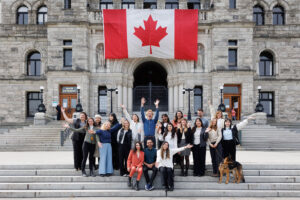
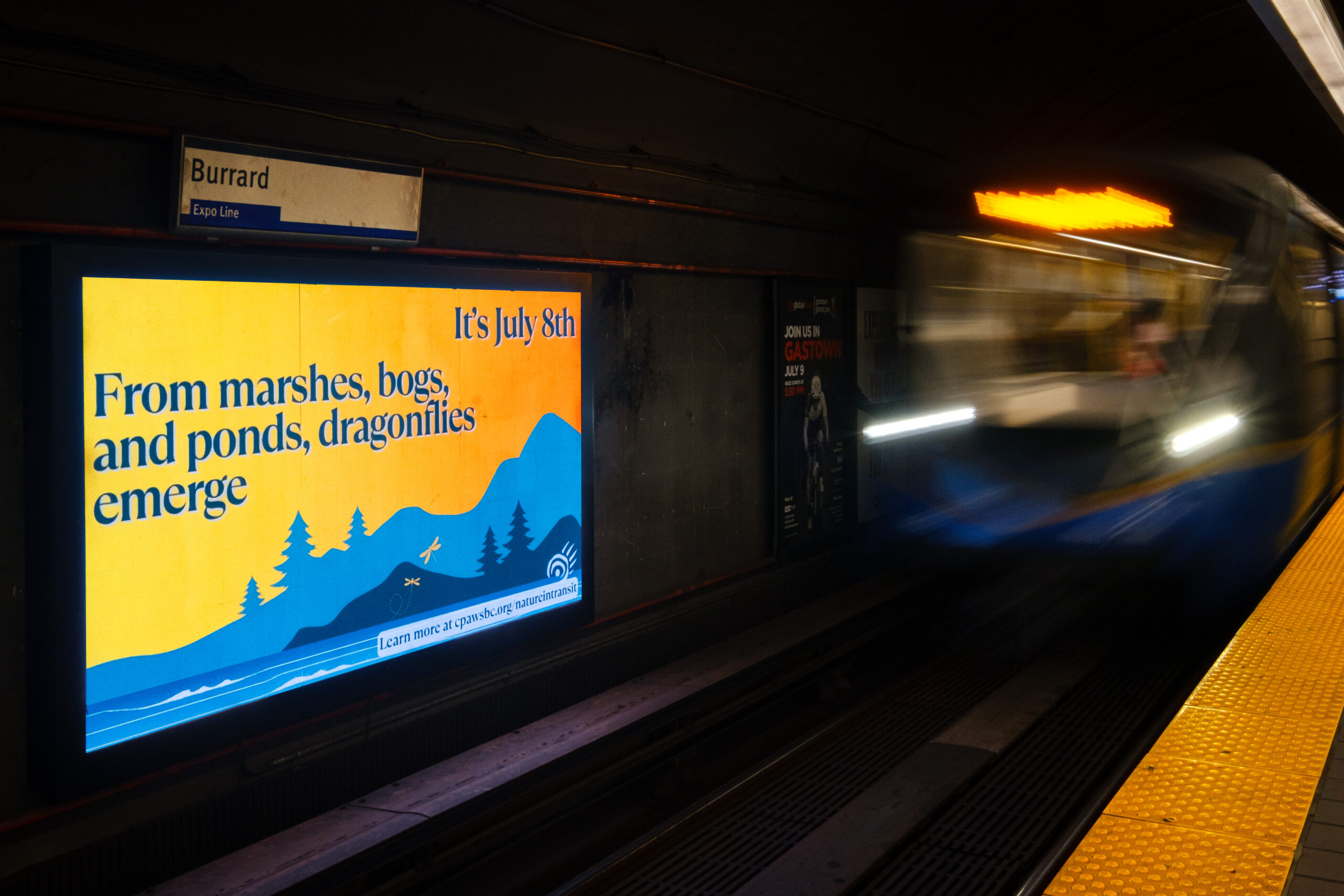
In April, we took 25 young people to Victoria to meet with key decision makers, including multiple Ministers and the opposition caucus, to speak up for nature. It was the culmination of months of training through our Young Leaders in Conservation Program, which equips youth with skills in conservation advocacy, including government relations, communications, and strategic campaigning. These same youth went on to lead a host of projects through the summer and fall, including local community events and a Nature in Transit installation in Metro Vancouver.
In June, we cheered the launch of four concurrent land use planning processes in northwest BC, including a region that holds Dene K’éh Kusān, the Kaska Nation’s proposed Indigenous Protected and Conserved Area (IPCA). Modernized land use planning, done in partnership with First Nations, can provide certainty for communities and for nature by laying out a clear path for land management. The areas identified this summer offer an incredible opportunity to safeguard up to six million hectares of wilderness. If successful, these processes would not only serve as a template for joint land use planning with Indigenous Nations, they’d provide connectivity over an expansive area, one that protects watersheds and safeguards critical habitat for species like woodland caribou, grizzly bears and wolverine. Our team has attended virtual and in-person stakeholder engagements for three of the four land use planning processes so far, and continues to work alongside First Nations, government, and other environmental groups to ensure that land, water, and wildlife are represented.
You can learn more about the land use planning processes in this new blog by Conservation Director Aleesha Switzer.
And just a few weeks ago, we celebrated an endorsement by the Union of BC Municipalities (UBCM) of a motion to call on the province to enact a law to support the Coastal Marine Strategy. This motion from local governments is the culmination of years of work to safeguard coastal waters and the communities that rely on them. Back in 2019, we launched a campaign with our partners at West Coast Environmental Law to support the creation of a provincial strategy to coordinate management, policy and legislation along the BC Coast, and after five years of advocacy by First Nations and concerned residents, the BC government released its Coastal Marine Strategy in 2024. However, in the year since the strategy’s release, little progress has been made towards implementation, and government continues to dodge questions about timelines and next steps. We were honoured to work with coastal communities including the District of Saanich and City of Langford to secure a resolution for UBCM, and are grateful to local governments across the province for their support for the coast.
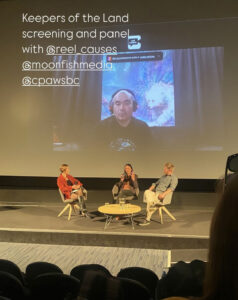
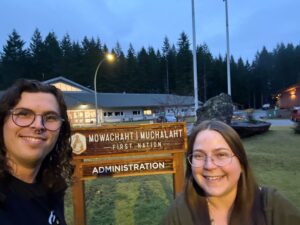
There is so much more to celebrate from 2025. CPAWS-BC launched reports on progress towards 30×30, land use planning best practices, and species at risk. You, our supporters, wrote letters and sent messages to the government to support a national park in the South Okanagan-Similkameen, and protect the coast from oil tankers. We visited coastal and interior communities to meet with First Nations, partners, and government. I am particularly grateful for all the time we spent together, at film screenings and festivals, community workshops, paint nights and on the beach.
There are real challenges in front of us in 2026. The northwest land use planning processes have been hindered by lack of capacity within government and delays due to the public service strike, and it will take a real push from people like you to keep things on track. It certainly wasn’t in our plans to be fighting a lift of the oil tanker ban on the north coast, a battle we already fought and won nearly a decade ago. But I am also hopeful, because this year has shown the power of our collective action, and I know that we can rely on each of you in the weeks and months to come. Thank you for protecting nature with us. We’re grateful for your trust and your support, and I look forward to connecting with more of you in 2026. Wishing you a safe and joyful festive season, and a very happy new year.