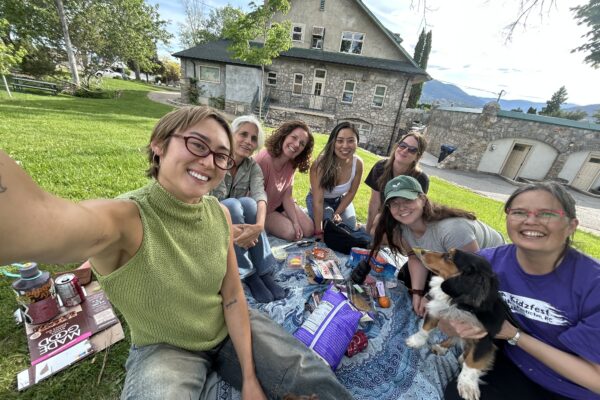

Artvocacy is a first-of-its-kind program that brings together artists, writers, photographers, and community members across the Okanagan who care deeply about the land they live on.
Over the course of the program, participants develop a creative project — a photo series, a short film, a zine, a mural, a community event — that connects their artistic practice to a real conservation issue. The idea is simple: Art opens doors that policy briefs can’t. It makes people feel something. And when people feel something, they’re more likely to act.
Artvocacy is about turning that feeling into real, public advocacy for the places and species we love.
“Artvocacy really helped me understand how activism and advocacy work. It’s like a road map guiding you through the maze of public advocacy. How to say what you really want to communicate to the right person using the right way. How to use art to illustrate your concerns about the natural world and conservation.”
-Lyse Deselliers
Learn more about Artvocacy
Who are the partners?
This program is led and created by the Penticton & District Community Arts Council (PDCAC) and the Canadian Parks and Wilderness Society – BC Chapter (CPAWS-BC).
When does this program run?
The program is runs March to September 2026.
March: 4-5 online and hybrid sessions focusing on conservation and advocacy curriculum.
April – May: Artistic masterclasses begin.
June – August: 3-month supported creation period.
September: Community showcases and exhibitions in the Okanagan to engage with local decision-makers and the public.
What participants do?
🌿 Attend workshops and masterclasses led by professional artists and mentors
🌿 Learn about local ecology, conservation science, Indigenous stewardship, and political advocacy
🌿 Develop a public-facing keystone creative project
🌿 Connect with a community of artists who care about the land
🌿 Present their work at a public exhibition at the end of the program
The program is free. We support participants’ creative development and support travel costs — because we believe creativity and advocacy should be accessible to everyone.
Why the South Okanagan Similkameen?
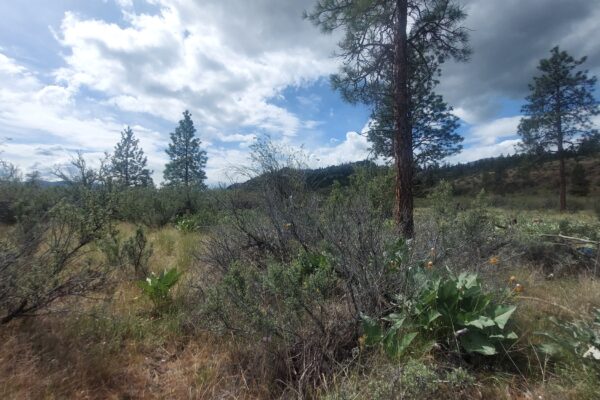
The South Okanagan Similkameen is one of the most biodiverse and most endangered regions in Canada.
It is home to over 246 species at risk. It holds Canada’s only semi-arid shrubland ecosystem. Its grasslands, wetlands, and ponderosa pine forests shelter birds, reptiles, mammals, and plants found nowhere else in this country.
It is also under pressure. From urban sprawl, habitat fragmentation, agricultural expansion, and climate change. The decisions being made right now — by governments, communities, and individuals — will determine whether this landscape can thrive for future generations.
What issues do you work on?
🌿 South Okanagan-Similkameen National Park Reserve A proposed national park that would protect one of Canada’s most endangered landscapes — 20 years in the making, still not done.
🌿 30×30 Canada has committed to protecting 30% of its land and water by 2030. We’re at 16%. We need to move faster.
🌿 Species at Risk Over 246 species at risk in the South Okanagan alone — including burrowing owls, badgers, sage thrashers, and white-headed woodpeckers. Many found nowhere else in Canada.
🌿 Indigenous-Led Conservation The most effective conservation happening in this region is being led by First Nations. We follow their lead.
🌿 Wildlife Corridors Connected landscapes are how species survive. Fragmentation is how they disappear.
Meet the 2026 Cohort
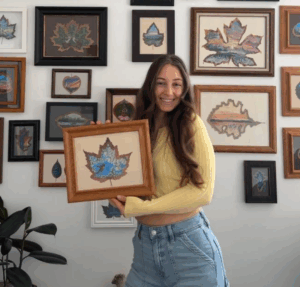
Alexandra Lalande
Alexandra Lalande grew up in Wahnapitae, Ontario. This beautiful and rural area greatly influenced her curiosity and respect for nature and wildlife. Upon pursuing a career in Toronto, she found a huge absence of the scenery she was so familiar with and became very aware of the effects of consumerism and waste. She had always enjoyed art class in high school and began painting on leaves in November of 2015 in hopes of raising awareness for waste reduction, species at risk, and nature impacted by human activities. By utilizing leaves that naturally become available, and repurposing frames where possible, new production and transportation emissions normally produced from traditional art medians are conserved as deciduous trees drop their leaves every autumn to conserve energy throughout the winter.
Alexandra’s interests in nature flourished as she learned about leaves and she decided to pursue a second career. She continued to paint throughout her studies in forestry and has since become a Registered Professional Forester with Forest Professionals British Columbia. She is now able to combine her scientific education with her passion for nature and wildlife. Most importantly, she hopes this art inspires curiosity, waste reduction, and action for nature and wildlife conservation.
Ariel Kesike Hill
Ariel Kesike Hill is an Indigenous artist hailing from Six Nations of the Grand River and Wiikwemkoong Unceeded Territory, now residing on the traditional territory of the Sinixt, Secwepemc, Ktunaxa and Syilx/Okanagan peoples, in Revelstoke, BC. Hill is a multidisciplinary artist with a B.F.A from Alberta College of Art + Design with a major in glass and a graduate of the jewelry program at the Kootenay School of the Arts. She is an M.F.A candidate with Emily Carr University of Art+Design, graduating class of 2026. “My work is a reflection of my environment. I have had a deep connection to the land from an
early age, growing up on the ancestral lands of the Anishinaabe and Haudenosaunee peoples. I work with a variety of contemporary and traditional mediums to convey the stories of the land. Currently, my focus lies on the fragile ecosystems of glaciers and watersheds, particularly the Illecillewaet glacier and its downstream connections.”
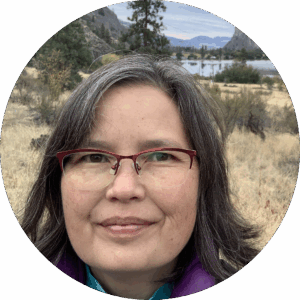
Chandra Wong
Chandra Wong is an artist inspired by the natural environment in the places she has lived. Her love of the natural world, and concern for the environment motivates her creative work, whether she’s painting the beauty of the Peace River valley threatened by the Site C dam, or sewing an outfit from an upcycled sweater.
“I hope my artwork inspires people to make changes in their lives to make the world a better place for all living beings.”
She is an artist who works in a variety of media, including watercolour, pencil, pen, acrylic, and digital photography. Even her sewing machine gets involved every once and a while.
Now based in Penticton, she is striving to hone her craft and develop a distinctive style that communicates her love of nature and her sense of humour. Between those moments when she is taxi driver for her two sons.
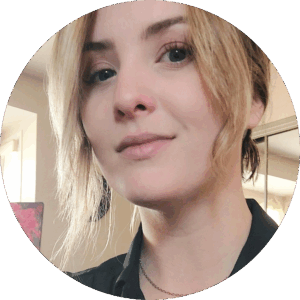
Cynthia Franz
Cynthia Franz is an artist based in Penticton, BC. Her work explores the relationship between the self and external influences, often blending portraiture with abstract forms. Working primarily in acrylics, she also incorporates collage and pastel elements to create layered, textured compositions. Her work has been featured in group exhibitions including 13 Going on 30 at the Leir House and the Penticton Art Walk. Through her art, Cynthia seeks to examine the delicate boundary between people and the environments that shape them.
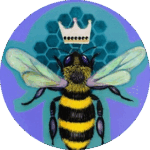
DEB TOUGAS
Deb Tougas is a professional visual artist based in Penticton, British Columbia in
the heart of the Okanagan Valley. After retiring from the Hudson’s Bay Company
with twenty years of experience as a marketing manager, she redirected her visual presentation and marketing expertise into a fulltime art career.
Inspired by her environment and nature Deb creates vibrant acrylic paintings in a
magic realism style. Her work often features honeycomb motifs to symbolize the vital importance of pollination to the eco system and the world at large. Her
subject matter includes birds, bees, butterflies, animals and people. Deb’s paintings have been exhibited in numerous shows and are held in public and private collections across Canada, USA and Mexico. Her paintings are available for sale at NKMIP Cellars in Osoyoos, B.C. and Picture This Gallery in Penticton, B.C. and are also available through her website www.debbietougas.com. In addition to her painting practice, Deb earned a Fine Arts diploma from Okanagan College in Kelowna, studied Graphic Design at Emily Carr College of Art in Vancouver and holds an Art and Merchandising Diploma from Langara College in Vancouver. Deb received the silver award in 2020 for Best Local Artist and most recently was the chosen artist to represent the Meadowlark Festival for 2026. Currently she is an Artist In Residence at the Leir House Cultural Centre in Penticton where you will find her painting in studio 5b most weekdays.
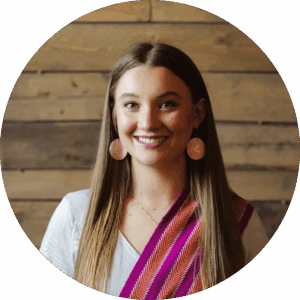
Emma Kramer
Emma is the multidisciplinary artist and teacher behind Big Mink Beads. They are based on sylix land in Kelowna, BC. Emma creates and repairs arts & textiles focusing in beadwork and leatherwork. She both plans and teaches local events and workshops grounded in arts, Métis culture, land reciprocity & natural materials, and disabled and queer experiences. Her art practice is her safe space to connect with herself and others.
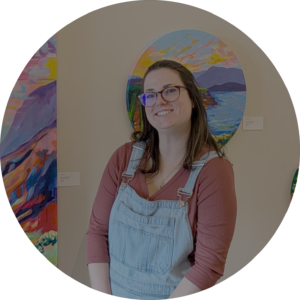
Kait Dean
Kait Dean lives in Summerland, which is located in the beautiful Okanagan Valley in British Columbia. The mountains, forests and lakes of the valley are a large source of inspiration for her.
Kait works primarily in acrylics, and enjoys creating overly exaggerated landscapes and portraits with bright, unexpected colors. Often, she will start a painting without a clear idea of which colors to use – she enjoys the process of experimenting and letting the color pallet evolve as she goes. Although mostly self-taught, Kait believes that there is always more to learn and discover in the art world, and enjoys taking workshops with local artists.
When she’s not painting, Kait enjoys spending time with her family, being outdoors, cooking, road tripping, exploring the art section at Winners and finding joy in the little things.
Karina Jarzecki
Karina has found herself at the centre of many Venn diagrams throughout her life: she is Canadian born but Polish raised; Ontarian now living in Kelowna for just over 6 years; engineering graduate who also took molecular biology, genetics, and plant science; lover of all kinds of different art media; but always, an artist, a scientist, and an engineer. In this current season of her life, Karina has started a PhD in Biology focused on identifying and cultivating climate-resilient crops suitable for our Okanagan climate of today and in 2050. Beyond the usual field trials and lab work, her project will involve research extension: taking what we learn in the lab/field and directly working with farmers to adopt learnings in their real-world practice. Commonly, extension takes the form of pamphlets, workshops, or publications; but, as a lifelong creative person, Karina finds herself thinking this approach is missing something deeper and potentially more powerful. She is curious about the role that art, and making art, could play in extension. Could different mediums of art be used to advance farmer-researcher collaboration and partnerships? Art can reach where data cannot, into the emotions and connections we all share.
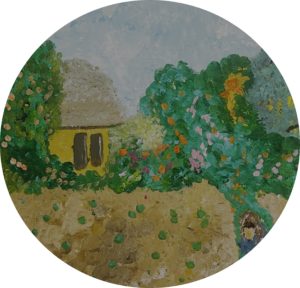
Kristel and Laina Boyd
Kristel and Laina are a mother-daughter creative team living in the Okanagan Valley. Kristel likes to write and Laina likes to sing, but they both love making art together. Laina is Kristel’s 14-year-old disabled daughter – she can’t read or write, but has an uncontainable creative spirit. They are beyond excited to participate in the Artvocacy program and explore the natural world through an artistic lens. Kristel, of course, has an ulterior motive: she intends to advocate for making wild spaces more accessible for people with disabilities.
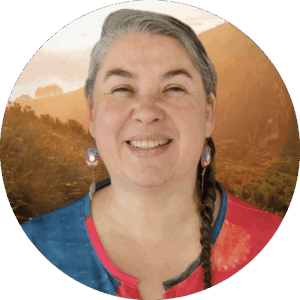
Michelle C. Jacobs
Michelle C. Jacobs is of Kanien7keha:ka First Nations and European descent and currently resides in the Similkameen Valley of British Columbia on the ancestral, traditional, and unceded territory of the Similamix people. Creative artistry is her passion. Beadwork, painting, and writing have been her artistic outlets since youth. She has taken time from travelling the Powwow Trail to focus more on her writing and painting. While she misses the nomadic life and the people of the Powwow Trail, she is pleased with her choice. It gives her more time to spend with her animals and they provide excellent company as she creates.
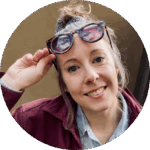
Mona Struthers
Mona Struthers is a poet and musician based in Penticton, BC. She is interested in exploring how life endures extreme temperatures and conditions. Creating art inspired by the natural environment helps her to make sense of the world. Sometimes she picks up the guitar to put words to melody; chord progressions run through delay and reverb; experimental sequences anchored by lyrics about coyotes, landslides, magpies, and black cats. She is mother to a young son, and has a Bachelor’s Degree in English Literature.
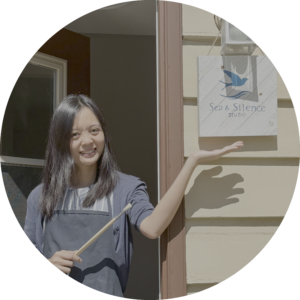
Yen Nguyen
Yen Nguyen is an acrylic painter based in Kelowna, British Columbia, and the founder of Sea & Silence Studio. Originally from Vietnam, her art practice began as a way to reconnect
with herself through stillness, beauty, and emotional honesty, and has since become a source of healing, growth, and connection. Although she was drawn to drawing and painting as a child, Yen did not grow up in an artistic environment. In her culture, art was not considered a practical path, so she followed a more traditional route – earning a business degree and building a career in finance and data. While she values the structure and challenge of her professional life, she often felt that something essential was missing. Her return to art began unexpectedly at a community workshop at Mission Creek Regional Park, where she worked with acrylics for the first time. That quiet and transformative moment sparked the realization that painting needed to become part of her life again, marking the true beginning of her artistic journey. Today, Yen creates paintings that explore stillness, nature, femininity, and light. Through her art and community workshops, she hopes to remind others that it is never too late to begin again – sometimes all it takes is one brushstroke. She is currently presenting her solo exhibition, “Beginning,” at the Rotary Centre for the Arts in Kelowna (on view until June 2026). To explore more of her work, follow her on Instagram @seasilencestudio.
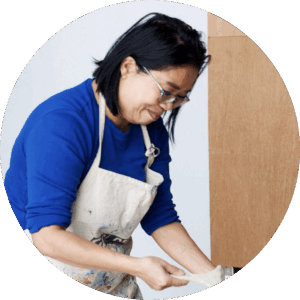
Maggie Chow
Maggie Chow is a visual artist and educator. A first-generation settler of Chinese heritage. She nestled in the late 80s in Vancouver, the unceded territories of the xwməθkwəy̓əm (Musqueam), Skwxwú7mesh (Squamish), and Səl̓ílwətaʔ/Selilwitulh (Tsleil-Waututh) Nations. She lives in South Okanagan on traditional territories, the Syilx People of the Okanagan Nation. Second-generation migrants from the British Crown colony of Hong Kong. Maggie continues to decolonize her education by
actively listening, respecting and centring Indigenous history, stories and perspectives. She is continuing to develop her art practice, centred on Regenerative practice and the UN’s Sustainable Development Goals. Maggie has a passion for supporting community wellness and uses art to foster social connections.
Her works link to the cycle of life in the natural environment, inspired by nature’s leftovers. Impermanence, change, and resilience play a large part in the process of thinking about and making her work. Her works are reflected in her living heritage through Chinese calligraphy. She seeks to transform calligraphy practice into freedom as a therapeutic experience to heal the body and mind. She intends to capture the energy of mindfulness between brush strokes to bring a new dimension into view from East to West with contemporary context. Alongside her studio practice, Maggie is a passionate facilitator with over 35 years of teaching experience. Grounded in constructivist philosophy, she uses art and nature to support creativity, connection, and community well-being. She also volunteers with Nature Kids BC and serves on the board of the Vancouver Reggio Association.
To learn more about her, visit her website: chowcreative.studio
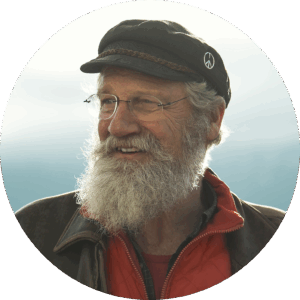
Don Gayton
Don Gayton is an ecologist and author of seven books of creative non-fiction, including The Sky and the Patio: An Ecology of Home, Man Facing West and Okanagan Odyssey. His debut historical novel, Columbia Son, will be in bookstores soon. Gayton’s written works have received a number of awards, including the Hubert Evans Non-Fiction Prize and the Canadian Science Writers Award. Don has a Master’s degree from the University of Saskatchewan. His current passion is connecting ecology to creative writing. His spare time is devoted to four grandchildren, two dachshunds, and a backyard vineyard.
Meet the 2026 Mentors
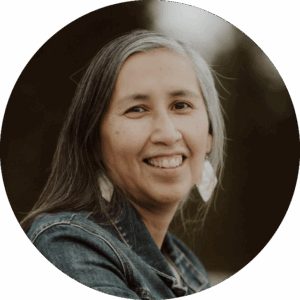
Catherine Pierre
Catherine Pierre is a syilx and Secwepemc Indigenous woman from a long line of beautiful people. Catherine lives with in her traditional territory on unceeded lands on the Penticton Indian band lands.
An interdisciplinary Artist, Catherine has a passion for her people and the creative arts is a true calling and passion of hers. Her arts practice includes sewing and textiles arts, mixed media, writing, traditional material culture, printmaking, learning traditional Okanagan dance, spoken word performance poetry to name a few of her interests.
An accomplished sewist, Catherine has had the honour of sewing custom regalia and cultural attire to help her people celebrate culture and important moments in their lives. Catherine uses applique to explore material culture interpreting basket and tool designs used on clothing that she designs.
Catherine enjoys sharing her skills with various groups from youth to adults teaching sewing and cultural crafts. She continues to help anyone cultivate and honour their creative gifts.
An award winning Children’s book author titled Zoe and the Fawn, Catherine also has other contributions to published works.
Catherine is currently an Arts Educator through the Enowkin Centre’s National Indigenous Professional Artist Training Program as well as an alumnus to the same program. In addition, she has recently mentored in the Indigenous Artist Accelerator Program and is currently designing her first Indigenous Fashion Collection.
Headshot photo credit: Billie Jean Gabriel
Lori Weidenhammer
Lori Weidenhammer (she/her), aka Madame Beespeaker, is an interdisciplinary artist based in
Rock Creek, British Columbia in the unceded traditional territory of the Kettle Nation. Lori is a community-based artist and educator, engaging people of all ages to explore environmental issues related to bees through many different media.
She is a settler originally from Cactus Lake Saskatchewan. It is in this place, bordered by wheat
fields and wild prairie, that she first became enchanted with bees. She is the author of a book called the Revised Edition of Victory Gardens for Bees: A DIY Guide for Saving the Bees She is a founding member of the BC Native Bee Society and a recipient of the Entomological Society of Canada’s Norman Criddle award for her work as an amateur naturalist. She is an iNaturalist ambassador.
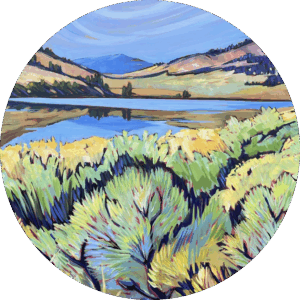
Lyse Deselliers
Lyse Deselliers was born in Quebec City and obtained her DVM from the University of Montreal in 1989. While pursuing her career as a veterinarian in Ottawa and then in Calgary, she continued to develop her artistic skills as a painter, taking night classes at the Alberta College of Art and studying under Karen Swearengen’s guidance. Her body of work mainly consists of Acrylic landscape, cityscape paintings along with birds mixed media and public art murals. Deselliers has shown her work in Calgary, Okotoks, Canmore and Waterton National Park, Alberta as well as Penticton, Osoyoos and Kelowna, BC. She has been involved in numerous fundraising events where the sale of her artwork benefited various organizations such as Nature BC, the Meadowlark Nature Festival, Nature Trust BC, Amnesty International and World Wildlife Fund. Deselliers has been a member of the Federation of Canadian Artists since 2007 and in 2019 won first price with “Spring in Osoyoos”, in 2017 won the FCA People Choice Award as well as second price for her painting “Time stamped and sealed”. She has paintings now residing in collections throughout North America and London, UK. Currently, she is focusing on creating larger pieces in an attempt to better capture the monumental beauty of the Okanagan, using aerial photographs of the area surrounding her hometown of Penticton.
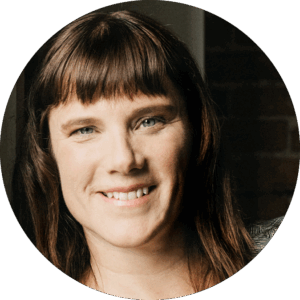
Tara Nicholson
Tara explores ecological activism through a more-than-human lens within her photo-based and installation practice. Her Arctic series investigate connections between art and science and explore extinction and permafrost studies. She has exhibited and attended residencies across Canada and internationally, receiving funding from the BC Arts Council and Canada Council. Tara recently completed her PhD at UBC Okanagan with the solo exhibition, Mammoth, EcoZombies & Permafrost Extinction at the Alternator Centre, Kelowna, BC (2025). She has led eco-art workshops at the FEELed Lab, Gallery 44, Toronto and the Beringia Cultural Centre, Whitehorse and has been a Continuing Lecturer at the University of Victoria since 2014.
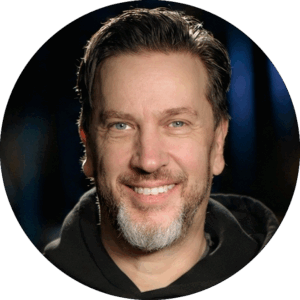
Heiko Ryll
Heiko Ryll explores the South Okanagan landscape through photography grounded in Baroque chiaroscuro and black-and-white tonal structure, building form and light before color enters the frame. A certified animal tracker and backcountry guide, his practice is built on direct field relationship with the land. He is currently Photography Director at Tempest Theatre & Film Society, documenting the development and behind-the-scenes life of a theatre community, and is developing a food security project in partnership with local community organizations connecting land, food systems, and story. Heiko continues to teach at MacEwan University’s School of Continuing Education, where he has been on faculty since 2019. He founded The Creative Lab, a biweekly photography community, and publishes The Responsibility of Story on Substack.
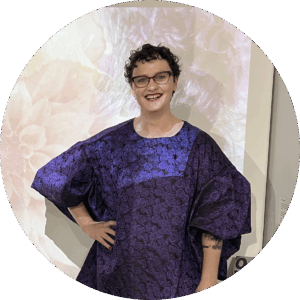
Erin Scott
Erin Scott (she/they) is an interdisciplinary artist-scholar who works in time-based mediums, including poetry, performance, and video/audio. Erin is a founding member of Inspired Word Café, a literary arts nonprofit. With publications and performances across forms, they have made spoken word albums, books, exhibitions, drag performances, Fringe shows, critical essays, and more. Erin holds an MFA and is currently a PhD candidate at the University of British Columbia Okanagan in Digital Arts and Humanities where she makes videopoems and writes about Scottish Gaelic, land, and belonging. Erin lives in Rutland, on the unceded territories of the syilx peoples of the Okanagan Nation Alliance.
Resources
It’s time to rewild yourself: Five nature connection challenges
How to write an op-ed