
Young Leaders in Conservation Program (YLICP)
Youth lead the fight for climate and for nature. We want and deserve to shape the world we will live in and save the planet we will inhabit.
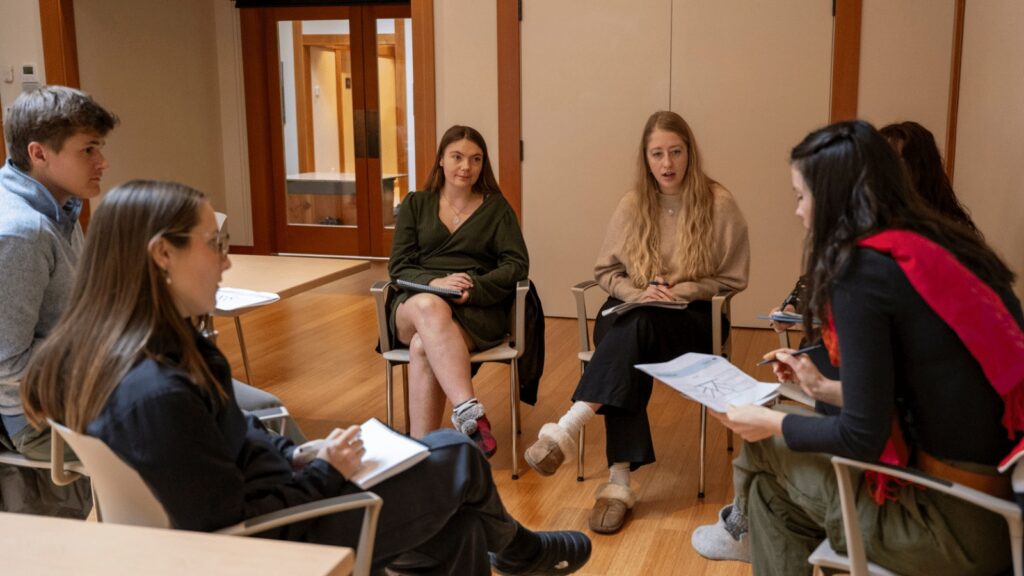
The Young Leaders in Conservation Program (YLICP) provides youth with knowledge, skills and opportunities to advocate for conservation issues in BC. Key topics include advocacy and lobbying skills, the history of conservation in BC, Indigenous-led conservation and knowledge, government, community and media relations, strategic campaign planning and management and radical self-care in the environmental movement.
The program is free and runs over 6 months with webinars and an in-person summit.
APPLY HERE!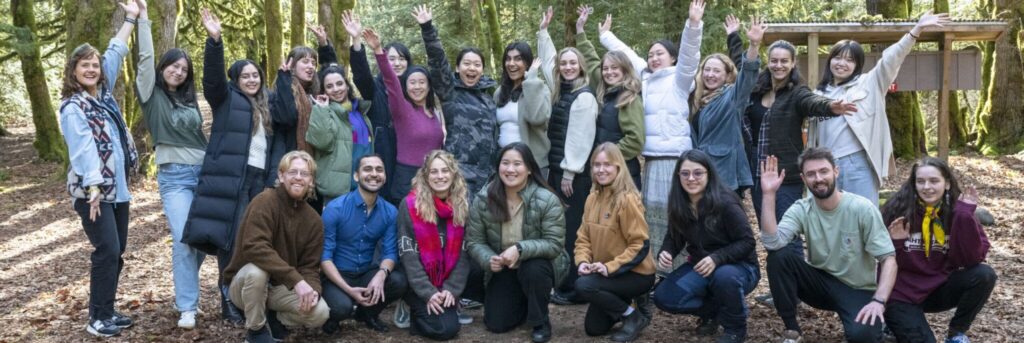
About the Program
The Young Leaders in Conservation Program (YLICP) provides youth with knowledge, skills and opportunities to advocate for conservation issues in BC.
Program Components:
- In-person Kickoff Summit
- Online workshops with experts
- Lobby Summit in Victoria & government engagement opportunities
- Community Summer Projects Seed Funding
- Alumni network & events
Workshop topics include:
- Advocacy and lobbying skills
- History of conservation in BC
- Indigenous-led conservation and knowledge
- Government, community and media relations
- Strategic campaign planning and management
- Radical self-care in the environmental movement
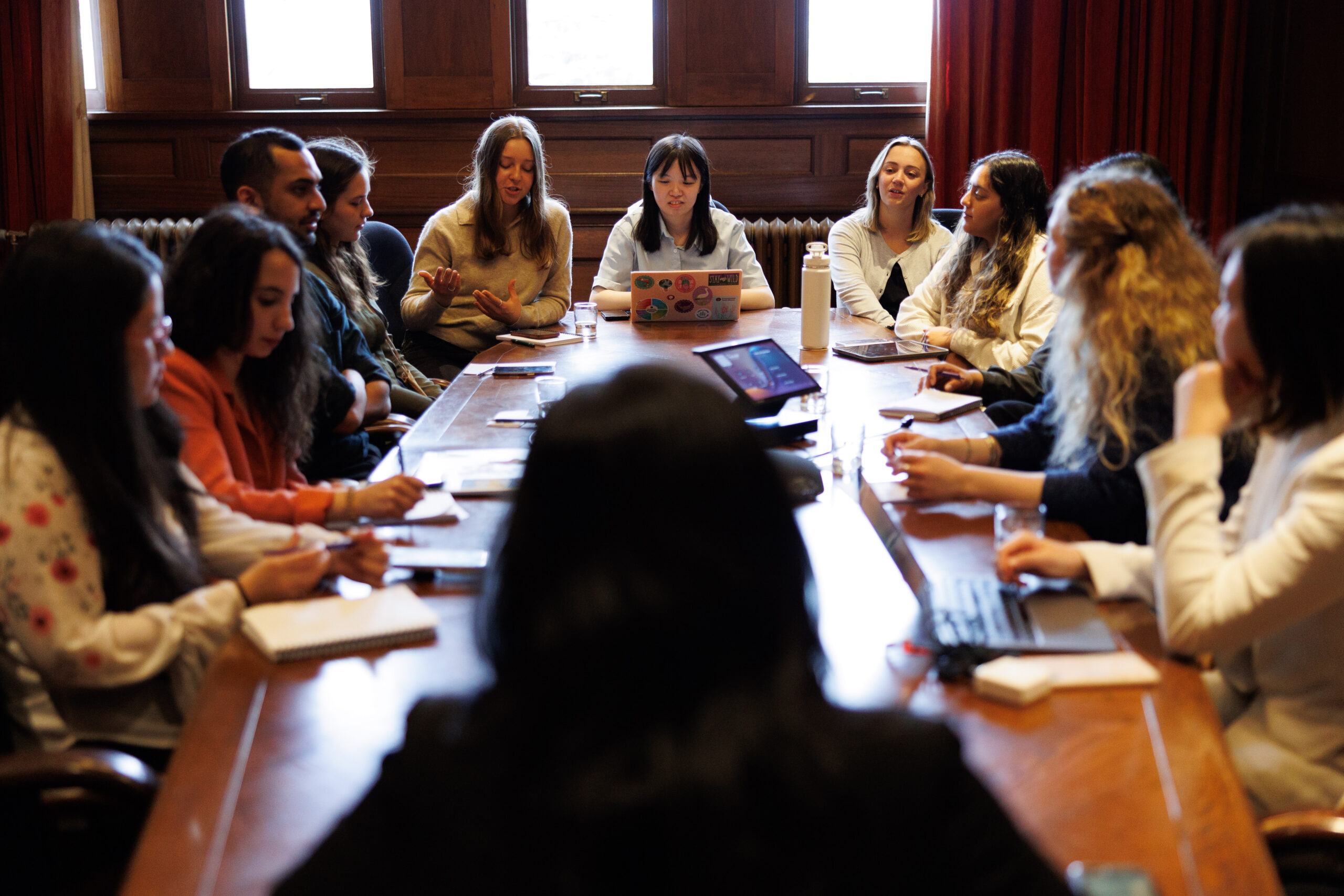
Program Timeline
Applications open – Jan 5, 2026
Applications close – Jan 31, 2026 *Participants contacted in early Feb
Program begins – March 2026
Kickoff Summit – In person – late March 2026
Workshops (online) – March – May 2026
Lobby Summit – In person – late April 2026
Community Summer Projects – June – Sept 2026
Opportunities
- Make meaningful connections with environmentally-minded youth who care deeply about stewarding BC’s beautiful natural spaces
- Gain skills and knowledge to understand and advocate for conservation issues in BC
- Receive training and engage with Members of the Legislative Assembly (MLAs) and other government officials about conservation
- Participants will receive a certificate upon successful completion of the program
Who Should Apply
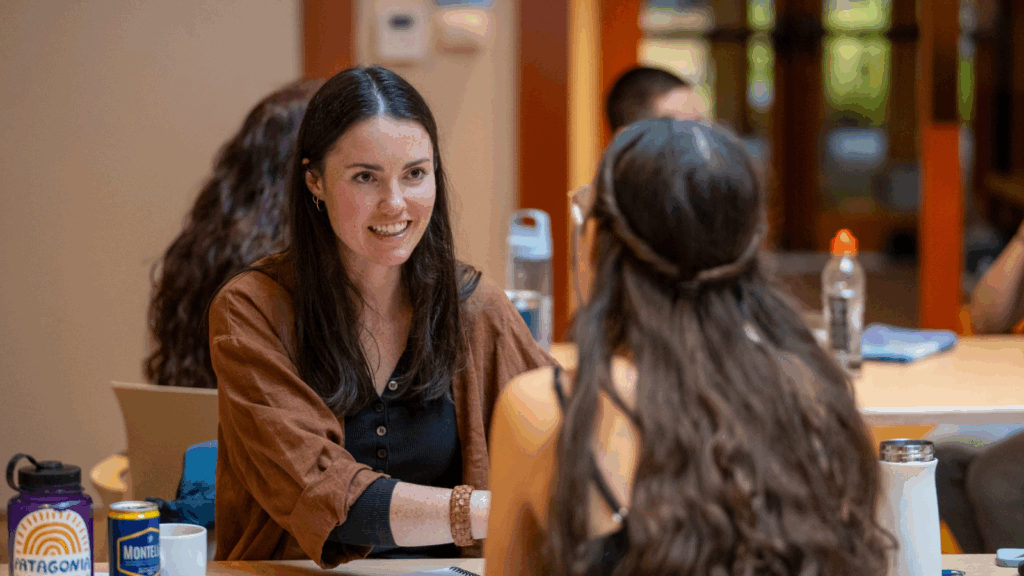
YLICP seeks young leaders—ages 18-30, who permanently reside in BC and are connected to environmental issues. Our goal is to bring a diverse group of young folks together to build meaningful connections and provide skills training.
CPAWS-BC believes that Indigenous, Black, and Racialized people of the Global Majority, people from working class backgrounds, women, people with disabilities, and 2SLGBTQIA+ communities must be centred in conservation. As such, we strongly encourage people with these identities or who are members of other marginalized communities to apply.
This program has room for up to 25 participants.
Prerequisites
– Interest in nature, environmental issues, outdoor recreation and/or conservation
– No formal science background necessary. Only those interested in nature encouraged to apply
– No post-secondary educational background necessary, though those in school or working full-time are encouraged to apply
*Applicants must be a resident of BC and be between the ages of 18-30 when applying*
What past participants have said!
“The YLICP provided more than just a program; it offered a community. I feel empowered and supported by both the mentors and my fellow cohorts, which solidified my passion and confidence to pursue a career in conservation. The program merged practical experience with a network of passionate individuals, creating a launchpad for young conservationists. It was an invaluable experience that I will carry with me long after the summer ends.”
“The YLICP is the perfect place to take your love of nature and your concern for the health of the planet to the next level. It’s an intensive bootcamp that will empower you to move from knowledge into action. You will leave with a renewed sense of what you can accomplish.”
“For me, being a part of the 2025 Young Leaders in Conservation Program (YLICP) was an incredibly inspiring and empowering experience. The program offered a wide range of highly relevant seminars on topics such as advocacy and lobbying, the history of conservation in BC, Indigenous-led conservation and knowledge, government, community and media relations, and strategic campaign planning. These sessions not only gave me valuable knowledge but also helped me understand how and where to make my voice heard in conservation efforts.”
“Learning about CPAWS’ strategy for 30×30 was really interesting; it’s still hard for me to put into words but I gained a lot of understanding of how exactly big, national goals can be tackled and the amount of thought and work that is put into each step. It filled me with hope to get to know everyone and realize there are SO MANY AMAZING YOUNG PEOPLE, including CPAWS folks like Meg and Eden as well as all the participants, doing incredible work in conservation and environmentalism. The diversity of the backgrounds of folks who attended was really impressive and kept us learning from each other all weekend long. I love to see the niches people have carved out for themselves and I feel really inspired.”
“It is so encouraging to know that there is a huge network of like-minded people also working towards the same goals, and sharing in the same struggles.”
“CPAWS-BC showed us that anyone can make a difference in conservation as long as they put all their care and passion into it. Although, there is no quick and easy answer to our current conservation issues, CPAWS has proven that intentional discussion and collaboration allows us to come close to a resolution.”
Frequently Asked Questions (FAQ)
How do I apply?
Applications for the next cohort open in January 5, 2026 and close Jan 31, 2026! Apply by completing the application form linked above. This application should take anywhere from 30-60 minutes to complete. You can respond to the questions in whichever way suits you best. You can either respond in short written paragraphs or respond to any or all questions in an audio or video format and attach the file to the response box. The maximum file size is 100MB (you can upload max. 7 files).
Email youth@cpawsbc.org
What do I need to participate in the program?
Access to a reliable and stable internet, a personal computer, pen and paper. Virtual workshops will run on Zoom. If you’re unfamiliar with this free video conferencing tool, check out some tips.
I’d like to participate, but face barriers for travel or physical space to join virtually. What are you doing in terms of accessibility?
We’re committed to ensuring accessibility in this program. We encourage applicants to specify any accessibility needs and/or accommodations we should be aware of to support them throughout the duration of the program.
Language: Sessions will be conducted primarily in English
Captions: We will aim to provide captions during all the virtual webinars.
Recordings: We will record the sessions if you can’t make all of them/need to leave early
Discomfort is optional: We encourage you to make yourself as comfortable as possible during this program. For the virtual sessions, take breaks, turn off your camera, make yourself a tea; for the in-person Summit, let our YLICP team or another supervisor know what you need to ensure your comfort and/or feelings of safety.
Financials: If the financial burden of participating is concerning (re: childcare or time off work), let’s connect! youth@cpawsbc.org
What happens after I apply? How will participants be selected?
After you apply, you can expect to receive an email with the status of your admission to the program within one week after the closing date (Jan 31, 20246 11:59 PM PT). Priority for Indigenous, Black, and Racialized people of the Global Majority, people from working class backgrounds, women, people with disabilities, and 2SLGBTQIA+ communities will be given to support our organization’s policy for equitable recruiting. To ensure the best experience, up to 25 participants will be selected and we’d like more than half of the spots to go to marginalized folks who self-identify on their application.
We ask participants to commit to the full length of the program.
What is a lobby day?
Lobby Days offer the chance for grassroots advocates to meet with policy decision makers, chat about the importance of conservation with politicians, and use the legislative process to create change!
Is this a paid position?
No, this is not a paid position – participation in the YLICP is voluntary. However, we will cover travel, accommodation, and meal expenses for the in-person summit, lobby day, and election townhalls.
Check out our careers page for current opportunities.
Resources
Coping with eco-anxiety and grounding in nature. A zine by CPAWS-BC.
Download zine
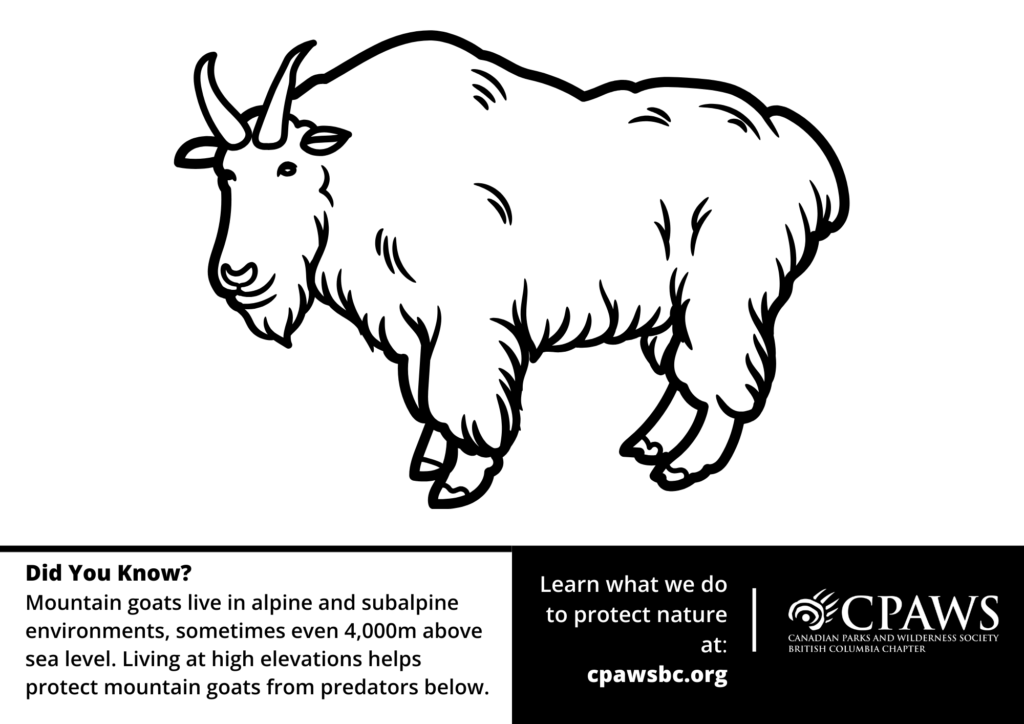
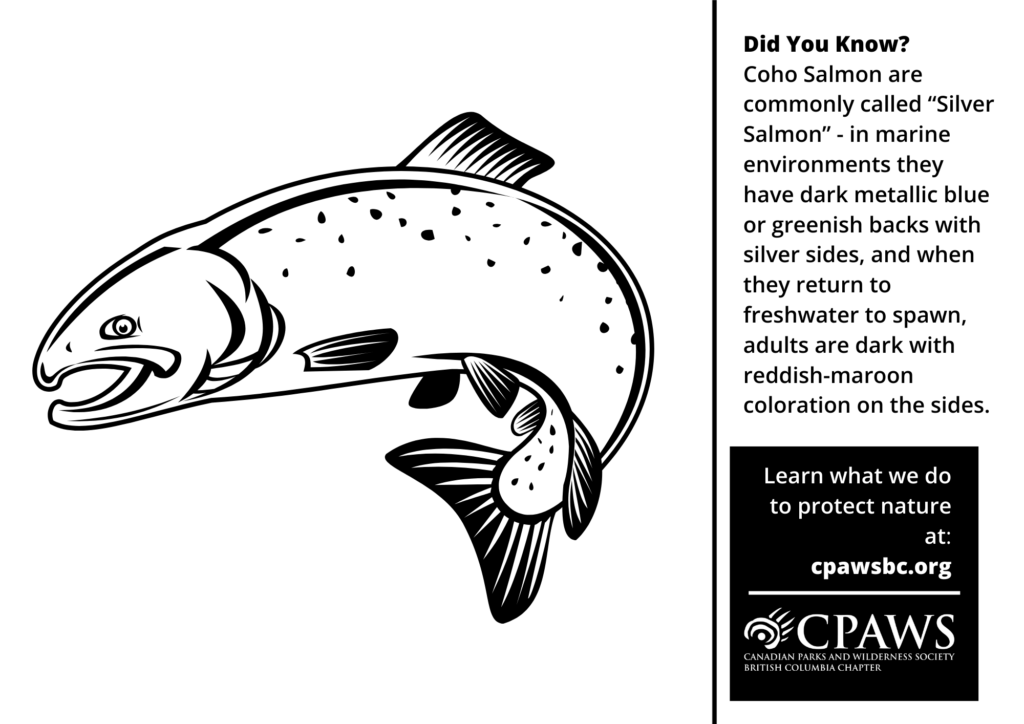
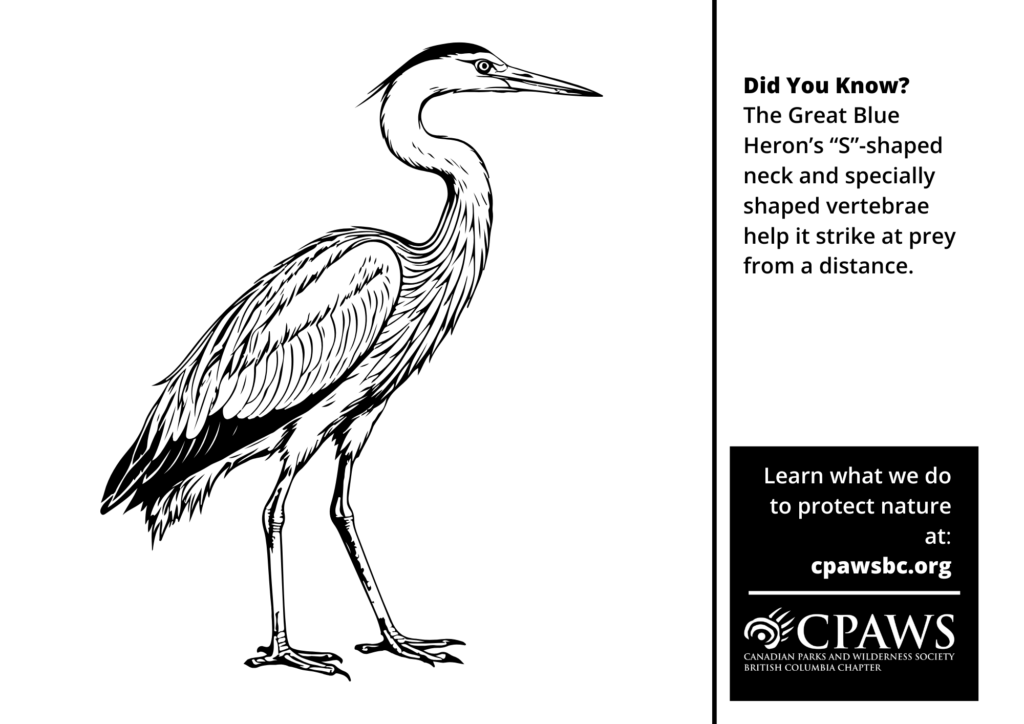
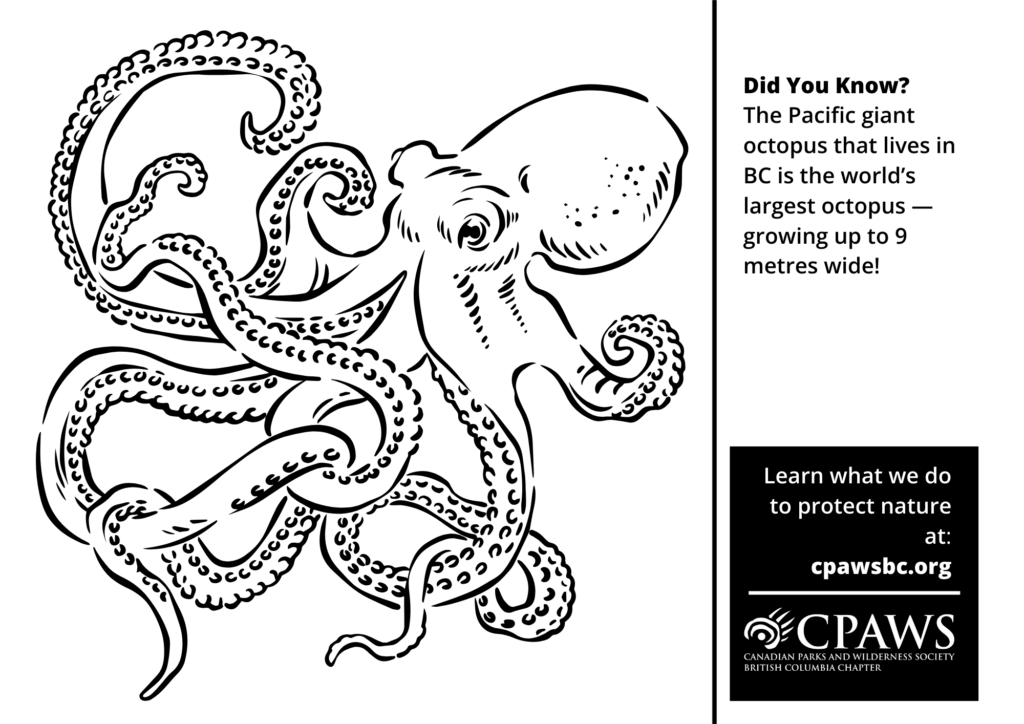
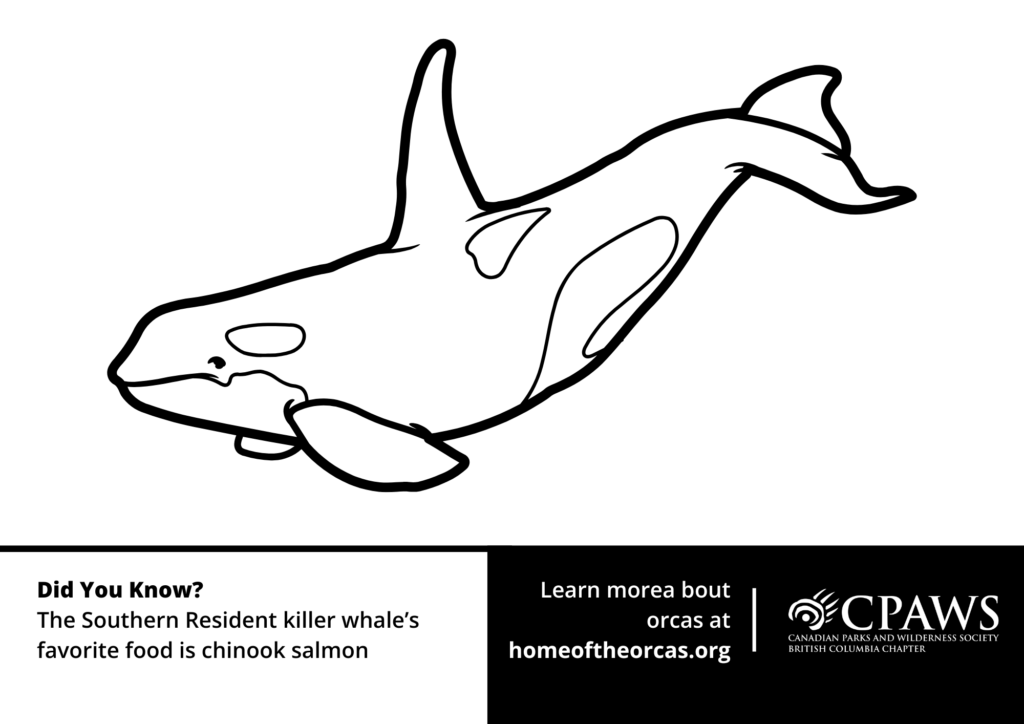
BC Species Colouring Pages
Meet the current YLICP participants
2026 Cohort
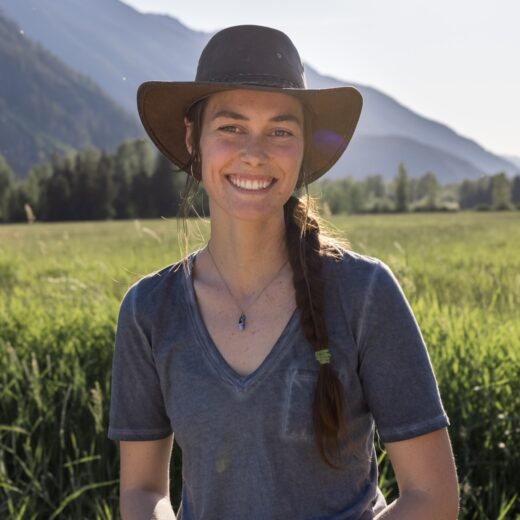
Erica Van Loon
Erica Van Loon is a wildlife conservationist working at the intersection of agriculture, biodiversity, and large carnivore coexistence in southwest BC. Raised on a seed potato farm in the Pemberton Meadows, she grew up sharing the landscape with grizzly bears and now works to support their recovery through proactive, non-lethal conflict reduction, wildlife monitoring, and habitat protection with the Coast to Cascades Grizzly Bear Initiative.
In 2023, Erica completed her MSc at the University of Edinburgh, where her research explored the intersection of grizzly bear food security and Indigenous food sovereignty on the territory of the Líl̓wat Nation. That work deepened her commitment to place-based, community-rooted conservation and led her to pursue applied conservation work back home. Alongside her grizzly bear work, she contributes to reptile and amphibian conservation, supporting surveys for the endangered sharp-tailed snake and threatened northern rubber boa and engaging her community in citizen science. Through CPAWS’ Young Leaders in Conservation Program, she is hoping to expand her skills in advocacy and policy to help secure connected, resilient landscapes for both iconic and often-overlooked species.
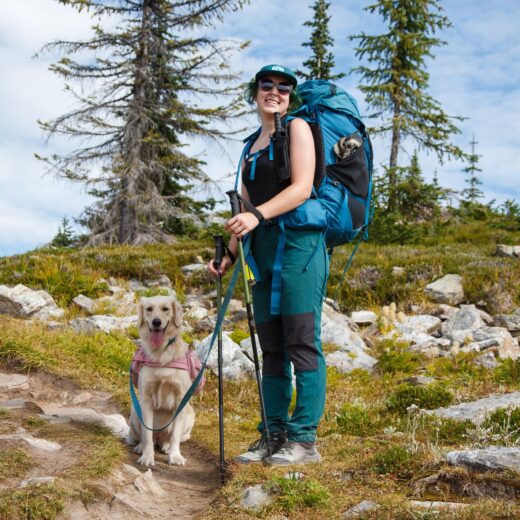
Siya Markel
Siya Markel (she/her) is a Biologist in Training with the College of Applied Biologists in BC, and a recent Honours graduate of the Natural Resource Science program at TRU. Raised on the traditional and unceded territory of the Secwépemc and nɬeʔképmx nations, Siya’s deep connection to the southern interior fuels her commitment to protecting the grasslands and the specialized wildlife that define these ecosystems. With a background spanning entomology, small mammals, and herpetology, she has developed a specialized expertise in the “creepy-crawlies” of British Columbia, focusing her undergraduate research on species abundance and ecosystem recovery in post-wildfire landscapes.
Siya is a passionate advocate for wildlife conservation and the protection of overlooked species. Her work is centered on the belief that community-level education is the foundation of effective stewardship; she strives to bridge the gap between scientific understanding and public appreciation for species often deemed “unimportant” or “scary.” By fostering dialogue and curiosity, Siya aims to empower others to value the biodiversity in their own backyards. When she isn’t out herping, or looking at bugs on the ground, she can be found thru-hiking or skiing, or struggling through some knitting or crochet.
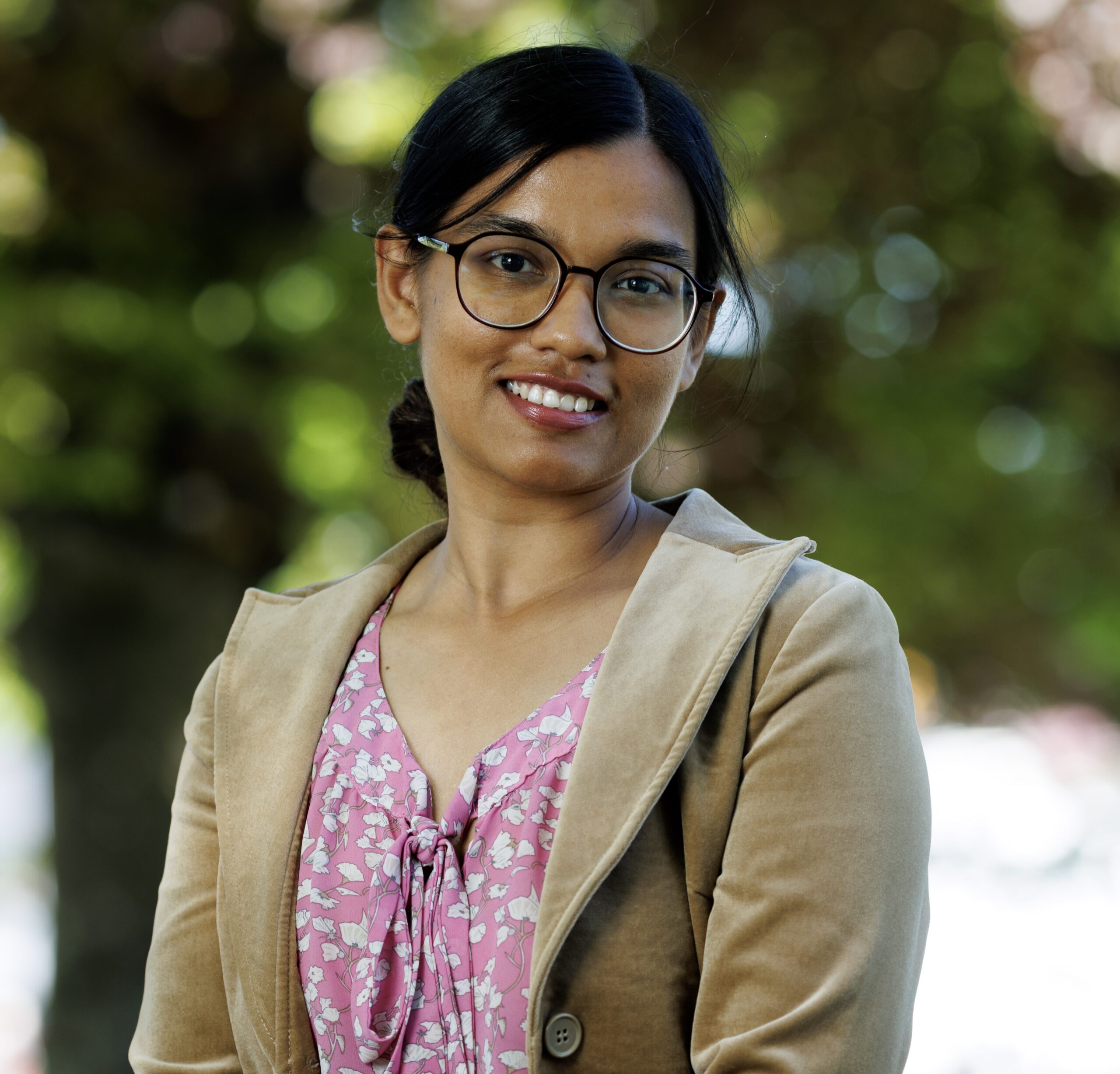
Rabeya
Rabeya is a Master’s student in Environmental Science at Thompson Rivers University, where her research focuses on ecological reclamation in post-mining landscapes. Her work examines how soil amendments and nutrient management strategies can support the re-introduction of native plant species in tailings and overburden, with the long-term goal of restoring biodiversity and ecosystem function. Through this research, she has developed a deep appreciation for resilience, both ecological and human, and for the role young leaders can play in shaping sustainable land stewardship practices.
Rabeya is grateful to conduct her work in Kamloops, on the traditional and unceded ancestral lands of the Secwépemc Nation, specifically within the territory of Tk’emlúps te Secwépemc. Her approach to conservation is grounded in reciprocity and respect for Indigenous stewardship. She has always been interested in bridging scientific research with Indigenous Ecological Knowledge to support more holistic and culturally informed restoration practices. Rabeya is originally from Bangladesh and completed her undergraduate studies in Soil, Water, and Environment Science. Growing up alongside tropical rivers and fertile floodplains shaped her early connection to land, water, and community-based resource care. These experiences continue to shape her perspective on global environmental responsibility and climate resilience.
Rabeya is passionate about advancing environmental beliefs that conservation must center both ecosystems and people. Inspired by organizations like CPAWS-BC, she considers protected areas, biodiversity conservation, and youth engagement as critical pathways toward a just and sustainable future. As a prospective participant in the Young Leaders in Conservation Program, Rabeya hopes to broaden her understanding of protected areas advocacy, community engagement, and conservation policy in British Columbia while contributing her background in restoration ecology, cross-cultural environmental perspectives, and collaborative leadership.

Olatomide Ojajune
Olatomide Ojajune is a sustainability communicator and forestry professional passionate about helping people understand environmental challenges and their role in addressing them. She is currently completing a Master of Sustainable Forest Management at the University of British Columbia, where she studies forest management, land stewardship, and the social and economic factors shaping natural resource decisions. With over five years of experience in climate communication and community engagement, she has coordinated workshops, forums, and public conversations that have reached thousands of participants.
Through TalkClimateAfrica, a platform she founded to promote climate awareness and dialogue, Olatomide leads initiatives that translate complex climate and sustainability issues into clear, relatable discussions for young people and community audiences. She is also the author of You and the Earth, a book that introduces sustainability concepts in accessible language and encourages practical environmental action.
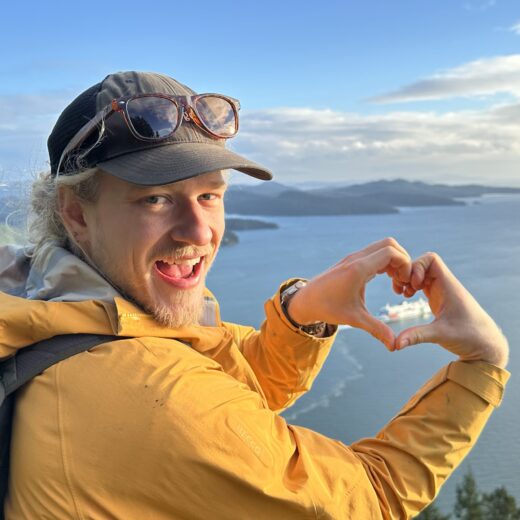
Mathew
Matthew (he/him) has an honours Bachelor of Environment from SFU in Resource and Environmental Management, where he studied fire risk and ecosystem shifts in Burns Bog in Delta, BC. He has spent the past few years working as an ecological restoration technician, geomorphology research assistant, and conservation summer camp leader. In his free time, Matthew enjoys backpacking, scuba diving, and volunteering in exciting places to connect with people and ecosystems.
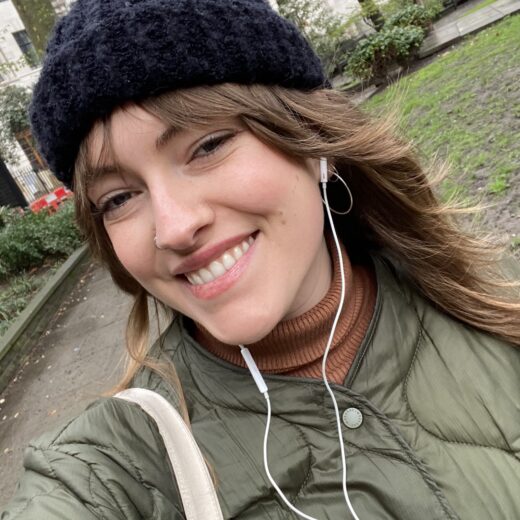
Holly Benna
Holly Benna (she/her) is an organizer and researcher committed to advancing climate justice through confronting the political and social structures that sustain extractive systems. Originally from Vancouver, she’s spent the past four years living in Norway, where she completed a Masters degree in Development, Environment and Cultural Change. She previously earned a Bachelor’s in Sociology at the University of British Columbia. While in Norway, she worked with a grassroots climate campaign targeting the fossil fuel industry’s disproportionate political influence through public advocacy and mobilization for democratic interventions. She’s now eager to bring these experiences together in CPAWS’s Young Leaders in Conservation Program, connecting with others who share this commitment to approaching conservation from a critical lens in the BC context.
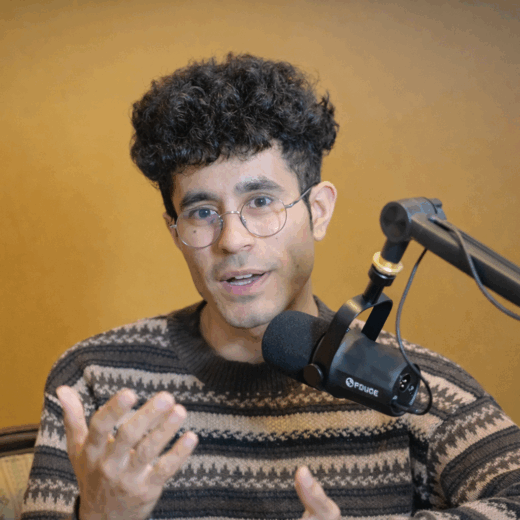
Milad Rajabi
Milad Rajabi is a community leader, storyteller, and advocate based in British Columbia. He is passionate about youth leadership, human rights, conservation, and creating stronger connections between refugee communities and Indigenous land. His work is grounded in building belonging, deepening community understanding, and helping more people see nature as a place of relationship, responsibility, and shared future.
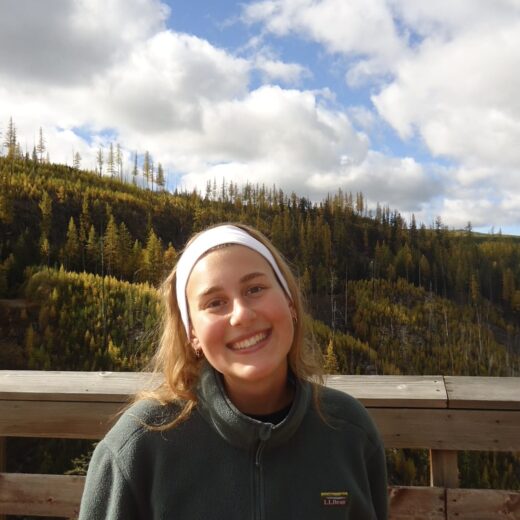
Katarina
Katarina is very excited to be a part of the 2026 cohort! She recently graduated with a degree in Physical Geography and is passionate about all things related to the great outdoors! She enjoys spending my time outdoors, skiing, hiking, and hanging out!
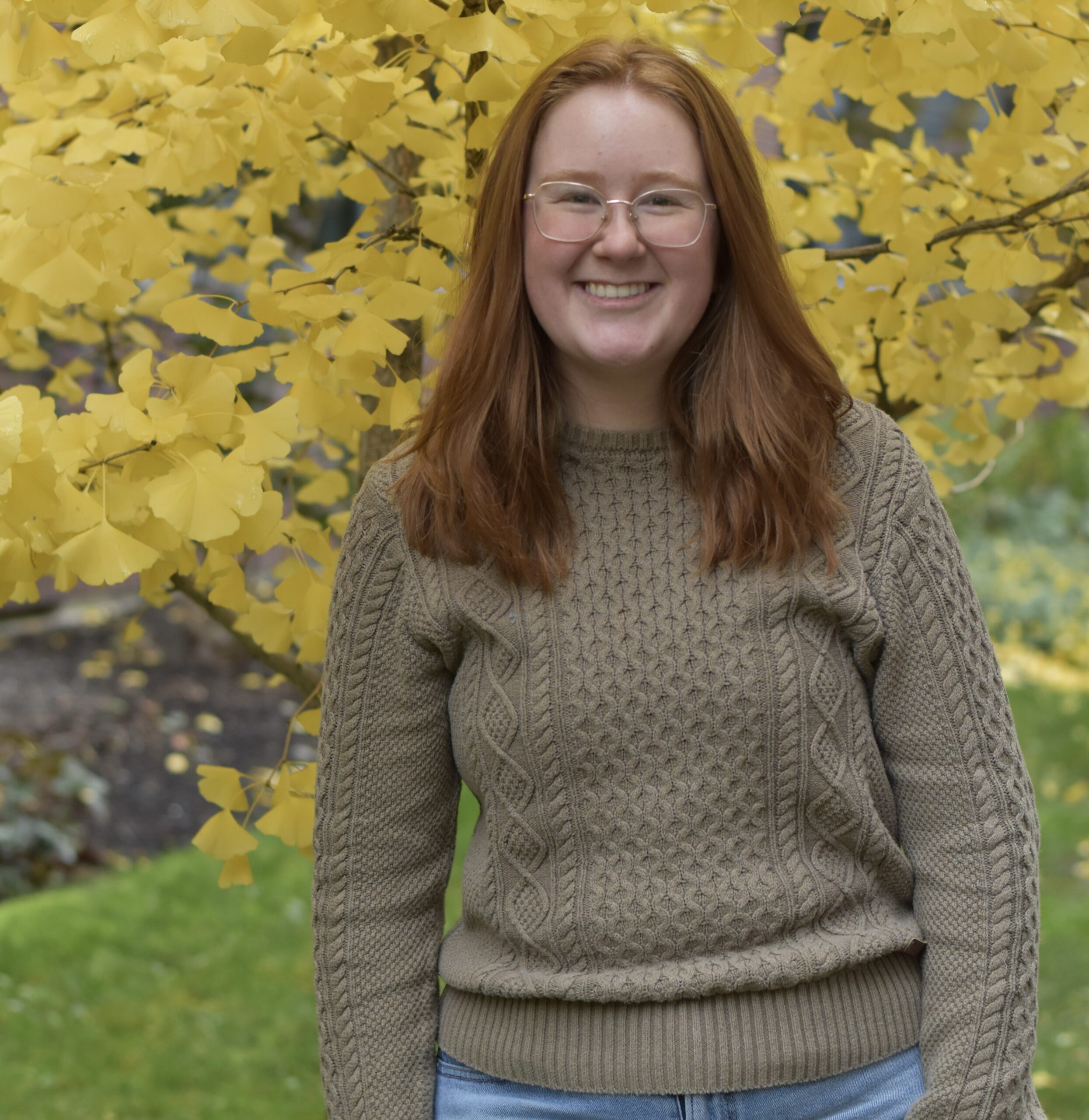
Sally Ruoss
Sally Ruoss (she/her) is a graduating student from the University of British Columbia Okanagan with a B.Sc. Honours in Earth and Environmental Science. She is originally from Cranbrook, BC, where she up grew exploring the Rocky Mountains. She is completing an honours thesis on organic carbon fluxes in semi-permafrost regions on the Rose River, Yukon. She has enjoyed being a teaching assistant for geomorphology educating students about landform assemblages. Her work experience includes being a wetlands research intern, an invasive species outreach assistant, and an environmental technician working on coal mines.
Sally has a passion for educating future students on professional licensure and for the past two years has been the British Columbia Institute of Agrologists student representative on the Earth and Environmental Science Course Union at UBCO. In this role she has acted as the intermediary between the university program and BCIA, providing information on career pathways as well as hosting networking events. In her spare time Sally loves to sew, bake sourdough and spending time with her family.
Her passion for the natural world, combined with her strong work ethic, makes her eager to apply these skills to promote environmental stewardship in her future career.
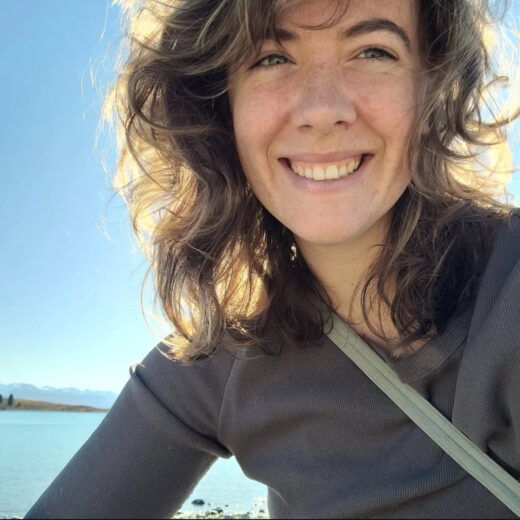
Hannah Brunn
Hannah is a third-generation resident of Átl’ḵa7tsem, Howe Sound, with ties to Northern British Columbia. Being outside was simply a part of life, and the desire to protect and advocate motivated her to pursue a degree in International Relations, where she focused on environmental policy. Hannah eventually found tourism as an outlet to share her passion in a way that was accessible and fun. From a historical interpreter at Britannia Mine Museum, to a sea kayak guide in home waters and abroad, Hannah hopes to encourage people to experience these places meaningfully with respect for the land and all the critters we share it with.
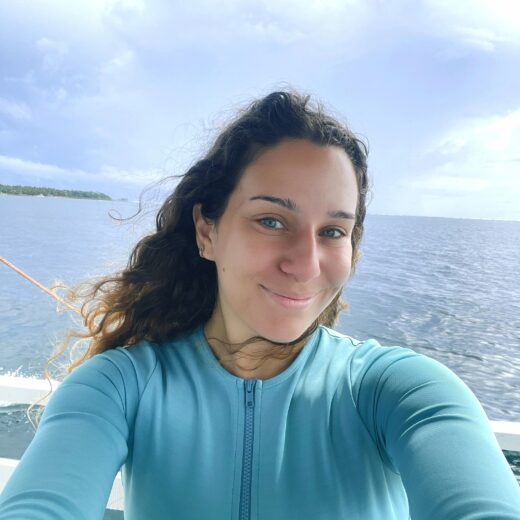
Anna Luna Rossi
Anna Luna Rossi (she/her) is an ocean and fisheries scientist, with a deep passion for sharks and marine conservation. She just graduated with her Master’s degree in marine biology at the University of British Columbia, where her research focused on integrating biodiversity theory, catch reconstruction and ecosystem modelling to inform sustainable fishery practices in a small archipelago. Previously, she studied terrestrial and aquatic biodiversity and ecology in Montreal. Anna now works on evaluating global fish stocks’ status, and is particularly driven to spread marine conservation awareness.
Originally from the south of France, she grew up between both countries (and both the Atlantic Ocean and Mediterranean Sea) before moving to the unceded, ancestral and territories of the xʷməθkʷəy̓əm (Musqueam), Sḵwx̱wú7mesh (Squamish), and səlilwətaɬ (Tsleil-Waututh) (Vancouver).
Beyond research, Anna is a nature and portrait photographer, who loves storytelling. She enjoys reading, making art, traveling, and outdoor sports. She also volunteers in marine mammal rescue and rehabilitation, and sits on the Youth Council of the NGO Reserva YLT.


