
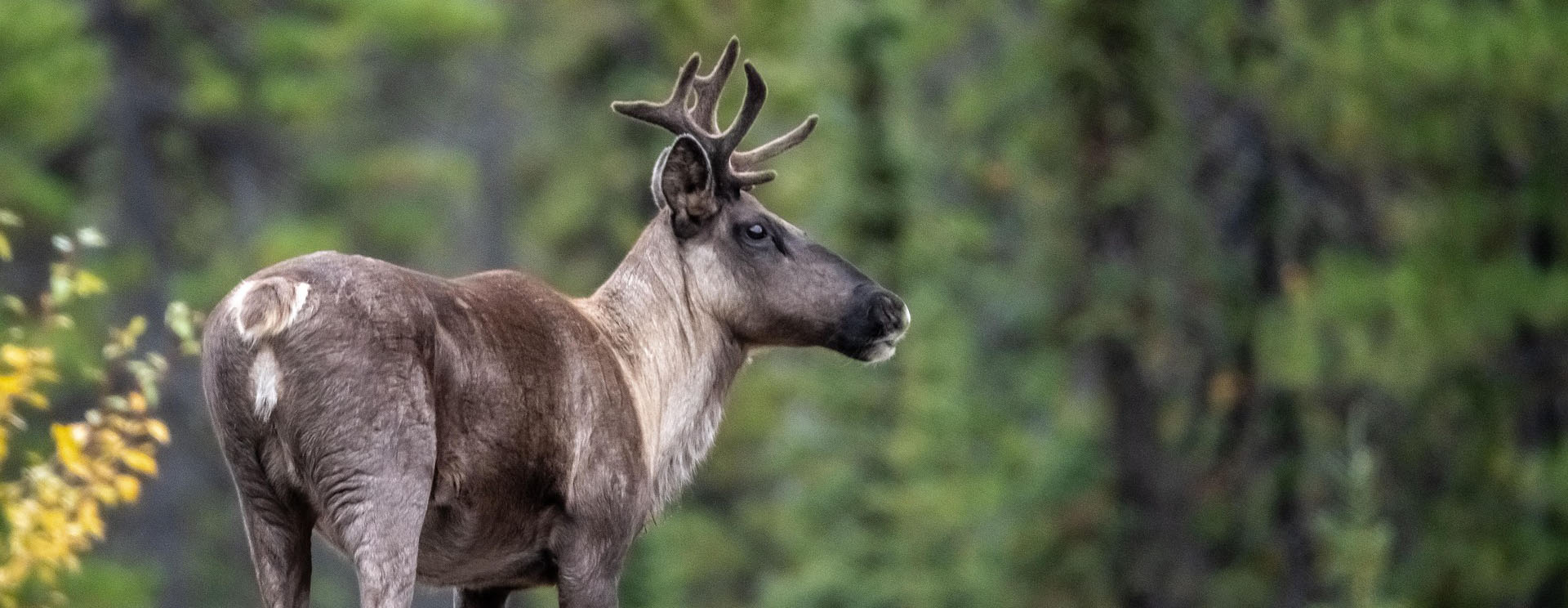
Klinse-za/Twin Sisters Park expansion adds over 170,000 hectares, a welcome step for caribou and collaborative conservation
June 14, 2024
Unceded territories of the Coast Salish Peoples/Vancouver, BC – A significant park expansion added in critical Peace Region caribou habitat is welcomed by the Canadian Parks and Wilderness Society – British Columbia. The 170,000 hectare Klinse-za Park expansion will result in the largest provincial park established in B.C. in a decade.
The expansion of the Klinse-za/Twin Sisters Provincial Park is for about five times the Park’s current size, and over twice the size of Manning Park. The expansion stems from a 2020 Partnership Agreement between the federal and provincial governments and West Moberly and Saulteau First Nations which established conservation commitments for endangered Southern Mountain Caribou.
“Protecting the habitat and foods that caribou depend on is key to long-term both caribou and community health, this park expansion is much awaited and welcomed for this iconic species,” says Tori Ball, Conservation Director – Lands & Freshwater Program at CPAWS-BC. “West Moberly and Saulteau First Nations are leaders in caribou conservation efforts and the formal protection of this important caribou habitat is a testament to their perseverance and leadership to secure a future for these important species.”
The area is home to the central group of Southern Mountain Caribou, consisting of five remaining herds. Recovery efforts, led by the West Moberly and Saulteau First Nations, have seen the Klinse-za herd rebound from just 16 animals in 2013 to over 100.
Caribou are in trouble, with many herds in BC at risk of disappearing due to an onslaught of resource development. Securing long-term protection of their habitat is key to their survival. Protecting caribou habitat will also benefit other wildlife species, and help ensure healthy ecosystems for all residents of BC.
Caribou require large intact and connected areas to thrive and function as an indicator species, letting us know the health of the forests and ecosystems they inhabit. Protecting caribou habitat in turn benefits many other species as well as the ecosystems that we all depend on.
“This park expansion will have positive impacts for the health of the surrounding ecosystems and iconic caribou herds. Working towards the global goal of protecting 30% of lands and waters by 2030 needs to benefit and include everybody, and it is important that we protect another over 14% of BC by moving forward together,” added Ball.
Media Contact:
Max Winkelman
Communications Manager
max@cpawsbc.org
604-685-7445 x3
Background Info:
- Southern Mountain Caribou are divided into 3 population groups:
- Northern with 9 herds – BC blue list, imperilled-special concern
- Central with 5 herds – BC red list, imperilled-critically imperilled
- Southern with 18 herds – BC red list, critically imperilled
- The central group are the caribou in the Klinse-za park region, though the northern edge of the protected area is the border to the northern group of Southern Mountain Caribou
- Woodland caribou are old-growth dependent and the main threats to their survival are from direct and indirect habitat loss and disturbance
- West Moberly and Saulteau First Nations initiated a maternity penning project as part of their caribou conservation efforts as an urgent action to stop the rapid decline of the Klinse-Za herd.
- The Intergovernmental Partnership Agreement for the Conservation of the Central Group of the Southern Mountain Caribou is an agreement between West Moberly First Nations, Saulteau First Nations, the government of Canada, and the government of BC. The agreement was signed in February 2020 and includes commitments for land protection in northeast BC and an Indigenous guardians program


