3 Reasons to stand up for nature in BC’s 2022 budget
Every fall, the BC government asks British Columbians like you about what they want to see funded in next year’s budget. This budget consultation—which happens every year—is a big opportunity for British Columbians to have their say and tell the BC government that investing in nature should be a top priority!
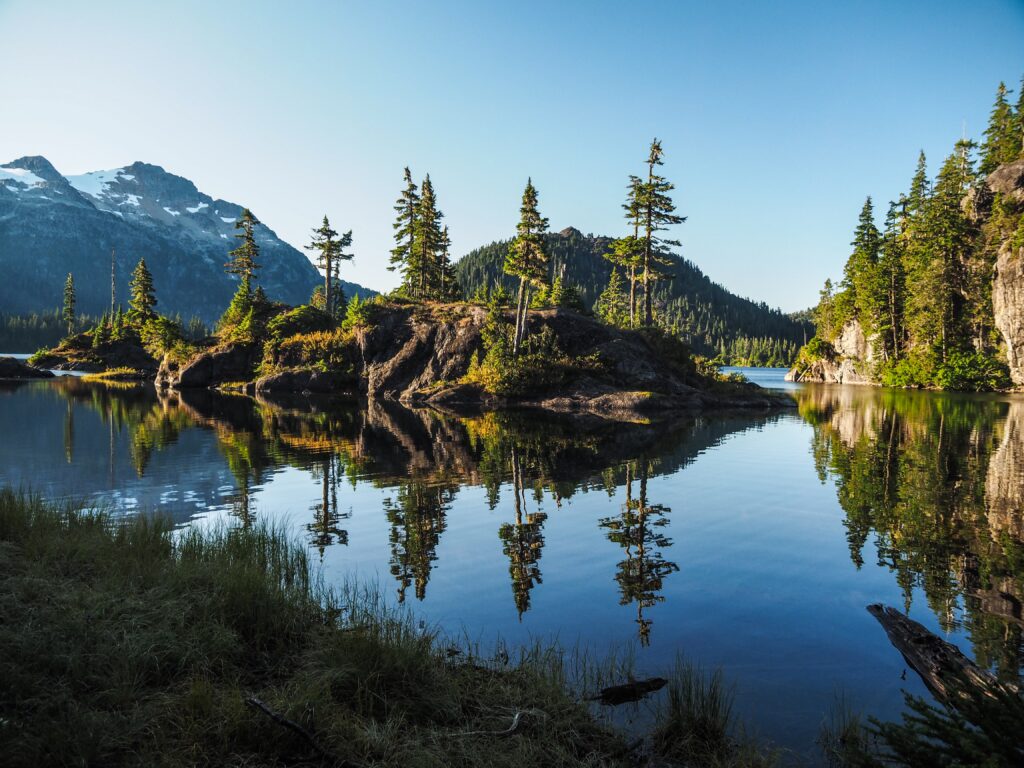
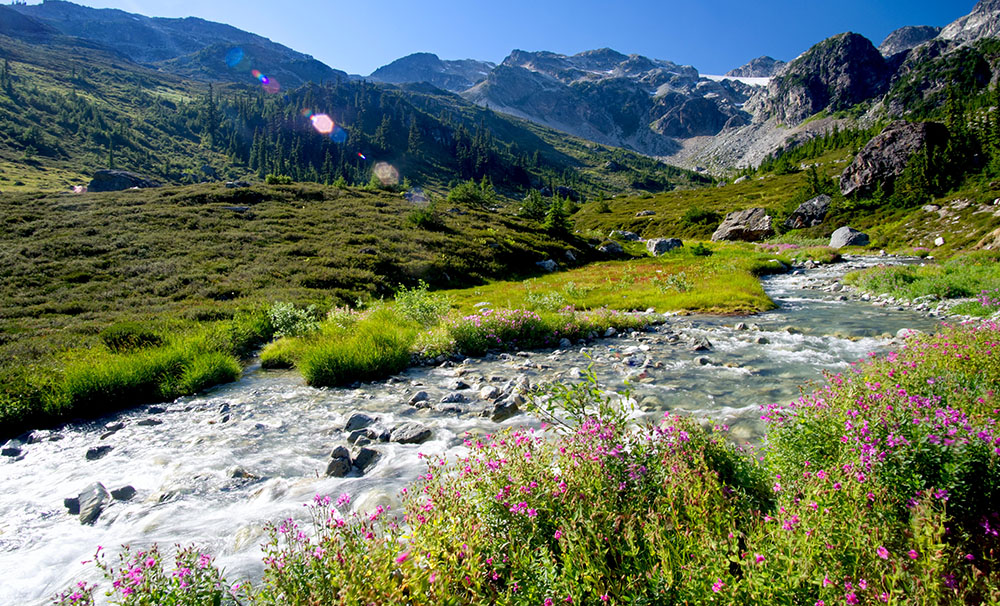
BC’s parks and protected areas are home to culturally important places for First Nations, thrilling sites for outdoor adventures, and protect precious habitat for animal and plant species. As we enter the last days of the budget consultation—which closes on September 30, 2021 at 5pm PST—it’s key that we take action to speak up for BC’s wild places and spaces that don’t have a voice.
Will you join us in standing up for nature? Here are three more reasons why you should.
1. Investing in nature conservation will help BC meet international biodiversity targets
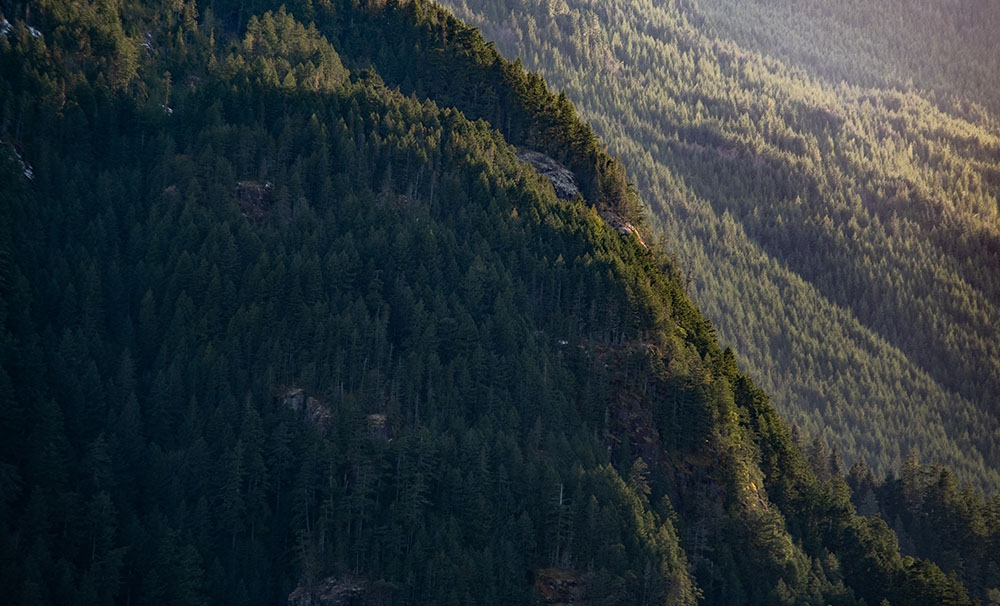
Time is ticking closer to the 2025 international biodiversity targets, in which Canada has committed to protecting 25% of its land and inland waters by 2025, and 30% by 2030. To slow the rapid loss of biodiversity in BC, we need to make sure that more land is protected to shelter at-risk species and preserve our forests, rivers, lakes, grasslands, and more through a changing climate.
2. Protected areas return on their investment through opportunities for tourism, job creation, and increased GDP
From Hope to Revelstoke, we don’t need to look far to see the economic benefit that visitors bring to a community. When visitors spend time and money in parks, they bring in a 44% return in government investment through taxes. Tourism—which heavily relies on BC’s wildlife and wild places—can also increase our GDP, or the value of our economy. In 2016, tourism contributed $7.9 billion to BC’s GDP—a bigger contribution than the mining, forestry, and agriculture/fishing industries.
3. Protected, safe, and accessible provincial parks will result in happier and healthier British Columbians.
In aCPAWS-BC survey last year, 94% of British Columbians said that access to nature was somewhat or very important to their mental health. Parks double as places for people to connect with nature, and with each other in our urban and screen-based lives. Accessible nature with safe infrastructure means that more people can get outside. It’s a big bonus of increased investment in parks and protected areas.
Ready to stand up for nature in BC? Take action and tell the BC government that they need to invest in nature.
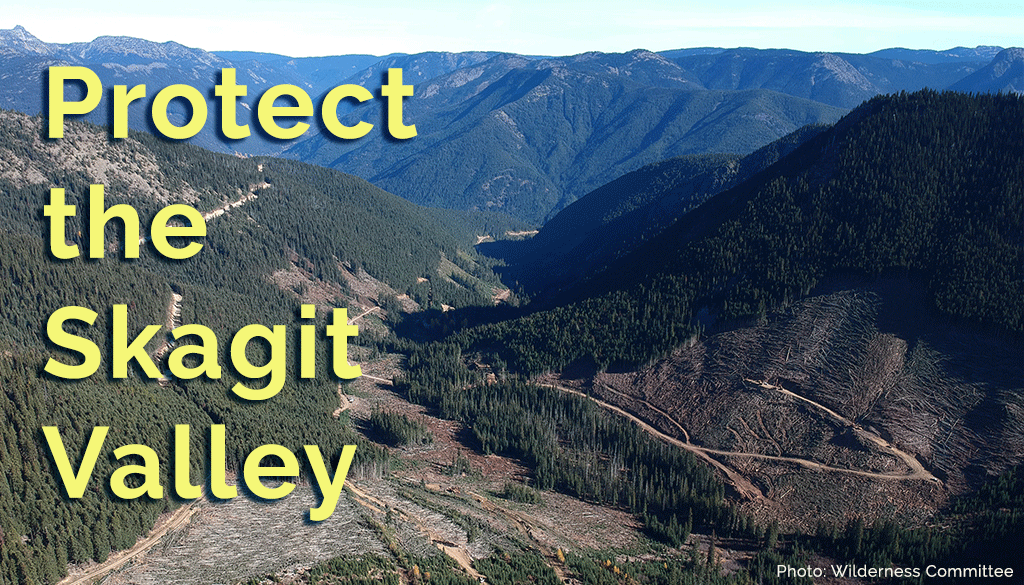
The small unprotected patch of land surrounded by Skagit Valley and E.C. Manning Provincial Parks is under threat from logging and mining. Help protect this cherished area!
Imperial Metals has applied for a 5-year exploratory mining permit in a little patch of land, nicknamed the Donut Hole, between Skagit Valley and Manning provincial parks. If granted, this would further the impacts created by logging in 2018. These parks are iconic recreation areas and important wildlife habitat that deserve protection, not extraction.
Aerial view of the recent logging in the Skagit Donut Hole taken above Silverdaisy Ridge.
Photo credit: Wilderness Committee
To make matters worse, this mining is being proposed by the company responsible for the Mount Polley mine disaster, Imperial Metals. This disaster saw a four square kilometre sized tailings pond full of toxic copper and gold mining waste breach, spilling an estimated 25 billion litres of contaminated materials into neighbouring lakes, contaminating drinking water sources and major spawning grounds for sockeye salmon. Imperial Metals has not been fined or charged in response to the disaster, leaving landowners and business operators out to dry.
The Skagit Valley parks are headwaters for an internationally significant watershed which leads back to the Salish Sea. Mining would threaten recent efforts to recover salmon and bull trout in the US Skagit River. Metals, especially copper, are toxic to salmon – a necessary food source for the southern resident killer whales, already imperiled from multiple factors including lack of their salmon-dependent diet. Allowing mining to occur here would put these salmon and whales at an increased risk from damaging that Upper Skagit, referred to as the crown jewel of the Salish Sea.
This Skagit Valley parks are the northern tip of a system of connected protected areas which reaches all the way into California. The North Cascades Grizzly Bear population unit is one of the most imperilled in the province. These protected areas are important habitat to maintain wildlife connectivity and provide recreation opportunities for people to connect with nature.
We stand with many partners including 22 US conservation organizations who voiced their opposition to the application. This project would be a disaster for species from spotted owl to the iconic orcas and grizzlies who make their home in BC’s land and waters. By joining the chorus of opposition to this project, you can ensure a safe home for these species and the enduring protection that this area deserves.
We use cookies and other similar technologies such as pixels and web beacons (“Cookies”) for various purposes, such as to ensure our website functions properly, enhance your browsing experience by remembering your preferences and provide personalized content and advertisements.
Functional
Always active
The technical storage or access is strictly necessary for the legitimate purpose of enabling the use of a specific service explicitly requested by the subscriber or user, or for the sole purpose of carrying out the transmission of a communication over an electronic communications network.
Preferences
The technical storage or access is necessary for the legitimate purpose of storing preferences that are not requested by the subscriber or user.
Statistics
The technical storage or access that is used exclusively for statistical purposes.The technical storage or access that is used exclusively for anonymous statistical purposes. Without a subpoena, voluntary compliance on the part of your Internet Service Provider, or additional records from a third party, information stored or retrieved for this purpose alone cannot usually be used to identify you.
Marketing
The technical storage or access is required to create user profiles to send advertising, or to track the user on a website or across several websites for similar marketing purposes.