Home » cpaws-bc
District of Saanich and City of Langford vote to push Province to legislate Coastal Marine Strategy
SAANICH & LANGFORD, BC / Unceded territories of the lək̓ʷəŋən and W̱SÁNEĆ Peoples
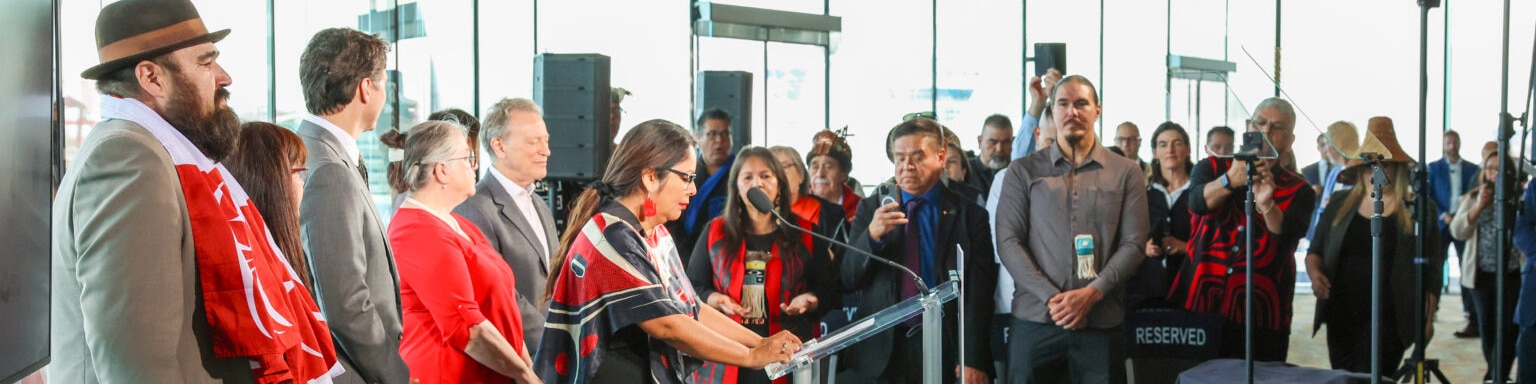
Tonight, the District of Saanich and City of Langford Councils voted unanimously in favour of BC municipalities pushing the BC government to enshrine its recently-released Coastal Marine Strategy into law. The resolutions were brought by Saanich Councillor Teale Phelps Bondaroff and Langford Councillor Mary Wagner.
BC coastal and marine areas face a myriad of threats, from marine plastics to derelict vessels, shoreline development, ship traffic and climate change. Local governments are often on the front lines of these challenges.
The Coastal Marine Strategy was co-developed with coastal First Nations to address these important issues, and it includes both existing and new policies and projects. It aims to protect and restore coastal ecosystems; assess and manage cumulative impacts; promote sustainable blue economies; and support the implementation of marine plans to ensure the most sustainable use of coastal regions.
“Healthy coastal ecosystems are essential to the prosperity of our communities and the sustainability of our industries,” said Councillor Phelps Bondaroff. “Coastal communities, like Saanich, understand better than anyone the need for long-term solutions. By supporting this call to enshrine the Coastal Marine Strategy into law, we are ensuring their voices, livelihoods, and environments are protected for future generations.”
Erin Gray, Saanich resident and Staff Lawyer with West Coast Environmental Law, said: “Enshrining the Coastal Marine Strategy into law is the critical next step to ensure that it is resistant to the winds of political change and is able to fulfil its 20-year vision. Strong laws are critical to long-lasting environmental protection.”
“Having lived most of my life on Vancouver Island, I have seen first-hand the impact of degraded shorelines, salmon declines and contaminated shellfish. We all have a responsibility to be good stewards of our oceans and ensure the health of coastal communities now and into the future,” said Councillor Wagner. “By taking the next step with a legislative framework to implement the Coastal Marine Strategy, we can make the investment already made by the Province really count.”
With the passing of these resolutions in Saanich and Langford, the municipalities are now seeking to raise the issue with other local governments across the province, bringing resolutions in support of a strong BC coastal law to the Association of Vancouver Island and Coastal Communities in April, and following that, to the Union of BC Municipalities in September.
—–
For more information, please contact:
Erin Gray (she/her), Staff Lawyer, West Coast Environmental Law
egray@wcel.org, 604-684-7378 ext. 234
Teale Phelps Bondaroff (he/him), Ph.D., Councillor, District of Saanich
teale.phelps.bondaroff@saanich.ca, 250-882-6261
*Teale est disponible pour des interviews en français
Mary Wagner (she/her), Ph.D., Councillor, City of Langford
mwagner@langford.ca, 250-634-2398
Additional information:
Saanich resolution: https://saanichca.primegov.com/Portal/viewer?id=0&type=7&uid=d30708db-7dc4-4b5f-ba3f-44c1eb3518ba
Langford resolution (agenda item 11.2): https://pub-langford.escribemeetings.com/FileStream.ashx?DocumentId=12864
Unceded territories of the Coast Salish Peoples/Vancouver, BC – The Canadian Parks and Wilderness Society, British Columbia (CPAWS-BC) is urging the BC government to keep up momentum on conservation priorities following the release of mandate letters that provide direction to ministers on the priorities of Premier Eby’s new government.
“While we were glad to see this government will be tasked with working collaboratively with First Nations to protect critical ecosystems, we’re also concerned and disappointed by some key omissions in these mandate letters,” says Executive Director Sarah McNeil.
“For example, governments, communities, industry and other interest holders came together to develop key conservation priorities like the Coastal Marine Strategy, Together for Wildlife strategy, and the Biodiversity and Ecosystem Health Framework — and the Old Growth Strategy Review which spawned it. The health of ecosystems from inland forests all the way to the coast and beyond depend on the continued development and implementation of these priorities, yet none were mentioned at all.”
There was also no explicit reference to biodiversity or species-at-risk legislation in the mandate letters, despite over 1,600 species being listed as at-risk in BC.
“We were glad to see the inclusion of land use planning, and we’re hoping to see adequate resources, clear processes and conservation objectives as part of that process,” says McNeil, “We’ll be looking to the government to take concrete steps to halt biodiversity loss and ensure the long-term health of the nature our communities and economy depend on.”
The only reference to the Province’s previous commitment to protect 30% of lands and waters by 2030 comes alongside a mandate to enable mining exploration and development in partnership with First Nations.
“While we understand that critical minerals are a necessary input in the energy transition, biodiversity impacts must be considered as part of any project approval process. We cannot simply trade one crisis for another, or pretend that they are not interlinked; we must address the biodiversity, climate and affordability crises together,” says McNeil.
For interviews contact:
Max Winkelman
Communications Manager
max@cpawsbc.org
604-685-7445 x3
Background:
Mandate Letter to Randene Neill, Minister of Water, Land and Resource Stewardship
Mandate Letter to Tamara Davidson, Minister of Environment and Parks
Mandate Letter to Adrian Dix, Minister of Energy and Climate Solutions
Mandate Letter to Kelly Greene, Minister of Emergency Management and Climate Readiness
Mandate Letter to Ravi Parmar, Minister of Forests
Mandate Letter to Christine Boyle, Minister of Indigenous Relations
Mandate Letter to Jagrup Brar, Minister of Mining and Critical Minerals
Nov. 18, 2024 – by Eden Luymes, Youth Engagement Coordinator
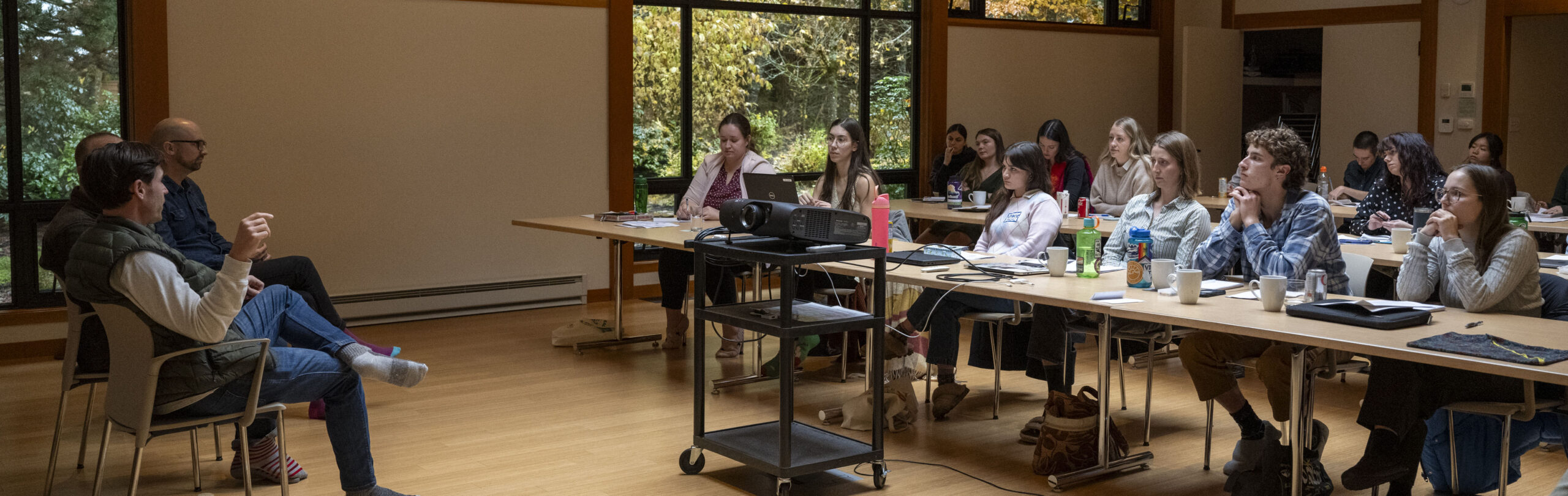
On a rainy November weekend, 19 youth from our Young Leaders in Conservation Program gathered at the Brew Creek Centre for our 2024 Summit. Under cedar fronds dripping with fresh rain, we gathered to learn about policy pathways to protect nature in BC, brainstorm and scheme creative campaign ideas, sip cozy beverages in the lodge, meet with and learn from local government representatives, and build community with like-minded, environmentally-conscious youth from across the province.
Take a walk through some of the many workshops, highlights, and learnings from this beautiful weekend with our Young Leaders.
Learning from Squamish and Lil’wat Culture
Our Summit took place on the unceded shared territory of the Sk̲wx̲u7mesh (Squamish) Nation and L̓il̓wat7úl (Lil’wat) Nation. We opened our weekend with a traditional welcome, beautiful songs, and a dance led by Shelby, a Cultural Ambassador from the Squamish Lil’wat Cultural Centre (SLCC). This was a wonderful way to ground ourselves in place and reflect on how we can work towards meaningful decolonization and support Indigenous leadership on the land.
We also had the incredible opportunity to visit the Squamish Lil’wat Cultural Centre in Whistler and learn more about Squamish and Lil’wat cultures and relationships to the land. I was particularly struck by the artistry and deep symbolism in the carving work, and the process for collecting, processing, and weaving wild mountain goat hair in Squamish tradition.
Organizing to ‘Win’ for Nature
One of the goals of this Summit was to familiarize ourselves with local conservation policy issues, and identify ways we can lobby for more and better protected areas in BC. CPAWS-BC’s Research and Policy Coordinator Meg Bjordal and Marine Research Coordinator Debra Sintra presented on their policy research and campaign work. They identified what areas of terrestrial and marine conservation need additional effort so the young leaders can advocate for action.
This presentation was complemented by a campaign strategy session on “Organizing to Win” with AK Saini from Organizing for Change. We fleshed-out our campaigns by identifying decision-makers, power-holders, and potential points of intervention for our activism, lobbying, or policy recommendations. This exercise will help the young leaders develop their policy asks for MLAs by identifying where we can exert pressure, mobilize our efforts effectively, and actually “win” for nature.
Story-telling in Activism
This weekend, the Young Leaders learned that humans are a species of storytellers. As much as we love a good statistic, it’s important to build a narrative in our activism. We covered how to do this in a session with Sarah Doty from Capulet. We shared our conservation “encounter” – our origin story for our work on environmental issues. Our “encounters” included moments in childhood, learning about a species at risk, or a cultural connection to the land. We discussed the importance of not only conveying an “ask” in our messages to the government, but also a vision. We ended the session by brainstorming increasingly wild and hair-brained ideas to visually convey the importance of protecting 30% of lands and waters by 2030. Ideas ranged from murals of endangered species in the locations where they should be thriving, to a cake presented to the Premier…
Eating & Growing Sustainably
Our Summit took place at the beautiful Brew Creek Centre, where the food – catered by LC Catering – was particularly outstanding. LC Catering provided seasonal and local meals, and we had the opportunity to see where much of the food we were enjoying was grown – right on site at the property farm! Eli took us on a fascinating tour of fields, greenhouses, geodesic domes full of flowers, and an incredible aquaponics facility where koi fertilize the greenest lettuce I’ve ever seen. It was delicious and exciting to see how much gorgeous food can be locally and sustainably grown here, even in bleak November!
Mutual Inspiration with Elected Representatives
We had the incredible honour of welcoming Mayor of Whistler Jack Crompton, Mayor of Squamish Armand Hurford, and MP Patrick Weiler, Liberal Member of Parliament for West Vancouver—Sunshine Coast—Sea to Sky Country to our Summit. They spoke on a panel about how to effectively influence government, and provided detailed advice for young leaders and activists looking to effect change at the municipal, provincial, and federal level. It was encouraging to hear that governments are listening to young voices, and though more work needs to be done, we were mutually inspired by this session. After the panel, the Young Leaders were able to chat and informally connect with the panelists, sharing their thoughts and perspectives over coffee and snacks.
Connecting Like-minded youth
Above all, we were all deeply inspired by one another. At times in this work, especially when you are starting out, it can feel like the work you are doing is isolated. The problems we face – biodiversity loss, climate crisis, extractive relationships to the land and colonial culture – are enormous; petrifying and daunting. The odds seem stacked against us. However, gathering together this weekend was a reminder that we are not alone in this work and this fight! I can work alongside and deeply trust the other young people who are making a difference. There is a lot of progress to be made, but I have greater peace of mind and encouragement knowing that these incredible young leaders are out there, with energy, clarity, and brilliance, working on these challenges too. When I think about how incredible they are, the once stacked odds seem to flip in our favour, and I begin to wonder how we wouldn’t succeed with such brilliant young leaders advocating for our planet.
Learn More about the Young Leaders in Conservation Program
This program is an opportunity for youth to connect with like-minded, passionate people who care for nature and wish to make meaningful connections, network with youth leaders and conservation experts across BC, get coaching for skills relating to conservation advocacy in BC, and co-create ways of catalyzing change. We know that by bridging a network of like-minded peers, we’ll have a stronger impact, together.
Learn more about how you can get involved in the program by visiting the Young Leaders in Conservation Program page or contacting Program Coordinator Eden Luymes at eden@cpawsbc.org.

CPAWS-BC is delighted to announce Sarah McNeil as Acting Executive Director, effective September 09, 2024.
Sarah joined CPAWS-BC in May of 2017, and has previously held the roles of Development Manager and Operations Director within the organization. To her new role of Acting Executive Director, she brings a wealth of experience in donor relations and nonprofit management, a passion for building strong teams, and an unwavering commitment to the CPAWS-BC mission.
“It’s an honour to be stepping into the role of Executive Director right now,” Sarah says. “I’m incredibly proud of the work that the CPAWS-BC team has done over recent years to build momentum for Indigenous-led conservation, advocate for the permanent protection of lands and waters, and hold the government to account to safeguard Nature right across BC. We’ve seen important gains in a number of places, including the signing of the Trilateral Nature Agreement and the release of a Coastal Marine Strategy to protect biodiversity and the well-being of coastal communities.
“At the same time, we recognize the continued threats to lands and waters right across the province. There’s so much work to be done to ensure that Nature is protected in a way that supports habitats, wildlife, and humans now and into the future. I’m excited to be leading such a strong team at this important moment.”
Prior to joining CPAWS-BC, Sarah worked for numerous environmental nonprofits, and holds a Bachelor of Science and a Bachelor of Education. She credits her nuanced perspective on conservation to growing up in a small town in BC’s interior, where outdoor recreation, nature appreciation, and resource extraction exist side-by-side. She also has the greenest thumb on the team, and will bring tomatoes and zucchinis to meetings in August.
Sarah looks forward to sharing more about her vision for CPAWS-BC in the weeks and months to come. In the meantime, the CPAWS-BC team remains focused on their core work of advocating for Nature.
Sept. 18, 2024 – by Meg Bjordal, Research and Policy Coordinator
Protecting Biodiversity and Habitat for Species at Risk is the Key to our Shared Futures
BC needs a Biodiversity law, complete with protections for habitat for species-at-risk to ensure a future where wildlife and people can thrive.
British Columbia lists over 1,700 species at risk and counting, yet there is no effective provincial law to protect them or their habitat. Some of BC’s most iconic animals are on this list including southern mountain caribou, grizzly bears and southern resident killer whales. The biggest threat most endangered species face is from habitat loss and degradation.
For example, southern mountain caribou and spotted owls – two of the most threatened wildlife populations in BC, depend on old-growth forests for their homes. Old growth forests are an ecosystem that has long been identified of high conservation importance, but most of it (82%) remains unprotected and clearcutting is continuing.
Pathway to a Biodiversity Law
Out of rising concern for how old-growth forests are managed in the province, an independent review was conducted and released in 2020. The Old Growth Strategic Review put forward 14 recommendations on how to better manage forests based on wide consultation and expert opinions.
All recommendations from this report were adopted, though none have yet been fully implemented. Some of the recommendations outline conditions required for change, and include the need for legislation that establishes “conservation of ecosystem health and biodiversity of British Columbia’s forests as an overarching priority”.
Out of this recommendation came the draft Biodiversity and Ecosystem Health Framework. This framework sets the stage for a needed paradigm shift that prioritizes biodiversity and the health of ecosystems above resource extraction. With continued momentum this could lead to a biodiversity law, and even include protections for species at risk and their habitat.
Protecting Biodiversity Benefits Wildlife and People
Protecting habitat for species-at-risk not only provides a future for BC’s favourite wildlife, but also for the people who live and recreate in these important places. Healthy, functioning and connected ecosystems facilitate natural processes and animal movements. Meaning that critical planet support systems like nutrient cycling can occur, and that animals can move as needed to find food, shelter and mates. This also allows for mitigation of climate change effects and better ability to adapt. Protecting and restoring habitat, especially large and interconnected landscapes, makes it possible for biodiversity to thrive and ensures functioning ecosystems.
Sept. 9, 2024
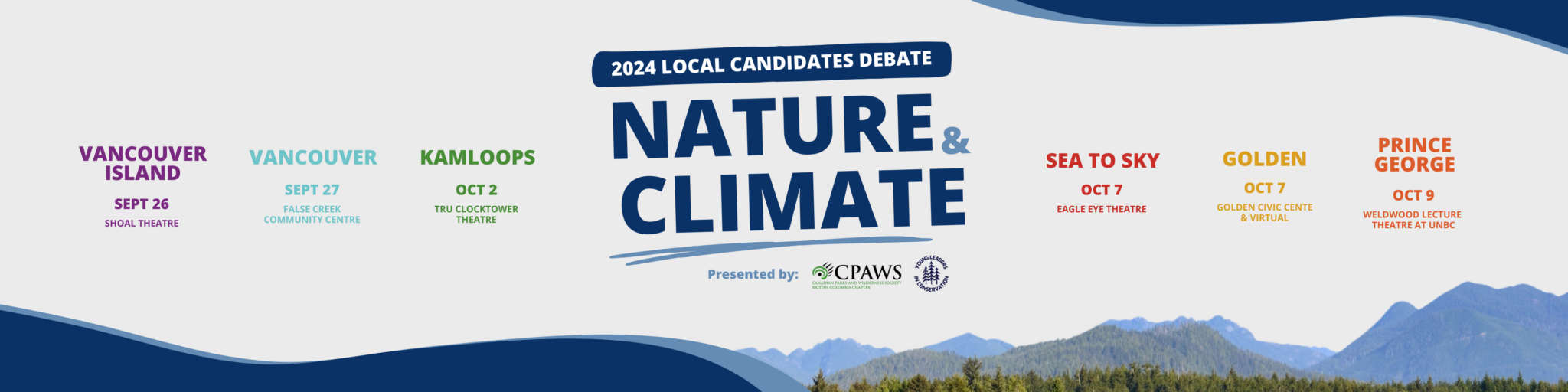
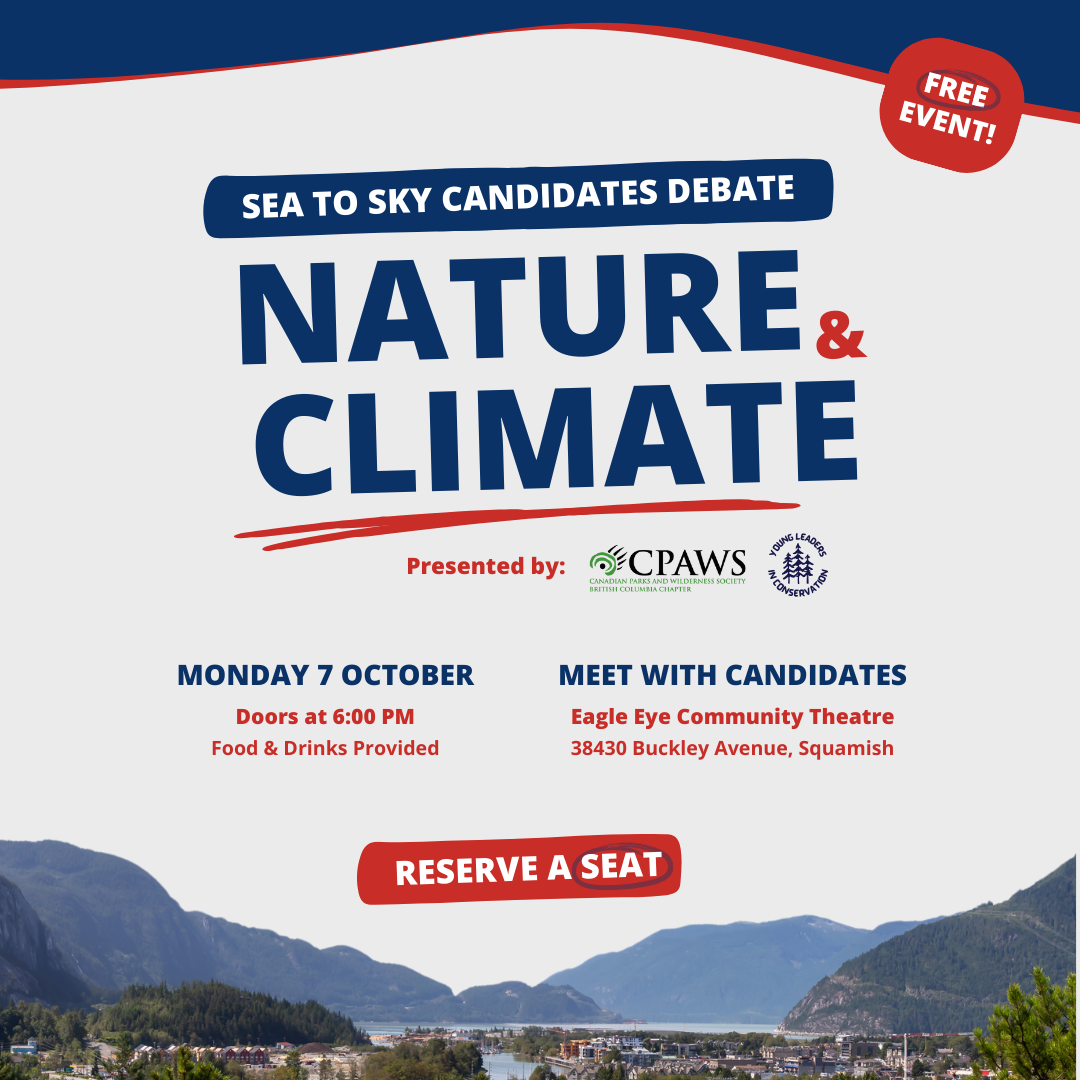
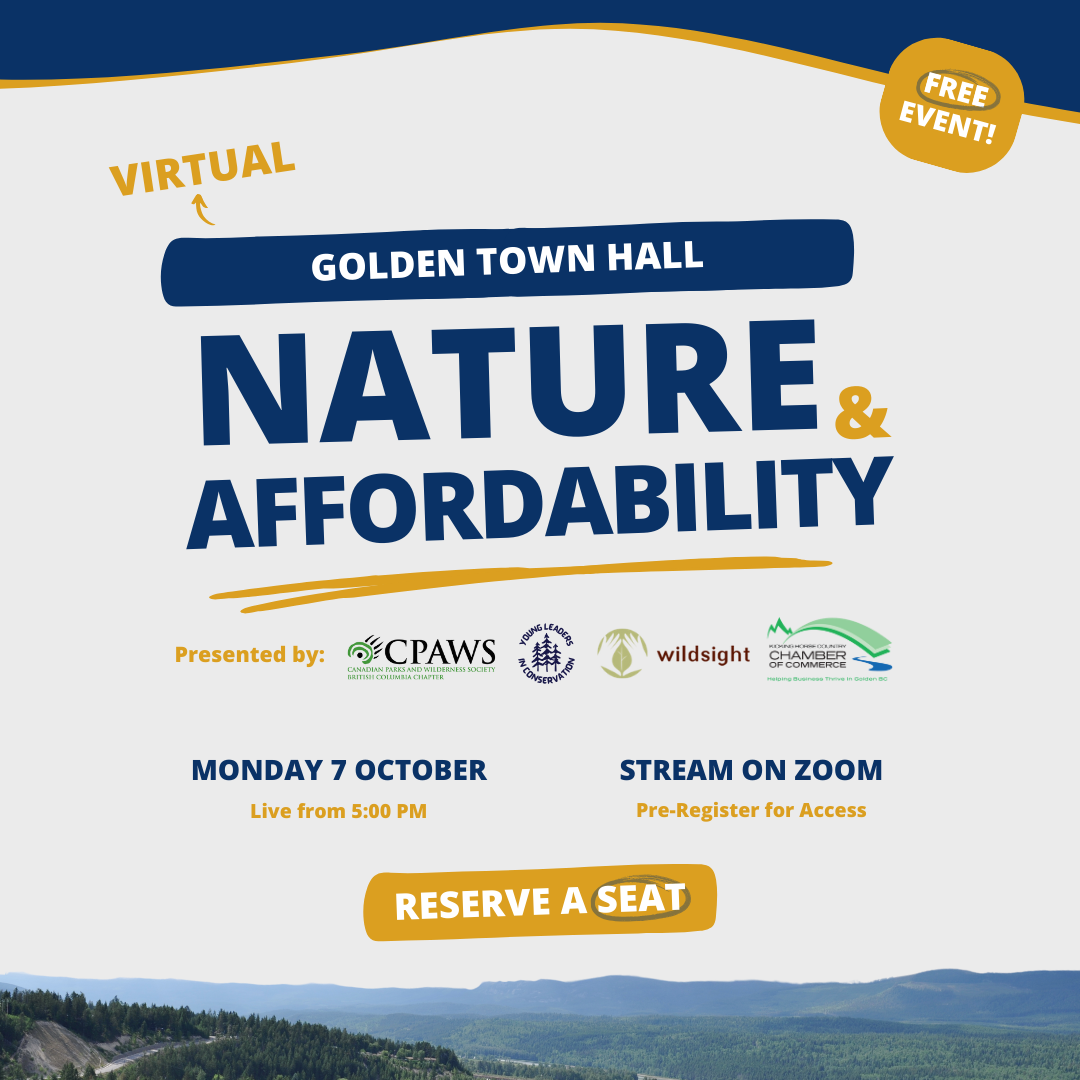
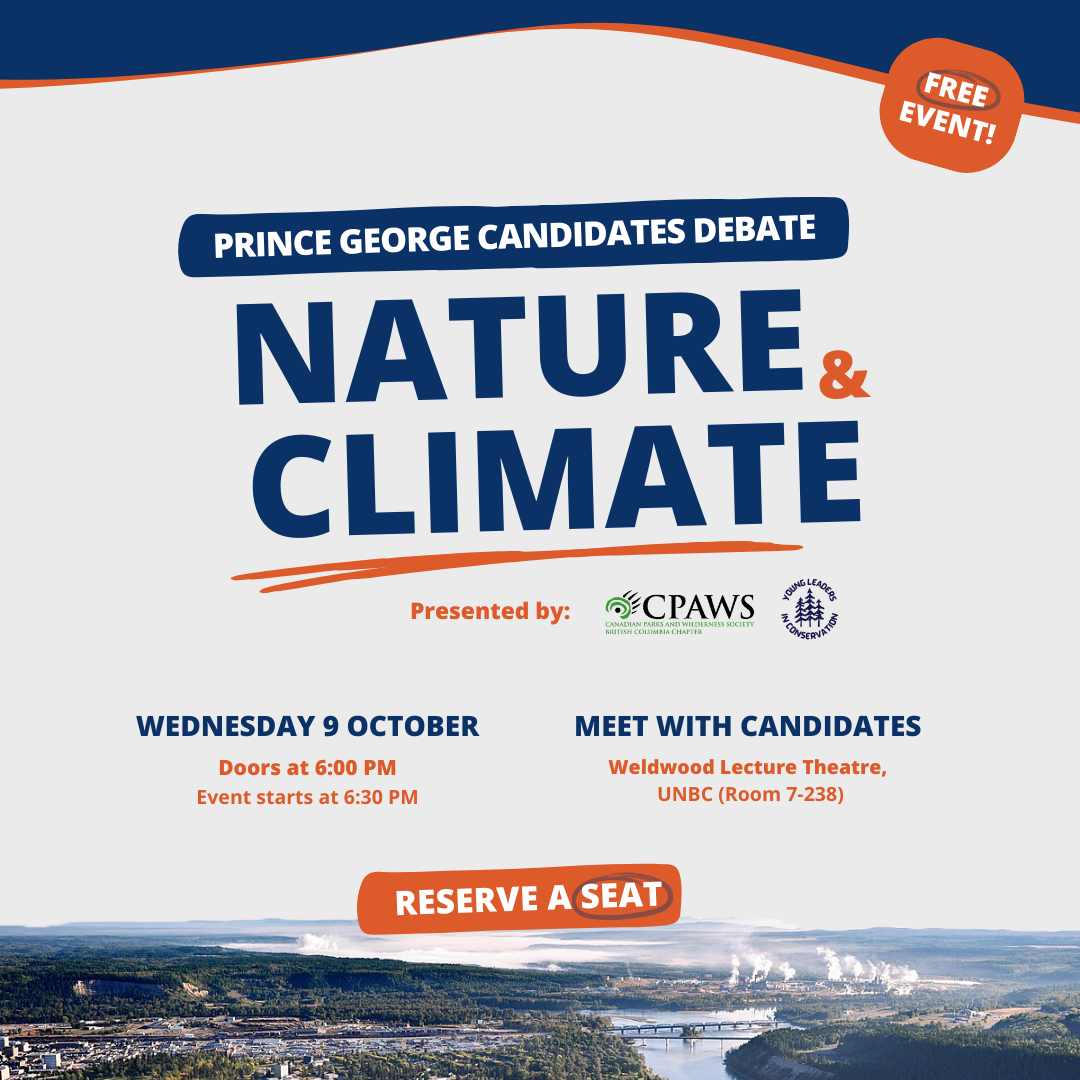
Our Nature & Climate debates bring candidates in your riding together to discuss conservation, climate policy, and environmental issues. Hear what they have to say, ask candidates questions directly, and make your community’s concerns heard this election. This debate is co-hosted with local youth from our Young Leaders in Conservation Program (YLICP). Young people are especially encouraged to attend and participate. CPAWS-BC will be moderating the debates and asking candidates about their positions on various environmental issues, followed by an open audience Q&A.
Join us for food and refreshments when doors open, at no charge. Please come mingle and share your views with the candidates. Register now to save your seat!
Find a Candidates Debate near you!

August 28, 2024 – by Meaghen McCord, Executive Director
Back in March, we embarked on an ambitious journey—one that fundamentally challenged the traditional work model many of us have been accustomed to. We transitioned to a 4-day, 32-hour work week (4DWW) with the hope of enhancing work-life balance, reducing burnout, and maintaining our commitment to protecting British Columbia’s wilderness. As promised, we’re sharing an update with our supporters and community on how this experiment is unfolding. Today, as we reach the end of our pilot, we’re excited to share the impact this change has had on our team and the insights we’ve gained along the way.
A Breath of Fresh Air: Positive Impacts So Far
The results from our midpoint evaluation have been nothing short of encouraging. Since the pilot’s inception, we’ve seen significant improvements in several key areas:
- Work-Life Balance: Our team’s work-life balance has improved significantly. The extra day off has provided more time for personal activities, health, and spending time with loved ones. Sarah, for instance, has found more quality time with her family, reconnecting with what matters most.
- Reduced Burnout: The shift has also led to a significant reduction in feelings of burnout. Staff are returning to work refreshed and more focused, which has been instrumental in enhancing overall job performance. Max spent one of the Fridays, instead of sitting behind a desk, watching a family of badgers play, reinforcing his passion for conservation.
- Maintaining Effectiveness: Despite the shorter work week, our team’s effectiveness remains strong. Staff’s rating for CPAWS-BC as an effective organization increased, and job performance ratings also saw a slight uptick.
- Health and Well-being: We’ve also noticed improvements in physical health and opportunities for recreation and leisure, contributing to significant long-term benefits for our people and our organization.
Celebrating Conservation Wins
While we’ve been focusing on work-life balance and team well-being, we haven’t lost sight of our core mission—conservation. In fact, the past few months have been marked by some incredible conservation wins including:
- Biggest Park Expansion in Over a Decade: We’re proud to have been part of the effort leading to the largest BC parks expansion in over a decade, which will protect critical habitat for the southern mountain caribou. This expansion is a major victory for biodiversity and a testament to the power of collaborative conservation efforts. Read more about this milestone here.
- A New Marine Protected Area: We’ve also been instrumental in the announcement of a new Marine Protected Area (MPA) off the coast of BC, which is four times the size of Vancouver Island. This new MPA is a groundbreaking step forward in safeguarding vital marine ecosystems and ensuring the health of our oceans for future generations. Learn more about this significant achievement here.
- Successful Campaigns: Beyond these major milestones, several of our conservation campaigns have seen significant progress. Our ability to engage in deep, focused work during the shortened week has played a key role in these successes.
These wins are a testament to the dedication and passion of our team, proving that even with a shorter work week, we can achieve great things for the environment and our communities.
Challenges and Collaborative Solutions
While the overall sentiment has been positive, we’ve also faced some challenges particularly during shortened weeks where additional office closures due to holidays or absences have made it difficult for some to manage workloads. Professional development, especially our ongoing Justice, Equity, Diversity, and Inclusion (JEDI) efforts, has been more challenging to prioritize within the compressed schedule.
In response, we’ve made a few immediate adjustments, such as revising our guidelines around off-hours communication and time-in-lieu management. We’re also considering further solutions, like more flexible working hours and specific, protected time slots for professional development and JEDI learning. These adjustments will help us address the challenges while staying true to our commitment to a 32-hour work week.
Looking Forward: A Shared Vision
As we continue our journey, we remain committed to listening, learning, and adapting. The next few months will be crucial as we wrap up the pilot in September and conduct a comprehensive evaluation. Our goal is to present thoughtful recommendations to our board on how to move forward together in a way that balances team well-being with our mission and commitment to biodiversity and effective conservation.
We promised to keep our supporters and community informed, and we’re thankful for your ongoing interest and encouragement. If you have thoughts on our 4DWW pilot, or if you’d like to get involved in our latest conservation campaigns, we invite you to reach out—we’d love to hear from you. Together, we can continue to push boundaries and make a lasting impact on our beautiful province.
We’ll be sharing our final recommendations and decisions regarding the future of the 4DWW later this year. Until then, we remain optimistic and committed to finding the best balance for our team and our mission.
Thank you for being part of this journey with us. We look forward to continuing to share our progress with you.
July 18, 2024
Unceded territories of the Coast Salish Peoples/Vancouver, BC – The Canadian Parks and Wilderness Society, British Columbia is celebrating a $49 million federal investment to address climate change through nature conservation in BC. This funding is focused on thousands of hectares of carbon-rich ecosystems such as grasslands, wetlands, mature forests and overlapping with habitat for species at risk such as grizzly bears and Marbled Murrelets.
“We are thrilled to see this massive investment into the protection of nature in BC,” says Tori Ball, Conservation Director for the Land & Freshwater Program with CPAWS-BC. “This funding has the potential to make a massive impact by protecting ecologically and culturally important ecosystems that hold and sequester carbon while benefitting clean water, air and wildlife.”
The funds were announced on July 18 by Steven Guilbeault, Minister of Environment and Climate Change Canada and are part of the federal Nature Smart Climate Solutions Fund. The three successful BC recipients are:
- $37 million will go to the BC Parks Foundation to protect 4,000 hectares of private land
- $8 million will go to the Nature Trust of British Columbia to create 11 new protected areas
- $4 million will go to Nuxálk Nation to protect private land in the Great Bear Rainforest
The announcement follows a heat wave which saw 37 heat records broken in BC, with multiple places clocking highs over 40C. Natural climate solutions such as protecting areas from land use changes, namely development or resource extraction, are a proven and lower-cost way to capture or reduce greenhouse gas emissions. These actions must also be paired with the reduction of fossil fuel emissions to avoid the worst effects of climate change.
“We know that protecting carbon-rich and intact ecosystems such as grasslands and mature forests is a proven way to protect species at risk while increasing the resiliency to wildfires, floods and drought which is increasingly important in a warming world,” continued Ball. “We also know that these solutions are most effective when put in place with the leadership of First Nations knowledge and direction on land use within their territories.”
This comes just a few weeks after the release of a new survey which found overwhelming support for nature protection amongst British Columbians with 85% supporting the provincial commitment to protect 30% by 2030.
“It is clear that people across BC want to see the government use available resources and tools to protect and connect landscapes that nurture people, wildlife and the essential services that ecosystems provide. This must be done in partnership with First Nations who are already putting forward bold plans to protect their traditional territories,” said Ball.
For interviews contact:
Max Winkelman
Communications Manager
max@cpawsbc.org
604-685-7445 x3
Additional resources:
REPORT: Protected Areas as a Nature-Based Climate Solution
July 11, 2024
Unceded, traditional, and ancestral Xʷməθkʷəy̓əm (Musqueam), Sḵwx̱wú7mesh (Squamish), and səlilwətaɬ (Tsleil-Waututh) territories / Vancouver, BC – BC is joining other coastal regions in North America with the release of its first and much-needed Coastal Marine Strategy, which will provide BC with better tools to deal with cumulative impacts on the coast and ensure healthier oceans for both nature and people.
“The absence of a Coastal Marine Strategy until this point has resulted in a lack of cohesion and jurisdictional confusion that harms ocean biodiversity, the people who live on the coast and the stability of the jobs they depend on,” says Kate MacMillan, Conservation Director – Ocean Program at the Canadian Parks and Wilderness Society – British Columbia (CPAWS-BC). “A strong Coastal Marine Strategy, co-developed with First Nations, is long overdue and we’re hopeful that it will lead to a better future for nature and coastal prosperity.”
The “made-in-BC” Coastal Marine Strategy was co-developed by First Nations and the BC government with input from nearly 1,000 people during the public consultation, as well as meetings with coastal stakeholders from fishing, forestry, tourism and conservation sectors.
“In order for a coastal strategy to be successful, it’s critical that it protects and restores marine ecosystems, including coordinated monitoring and incorporating nature-based solutions along the coast in a way that enables coastal communities to flourish and respects the rights and leadership of First Nations. The input of people across BC in shaping the strategy will undoubtedly aid in that goal.”
Until now, British Columbia has remained one of the only coastal regions in North America without a unifying and strategic plan to protect and manage the coast.
“Now, with the release of this strategy, we have the opportunity to transition from being reactive to proactive when it comes to making decisions that impact the future of the coast,” added MacMillan.
CPAWS-BC and West Coast Environmental Law have been working together on Blueprint for the Coast, a campaign to find a solution to the issue of BC’s coastal and marine areas being regulated through a patchwork of ministries and departments, with no overarching vision to guide decisions. We have brought people together to learn about coastal issues and to investigate how a coast-wide strategy and law will help to address these issues, as we work together for a healthy, abundant future for the coast and all those who depend on it.
The strategy also commits the Province to partnering with First Nations to develop a proposal for coastal marine legislation, a key focus for the Blueprint for the Coast campaign.
“The release of British Columbia’s first Coastal Marine Strategy is an exciting step towards biodiverse, resilient marine ecosystems that can mitigate and adapt to the impacts of climate change and provide a respite for species at risk, ensuring their abundance for generations to come. The Strategy holds the promise of advancing meaningful acts of reconciliation, through Indigenous marine spatial planning, Indigenous Protected and Conserved Areas, and coastal Guardian programs,” said Georgia Lloyd-Smith, Staff Lawyer at West Coast Environmental Law.
The groups say that the release of the strategy is the start of a new path and a better future for the coastal marine environment across BC.
“It will help protect biodiversity, the well-being of coastal communities, and the stability of over 170,000 ocean-based jobs,” said Lloyd-Smith. “Now with this holistic vision that has a 20-year outlook, the work begins on the actions outlined in the plan to ensure the goals of a healthy coast, resilience to climate change, thriving coastal economies and communities and informed governance are met.”
For interviews, contact:
Max Winkelman (he/him)
Communications Manager, CPAWS-BC
max@cpawsbc.org
604-685-7445 ext. 3
Georgia Lloyd-Smith (she/her)
Staff Lawyer, West Coast Environmental Law
glsmith@wcel.org
604-817-3940
Resources
July 9, 2024 – Debra Sinarta, Marine Research Coordinator, Ocean Program
Despite success stories and significant progress in marine conservation initiatives, their planning, implementation, and effective management are often hindered by a seemingly stale yet crucial element: finance.
We see the same problem in many different forms: conservation projects never get started because of a lack of necessary funds, or initiatives get underway but progress falls short when the money runs out.
To reach the United Nations Convention on Biological Diversity’s goal of protecting 30% of the ocean by 2030 globally, the estimated annual management costs range between $103 billion and $178 billion, according to a report (Waldron et al., 2020). However, global investments in protected areas hover around $24 billion per year, highlighting a significant boost in funding is needed to meet this goal.
It’s a problem that’s on the verge of being solved in parts of BC.
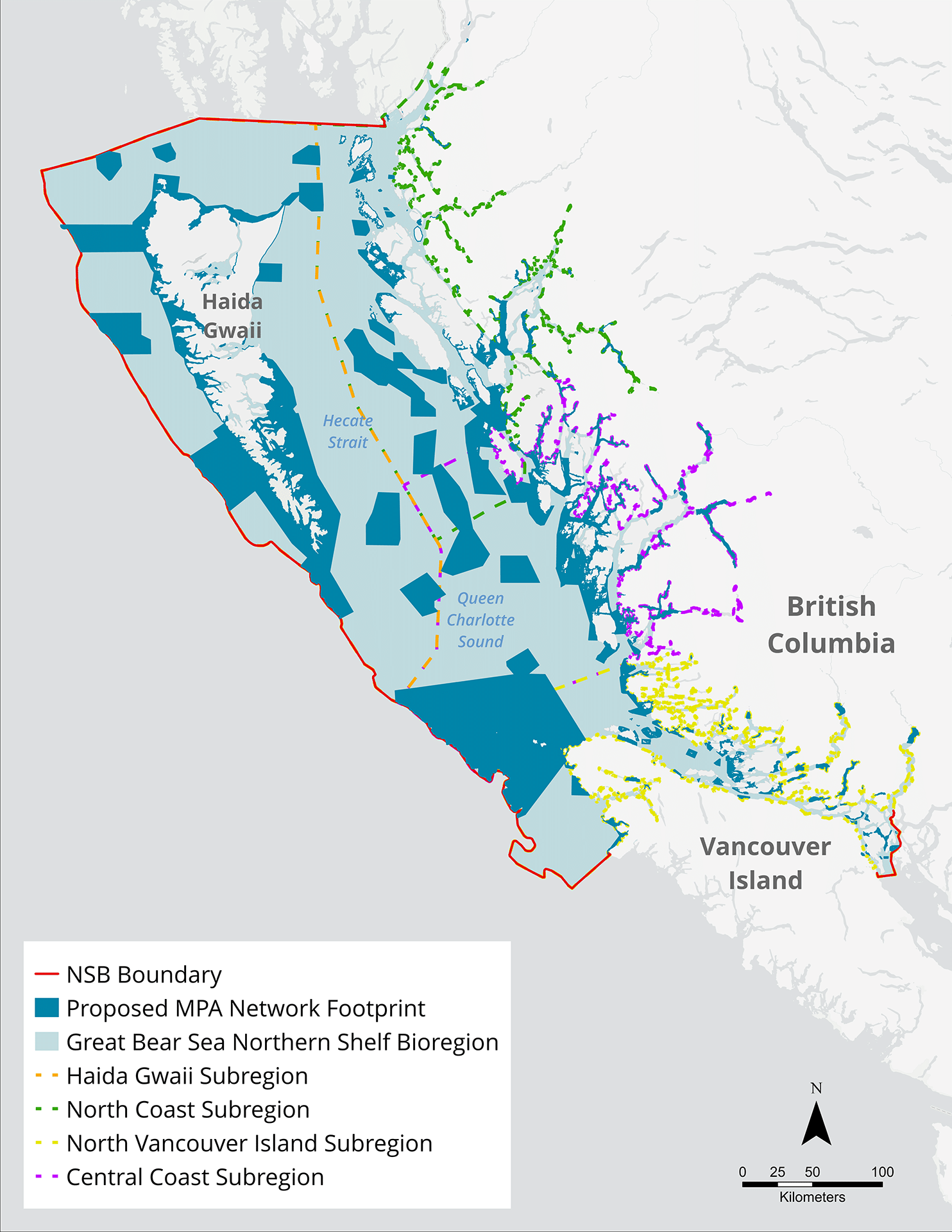
Over the past year, we’ve started to see announcements that will secure the long-term health of nature. In November, we saw the Nature Agreement and the BC Conservation Fund. On June 25, 2024, a similar $335 million agreement was announced for the Great Bear Sea, which covers two-thirds of the coast of British Columbia!
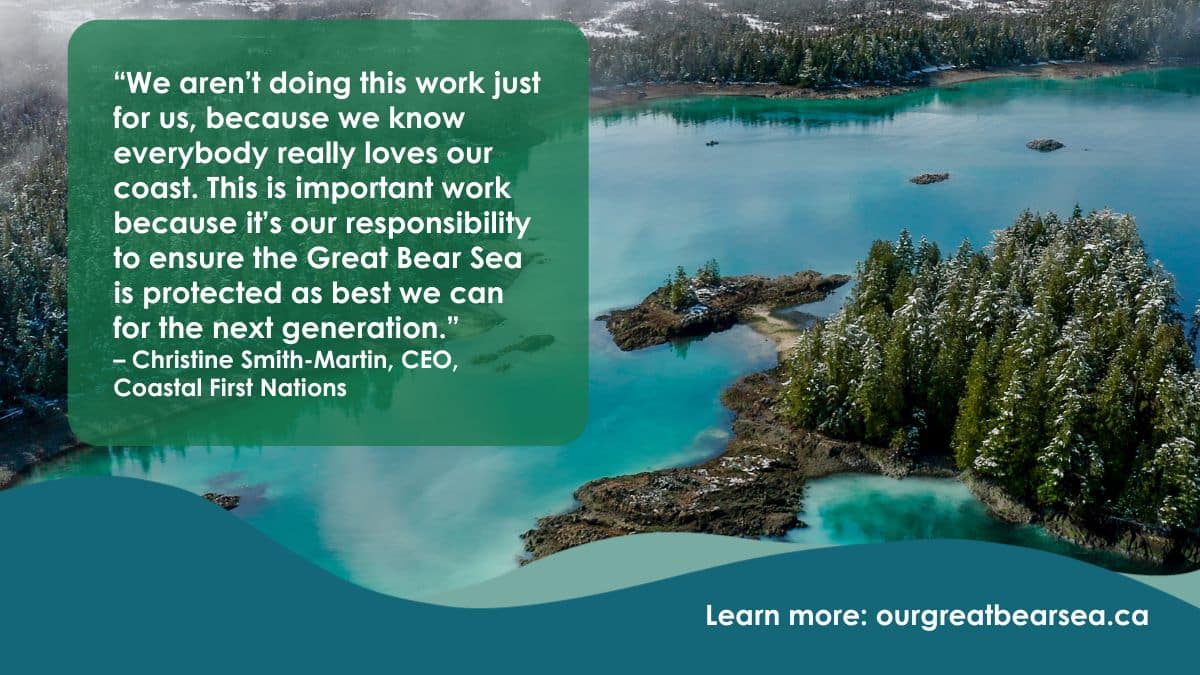
The Great Bear Sea is an ecological and cultural treasure that supports vast open ocean, estuaries, kelp forests, coral and sponges, and deep fjords. Unfortunately, overfishing, habitat degradation, increased shipping, and climate change are threatening the health and resilience of the Great Bear Sea and the coastal peoples that depend on it.
Image courtesy of ourgreatbearsea.ca // Photo Credit: Kitasoo Xai’Xais Territory / Moonfish Media
We need a two-pronged approach to help address these problems: creating a Marine Protected Area Network that considers the ecosystem as a whole, and securing the necessary lasting funding to bring it to life.
The Great Bear Sea Project Finance for Permanence initiative can help to advance both. Here’s how:
Long-Term and Large-Scale Impact:
The Project Finance for Permanence (PFP) is an innovative and proven conservation finance model that combines public and private investments from a diverse array of partners—including governments, NGOs, private investors, and local communities— to support permanent conservation strategies and sustainable economic development.
Often, conservation efforts rely on one-time or limited donations or grants. Although these funds are crucial for supporting individual projects, depending on incremental funding can introduce instability, lack of continuity, and gaps in protection.
Rather than seeking short-term funding to support one site, this new model aims to secure the necessary long-term financing, governance agreements, and strong conservation and development goals needed for lasting success across large-scale conservation efforts.
Collaborative Management:
The PFP approach unites governments, NGOs, donors, and local communities to fulfill a common conservation vision. It coordinates resources and efforts across these key partners to ensure that strong, sustained governance is in place for designing and implementing conservation commitments.
Following the Great Bear Sea MPA Network endorsement one year ago, collective and timely work is needed to bring the network to life. The Great Bear Sea announcement is an essential backing to advance the collaborative implementation of the Network Action Plan. This stable funding will be crucial in building capacity across partners, ensuring the continued management and monitoring of the MPAs, and fostering Indigenous-led governance in the decision-making process.
It’s anticipated it will also support the creation of more than 3,000 new jobs and 200 new businesses over the next 20 years. This is critical to ensure that those living near these vulnerable habitats can thrive where they live and help ensure local support. These opportunities will span diverse sectors, including marine stewardship, renewable energy, sustainable fisheries, and eco-cultural tourism. This will not only bolster local communities but also contribute to a sustainable and prosperous future for the region.
Holistic and Shared Vision:
The Great Bear Sea Initiative and MPA Network are the result of nearly two decades of collaborative work led by 17 First Nations, who’ve been stewarding these lands and waters for thousands of years, in partnership with the Government of Canada and the Province of British Columbia. And the vision is clear: Indigenous-led governance and stewardship, supported by stable, self-determined finance, to ensure the well-being of people and ecosystems across the Great Bear Sea for future generations.
Map of the proposed Great Bear Sea Marine Protected Area Network.
The Great Bear Sea PFP is transforming how we finance and manage conservation, ensuring ecological, social, political, and financial sustainability. This is an exciting milestone for the lasting protection of the Great Bear Sea and a historic step forward for Indigenous-led conservation. It’s the realization of decades of vision and collaboration across the region. As we look to the future, this initiative showcases the power of collaboration and innovative finance in securing a thriving Great Bear Sea for generations to come.