My Highlights and Reflections from IMPAC5
When I joined CPAWS-BC at the start of the new year, I knew I was getting the chance to put my passion and skills for marine research into action. Little did I know, in my first month, I’d get to attend a Congress gathering with the world’s top thought leaders and marine guardians and have the opportunity to learn, connect and share solutions for marine conservation.
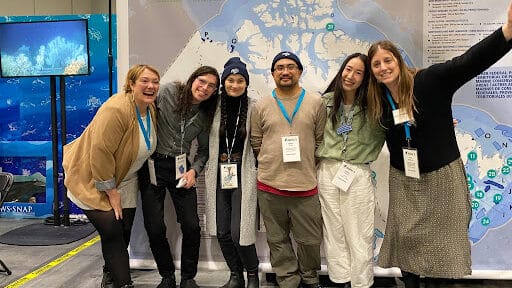
The 5th International Marine Protected Area Congress (IMPAC5) marked my first month working with CPAWS-BC and my first experience attending a Congress of this scale. While these firsts sparked excitement, they simultaneously cast shadows of doubt and nerves. It’s a feeling I know many of my peers experience too. It’s not always comfortable to enter spaces where youth and others haven’t always been invited into or included. I feared being trivial and inconvenient in rooms full of important decision-makers, leaders, and ocean champions who I look up to. I’m happy to say my experience at IMPAC5 proved those apprehensions wrong. In contrast to the pressures of formal meetings and tense negotiations, the congress space welcomed honest conversations and meaningful connections. Day by day, my anxieties lifted and, in turn, uncovered such an empowering and memorable week.
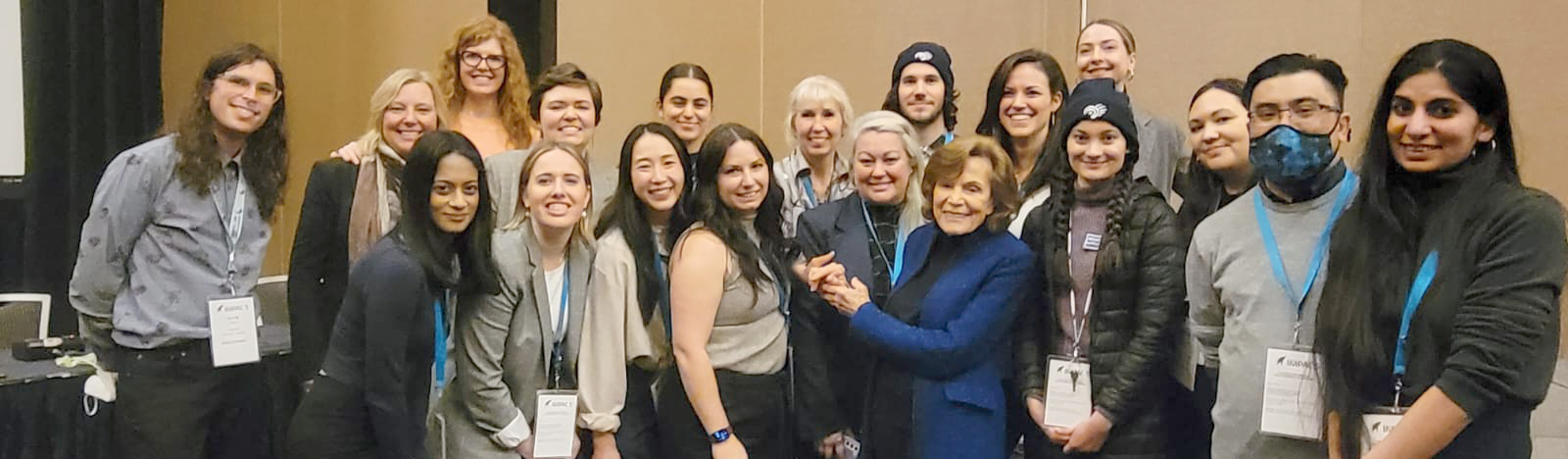
IMPAC5 took place February 5-9, 2023, on the lands and waters of the Coast Salish Peoples in Vancouver. CPAWS-BC’s ocean conservation team joined Indigenous knowledge holders, policymakers, scientists, youth, and community leaders for a week of expert presentations, workshops, family festival activities, and critical conservation commitments. The perspectives and collective voices of the global ocean community helped shape a bright path toward advancing marine conservation both here in BC and beyond.
Here are three highlights from my time at IMPAC5:
1. Celebrating Conservation Wins!
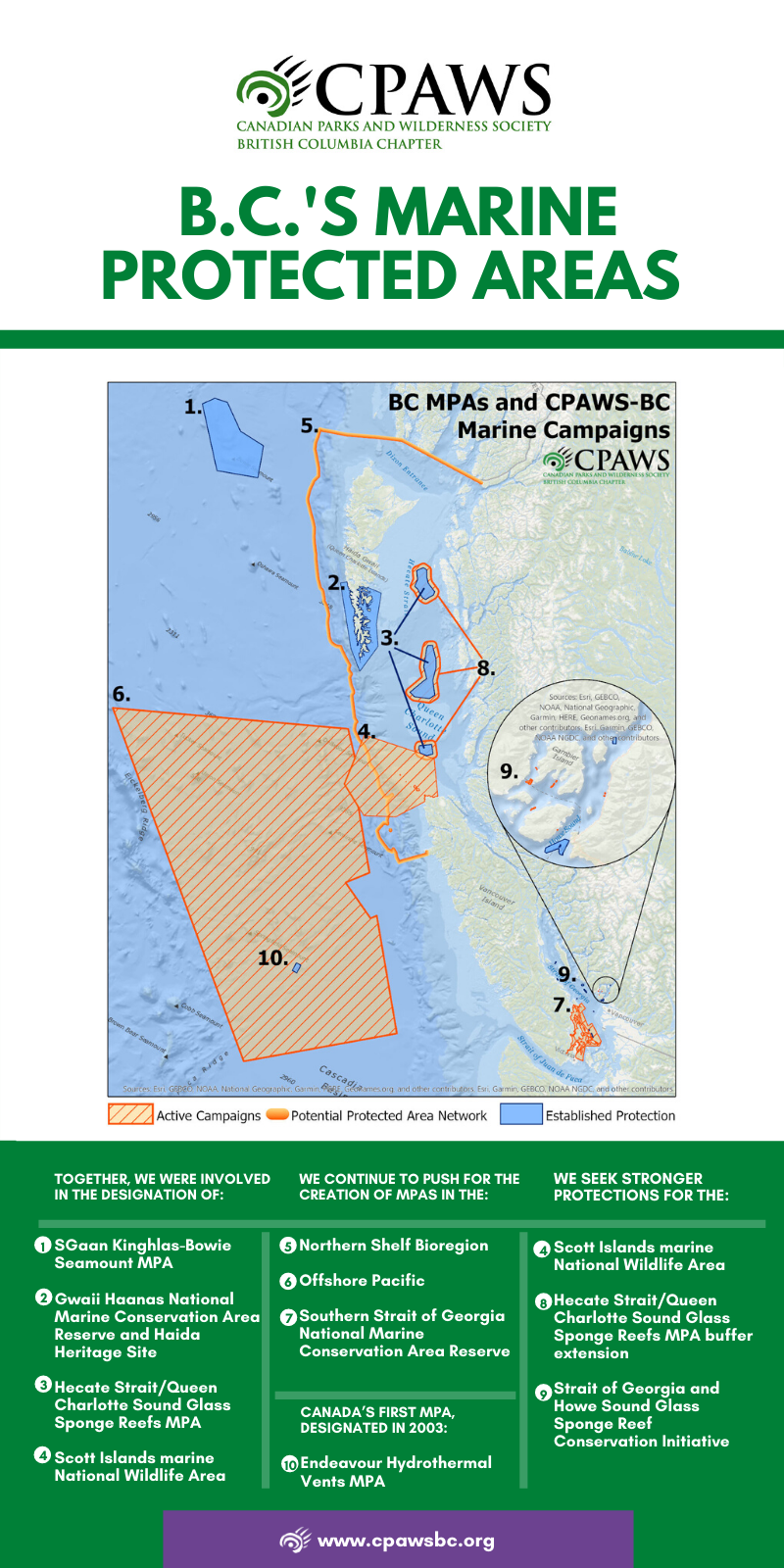
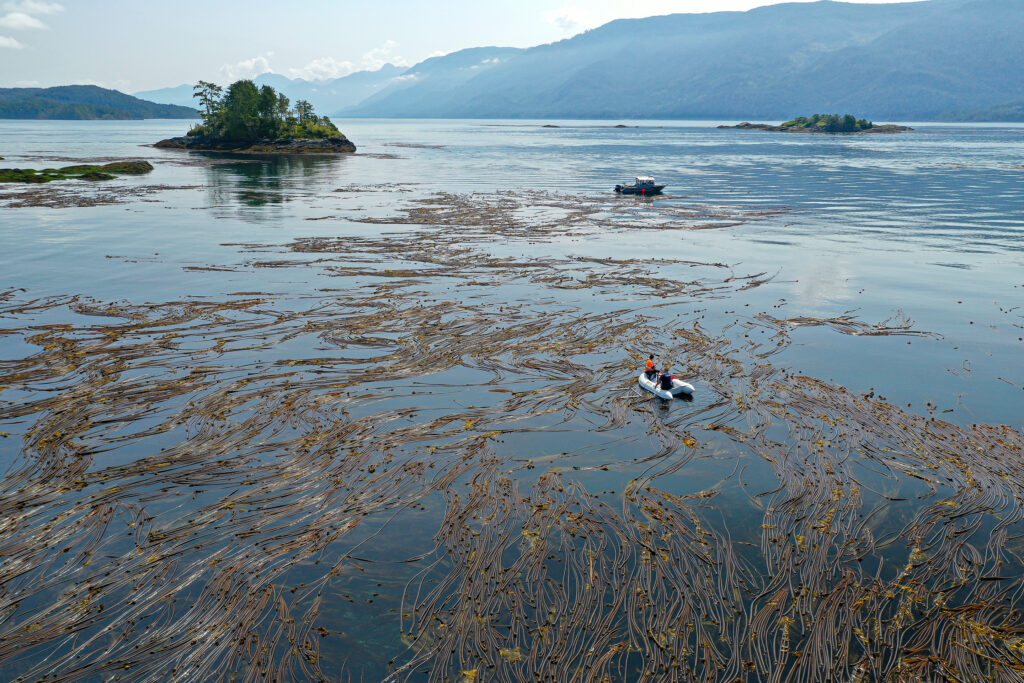
Marine conservation work fully embodies the sentiment, “it’s a marathon not a sprint”. It can take years, sometimes decades, of planning and meaningful consultation before introducing a new marine protected area (MPA) in BC. At IMPAC5, we had the special opportunity to celebrate several exciting announcements:
- Coastal first nations endorsement of the Great Bear Sea MPA Network Action Plan
- A National Marine Conservation Area (NMCA) Policy Framework
- Memorandum of understanding for the Tang.ɢwan — ḥačxwiqak — Tsig̱is MPA
- The Gwaxdlala/Nalaxdlala Indigenous Protected & Conserved Area (IPCA) – Marine Refuge
- Minimum protection standards framework for MPAs
- A pathway to protect 25% of the ocean by 2025
These milestones signal a hopeful course toward stronger ocean protection. We’re celebrating these ‘wins’ thanks to the leadership of Indigenous Nations, collaboration between governments, and community voices like you who took action to speak up for the ocean we love and depend on. I’m encouraged by the work that’s been done and feel motivated that together we can move forward on these commitments.
2. Reflecting on JEDI Knowledge-Sharing Sessions
Each day at IMPAC5 introduced an incredible series of keynote speakers, symposiums, poster presentations, and knowledge-sharing sessions. The presenters and panellists explored timely themes, including managing MPAs, addressing the climate crisis, and advancing the blue economy. In between jumping from session to session, I found myself especially moved by conversations of justice, equity, diversity, and inclusion (JEDI).
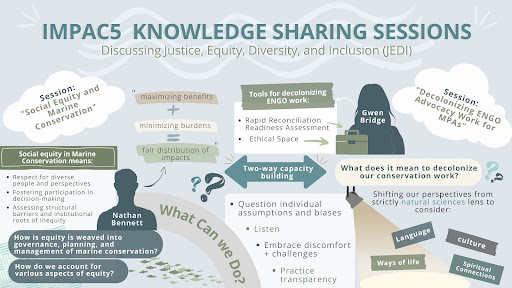
I enjoyed the “Social Equity and Marine Conservation” session with Nathan Bennett, Aulani Wilhelm, Natalie Ban, Danika Klieber, María José Barragán, Elise Huffer, and Philip Akins. The panellists shared valuable insight and guidance on how organizations can equitably pursue marine conservation. Our conversation highlighted the gaps and structural barriers to integrating equity in conservation actions while envisioning ways to spotlight the human dimensions of marine conservation.
Kate MacMillan, Ocean Conservation Manager (CPAWS-BC), joined Natalie Groulx (CPAWS), Véronique Bussière (CPAWS/SNAP-QC) and Gwen Bridge to unpack how and what it means to decolonize conservation and advocacy work within the environmental non-governmental organizations(ENGOs). This session was a meaningful opportunity to reflect as an organization and exchange perspectives with other ENGOs around the world.
3. IMPAC5 Ocean Fest: Clay Herring Workshop with Clare Wilkening
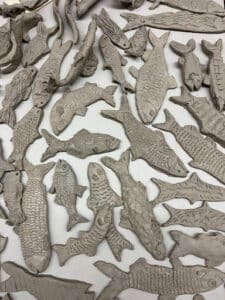
While sessions were happening inside, IMPAC5 Ocean Fest also turned up across Downtown Vancouver. CPAWS-BC hosted a series of events, including a Speaker Series, an interactive Festival Tent, and a photo contest. Our final Ocean Fest event was a ceramic clay herring workshop at the Massy Art Gallery led by local ceramic artist, Clare Wilkening.
This workshop was a welcomed break from the buzzing conference, and a perfect excuse to get my hands dirty. Artists, scientists, families, and community members filled the space. A calming and grounding energy filled the room. Together, we spent the afternoon molding clay herring—each uniquely beautiful— and sharing chatting about artistic practices, community, and conservation. There are deep connections between art and conservation. Bridging these parallels can be a powerful tool to convey important messages of biodiversity loss, evoke feelings of empathy towards nature, and catalyze action for conservation issues.
The clay creations from this workshop will find a home in Clare’s upcoming art installation that celebrates the importance of herring.
Coming out of IMPAC5, I feel heartened and encouraged by our new and renewed commitments to implementing stronger protection standards for MPAs. I’m hopeful that by working together with Indigenous leadership and supporting Indigenous-led conservation efforts, Canada can protect 30% of the ocean by 2023 and more. Everyone has a voice of belonging in shaping the future. And while it’s important to diversify the voices in the room, the voices outside count too. I’m excited to dive deeper into my staff role and build a global network of ocean protection.
The CPAWS-BC’s ocean team will continue doing what we do best. We’re focusing on the best ways to support Indigenous partners as they chart a new path forward for land and water conservation on their territories. We’ll keep bringing our extensive expertise in science communication, map-making and GIS analysis, and community engagement to local areas where big conservation gains are possible. With your continued support, we’ll amplify the stories and voices of people protecting nature in every corner of the province and all along the coastline.
We can’t do this without you. It’s more important than ever that your voice for nature is included in decision-makers’ vision for the future. With your support, we’ll work to ensure these commitments for ocean conservation are fulfilled.
–
Will you join me? Subscribe for the latest action alerts, conservation news, events and more right to your inbox.