CPAWS-BC welcomes BC Budget conservation vision, BC Parks and coastal boost
Tuesday, February 28, 2023
For interviews, please contact: Skye Vallance – A/Communications Manager, CPAWS-BC skye@cpawsbc.org 604-685-7445 x 22
CPAWS-BC welcomes BC Budget conservation vision, BC Parks and coastal boost
Xʷməθkʷəy̓əm (Musqueam), Sḵwx̱wú7mesh (Squamish) and səlilwətaɬ (Tsleil-Waututh) Territories / Vancouver, BC – The Canadian Parks and Wilderness Society – British Columbia (CPAWS-BC) welcomes today’s crucial budget increase for BC Parks alongside continued investment in the Marine Coastal Strategy and land use planning. The BC Budget emphasizes a positive vision for the collaborative conservation of lands, waters and coastal communities.
“BC has committed to important conservation goals – such as protecting 30% of lands by 2030 – and this budget comes as a signal of hope for the path ahead. Continued investment and resources will be needed to reach these commitments, and work towards effectively protecting lands and waters in partnership with Indigenous Peoples,” said Tori Ball, Terrestrial Conservation Manager with CPAWS-BC.
Today’s budget announcement includes further investments for BC marine conservation. This funding maintains BC’s commitment to co-develop a Coastal Marine Strategy with Indigenous Nations by 2025 and realize Canada’s first marine protected area network for the Great Bear Sea along the Central and North Coasts.
“We’re happy with the progress to co-develop the Coastal Marine Strategy, and the announcement today signals that the province remains committed to continuing this important work, ” said Kate MacMillan, Ocean Conservation Manager with CPAWS-BC. “We hope that once the strategy is completed, there will be a continued investment to ensure its delivery. We need to care for marine waters, to support thriving, healthy marine ecosystems and coastal communities for future generations.”
This budget outlines a continued commitment to safeguard vital ecosystems and prioritize meaningful engagement with Indigenous Peoples, but it falls short of the sizable increase that many conservation groups were hoping for to accelerate climate and biodiversity action. Additional funding to support the protection and stewardship of lands is expected from an upcoming Nature Agreement with the federal government.
“A significant increase to the BC Parks and recreation budget will support beloved trails and campsites, and increase accessibility for people to connect with the lands and waters that make BC unique,” continued Ball. “Safe access to nature is integral to our well-being, as highlighted throughout the pandemic, and it’s encouraging to see this investment prioritized.”
Investing in nature is a direct investment in the well-being of communities and wildlife across BC. The 2023 BC Budget builds on recent policy and funding commitments to prioritize ecosystem health across the province, advance Indigenous-led conservation, and safeguard biodiversity for generations to come.
-30-
For interviews, please contact: Skye Vallance – A/Communications Manager, CPAWS-BC skye@cpawsbc.org 604-685-7445 x 22
About CPAWS-BC The Canadian Parks and Wilderness Society – British Columbia (CPAWS-BC) is part of one of Canada’s oldest non-profit conservation groups. We protect wilderness in every corner of BC and deep into the ocean. We have been defending BC since 1978, and are dedicated to keeping BC’s natural environment thriving forever. Our work to safeguard large parks, protected areas and wildlife corridors has been instrumental in protecting precious places across the province.
February 07, 2023
CPAWS-BC Celebrates Tang.ɢwan — ḥačxʷiqak — Tsig̱is Marine Protected Area Announcement at IMPAC5
Xʷməθkʷəy̓əm (Musqueam), Sḵwx̱wú7mesh (Squamish) and səlilwətaɬ (Tsleil-Waututh) Territories / Vancouver, BC – The Canadian Parks and Wilderness Society – British Columbia (CPAWS-BC) celebrates the memorandum of understanding (MOU) between the Haida Nation, Nuu-chah-nulth Tribal Council, Pacheedaht First Nation, Quatsino First Nation, and the Canadian government for the Tang.ɢwan — ḥačxʷiqak — Tsig̱is Marine Protected Area (MPA), announced today at the 5th International Marine Protected Area Congress.
“The signing of this MOU is an important step toward protecting this region, which is spiritually and culturally significant for the partner Indigenous Nations,“ said Kate MacMillan, Ocean Conservation Manager. “This agreement could be used as a template for future MOUs that partner First Nations and the federal government for conservation.”
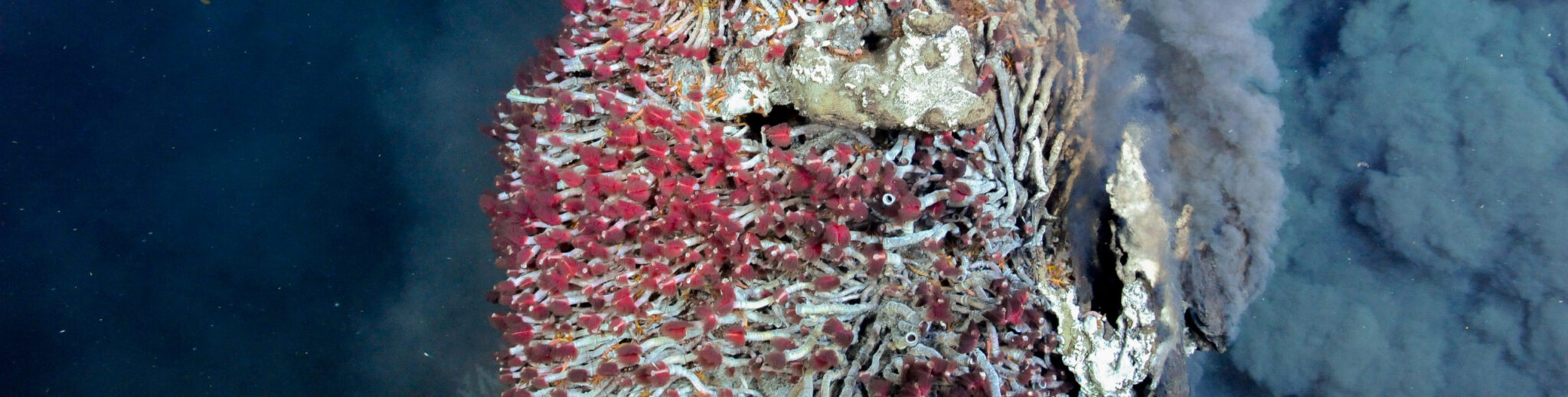
The Tang.ɢwan — ḥačxʷiqak — Tsig̱is MPA will cover 133,000 square kilometres, an area four times the size of Vancouver Island. The Endeavour Hydrothermal Vents MPA, now contained within Tang.ɢwan — ḥačxʷiqak — Tsig̱is was originally protected in 2003. This marked the first time Canada used the Oceans Act for MPA designation purposes. Now, twenty years later, more of this deepsea oasis that includes more hydrothermal vents and towering seamounts will be protected.
“These underexplored ecosystems, three kilometres beneath the ocean surface, are likely home to marine life found nowhere else in the world,” says MacMillan.
Since 2017, a large portion of the Tang.ɢwan — ḥačxʷiqak — Tsig̱is MPA footprint was closed to fishing and contributed to Canada’s 30 percent ocean protection target as an Other Effective Conservation Measure (OECM).
Once this MPA is legislated, Canada’s strict minimum protection standards will be applied, meaning bottom-trawling, dumping, oil and gas activities, and deep-sea mining will be prohibited. This will lead to stronger protection for this unique, deep-sea ecosystem.
”When the assessment tool MPA Guide was applied to the five existing Ocean Act MPAs, more than 60 percent of BC’s marine protected area waters are not effective at protecting biodiversity. We need these minimum standards applied to all new and existing MPAs to safeguard biodiversity and fight climate change.” says MacMillan.
CPAWS-BC and other conservation organizations have supported this work over the past few years. We congratulate the four First Nations for their leadership throughout this process, as well as the federal government, all stakeholders, and communities. CPAWS-BC looks forward to continuing to support the establishment to protect this important part of the ocean with a collaborative management structure.
Public consultation on the draft regulations, published in Canada Gazette 1, will begin on February 18, 2023, and extend for 30 days.
Kate MacMillan Ocean Conservation Manager, CPAWS-BC
Government of Canada and coastal First Nations announce progress to protect a large ecologically unique ocean area off the Pacific West Coast. Nuu-chah-nulth Tribal Council, Council of the Haida Nation, Pacheedaht First Nations, Quatsino First Nation, with Fisheries and Oceans Canada. Feb 07. 2023. News release. https://nuuchahnulth.org/sites/default/files/news/NR__ThT_IMPAC5.pdf
Backgrounder: Tang.ɢwan – ḥačxʷiqak – Tsig̱is Marine Protected Area. Fisheries and Oceans Canada. Feb 07, 2023. Retrieved from: https://www.canada.ca/en/fisheries-oceans/news/2023/02/tangwan–hacxwiqak–tsigis-marine-protected-area.html
CPAWS-BC Celebrates the Endorsement of the Marine Protected Area Network Action Plan Announced at IMPAC5
Xʷməθkʷəy̓əm (Musqueam), Sḵwx̱wú7mesh (Squamish) and səlilwətaɬ (Tsleil-Waututh) Territories / Vancouver, BC – The Canadian Parks and Wilderness Society – British Columbia (CPAWS-BC) congratulates First Nations, federal and provincial partners on announcing the endorsement of the Marine Protected Area (MPA) Network Action Plan for the Great Bear Sea at the 5th International Marine Protected Area Congress on February 5, 2023.
“After years of supporting this important initiative we’re thrilled to witness this announcement and critical milestone in the journey of the MPA network,” said Meaghen McCord, CPAWS-BC Executive Director, “endorsement of the Action Plan is the much-needed green light to now establish a network that includes new protected areas and stronger protection for some existing sites.”
The Great Bear Sea, also known as the Northern Shelf Bioregion, is a vast ocean area off the BC coast. The Great Bear Sea hugs the shores of the Great Bear Rainforest, starting at the northern tip of Vancouver Island, along the Central and North Coasts, and encompassing Haida Gwaii. This region is home to culturally and ecologically important wildlife, including humpback whales, sea otters, herring, salmon, and glass sponge reefs, and is central to the cultures and economies of communities who live there. The marine ecosystems along the coast have been protected and cared for by First Nations for millennia.
Previous delays in the establishment of the MPA Network have meant that overall ecological health and species population numbers have continued to decline. Federal and Indigenous governments were required to establish new fishing closures throughout the region to protect dwindling stocks, and climate change – resulting in devastating marine heatwaves – has exacerbated this.
Discussions and work to establish an MPA Network in this region have been underway for many years. Led by First Nations, in partnership with the Canadian and BC governments, this collaboration has created a conservation plan to protect the coastal ecosystems that communities depend on. Over the years, this plan has been shaped by frequent and detailed consultation with communities and stakeholders.
“Evidence clearly shows that Indigenous-led, strongly protected and effectively managed MPAs have many benefits for people, biodiversity and ecosystems,” says McCord.
Once completed, the MPA Network will cover around 30,000 km2. This Indigenous-led plan, which weaves Indigenous knowledge systems and western science, creates a pathway for future MPA network processes and is set to become a globally recognized initiative. CPAWS-BC congratulates First Nations for their leadership in the MPA Network process, as well as federal and provincial governments, and all stakeholders and communities involved to date. We look forward to continuing this work together, ensuring the health of these waters for generations to come.
Meaghen McCord CPAWS-BC Executive Director
For direct inquires about the MPA Network, please contact:
Bessie Brown – Communications Manager, Coastal First Nations – Great Bear Sea Initiative bbrown@coastalfirstnations.ca 604-696-9889
For all other inquiries: Skye Vallance – Communications Manager (Acting), CPAWS-BC skye@cpawsbc.org 604-685-7445 x 22
We use cookies and other similar technologies such as pixels and web beacons (“Cookies”) for various purposes, such as to ensure our website functions properly, enhance your browsing experience by remembering your preferences and provide personalized content and advertisements.
Functional
Always active
The technical storage or access is strictly necessary for the legitimate purpose of enabling the use of a specific service explicitly requested by the subscriber or user, or for the sole purpose of carrying out the transmission of a communication over an electronic communications network.
Preferences
The technical storage or access is necessary for the legitimate purpose of storing preferences that are not requested by the subscriber or user.
Statistics
The technical storage or access that is used exclusively for statistical purposes.The technical storage or access that is used exclusively for anonymous statistical purposes. Without a subpoena, voluntary compliance on the part of your Internet Service Provider, or additional records from a third party, information stored or retrieved for this purpose alone cannot usually be used to identify you.
Marketing
The technical storage or access is required to create user profiles to send advertising, or to track the user on a website or across several websites for similar marketing purposes.