fbpx

A big welcome to the newest Marine Protected Area (MPA) — Tang.ɢ̱wan – ḥačxwiqak – Tsig̱is — off the coast of BC!

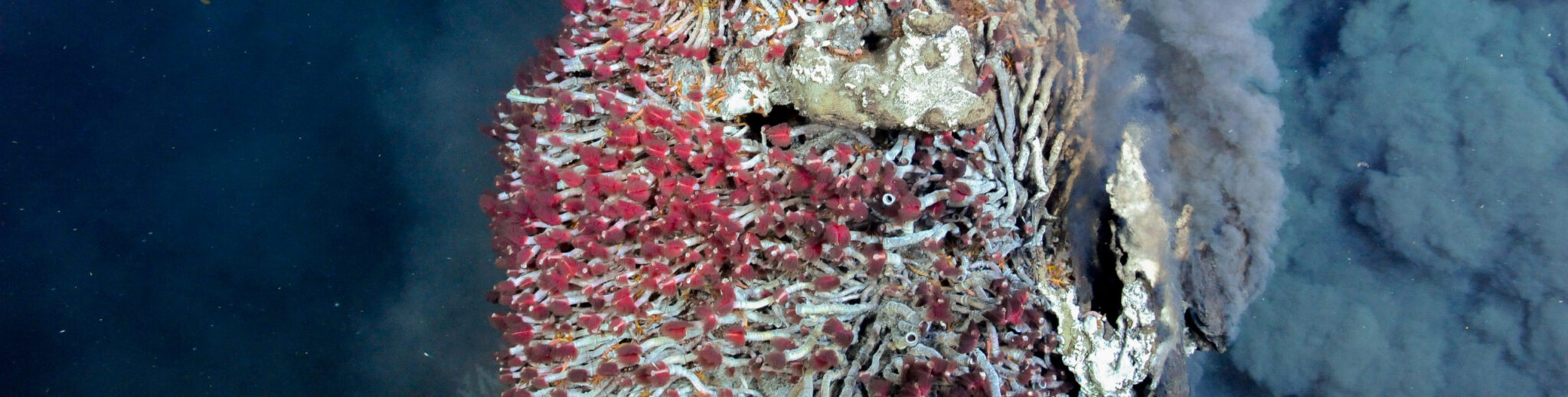
Ocean Networks Canada (CC BY-NC-SA 3.0), Flickr

The abyssal plains of the deep sea floor are often viewed as vast, dark, empty spaces. But the deep sea far off the BC coast couldn’t be more different. Dotting the flat seascape are geologic wonders such as seamounts and hydrothermal vents teeming with abundant otherworldly marine life!

Located 150 km west of the coast of Vancouver Island, deep in the ocean, is a unique and spectacular underwater world. The Tang.ɢ̱wan – ḥačxwiqak – Tsig̱is MPA (TḥT for short) will protect a network of hydrothermal vents (think deep sea geysers or hot springs releasing superheated and mineral-enriched water) and seamounts (ancient volcanic mountains that can tower higher than Whistler Mountain). These biological hotspots provide habitat, shelter, food, spawning grounds, and nurseries for wildlife. It truly is a “Deepsea Oasis.”

Canada’s first MPA, Endeavour Hydrothermal Vents, which protected 5 vents and 97 km2 since 2003, is now part of this new MPA that spans over 133,000 km2.


Indigenous-led Conservation

The name for this new MPA is three words from the Haida, Quatsino, Nuu-chah-nulth and Pacheedaht Nations.

  • Tang.ɢ̱wan: a Haida word meaning deep ocean (pronounced “Tung – Gwun”)
  • ḥačxwiqak: a Nuu-chah-nulth and Pacheedaht word meaning deepest part of the ocean (pronounced “huch/khwi/kuk”)
  • Tsig̱is: a Quatsino word referring to a monster of the deep (pronounced “tsee-geese”)

It’s easier to pronounce than it seems! If you need some more help, listen to the pronunciation.

This incredible area will be co-managed by the Nuu-chah-nulth Tribal Council, Council of the Haida Nation, Pacheedaht First Nation, Quatsino First Nation and the Government of Canada. In the spirit of reconciliation, it will be managed using both science and traditional knowledge and uphold First Nations rights to governance.


Weird and Wonderful Wildlife

The area is home to some of the weirdest and most wonderful creatures on the planet:

  • Dumbo octopuses are a group of deep sea octopuses that flap ear-like flippers on their heads to move around, much like Dumbo the elephant in the famous Disney movie.
  • Tubeworms are unlike almost any other creature on the planet. Instead of getting their energy from sunlight , they rely on bacteria that are able to produce energy from the mineral rich water expelled from hydrothermal vents.
  • Sea pigs are actually types of sea cucumbers, named for their pinkish colour. They use their tubelike feet to walk along the sea floor while they feed on organic matter that sinks down from shallower waters.
  • Last year, scientists discovered a seamount covered in a million skate eggs in the MPA. The ancient volcano is spouting warm fluid, providing little-known species of skates with an ideal nursery. Scientists believe the geothermal heat helps incubate the eggs and speeds up development.

The deep sea is a dark and mysterious place — under-mapped and under-explored. We have only begun to scratch the surface of what lives here. Who knows what other amazing creatures will be found in the future?


Upholding Strong Protection is a must

Canada’s new MPA protection standard will prohibit oil and gas exploration, development, and production, disposal at sea of waste, and most importantly for this area specifically, mineral exploration and exploitation and the use of bottom-trawl gear. With the growing need for rare minerals to power electric vehicles, deep sea environments are under threat from an industry that would tear apart wildlife-rich seamounts. This environment is also especially vulnerable to bottom trawling which uses heavy weighted nets dragged on the seafloor to indiscriminately capture any and all sea life, including rare protected species and habitat-forming corals and sponges.

Protection of these important and rare ecosystems would not be possible without the support of the public who signed petitions, wrote letters, and participated in consultations. Thank you also goes out to First Nations leadership and elected officials for helping secure legal protections. And finally, thanks are given to the scientists, communicators, and marine planning professionals from Federal and Indigenous governments, non-profit organizations, and universities such as those at the Northeast Pacific Deep-sea Exploration Project (NEPDEP). They explored and discovered these amazing places, conveyed their importance to the world, and worked tirelessly behind the scenes conducting the much needed technical work to make this new Marine Protected Area a reality.


This Is Only The Beginning

The MPA work doesn’t stop with designation. The Haida, Quatsino, Nuu-chah-nulth and Pacheedaht Nations and the Government of Canada must now work to form a management board. An advisory committee, with conservation groups like CPAWS-BC, will also be established. Together, they will create a management plan to make sure we know the MPA is protecting the ecosystem, which means monitoring, enforcement and management of human activities. We will be there to help ensure this special part of the ocean is strongly protected.
Read more about THT.

July 11, 2024

Unceded, traditional, and ancestral Xʷməθkʷəy̓əm (Musqueam), Sḵwx̱wú7mesh (Squamish), and səlilwətaɬ (Tsleil-Waututh) territories / Vancouver, BC – BC is joining other coastal regions in North America with the release of its first and much-needed Coastal Marine Strategy, which will provide BC with better tools to deal with cumulative impacts on the coast and ensure healthier oceans for both nature and people.  

“The absence of a Coastal Marine Strategy until this point has resulted in a lack of cohesion and jurisdictional confusion that harms ocean biodiversity, the people who live on the coast and the stability of the jobs they depend on,” says Kate MacMillan, Conservation Director – Ocean Program at the Canadian Parks and Wilderness Society – British Columbia (CPAWS-BC). “A strong Coastal Marine Strategy, co-developed with First Nations, is long overdue and we’re hopeful that it will lead to a better future for nature and coastal prosperity.”

The “made-in-BC” Coastal Marine Strategy was co-developed by First Nations and the BC government with input from nearly 1,000 people during the public consultation, as well as meetings with coastal stakeholders from fishing, forestry, tourism and conservation sectors.

“In order for a coastal strategy to be successful, it’s critical that it protects and restores marine ecosystems, including coordinated monitoring and incorporating nature-based solutions along the coast in a way that enables coastal communities to flourish and respects the rights and leadership of First Nations. The input of people across BC in shaping the strategy will undoubtedly aid in that goal.” 

Until now, British Columbia has remained one of the only coastal regions in North America without a unifying and strategic plan to protect and manage the coast. 

“Now, with the release of this strategy, we have the opportunity to transition from being reactive to proactive when it comes to making decisions that impact the future of the coast,” added MacMillan.

CPAWS-BC and West Coast Environmental Law have been working together on Blueprint for the Coast, a campaign to find a solution to the issue of BC’s coastal and marine areas being regulated through a patchwork of ministries and departments, with no overarching vision to guide decisions. We have brought people together to learn about coastal issues and to investigate how a coast-wide strategy and law will help to address these issues, as we work together for a healthy, abundant future for the coast and all those who depend on it. 

The strategy also commits the Province to partnering with First Nations to develop a proposal for coastal marine legislation, a key focus for the Blueprint for the Coast campaign.

“The release of British Columbia’s first Coastal Marine Strategy is an exciting step towards biodiverse, resilient marine ecosystems that can mitigate and adapt to the impacts of climate change and provide a respite for species at risk, ensuring their abundance for generations to come. The Strategy holds the promise of advancing meaningful acts of reconciliation, through Indigenous marine spatial planning, Indigenous Protected and Conserved Areas, and coastal Guardian programs,” said Georgia Lloyd-Smith, Staff Lawyer at West Coast Environmental Law.

The groups say that the release of the strategy is the start of a new path and a better future for the coastal marine environment across BC.

“It will help protect biodiversity, the well-being of coastal communities, and the stability of over 170,000 ocean-based jobs,” said Lloyd-Smith. “Now with this holistic vision that has a 20-year outlook, the work begins on the actions outlined in the plan to ensure the goals of a healthy coast, resilience to climate change, thriving coastal economies and communities and informed governance are met.”  

For interviews, contact: 

Max Winkelman (he/him)
Communications Manager, CPAWS-BC
max@cpawsbc.org 
604-685-7445 ext. 3

Georgia Lloyd-Smith (she/her)
Staff Lawyer, West Coast Environmental Law
glsmith@wcel.org
604-817-3940

Resources

June 6, 2024

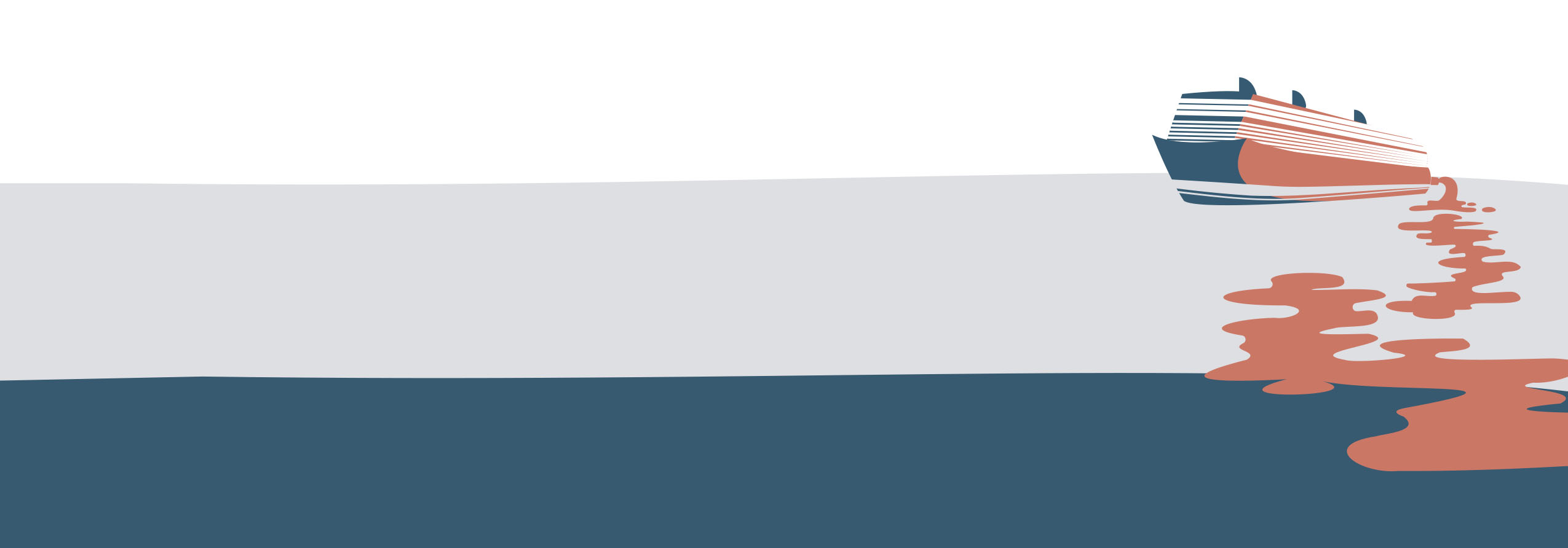
Unceded Coast Salish Territories (VANCOUVER, BC) – As coastal B.C. ecosystems and local communities brace for the annual cruise ship season, the Canadian Transport Ministry just released an “Interim Order” on cruise ship pollution that continues to permit the dumping of 32 billion litres of waste into the waters off the BC coast.

The holes in the interim measures were pointed out in a report released by Stand.earth and the Canadian Parks and Wilderness Society – British Columbia last month to guide the Transport Ministry towards protecting coastal waters and communities. It still stands.

“What is it going to take for the Transport Ministry to get serious about defending the coasts from pollution? This lazy cut-and-paste of last year’s Interim Order still permits 32 billion litres of sewage, and ships’ waste to be dumped annually – the equivalent of half the world flushing a toilet into the coastal waters off B.C.” said Anna Barford, shipping campaigner with Stand.earth. “The Transport Ministry had an opportunity to remedy this by extending the application of cruise ship discharge regulations to the entirety of Canada’s jurisdiction in the territorial sea, prohibiting the use of scrubbers under Canada’s jurisdiction, and putting into place regular, independent third-party monitoring while cruise ships are underway to ensure discharge requirements are met. They have ignored our recommendations to the detriment of marine life and coastal ecosystems and communities.”

Scrubbers are devices on ships to treat exhaust gasses. They take sulphur from fuel and dump it into the sea in the form of wastewater, essentially turning air pollution into water pollution. Greywater is wastewater from toilets, sinks, showers and appliances, like dishwashers and laundry machines. It is a significant source of microplastics.

“The Great Bear Sea is home to many threatened and vulnerable species as well as species that have great cultural and food importance. The dumping of this much wastewater is a massive threat to the animals and plants that live there, such as orcas and humpback whales, and also to the local communities that depend on a healthy and abundant ocean,” says Kate MacMillan, conservation director for the ocean program at the Canadian Parks and Wilderness Society – British Columbia Chapter.

Transport Canada’s original Interim Order from June 9, 2023 allowed vessels to continue to discharge sewage, greywater and scrubber wastewater along the B.C. coast and inlets. The entire Great Bear Sea, including the proposed Marine Protected Area (MPA) Network, is not protected from the dumping of this scrubber wastewater. Transport Canada changed nothing this year.

“Additionally, this interim order seems to contradict Canada’s Marine Protected Areas (MPA) Protection Standard which looks to prohibit ocean dumping in MPAs. With an MPA Network being planned for the Great Bear Sea, the future health and resilience is being put at risk,” says MacMillan.

The report that Stand.earth and CPAWS-BC released last month found that approximately 35% of the proposed MPA Network is open to the discharge of untreated sewage and greywater through unregulated “toilet bowls”. Additionally, specific geographic exemptions potentially permit the discharge of sewage and greywater along the entirety of the Great Bear Sea’s complex coastlines.

The report made multiple recommendations such as legally requiring cruise ships to have holding tanks that are of adequate size and eliminating the exemption that permits cruise ships to discharge in areas where the shores are narrower than six nautical miles wide.

“The Transport Ministry has so far ignored us about this. They have even ignored reporters about this. They cannot, however, ignore the local communities demanding cleaner waters, or the science which is clear about the impacts of cruise ship dumping on the endangered Southern Resident Killer Whales”

Link to the report.
Link to the report release.

Contact:
Kate MacMillan,
Conservation Director, Ocean Program
CPAWS-BC
604-685-7445 x 6
kate@cpawsbc.org

Anna Barford
Canada Shipping Campaigner
Stand.earth.
+1 604-757-7029
anna@stand.earth

May 14, 2024

Unceded Coast Salish Territories (VANCOUVER, BC) – As coastal B.C. ecosystems and local communities brace for the annual cruise ship season, holes in the Canadian Transport Ministry’s “Interim Order” on cruise ship pollution permit the dumping of 32 billion litres of waste into B.C.’s Coastal waters, according to a report by Stand.earth and the Canadian Parks and Wilderness Society – BC Chapter (CPAWS-BC).

“Currently the holes in Transport Canada’s Interim Order permit 32 billion litres of sewage, ships’ waste to be dumped annually – the equivalent of half the world flushing a toilet into B.C.’s coastal waters” said Anna Barford, shipping campaigner with Stand.earth. “The Transport Ministry has an opportunity to remedy this in June, however, by extending the application of cruise ship discharge regulations to the entirety of Canada’s territorial sea, prohibiting the use of scrubbers in Canada’s territorial waters, and putting into place regular, independent third-party monitoring while cruise ships are underway to ensure discharge requirements are met.”

Scrubbers are devices on ships to treat exhaust gasses. They take sulphur from fuel and dump it into the sea in the form of sludge, essentially turning air pollution into water pollution. Greywater is wastewater from toilets, sinks, showers and appliances, like dishwashers and laundry machines. It is a significant source of microplastics.

“The Great Bear Sea is home to many threatened and vulnerable species. The dumping of this much wastewater is a massive threat to the animals and plants that live there, such as orcas and humpback whales, as well as for the local communities that depend on the ocean,” says Kate MacMillan, conservation director for the ocean program at the Canadian Parks and Wilderness Society – British Columbia Chapter.

Transport Canada issued an Interim order on June 9, 2023 which allow vessels to continue to discharge sewage, greywater and scrubber wastewater along the B.C. coast and inlets, while the entire Great Bear Sea, including the proposed Marine Protected Area (MPA) Network, is not protected from the dumping of scrubber wastewater.

“Additionally, this interim order seems to contradict Canada’s Marine Protected Areas (MPA) Protection Standard which looks to prohibit ocean dumping in MPAs. With an MPA Network being planned for the Great Bear Sea, the future health is being put at risk,” says MacMillan.

Approximately 35% of the proposed MPA Network is open to the discharge of untreated sewage and greywater through unregulated “toilet bowls,” according to the report. Additionally, specific geographic exemptions potentially permit the discharge of sewage and greywater along the entirety of the Great Bear Sea’s complex coastlines.

The report makes multiple recommendations such as legally requiring cruise ships to have holding tanks that are of adequate size and eliminating the exemption that permits cruise ships to discharge in areas where the shores are narrower than six nautical miles wide.

“Canada has a responsibility and moral obligation to prioritize protecting its coastal biodiversity, respect the rights of coastal First Nations, and to conserve the bounty and beauty of Canadian coasts for future generations,” concluded Barford.

Link to the report.


Contact:
Anna Barford
Canada Shipping Campaigner
Stand.earth.
+1 604-757-7029
anna@stand.earth

Kate MacMillan,
Conservation Director, Ocean Program
CPAWS-BC
604-685-7445 x 6
kate@cpawsbc.org

May 2, 2024

It’s a big win for Indigenous-led conservation on the world stage! Kitasoo Xai’xais Nation’s Gitdisdzu Lugyeks (Kitasu Bay) Marine Protected Area (MPA) has won Marine Conservation Institute’s prestigious Blue Parks Award — the first award in Canada and the first Indigenous-led blue park in the world.

Located near Klemtu on the central coast of BC, the Gitdisdzu Lugyeks MPA is a haven for marine life. Strong tides bring nutrient rich water into the bay, providing a rich source of food for fish, seabirds and marine mammals. Seagrass meadows and kelp forests provide herring with spawning grounds and other young fish with protective nursery habitat.

Designated in 2022, the MPA doesn’t just support nature, it sustains people as well. Gitdisdzu Lugyeks is an integral part of the culture, livelihoods and traditions of the local community. It is known as a spiritual place whose waters and marine life are vital to the Nation’s economy, health and culture. If marine life can thrive here, it is hoped that richness can expand into nearby areas and benefit both the people and wildlife that depend on the coast.

“We know these waters better than anyone, Kitasu Bay has been part of our home for thousands of years through to the present day,” said Hereditary Chief Nies’los (Kelly Robinson) in 2022.

Living around and stewarding these waters for thousands of years, the Kitasoo Xai’xais Stewardship Authority are weaving traditional knowledge and modern science together to responsibly care for the biodiversity and resources of the MPA. With the Kitasoo Xai’xais Guardian Watchmen monitoring these waters, management will follow the guiding principles of the Nation: loomsk (respect), sagayt k’uulm goot (interconnectedness), sityaaw (reciprocity), and gugwilx’ya’ansk (intergenerational knowledge).

Recognizing this, Marine Conservation International awarded Gitdisdzu Lugyeks with a Blue Park award earlier this month. These awards are given in recognition of exceptional marine biodiversity conservation; having met the highest science-based standards for conservation effectiveness. The judging panel considers the productivity and importance of the MPA’s location as well as its regulations and management.

“Receiving this Blue Park Award not only recognizes what we’ve been doing as a Stewardship Authority, but it also sets the stage for other Indigenous Nations to use this as a blueprint for their own protected areas in their territories,” said Kitasoo Xai’xais elected Chief, Doug Neasloss. “The management plan for Gitdisdzu Lugyeks combines our traditional knowledge and responsibilities with western science in a way that protects ecosystems and human livelihoods, and we’re grateful that this award recognizes the strength in that combination.”

This award is further proof of the effectiveness of Indigenous-led conservation. In 2019, a UBC-led study found that the total numbers of birds, mammals, amphibians, and reptiles were all greatest on lands managed or co-managed by Indigenous communities, higher than parks and wildlife reserves.

Gitdisdzu Lugyeks will be part of the Great Bear Sea Marine Protected Area Network, an initiative led by 15 First Nations along the north and central coast. The network aims to connect new protected areas to already existing ones to help restore the region’s ocean to abundance for the benefit of children, grandchildren, and future generations.

This award is further proof that Indigenous-led conservation is the way forward. Learning from their vision and knowledge, a healthy coast can be achieved for the well-being of everyone in British Columbia.

Read more about the the Gitdisdzu Lugyeks MPA at:
The Narwhal
National Observer

New funding announced today by BC government adds to the funding announced last December

December 5, 2023

Unceded territories of the Coast Salish Peoples/Vancouver, BC – Today’s announcement of $60 million from the Province of BC to support Indigenous-led initiatives along the Great Bear Sea is celebrated by the Canadian Parks And Wilderness Society British Columbia.

“This announcement shows the provincial government’s ongoing commitment to Indigenous-led stewardship and sustainable development of the coast,” says Executive Director Meaghen McCord. “This adds to the other recent investments BC has made, and we are encouraged by BC’s ongoing efforts to support First Nation leadership across the province, on land and coast.”

The contribution from the BC government will be added to the previously announced Project Funding for Permanence (PFP) for the Great Bear Sea Initiative along with three other Indigenous-led initiatives announced almost exactly a year ago in Montreal.

The funding will support ongoing work, including the Great Bear Sea Marine Protected Area (MPA) Network– a process started over a decade ago between Indigenous Nations, BC, and Canada. Collaborative and well-managed marine conservation efforts in this region can lead to benefits, including improving the health of the coast, protecting culturally important sites, protecting the future of fisheries and food security, and more.

The announcement comes on the heels of recent polling that shows there is strong support for marine protected areas in the Great Bear Sea. Seventy-nine percent of British Columbians support the creation of a network of Marine Protected Areas that will protect 30 percent of the waters of BC’s Northern Shelf Bioregion (Great Bear Sea), while only nine percent were opposed, according to Mario Canseco.

“We know that a Marine Protected Area Network is what is needed to protect these sensitive and threatened marine areas, which First Nations in the area have been calling for for over a decade,” says Ocean Conservation Manager Kate MacMillan. “This funding will help the implementation of the Marine Protected Area Network Action Plan that was endorsed in February. This funding will help marine life and entire ecosystems to recover, rebound, and adapt, and it will also benefit local communities with dependable food and support local economies, now and for our children and grandchildren.

The funding will also support the Marine Plan Partnership (MaPP), Guardian programs, and sustainable economic development to support new businesses, permanent jobs, and more across the region. 

For more information or to request interviews, please contact: 

  • Nanwakolas Council, Caitlin Thompson: caitlinthompson@nanwakolas.com, (250) 305 8756; 
  • Coastal First Nations, Bessie Brown: bbrown@coastalfirstnations.ca, (604) 722-3331;
  • Coast Funds, Stephanie Butler: stephanie@coastfunds.ca, (604) 715 1926
Want to learn more?

Earlier this year, we celebrated that 15 Indigenous Nations, BC, and Canada endorsed the Great Bear Sea Marine Protected Area Network Action Plan. What did this mean exactly?

Here are 5 things you should know about the Great Bear Sea Marine Protected Area Network:

1) Many years, many voices

The Great Bear Sea Marine Protected Area Network was created collaboratively by Indigenous and coastal communities from North Vancouver Island, along the Central Coast to the North Coast and across to Haida Gwaii. 

For over 10 years, there have been many meetings and conversations with people who live and work on the coast, including the fishing, tourism, and environmental sectors. 

Together, governance partners—First Nations, federal and provincial governments—and stakeholders have developed a plan that will protect the vibrant network of life in the Great Bear Sea for generations to come. 

2) More fish in the ocean

Right now, we see fish populations in Pacific Canada at a fraction of their historical levels [1]. The Great Bear Sea Marine Protected Area Network is a tool to help rebuild fisheries and recover ecosystems, limiting catches of certain species should be coupled with protecting habitats where marine life feed, breed, and grow up. 

We can look at long-term studies from other areas to see the real and powerful benefits of marine protected areas for helping fisheries and improving food security. One example is the marine protected area network established in California a decade ago which has already shown encouraging results, including more and larger fish beyond the boundaries of the protected areas, including species targeted by fisheries [2][3]. Over the first 10 years, local fisheries either improved or stayed the same in terms of catch, effort and dollar value [4]

3) Defence from many different threats

Marine protected areas limit activities that threaten marine life. Whether it’s the loss of critical ecosystems like cold water corals and sponges, seagrass and kelp or impacts on marine animals from ship dumping, we can reduce threats to ocean health by managing destructive human activities. Canada has committed to ban the most harmful activities in all marine protected areas, these include oil and gas, mining, bottom-trawling, and dumping. When the damage and destruction from these industrial activities is removed, these areas are refuges that better support marine life and whole ecosystems to adapt to other threats, such as warming waters and ocean acidification [5][6]

4) Benefits far beyond the boundaries

Marine protected areas provide both direct and indirect benefits to local economies and beyond. Marine protected areas help rebuild and sustain fisheries. They’re a proven tool to help enhance community involvement and support marine tourism. Local economies also benefit from creating conservation-related jobs such as monitoring, management, and research [7][8].

Marine protected areas also protect the ecosystem services these areas provide, such as protecting key coastal habitats that reduce the vulnerability of communities to climate change threats such as storm damage, flooding and coastal erosion [9], and protecting and restoring kelp forest and seagrass meadows that help the sequestration of carbon [10]. Moreover, a healthy, safe, and thriving ocean uplifts cultural and spiritual values across generations. 

5) Supercharge conservation effectiveness!

Establishing a connected network of marine protected areas in the Great Bear Sea will defend and support a diversity of habitats. By establishing a network of marine protected areas rather than creating individual protected areas without considering the connections across the ocean, will supercharge their effectiveness. This is the opportunity to work together across communities and sectors to amplify the benefits of individual protected areas and ensure the large-scale processes that keep ecosystems and wildlife populations healthy will remain.

What’s next?

A healthy ocean full of fish, kelp, and whales, and is part of the legacy we want to leave for our children and grandchildren. 

After years of work to develop the draft action plan for the Great Bear Sea Marine Protected Area Network, the announcement in February 2023 meant that everyone can continue working on the details to make the plan a reality. Equipped with the long-standing process between Indigenous Nations and governments, input advisory tables with stakeholders, and feedback during the public consultations, we can build on these collaborations.

Debra Sinarta, Marine Research Coordinator
Kate MacMillan, Ocean Conservation Manager

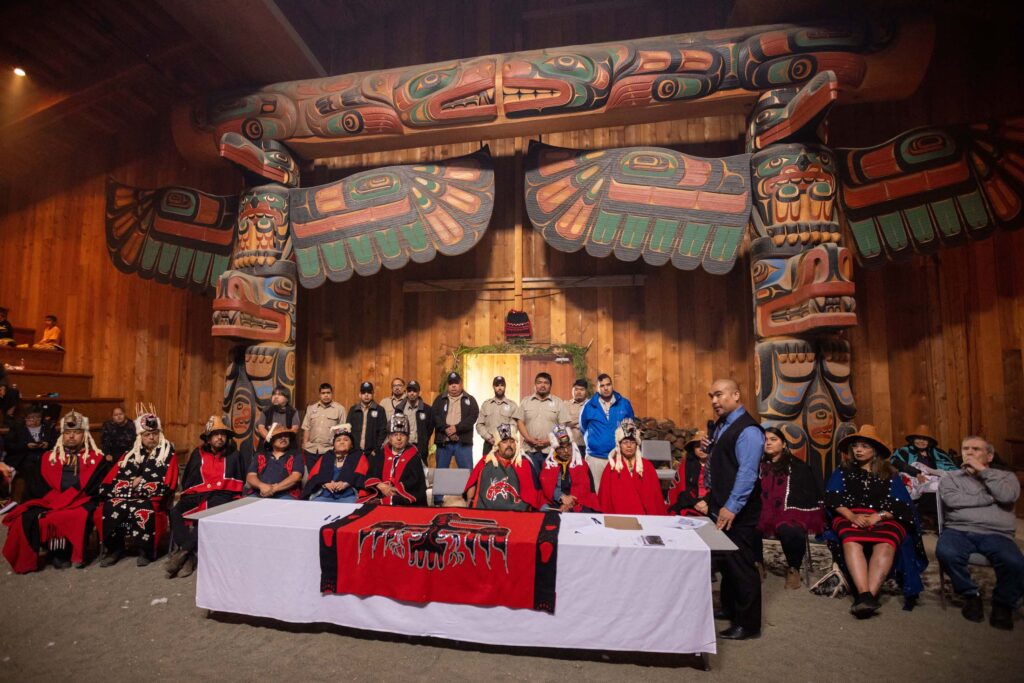
Klemtu, June 21 2022. The Kitasoo Xai’xais Nation declare a new Marine Protected Area (MPA) in Gitdisdzu Lugyeks. Photo by Tavish Campbell/Moonfish Media (CNW Group/ Kitasoo Xai’xais Stewardship Authority
Klemtu, June 21 2022. The Kitasoo Xai’xais Nation declare a new Marine Protected Area (MPA) in Gitdisdzu Lugyeks. Credit: Tavish Campbell/Moonfish Media (CNW Group/ Kitasoo Xai’xais Stewardship Authority

New Protected Area: Kitasoo Xai’xais Nation Declares Gitdisdzu Lugyeks (Kitasu Bay) Marine Protected Area on the central coast

Canadian Parks and Wilderness Society – British Columbia (CPAWS-BC) celebrates the announcement by the Kitasoo Xai’xais Nation last week on the establishment of a new marine protected area (MPA), Gitdisdzu Lugyeks (Kitasu Bay). 

Nestled along the coast of the Great Bear Rainforest, this new MPA will protect 33.5 kmof the ocean. The Gitdisdzu Lugyeks MPA includes essential marine ecosystems such as tidal lagoons, estuaries, and kelp forests. Seabirds, whales, salmon, herring, and shellfish depend on the area for food and shelter.

“We know these waters better than anyone, Kitasu Bay has been part of our home for thousands of years through to the present day,” says Hereditary Chief Nies’los (Kelly Robinson).

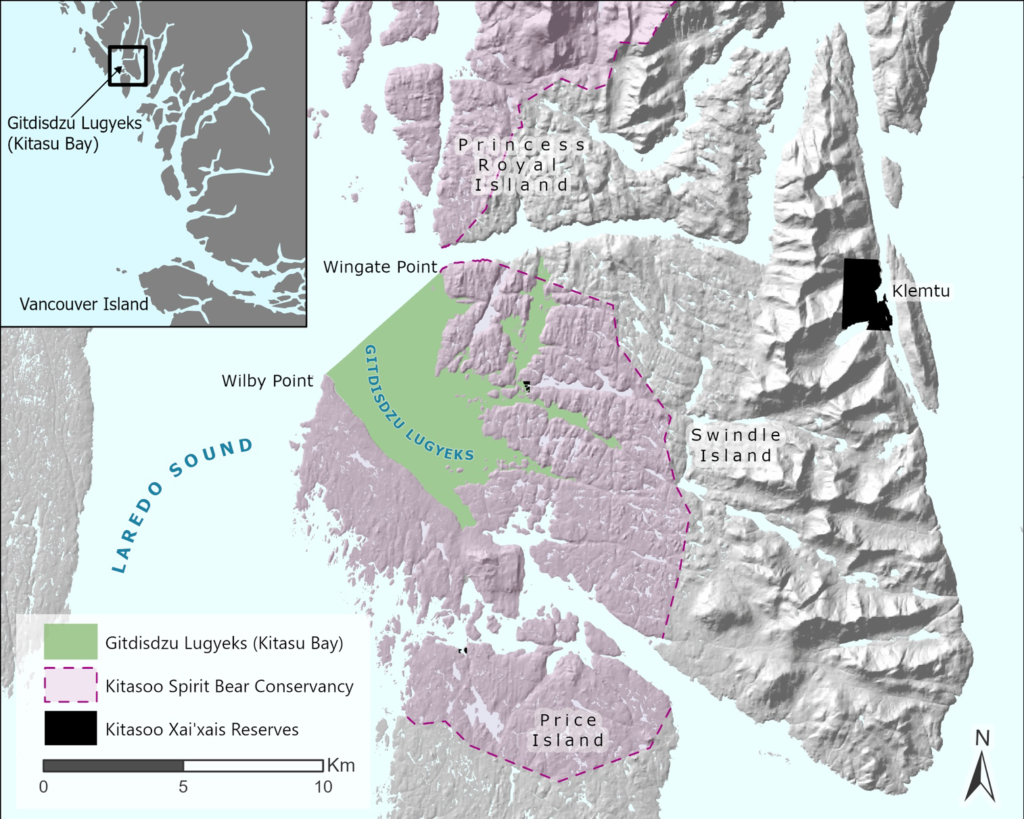
Map shows new mpa boundaries in bay between Wilby Point and Wingate Point (Includes west of Klemtu on Swindle Island and north end of Price Island.)
Map of Gitdisdzu Lugyeks MPA. Credit: Draft Gitdisdzu Lugyeks MPA Management Plan.

The draft management plan for the MPA outlines the stewardship vision for this marine area to ensure environmental, community, and cultural sustainability. It weaves together traditional Kitasoo Xai’xais knowledge and management practices, and the latest science-based marine research. The waters will continue to be monitored and cared for by the Kitasoo Xai’xais Watchmen, which recently announced a pilot program with BC Parks recognizing guardians with the same legal authority as BC park rangers. The Kitasoo Xai’xais Watchmen continue the work of their ancestors in protecting and managing coastal territories through stewardship, monitoring, and sustainable management.


The Kitasoo Xai’xais Nation is advancing Indigenous-led conservation by protecting these marine waters within their territory, which means they are also protecting their culture and heritage for generations to come. The Gitdisdzu Lugyeks MPA announcement brings renewed hope for growing marine protection coverage while nurturing Indigenous reconciliation through conservation.

A network of MPAs is also underway in the Great Bear Sea, officially known as the Northern Shelf Bioregion. This network would connect new and existing protections along the north and central coast.

Kate MacMillan
Ocean Conservation Manager, CPAWS-BC

Resources

Kitasoo Xai’xais Nation announces the Gitdisdzu Lugyeks (Kitasu Bay) MPA.

Background:

An MPA network in the Great Bear Sea will connect new and existing protections. All of these sites will contribute to the ongoing development of the MPA network, working together to safeguard ocean biodiversity:

However, the next phase of development for the MPA network is unclear without a clear timeline for the next critical phase, public consultation. It is vital that a public consultation takes place and British Columbians are given a clear and transparent timeline to have their voices heard. With the dual crises of climate catastrophes and species die-off, the Fisheries and Oceans Canada (DFO) and the provincial government must continue to work with coastal First Nations to complete the network.


Learn more about marine protected areas on the BC coast. Check out our interactive MPA 101 guide.

The beautiful coast of British Columbia has sustained people for thousands of years. But now fisheries are edging closer to collapse, iconic wildlife is on the brink of extinction, and vital marine ecosystems are disappearing. To keep British Columbia prosperous for our children, grandchildren and future generations, marine protected areas (MPAs) are being created to restore fisheries and fight climate change. Creating marine protected areas in BC today will set the course for coastal communities to thrive and show leadership in ocean conservation for generations to come.

But what’s an MPA? How does it help protect ocean life? And what does CPAWS-BC do to create more MPAs and make them stronger? Dive into our new MPA 101 series to learn the basics.

Subscribe to our newsletter to learn more about our conservation work.

BC OCEAN CONSERVATION DRAGGING BEHIND


CPAWS Calls For Urgent Adoption Of Minimum Standards To Prohibit Bottom Trawling In Marine Protected Areas

Today, the Canadian Parks and Wilderness Society (CPAWS) released The MPA Monitor, to assess the quality of Canada’s marine protected areas (MPAs). British Columbians are proud of the coast’s natural beauty and bounty. However, we are shocked and disappointed to find that the MPAs in BC scored quite poorly: over 60% of BC MPA waters do not have the strong, high-quality protections in place that support thriving ocean life and healthy communities, mainly due to destructive bottom trawling.

Bottom trawling causes large amounts of bycatch as everything that happens to be in the way gets swept up in the net, including unwanted and endangered marine species that should not be caught. Corals and sponges and other habitat forming wildlife are destroyed as the heavy net is dragged on the seafloor. Bottom trawling also causes marine life to choke by kicking up large clouds of sediment as the net moves.


Bottom trawling actively occurs on nearly 15% of the Scott Islands marine National Wildlife Area on the northern tip of Vancouver Island. This harms the food sources of seabirds like tufted puffins the MPA was designed to protect.

Scott Islands marine National Wildlife Area

Bottom trawling actively occurs on nearly 15% of the Scott Islands marine National Wildlife Area on the northern tip of Vancouver Island. This harms the food sources of seabirds like tufted puffins the MPA was designed to protect. At less than 1km wide in most places, the buffer zones in the Hecate Strait/Queen Charlotte Sound Glass Sponge Reefs Marine Protected Area on BC’s north and central coasts are too small. New research has shown that bottom trawling from as far away as 6 kilometres can cause glass sponges to choke.

Glass sponge reef buffer zones

At less than 1km wide in most places, the buffer zones in the Hecate Strait/Queen Charlotte Sound Glass Sponge Reefs Marine Protected Area on BC’s north and central coasts are too small. New research has shown that bottom trawling from as far away as 6 kilometres can cause glass sponges to choke. But Canada already has a solution to these problems! In 2019, Canada committed to implementing minimum protection standards for federal MPAs that would prohibit bottom trawling, oil and gas, mining, and dumping. In fact, SGaan Kinghlas-Bowie Seamount Marine Protected Area off the coast of Haida Gwaii effectively bans all these activities and scored as strongly protected in the CPAWS analysis.

MPA minimum protection standards

But Canada already has a solution to these problems! In 2019, Canada committed to implementing minimum protection standards for federal MPAs that would prohibit bottom trawling, oil and gas, mining, and dumping. In fact, SGaan Kinghlas-Bowie Seamount Marine Protected Area off the coast of Haida Gwaii effectively bans all these activities and scored as strongly protected in the CPAWS analysis.

We now need the federal government to implement their 2019 minimum protection standards for MPAs that would prohibit bottom trawling, as well as oil and gas, mining, and dumping. This would provide a critical basic level of protection for all of BC’s MPAs.

Read the whole CPAWS report: The MPA Monitor (EN) (FR)

You can also explore Canada’s MPAs through this interactive dashboard.

Read more

For this report, CPAWS used the recently published MPA Guide – a standardized assessment tool that evaluates the protection level of MPAs based on what activities are allowed within the MPA – to evaluate BC’s MPAs.


Bottom trawling causes large amounts of bycatch and habitat destruction as everything that happens to be in the way gets swept up in the net, The Narwhal.

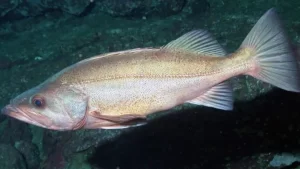
Hundreds of millions of pounds of untargeted and unwanted fish and other marine animals are killed and wasted, including endangered species such as bocaccio rockfish, CBC News.

Sediment clouds caused by bottom trawling from as far away as 6km can cause glass sponge reefs to “choke” and stop filtering ocean water, study.

New research shows partially protected reserves are largely ineffective, Hakai Magazine.