fbpx

Historic agreement signals celebrated step for caribou in BC

For immediate release

February 21, 2020

Unceded Coast Salish Territory/Vancouver, BC – Today, a historic collaboration reached a critical point with the signing of a partnership agreement regarding the recovery of southern mountain caribou.

Saulteau and West Moberly First Nations announced they have negotiated a partnership agreement with B.C. and Canada to protect and recover caribou in the Peace Region. Part of the Partnership Agreement between the four governments includes the creation of an important new protected area in critical caribou habitat on West Moberly and Saulteau territories, near Chetwynd, BC.

“We are encouraged by this significant agreement to recover one of Canada’s most iconic species,” said Bruce Passmore, Executive Director of CPAWS-BC, “we applaud West Moberly and Saulteau First Nations, who have demonstrated incredible leadership, working with the provincial and federal governments towards protection of wildlife and species at risk in their traditional territories.”

This agreement includes new protected areas, that will expand the Klinse-za Provincial Park as well as restoration measures, access management, habitat recovery and restoration, and an Indigenous Guardian Program. A full, collaborative suite of measures sets the best chance at success for recovery while furthering Indigenous-led conservation models. Such models are critical to upholding the culture, stewardship and traditional knowledge of the original caretakers of the land.

“Support for Indigenous-led land and wildlife conservation efforts is crucial if we are to stem the global biodiversity and climate crisis,” said Passmore. “This historic collaboration between four governments demonstrates a new way forward for conservation in BC to preserve important species before it is too late.”

-30- 


For interview, please contact:

Skye Vallance, Communications and Development Coordinator

Canadian Parks and Wilderness Society, BC Chapter

604-685-7445 x 22 

skye@cpawsbc.org 

February 6, 2020

Unceded Coast Salish Territory/Vancouver, B.C. – The Canadian Parks and Wilderness Society – British Columbia (CPAWS-BC) welcomes the conviction of illegal fishing in the Hecate Strait and Queen Charlotte Sound Glass Sponge Reefs Marine Protected Area (Hecate MPA).

Illegal commercial groundfish harvesting was found to have occurred in the marine protected areas. A fine of $20,000 for illegal activity prohibited under the Hecate MPA Regulations, the first conviction under the Oceans Act nationwide. An additional fine, under the Fisheries Act, of $25,000 for possessing illegally caught fish was ordered to be paid.

“We would like to thank Fisheries and Oceans Canada for enforcing MPA regulations under the Oceans Act and protecting B.C.’s glass sponge reefs,” says Ross Jameson, Ocean Conservation Manager for CPAWS-BC.

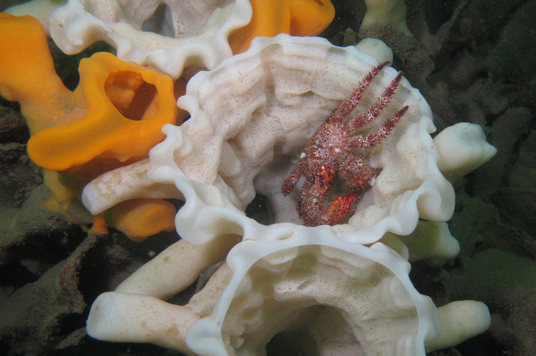
Located in the Hecate Strait and Queen Charlotte Sound off B.C.’s north and central coasts, the Hecate MPA glass sponge reefs are a world treasure. Once thought extinct for millions of years, glass sponge reefs are now known only to live in the northeast Pacific Ocean, mainly off B.C.’s coast.

CPAWS-BC has been working since the early 2000s to protect B.C.’s glass sponge reefs. After years of pushing for protection, we celebrated when the Hecate MPA was created by Fisheries and Oceans Canada in 2017. CPAWS-BC continues to work with First Nations and the Government of Canada to protect other vulnerable glass sponge reefs in B.C.  Enforcement of these Oceans Act MPA regulations will help ensure these rare ecosystems are not destroyed due to human activities.

Glass sponges are filter feeders. They do this so efficiently that 95% of bacteria are filtered out, cleaning the water. In fact, a single small reef can filter enough water to fill an Olympic-sized swimming pool in less than 60 seconds! Glass sponge reefs provide shelter for bottom-dwelling creatures such as rockfish and prawns.

Fishing activity can cause severe harm to these fragile habitats. Prawn and crab traps drop down and crush glass sponge reefs. Bottom trawling of heavy nets dragged along the seafloor destroy everything in their path while kicking up clouds of disturbed sediment, that prevent the sponges from feeding. 

While this conviction means that the Hecate MPA is being enforced, more work needs to be done. Jameson says, “Now we need a management plan for this MPA with effective education, outreach, and additional protections to prevent these offences from occurring in the future.”


-30-

For interview, please contact:

Ross Jameson, Ocean Conservation Manager

Canadian Parks and Wilderness Society, BC Chapter

604-685-7445 x 29 

ross@cpawsbc.org


Resources

Fisheries and Oceans Canada. (2020, January 20). Safeguarding our future through the Oceans Act [News Release]. Retrieved https://www.canada.ca/en/fisheries-oceans/news/2020/01/safeguarding-our-future-through-the-oceans-act.html

This content is password protected. To view it please enter your password below:

For interview, contact: 

Tori Ball, Terrestrial Campaigner, CPAWS-BC

tori@cpawsbc.org

604-685-7445 x24

Decision to Safeguard Silverdaisy Valley Welcomed by CPAWS-BC

December 4, 2019

Traditional territories of the Coast Salish peoples–Sḵwx̱wú7mesh (Squamish), and Səl̓ílwətaʔ/Selilwitulh (Tsleil-Waututh) and xʷməθkʷəy̓əm (Musqueam) Nations, Vancouver BC – The Canadian Parks and Wilderness Society – British Columbia (CPAWS-BC) welcomes today’s announcement from Minister George Heyman and Minister Doug Donaldson that the Silverdaisy Valley in southwest BC is now off-limits to commercial forestry. Alongside First Nations and tribes on both sides of the border, CPAWS-BC has been working in partnership with other conservation and recreation organizations to secure long-term protections for this high-value landscape that has long been of great conservation interest.

“Today’s announcement demonstrates tremendous leadership from the BC government to work towards nature protection in critical parts of the province,”says Tori Ball, Terrestrial Campaigner for CPAWS-BC. “We congratulate everyone involved for their persistent and collaborative efforts to find a resolution to the threat of logging in the rich and intact Silverdaisy Valley.” 

Located in the upper reaches of the Skagit River Valley in BC, the Silverdaisy Valley is surrounded on all sides by two of BC’s most well known protected areas, E.C. Manning and Skagit Valley Provincial Parks. This area supports year-round recreational opportunities, as well as important habitat for rare and endangered Spotted Owls, and the most imperiled grizzly bear population in the province.

Since commercial forestry operations began in this area in 2015, there has been significant concern from environmental organizations, outdoor businesses and Indigenous rights holders who have used this area as a traditional gathering place for millenia. Today’s announcement shows the government’s shared commitment to protecting the Skagit River Valley.

“Keeping this broader landscape intact is absolutely critical to maintaining the overall health of this world-class ecosystem in the long term,” says Ball. “These new protections from forestry are what’s most needed in this landscape right now, and we commend the government for working collaboratively with First Nations and stakeholders to get to this result.”

-30-

For interview, contact: 

Tori Ball, Terrestrial Campaigner, CPAWS-BC

tori@cpawsbc.org

604-685-7445 x24

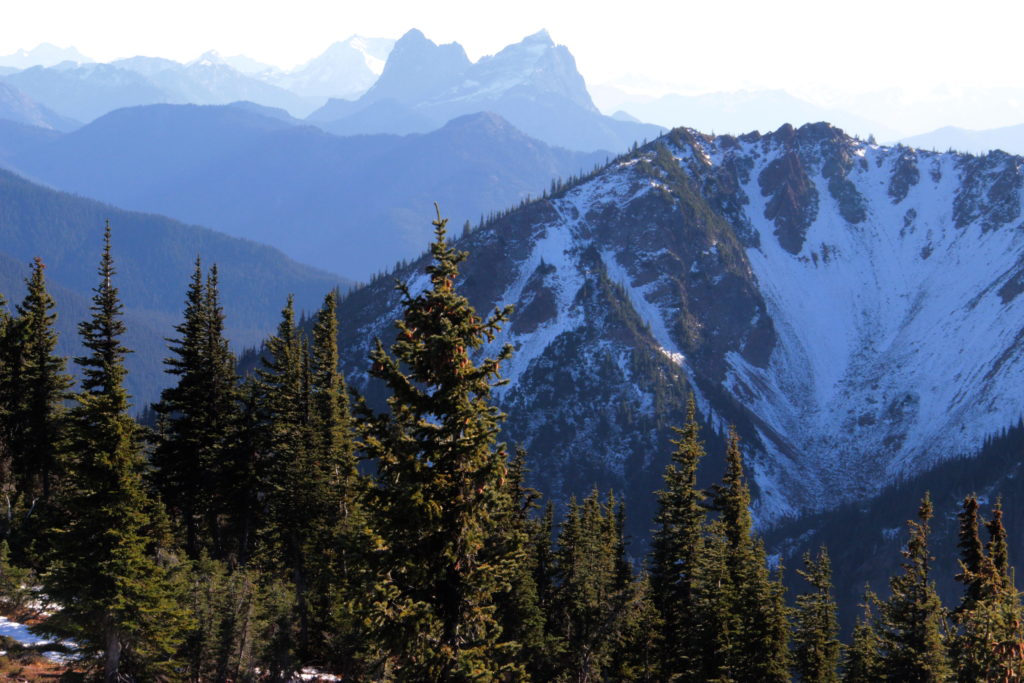
Silversdaisy Peak in Skagit River Valley. Photo by: Wilderness Committee

Canadian Parks and Wilderness Society – British Columbia (CPAWS-BC) is dedicated to the protection of public land and water, and ensuring our parks are managed to protect the nature within them. Our vision is to establish large, intact areas of wilderness on land and in the ocean that can nurture nature through climate change and support all life.

Meet Heather, your MicroAdventure guide!

One year out of graduate school, I still define myself as an intestinal immunologist. I am fascinated by the intestinal ecosystem; specifically how bacteria, viruses, parasites, and fungi co-evolve and interact with each other and your body. This ecosystem influences your health in fascinatingly intricate ways.

Now out of graduate school, I have expanded this view to environmental ecosystems. I view the world through a holistic lens and believe that uncovering the woven webs in ecosystems truly makes one appreciate the need for nuanced approaches to protected areas and lifestyle.

This summer, I am inviting people like you on hikes with the Canadian Parks and Wilderness Society – British Columbia (CPAWS-BC) to share stories of BC’s interconnected systems. I hope to spark a sense of awe at the cleverness and ingenuity of it all. Mostly, I want to share my appreciation for protected areas and the role they play in supporting these systems through our changing world. I think we are ultimately on track toward sustainability, but I know that the environment needs our help to adapt and thrive in the meantime. While we, humanity, figure out how to live sustainably with our planet, protecting large and biodiverse swaths of intact land is an important pro-active measure in the face of climate change. 

I got involved with CPAWS in 2016 when Jessie, CPAWS-BC’s Terrestrial Manager, gave a talk at UBC. I was hooked by CPAWS-BC’s mission to create protected areas in nature while fostering a community of leadership for nature.

I am grateful to live in a time where pristine wilderness and pockets of thriving biodiversity still exist. Learning more about land stewardship and Indigenous knowledge on our human relationships with nature has impacted the ways I understand the world around me. Hearing stories and offering support for new models of Indigenous-led conservation give me hope for these natural places to continue to sustain us – our health, our livelihood and our communities in the future .

If you live around BC’s Lower Mainland, I hope you’ll join one of our community MicroAdventure hikes to make the most of the cooler season and exchange stories as we enjoy nature (and food!) together.

-Heather Filyk
Terrestrial Campaign Assistant 

CPAWS-BC Wild Ambassador, Wilderness First-Aid Certified, UBC Varsity Outdoors Club Alumni

P.S. What am I most excited about? Growing collective knowledge on Leave No Trace principles for any outdoor-goer to apply. I can’t wait to share tips and tricks like these and more.

Happy Hour Hikes and MicroAdventures
CPAWS-BC’s community hikes are set at a social pace on beginner-friendly trails in Metro Vancouver area. We will share tools that each of us can use to protect the ecological integrity of BC’s parks and protected areas, identify plants and signs of wildlife, and reveal pro hiking tips.

All are welcome! We have a carpool or trail-head meet-up option available. Free to register!

Learn more and reserve your spot here.

Upcoming Hikes:

MicroAdventures

Questions about community hike trails or accessibility?
heather@cpawsbc.org | 604.685.7445 x24

Can’t make it but want to support conservation in BC? Please take one minute to tell your Provincial Member of the Legislative Assembly (MLA) that you support Indigenous-led conservation initiatives in our province. Learn more at besthope.ca

BC’s Glass Sponge Reefs Need a Bigger Buffer

Carlo Acuña,
Ocean Campaigner

Deep under the ocean waters off of BC’s Hecate Strait and Queen Charlotte Sound live rare and delicate glass sponge reefs. While glass sponges are found all over the world, it is mainly on our coasts that they form intricate reefs. CPAWS-BC has been advocating for the protection of glass sponge reefs since 2001. In 2017, the Government of Canada established the Hecate Strait and Queen Charlotte Sound Glass Sponge Reefs Marine Protected Area Marine Protected Areas (MPAs) to safeguard these fragile features from harmful human activities. But new research published in the journal Marine Ecology Progress Series suggests that these current protections may not be enough to prevent glass sponge reefs from harm.

Most marine sponges are soft and squishy, feeling much like the sponges we use to clean our kitchens and bathrooms. However, glass sponges absorb silica from the water to form their glass skeletons, giving them hard bodies but making them extremely fragile.

The earliest fossils of glass sponge reefs are 220 millions years old, spread out over a 7000 kilometre stretch of Central Europe. However, 40 millions years ago they disappeared from the fossil record and were thought to be extinct. 

But in 1987, a team of Canadian scientists mapping the seafloor discovered living glass sponge reefs 200 metres below the ocean surface of Hecate Strait. For them, this discovery was like finding a herd of living dinosaurs.

ESSENTIAL TO THE ECOSYSTEM

Far from just being beautiful and rare, glass sponges are also integral parts of the ocean ecosystem.

Glass sponge reefs provide shelter for bottom-dwelling creatures such as rockfish and prawns. 

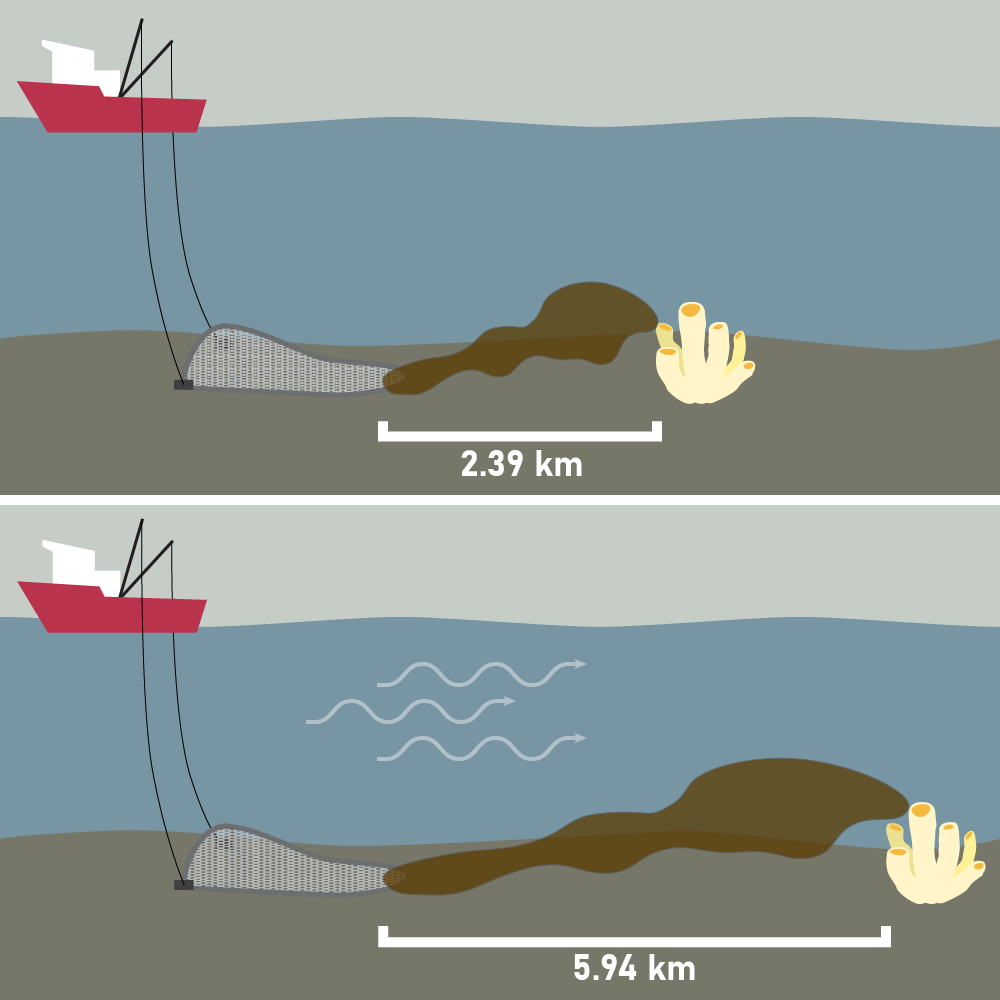
Fishing activity can cause severe harm to these fragile habitats. Prawn and crab traps drop down and crush glass sponge reefs. Bottom trawling of heavy nets dragged along the seafloor destroy everything in their path while kicking up clouds of disturbed sediment. The Marine Protected Area regulations protect the reefs themselves from bottom-contact activities such these. However, nearby fishing activity kilometres away can still be deadly.

Glass sponges are filter feeders. They do this so efficiently that 95% of bacteria are filtered out, cleaning the water. In fact, a single small reef can filter enough water to fill an Olympic-sized swimming pool in less than 60 seconds! Furthermore, the nitrogen waste they excrete acts as a fertilizer for plankton.

Storms of sediment trigger sponges to stop filter feeding.

When these storms of sediment kicked up be bottom trawling roll over glass sponge reefs, they are triggered to stop filter feeding and absorbing oxygen. The glass sponges choke and can even starve to death.

NEW DISCOVERIES

But animals behave differently depending on where they live and no experiments had been conducted on the Hecate Strait sponge reefs. Research released last year shed light on this mystery.

Living 200 metres below the sea surface, the Hecate Strait sponges are too deep for humans to dive to. To reach these depths, a remotely operated vehicle or ROV was used to carry out the experiments. Remotely controlled from a ship on the surface, the robot operated like an underwater drone, but with the bonus feature of mechanical arms.

The ROV placed thermistors, special devices used to measure water flow, inside the opening on top of the sponges to measure how much water the sponges were filtering for feeding.

To measure the sponges’ reaction to sediment, the ROV’s arm used a modified ice scoop to spread sediment over the sponge.

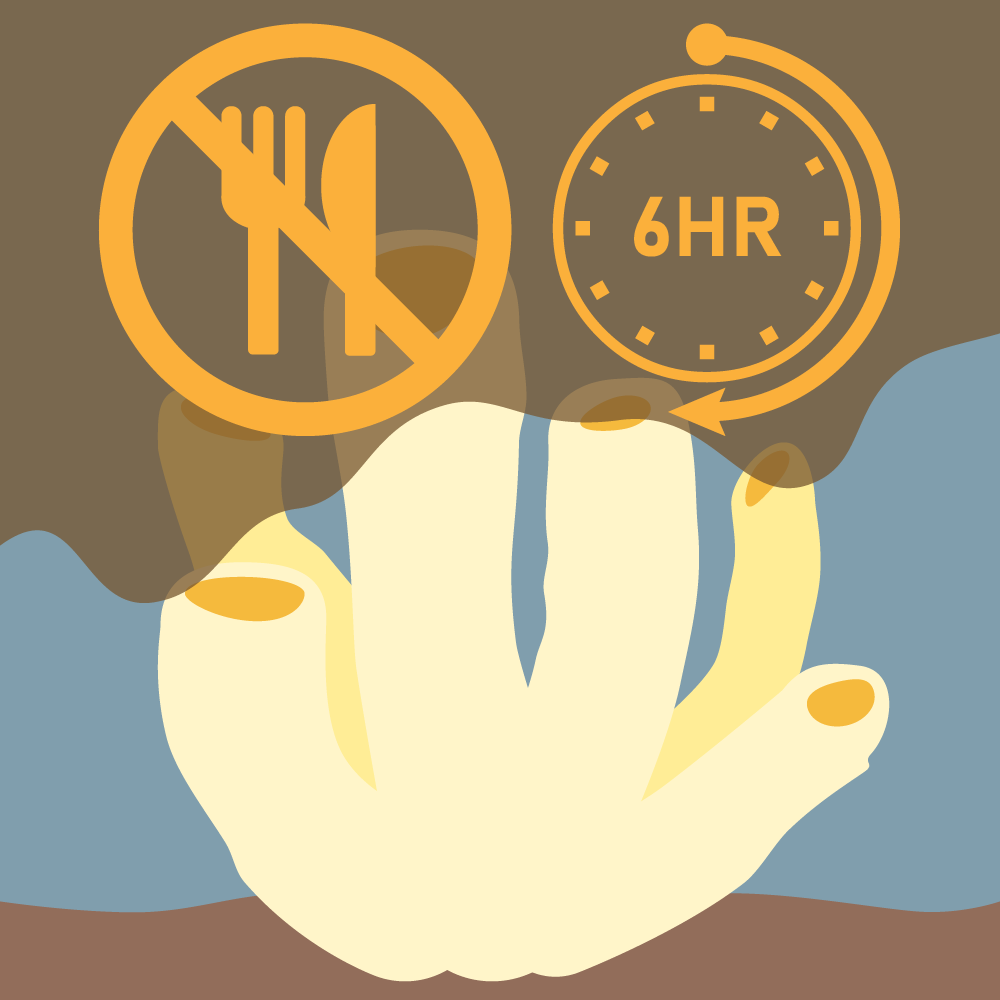
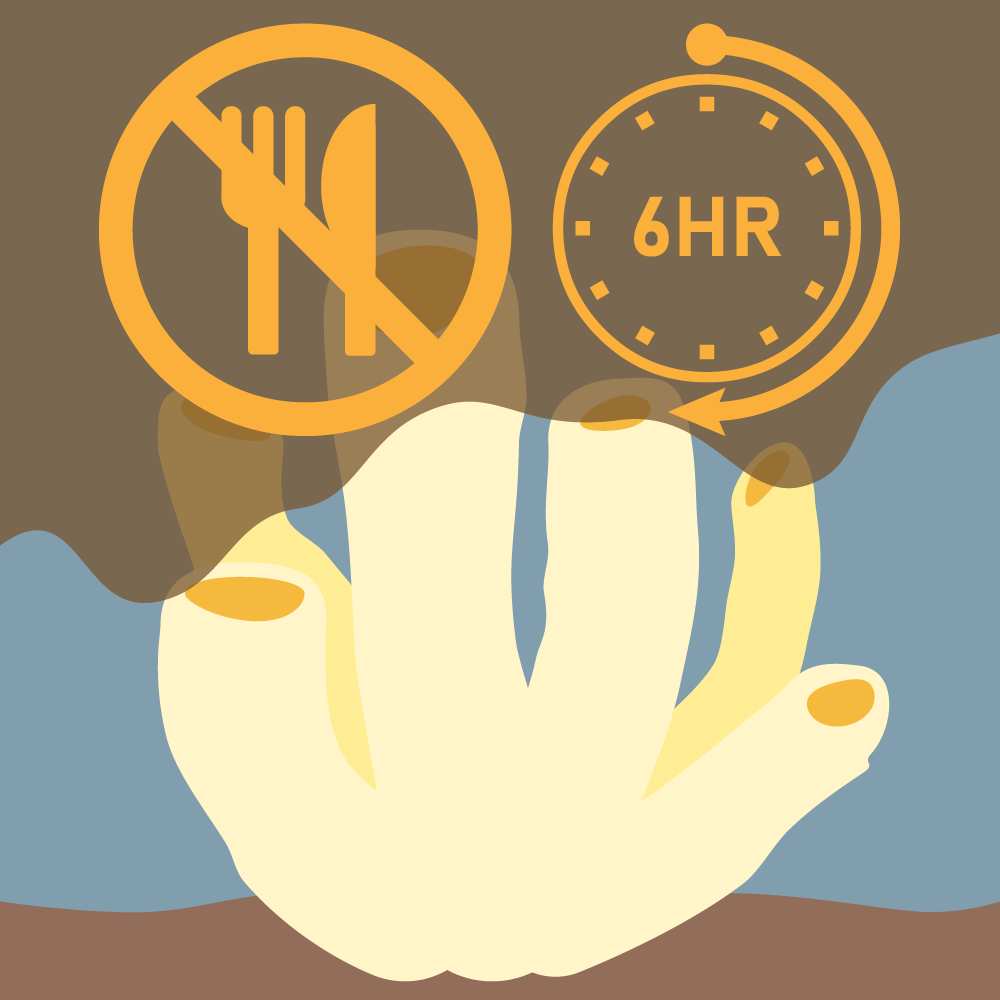
“Just a little bit of sediment actually stops the sponges from feeding for six to 12 hours. If that continues for long enough, that could lead to health problems and even death,” said Carlo Acuna, Ocean Campaigner, CPAWS-BC

North Shore News

The scientists found that the glass sponges stopped filtering water after even small increases in suspended sediment. Bottom trawling activities kick up much more sediment than the Hecate Strait glass sponges can tolerate.

Sediment clouds can stop glass sponges from feeding for up to 12 hours.

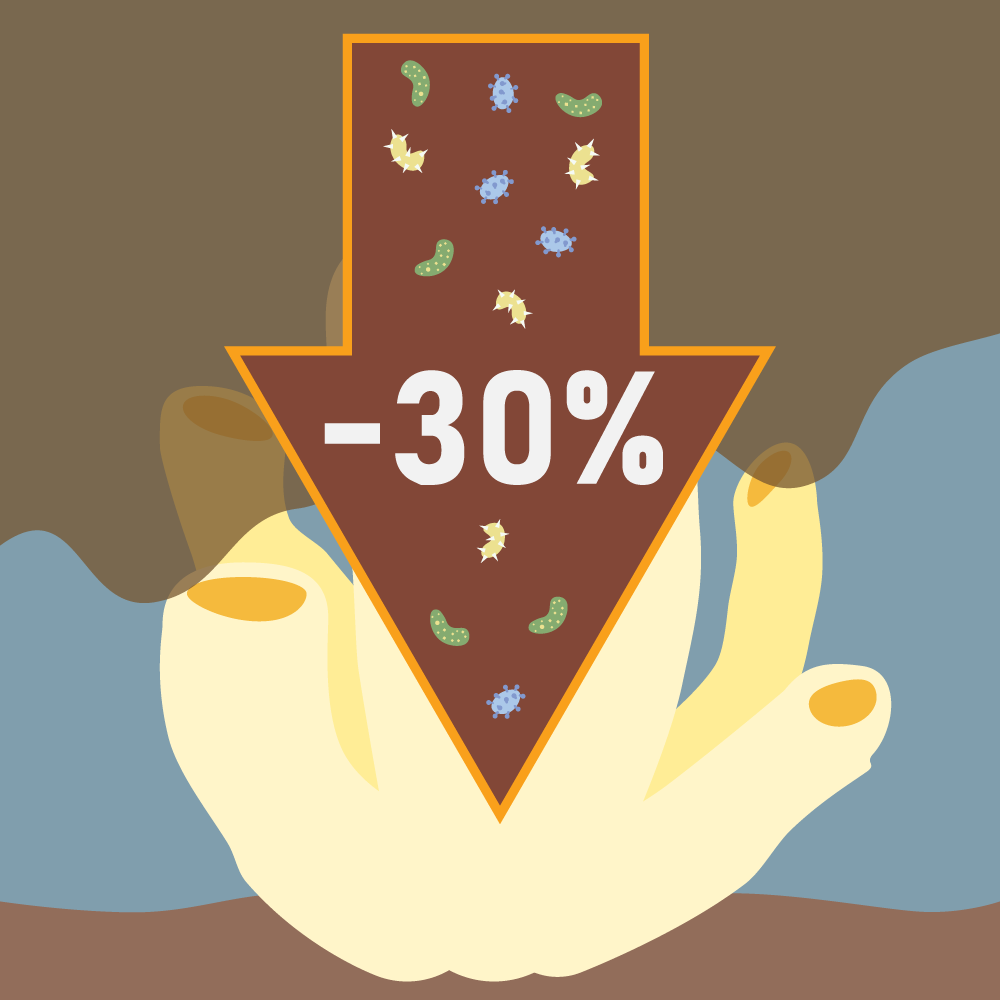
The suspended sediment created from a three hour bottom trawl could stop glass sponges from feeding for six to 12 hours. Fishing activities around the marine protected areas could deprive Hecate Strait sponge reefs of nearly one thirds of their food supply, stumping their growth and hindering reproduction. Extended exposure to sediment could lead to death. 

Furthermore, models indicate that suspended sediment from trawl fishing as far away as 2.39 kilometres can cause glass sponges to stop feeding. With the right tides and current, this harmful distance can be as far as 5.94 kilometres.

MORE PROTECTION NEEDED

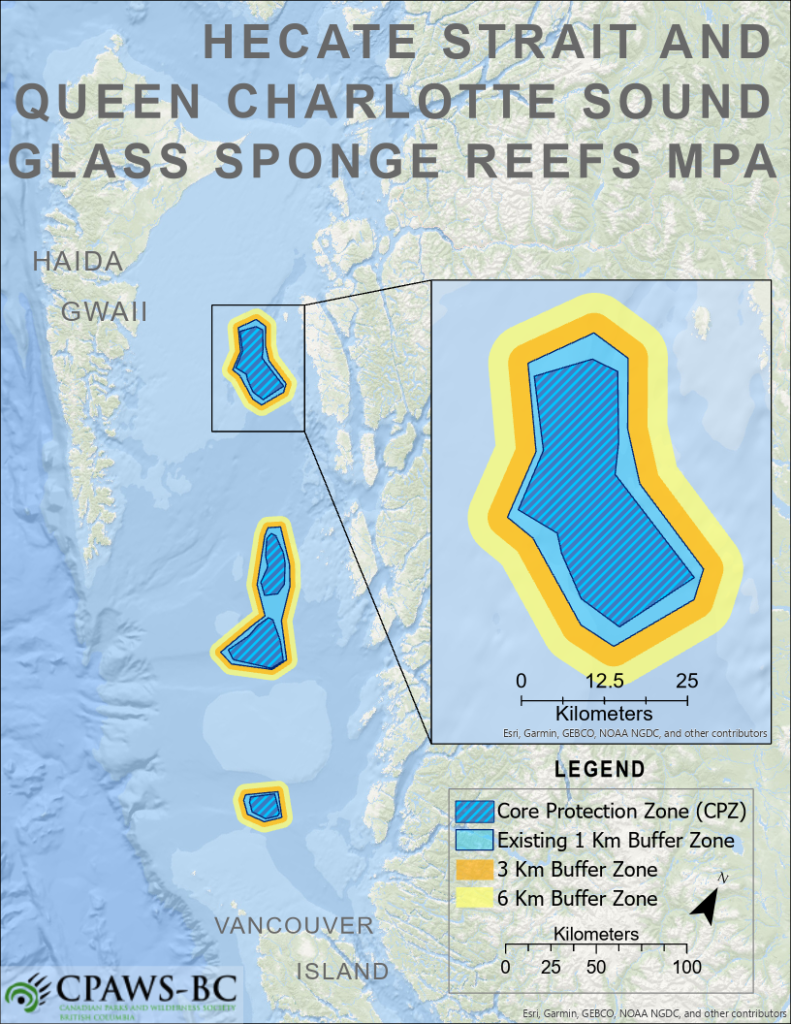
The Hecate Strait and Queen Charlotte Sound Glass Sponge Reefs Marine Protected Area currently provides a one kilometre buffer zone around each reef where no bottom contact activity is allowed. This new research proves that these restrictions are not enough to protect these global treasures.

“Trawling is the biggest bottom contact fishing activity,” Carlo Acuna,  CPAWS-BC Ocean Campaigner

The Squamish Chief

Although the glass sponge reefs found in Howe Sound and the Georgia Strait have been found to have a stronger tolerance to sediment, their buffer zones are only a paltry 150 metres wide and drastically insufficient.

Glass sponge reefs need bigger buffer zone around Marine Protected Areas.

New regulations are needed to increase the Hecate Strait and Queen Charlotte Sound Marine Glass Sponge Reefs Protected Area buffer zones to at least three kilometres and as much as six kilometres. This will only increase restricted bottom fishing areas in B.C.’s ocean by 0.6% while ensuring the health of the valuable marine species supported by these reefs for generations to come. 

The glass sponges in Howe Sound and Georgia Strait look to be more resistant to sediment. Using the precautionary principle, we are proposing an increase of the buffer zones here beyond the current 150 metres until proper ground truthing research has been carried out and the local threats have been assessed.

CPAWS-BC has been working since the early 2000s to protect B.C’s glass sponge reefs. We celebrated when the Hecate Strait and Queen Charlotte Sound Marine Protected Area was created in 2017. In 2017, we supported the nomination of glass sponge reefs for UNESCO World Heritage Site status. With your help we can add further protections, ensuring these wonders found nowhere else in the world are sufficiently preserved for generations to come. 

Take Action Now

Tell Fisheries and Oceans Canada to expand the protective boundary prohibiting bottom-contact fishing, industrial activity, and seabed mining around each glass sponge reef.

Proposed expanded protection around glass sponge reefs

Thursday October 24th, 2019

Traditional territories of the Songhees and Esquimalt First Nations, Victoria, BC – The Canadian Parks and Wilderness Society – British Columbia (CPAWS-BC) congratulates the government of BC’s leadership to legally uphold the rights of Indigenous Peoples in the province. The introduction of the Declaration on the Rights of Indigenous Peoples Act, the first law of its kind in Canada, follows through on commitments to reconcile BC law with the UN Declaration on the Rights of Indigenous Peoples (UNDRIP).

“This legislation is one step forward in a path to reconciliation that will lift up the existing efforts of Indigenous-led protection on land and in the ocean in BC,” says Jessie Corey, Terrestrial Conservation Manager at CPAWS-BC. “Bold action to stem the climate and biodiversity crises will only be achieved with the full collaboration and participation of Indigenous communities across Canada.” 

Recent movement towards designating a National Park Reserve in the nxʷəlxʷəltantət, South Okanagan-Similkameen is one example of successful collaboration between First Nations, provincial and federal governments. The recent signing of iʔ sc̓ax̌ʷtət, memorandum of understanding, between these three levels of government is based on the recognition of the title and rights of the Syilx people, and provides a path forward to reconciliation through conservation.

Earlier this year, land and wildlife conservation proposals from First Nations all across BC were submitted to the federal government as part of Canada’s investment in increasing the amount of protected areas in the country. These projects present an incredible opportunity for BC to work with First Nations to combat biodiversity loss in a way that honours Indigenous relationships to the land and rights to self-determination.

Across the country, Indigenous communities are leading the way in new forms of conservation – from the Edezhie Indigenous Protected Area in the Northwest Territories, to the proposed Kaska Indigenous Protected and Conserved Area, Dene Kʼéh Kusān in northern BC.

“This leadership from Indigenous people sets a new foundation for future efforts in BC to safeguard lands and waters through new protected areas,” continued Corey. “With this new legislation, governments are creating a better path forward to a shared future with healthy landscapes and wildlife populations at the heart of it.”

-30-

For interview, contact:

Skye Vallance 

Communications & Development Coordinator, CPAWS-BC

info@cpawsbc.org

604-685-7445 ext.22 

Resources:

Canadian Parks and Wilderness Society – British Columbia (CPAWS-BC) is dedicated to the protection of public land and water, and ensuring our parks are managed to protect the nature within them. Our vision is to establish large, intact areas of wilderness on land and in the ocean that can nurture nature through climate change and support all life.

The 2019 Greater Vancouver International Film Festival (VIFF) season sparks action and changes the way we see the world. CPAWS-BC is thrilled to be supporting VIFF this year as a community partner of Oscar-nominated director Fernando Meirelles’  “The Great Green Wall”.

“The Great Green Wall” highlights one of the world’s most ambitious initiatives to tackle climate change. 11 African nations began The Great Green Wall project in 2007 to plant 8,000 kilometers of trees and vegetation across the Sahel, a semi-arid area that stretches the entire width of Africa, south of the Sahara desert.

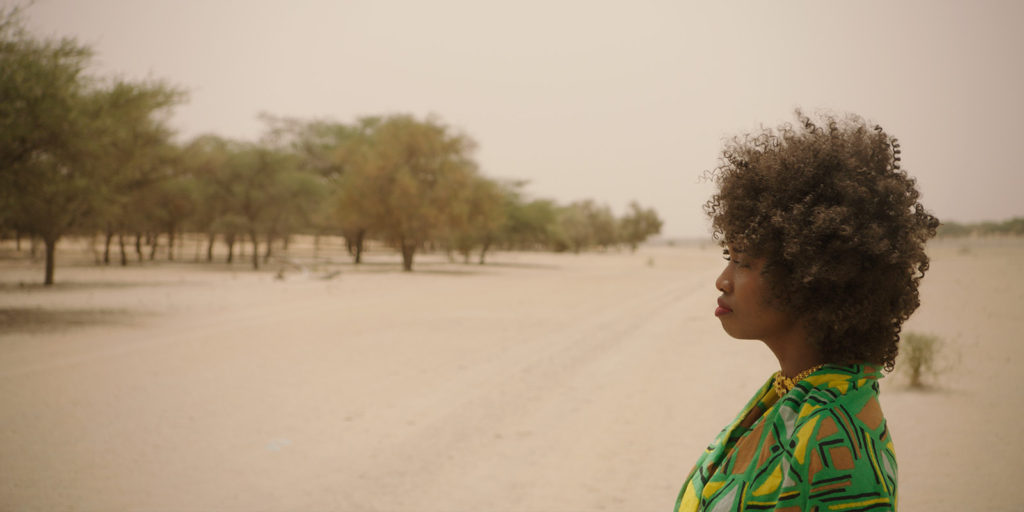
The film is guided by Malian musician and activist Inna Modja. Inna travels to Senegal, Mali, Nigeria, Niger and Ethiopia meeting people most affected by climate change and land degradation. Human activity and mismanagement of land and ocean resources is at the root of climate change and loss of biodiversity, in the Sahel region and all around the globe. The Green Wall offers a nature-based solution to natural resource scarcity, desertification and drought, conflict, migration and community revitalization issues. The project is designed to restore land depleted by agricultural overuse and grazing. Once complete, it will restore food and livelihood for communities. The wall could absorb some 250 million tons of carbon dioxide from the atmosphere.

The Great Green Wall, 2019

Human activity and mismanagement of land and ocean resources is at the root of climate change and loss of biodiversity. The project is designed to restore land depleted by agricultural overuse and grazing. Once complete, it will restore food and livelihood for communities. The wall could absorb some 250 million tons of carbon dioxide from the atmosphere.

I am at a loss for words. It’s the social, the economic, political…it is everything .

– VIFF film screening attendee

The wall itself is not linear or uniform. It is more like a patchwork of forest clusters sheltering life. It is an interconnected network of life that young people can depend on for generations to come. And the stories shared by those living along the Great Green Wall are about more than revitalizing desert landscape. They are about desperation, courage, and the hope for a brighter future.

Stories like this play out across the globe as the fight against climate change continues. Here at home, BC will experience a squeeze as our landscape and ocean morph with the climate. Flooding, storm surges, and rampant fires will displace people and wildlife from their homes. BC is along an escape route and will become a safe haven for new troves of species and communities seeking refuge from the impacts of climate change. — which will have unforeseeable impacts of its own.

The clusters of trees and plants along the Sahel breathe life back into the local communities. Things are, arguable, not quite so dire in BC, but we need to protect remaining large intact areas of wilderness for nature — including humans — to have a fighting chance.

Climate change is not coming, it is here. During an evening screening of “The Great Green Wall,” the whole audience held their breath watching a time-lapse of Lake Chad shrink by an estimated 90 per cent in a mere 50 years. It was a stark reminder of how much has already been lost. Science shows that  we have only 12 years to curb our carbon emissions and keep irreparable global temperature rise at bay. We need bold, immediate action to protect habitats and ecological hotspots.

Nature needs us now. We are on the front lines of a nature emergency. The Amazon rainforest is burning. Declines in salmon populations risk cut food supply to endangered southern resident killer whales and grizzly bear populations. Indigenous leaders and scientists call for support to protect BC forests and critical caribou habitat.

Without biodiversity, life simply could not exist. BC has the greatest biodiversity in Canada, yet we have the most species at risk and our ecosystems are collapsing.

VIFF film screening attendee

There is still hope for nature in BC. The Serengeti of the north in Kaska Dena territory and promise for protection of grasslands – one of the world’s most endangered ecosystems right here in BC’s South Okanagan-Similkameen offer large-scale nature protection. Interconnected networks of marine protected areas through the Great Bear Sea and rich depths of the Deepsea Oasis offshore of Vancouver Island reveal newly discovered and integral species along the pacific coast.

CPAWS-BC is dedicated to the protection of our public land and water, and ensuring our parks are managed to protect the nature within them. With help from people like you, we advocate for the creation of a patchwork of life support systems across the province. The next step will be to connect the dots with wildlife corridors and connected pathways of protected areas.

BC is a special place for animals and people.

We need your help to ensure protection for these places. We depend on nature for food, shelter, healing, and recreation. Our vision is to establish large, intact areas of wilderness on land and in the ocean that supports all life to not only survive, but thrive.

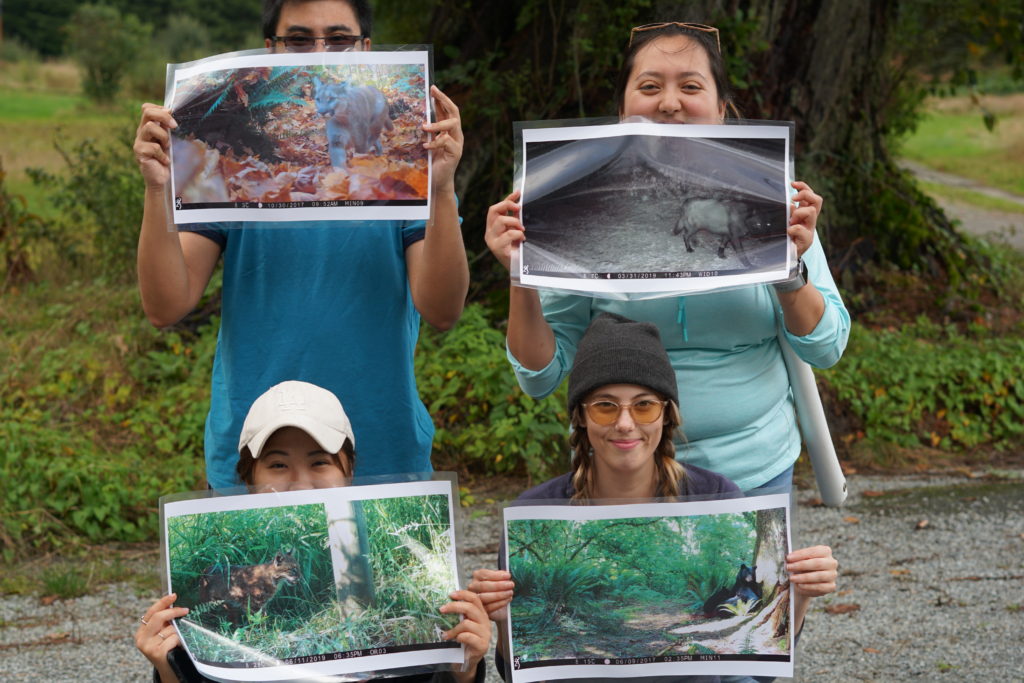
Animals caught on trail camera along BC provincial park boundaries

BC needs a healthy environment for everyone – wildlife, nature, humans and biodiversity is vital for a stable and sustainable environment

-VIFF fan

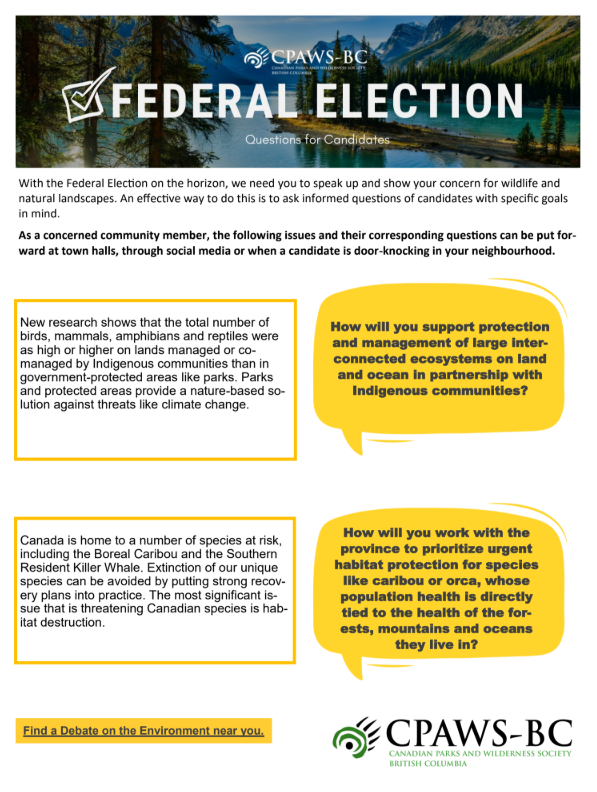
The 2019 federal election will play a pivotal role in Canada’s response to the climate emergency and decline in nature here.

We each have a role to play in ensuring protection of biodiversity and the vitality of future communities. Environmental issues do not stand alone. Ecosystems must be resilient and adaptable to nurture nature amidst a rapidly evolving world.

Your vote for nature on October 21st helps leverage nature-based solutions and partnership between provincial, federal and Indigenous governments in response to climate change.

VIFF film screening and events September 26-October 11, 2019. Tickets and more information at WWW.VIFF.ORG

How to enter

  1. If you do not already, follow @cpawsbc on Instagram, Facebook or Twitter (as seen on platform)
  2. Comment on social media post your response to “WHY DOES BC NEED BIODIVERSITY?”
  3. Tag a friend who you want to go to a VIFF (Vancouver International Film Festival)  film screening Sept 26-Oct 11 2019


You may submit up to one entry per day. Contest October 8th 11:59PM.


It is the sole responsibility of the entrant to ensure their entry is properly submitted as

described above. CPAWS BC will not be responsible for any lost, delayed, misdirected,

illegible, incomplete, damaged or undeliverable entries, or any delay or failure to transmit,

process, receive or consider entries.


Chances of winning are dependent on the number of entries received. Quebec residents are

not eligible to win.


The Contest is in no way sponsored, endorsed or administered by, or associated with

Facebook, Twitter , Instagram or VIFF. You understand that you are providing your information to

CPAWS BC and not to Facebook, Twitter,  Instagram or VIFF. The information you provide will only

be used for the administration of this Contest and in accordance with CPAWS BC’s privacy

policy. Facebook, Twitter and Instagram are completely released of all liability by each

participant (and his/her parent/legal guardian if he/she is a Minor) in this Contest. Any

questions, comments or complaints regarding the Contest must be directed to CPAWS BC and

not Facebook, Twitter, Instagram or VIFF.


Questions regarding the contest or campaign can be emailed to info@cpawsbc.org with

“Contest” in the subject line.


General

These Rules and Regulations are final on all matters relating to CPAWS-BC’s VIFF Contest (the “Competition”). The contest is governed by the rules set out below. By entering the contest, you agree to abide by those rules and the decisions of CPAWS BC staff.


You also agree to comply with all applicable laws. The contest is void where prohibited or

restricted by law.


Eligibility – Entrants

You are not required to make any purchase or pay any fee to enter or win the contest.

Entrants may not win more than one prize within a single category.


You may only enter the contest if you are an individual and, at the time of entry, you are a

legal resident of Canada. If you do not meet the Canadian residency requirement, you may

still enter but will not be eligible for any prizes. Quebec residents are not eligible to win.


Each eligible entrant aged seventeen (17) years or under must have his/her custodial parents\’

or legal guardian\’s consent to enter to enter the CPAWS-BC’s VIFF Contest. If a custodial parent or legal guardian does not provide the required consent, then the entry will be disqualified.


Proof of identification and parental consent must be provided upon request. If a custodial

parent or legal guardian does not provide consent, or if proof of identification cannot be

obtained to the satisfaction of the Sponsor, the entry will be disqualified.


CPAWS employees and their immediate families (i.e., their spouses, siblings, children,

spouses\’ parents, and the spouses of any of those individuals) and their household members

(related or not) are not eligible to enter the contest.


CPAWS BC may at any time in its sole discretion disqualify any entrant who: does not meet

the contest\’s eligibility criteria, fails to comply with these rules, attempts to enter the contest

in any manner or through any means other than as described in these rules, attempts to

disrupt the contest or attempts to circumvent any of these rules.


Entries must be original material and must not have been a winner in another national

competition or Competition. Entries also must not have been published or accepted for

publication by a national magazine or newspaper. Entries posted online on personal

websites, blogs or on social media are not considered published for the purpose of this

competition, and may be entered for competition consideration. Content alteration of digital

files is not acceptable; cropping of photos is permitted, tonal or colour corrections are

acceptable, including black and white conversion.


Prize

Pair (x2) VIFF Film Screening Vouchers provided by CPAWSBC as sponsors of VIFF film.


Winners

In order to be declared a contest winner and be eligible for a prize, the prize winner must

have complied with, and remain in compliance with, these rules, and must sign and deliver to

CPAWS BC (within 1 calendar day of CPAWS BC’s request) a standard declaration and release form (which will include a declaration of the finalists\’ compliance with these rules, an

acceptance of the prize as awarded, a publicity release, a liability release, and the correct

answer to a skill-testing question) and any other documentation that CPAWS BC may require.

Prizes will be picked up at the CPAWS BC office in Vancouver, BC.


One winning entrants will be selected through a random draw for each prize. The winner will

be notified through the platform they used to submit their entry (Instagram, Facebook, Twitter). If the selected winning entrant does not respond within seven (1) calendar day of the first notification attempt, if a prize is returned as undeliverable or is rejected, or if a participant is found to be ineligible, an alternate winner may be selected.


In case of dispute as to the identity of any entrant, entry will be declared made by the

authorized account holder of the email address submitted at time of entry. CPAWS BC may

request valid proof of identity, residency, age and other relevant documentation, and CPAWS

BC may disqualify a selected winner if they determine (in their sole discretion) that the

provided proof is not sufficient.


All prizes must be accepted as awarded (with no substitutions), and may not be sold,

transferred, or converted into cash. All prizes will be delivered by way of pick-up upon

the winner accepting the prize as awarded. CPAWS BC are not responsible for lost or

undeliverable mail.


License to CPAWS BC

By submitting your contest entry, you are granting CPAWS-BC the unrestricted,

royalty-free, perpetual right to use your entry for future educational, promotional and

charitable purposes without any fee or other form of compensation, and without further

notification or permission.


You will retain all rights to any photograph you submit — including ownership if applicable.


Publicity

Except where otherwise prohibited by law, participation in the contest constitutes a winner\’s

consent to CPAWS BC’s use of the winner\’s photo and name for educational, promotional and

charitable purposes without further notification, permission, payment or consideration.


Cancellation

If for any reason CPAWS BC cannot run the contest as planned (including as a result of bugs,

tampering, unauthorized intervention, fraud, technical failures, infection by computer virus

or any other cause that corrupts, impairs or affects the administration, security, fairness,

integrity, or proper conduct of this contest) CPAWS BC may cancel, modify, extend or suspend

the contest. In that event, CPAWS BC may award prizes at random from among the eligible

entries received up to the time of the impairment, or award no prizes.


CPAWS BC may also disqualify any individual who tampers with or in any way corrupts the

entry process, or who attempts to undermine the legitimate operation of the contest by

cheating, hacking, deception, or other unfair practices, or by attempting to annoy, abuse,

threaten or harass any other entrants or CPAWS BC representatives.


Disclaimers, Liability, and Indemnification

CPAWS BC do not accept liability for any loss or damage resulting directly or indirectly from

your participation in the contest.


CPAWS-BC are not responsible for: (1) late, incomplete, or misdirected entries, or entries

received through impermissible or illegitimate channels; (2) technical failures of any kind,

including without limitation the malfunctioning of any telephone, computer, network,

hardware or software; (3) the unavailability or inaccessibility of any service; (4) unauthorized

human intervention in any part of the entry process or the contest; (5) electronic or human

error which may occur in the administration of the contest or the processing of entries; or (6)

any injury or damage to persons or property, including without limitation your computer,

which may be caused, directly or indirectly, in whole or in part, from your participation in the

contest or from downloading any material from CPAWS BC\’s website.


CPAWS-BC will not be liable to you for any indirect, special, consequential, or punitive

damages in connection with the contest or these rules.


By participating in this contest, you agree to indemnify and hold harmless CPAWS-BC and

their employees, directors, officers, members, affiliates, agents, judges and advertising and

promotional agencies from any and all damages, injuries, claims, causes of actions or losses

of any kind (including actual legal fees and expenses) arising from or related to: (a) your

failure to comply with any of these rules; (b) any misrepresentation you make under these

rules or otherwise to CPAWS-BC; or (c) your participation in the contest.


Personal Information

You consent to CPAWS BC using and disclosing your personal information for the purposes of

administering the contest; advertising the contest and any future contests and any of CPAWS

BC\’s products and services; and for the other purposes described in these rules.


Law

The Rules will be governed by and construed in accordance with the laws of the Province of

British Columbia, Canada and the federal laws of Canada applicable in British Columbia.


Disputes

All disputes, claims and causes of action arising out of or connected with the contest, prizes

or these rules will be resolved individually, without resort to any form of class action, and

exclusively by the appropriate court of the Province of British Columbia, Canada.


Further Information

CPAWS BC

410-698 Seymour Street

Vancouver, BC V6B 3K6

(604) 685-7445

info@cpawsbc.org

Unprecedented call for Environmental Leadership from our elected politicians heard across the country 

North Vancouver, October 4, 2019 – Last night’s debate in north Vancouver was one of the 100 Debates on the Environment taking place across Canada, with locals coming to Presentation House Theatre to hear from North Vancouver candidates about their views on the environment. Voters joined the large crowds across the country attending their local debates, demonstrating that concern about the environment is fueling a powerful force that no party and no candidate can ignore.  

The environment debate for the North Vancouver riding was attended by Conservative Party of Canada, Green Party of Canada, Liberal Party of Canada, and New Democratic Party candidates all sharing their views on the environment and competing for voter support. The People\’s Party of Canada was invited and declined. Squamish elder Sut-Lut opened the evening with a prayer and acknowledgement of the Unceded Coast Salish territory where the debate took place. Hosted by Canadian Parks and Wilderness Society (CPAWS-BC) and 100 Debates, the debate asked questions on climate change, wilderness protection, toxic pollution and water. Over 120 community members were also in attendance.  

CPAWS-BC and 100 Debates were pleased with the turnout and audience enthusiasm. Candidates expressed their excitement to continue the conversations on species protection and climate change strategy. It was exciting to see this forum in action with so many local voters and youth voicing their top environmental concerns with candidates. CPAWS-BC is pleased to hear candidates speak on the urgent need to support resilient ecosystems and species on the brink of extinction in the face of climate change. Collective action and partnership at each level of governance will set the course for Canada\’s role as a leader for the environment.

Voters in North Vancouver showed their concern for the environment this election, as did other Canadians at the other environment debates held across the country on October 3. 

When considering issue-themed candidates’ debates, nothing in Canada has ever approached the size and scope of the 100 Debates on the Environment initiative. Hosted by local non-profits, scientists, health professionals and businesses, the debates took place in church basements and auditoriums in nearly every province and territory, with urban, suburban and rural ridings all well represented.


-30-


For more information or interview requests, including with local organizers, please contact: Skye Vallance, Communications and Development Coordinator, CPAWS-BC | skye@cpawsbc.org  | 604.685.7445 x22.

*Live Video Recording available on the 100 Debates x CPAWS-BC Facebook event page

ABOUT CPAWS-BC

Canadian Parks and Wilderness Society – British Columbia (CPAWS-BC) is dedicated to the protection of our public land and water, and ensuring our parks are managed to protect the nature within them. Our vision is to establish large, intact areas of wilderness on land and in the ocean that can nurture nature through climate change and support all life, Visit www.cpawsbc.org for more information.


ABOUT 100 DEBATES: 

100 Debates is a national initiative to organize inclusive, politically neutral, and environment-focused all-candidates debates in communities across Canada. Local collaborators include national non-profits, schools, individuals, citizens\’ groups and businesses. Most debates are scheduled to take place on the same day, Oct 3rd, in over 100 ridings in Canada and have been coordinated by GreenPAC – Canada’s non-partisan organization that works to build environmental leadership in politics. Visit www.100debates.ca for more information.