fbpx

Largest BC Parks expansion in over a decade will protect habitat for Southern Mountain Caribou

Klinse-za/Twin Sisters Park expansion adds over 170,000 hectares, a welcome step for caribou and collaborative conservation

June 14, 2024

Unceded territories of the Coast Salish Peoples/Vancouver, BC – A significant park expansion added in critical Peace Region caribou habitat is welcomed by the Canadian Parks and Wilderness Society – British Columbia. The 170,000 hectare Klinse-za Park expansion will result in the largest provincial park established in B.C. in a decade.

The expansion of the Klinse-za/Twin Sisters Provincial Park is for about five times the Park’s current size, and over twice the size of Manning Park. The expansion stems from a 2020 Partnership Agreement between the federal and provincial governments and West Moberly and Saulteau First Nations which established conservation commitments for endangered Southern Mountain Caribou.

“Protecting the habitat and foods that caribou depend on is key to long-term both caribou and community health, this park expansion is much awaited and welcomed for this iconic species,” says Tori Ball, Conservation Director – Lands & Freshwater Program at CPAWS-BC. “West Moberly and Saulteau First Nations are leaders in caribou conservation efforts and the formal protection of this important caribou habitat is a testament to their perseverance and leadership to secure a future for these important species.”

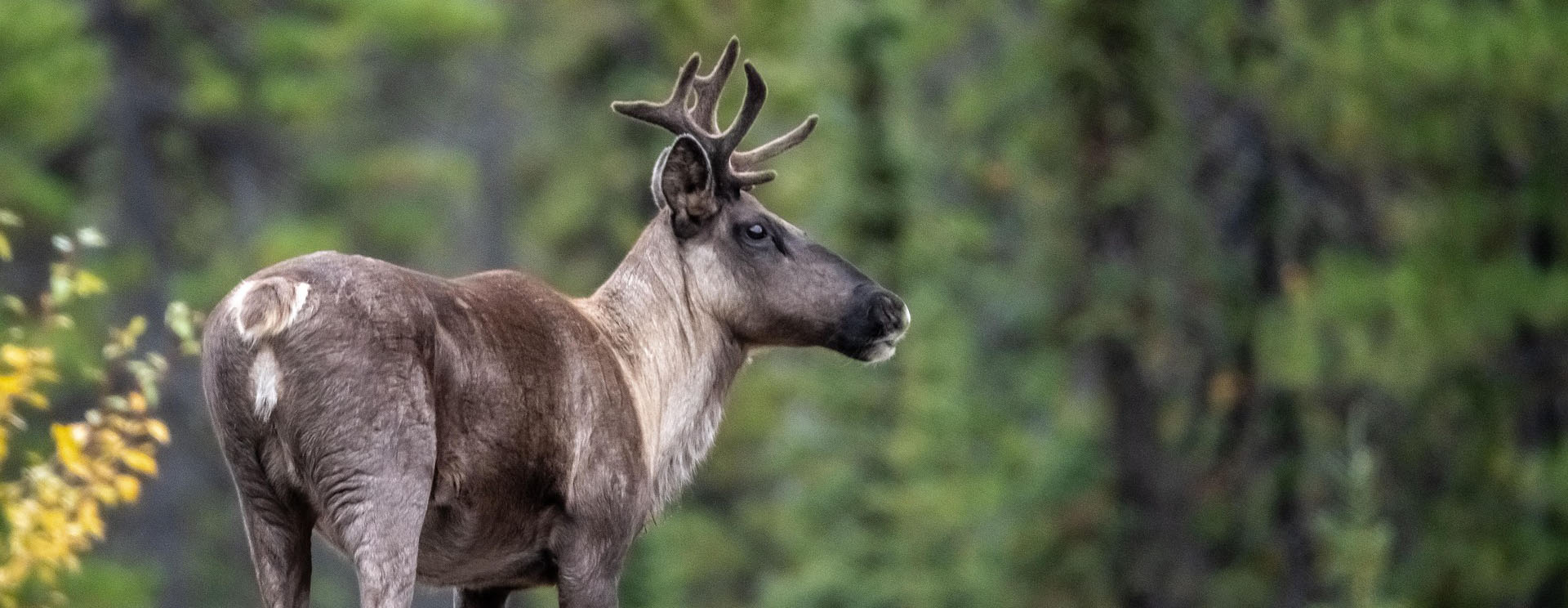
The area is home to the central group of Southern Mountain Caribou, consisting of five remaining herds. Recovery efforts, led by the West Moberly and Saulteau First Nations, have seen the Klinse-za herd rebound from just 16 animals in 2013 to over 100.

Caribou are in trouble, with many herds in BC at risk of disappearing due to an onslaught of resource development. Securing long-term protection of their habitat is key to their survival. Protecting caribou habitat will also benefit other wildlife species, and help ensure healthy ecosystems for all residents of BC.

Caribou require large intact and connected areas to thrive and function as an indicator species, letting us know the health of the forests and ecosystems they inhabit. Protecting caribou habitat in turn benefits many other species as well as the ecosystems that we all depend on.

“This park expansion will have positive impacts for the health of the surrounding ecosystems and iconic caribou herds. Working towards the global goal of protecting 30% of lands and waters by 2030 needs to benefit and include everybody, and it is important that we protect another over 14% of BC by moving forward together,” added Ball.

Media Contact:
Max Winkelman
Communications Manager
max@cpawsbc.org
604-685-7445 x3

Background Info:

  • Southern Mountain Caribou are divided into 3 population groups:
    • Northern with 9 herds – BC blue list, imperilled-special concern
    • Central with 5 herds – BC red list, imperilled-critically imperilled
    • Southern with 18 herds – BC red list, critically imperilled
  • The central group are the caribou in the Klinse-za park region, though the northern edge of the protected area is the border to the northern group of Southern Mountain Caribou
  • Woodland caribou are old-growth dependent and the main threats to their survival are from direct and indirect habitat loss and disturbance
  • West Moberly and Saulteau First Nations initiated a maternity penning project as part of their caribou conservation efforts as an urgent action to stop the rapid decline of the Klinse-Za herd.
  • The Intergovernmental Partnership Agreement for the Conservation of the Central Group of the Southern Mountain Caribou is an agreement between West Moberly First Nations, Saulteau First Nations, the government of Canada, and the government of BC. The agreement was signed in February 2020 and includes commitments for land protection in northeast BC and an Indigenous guardians program
June 6, 2024

Unceded Coast Salish Territories (VANCOUVER, BC) – As coastal B.C. ecosystems and local communities brace for the annual cruise ship season, the Canadian Transport Ministry just released an “Interim Order” on cruise ship pollution that continues to permit the dumping of 32 billion litres of waste into the waters off the BC coast.

The holes in the interim measures were pointed out in a report released by Stand.earth and the Canadian Parks and Wilderness Society – British Columbia last month to guide the Transport Ministry towards protecting coastal waters and communities. It still stands.

“What is it going to take for the Transport Ministry to get serious about defending the coasts from pollution? This lazy cut-and-paste of last year’s Interim Order still permits 32 billion litres of sewage, and ships’ waste to be dumped annually – the equivalent of half the world flushing a toilet into the coastal waters off B.C.” said Anna Barford, shipping campaigner with Stand.earth. “The Transport Ministry had an opportunity to remedy this by extending the application of cruise ship discharge regulations to the entirety of Canada’s jurisdiction in the territorial sea, prohibiting the use of scrubbers under Canada’s jurisdiction, and putting into place regular, independent third-party monitoring while cruise ships are underway to ensure discharge requirements are met. They have ignored our recommendations to the detriment of marine life and coastal ecosystems and communities.”

Scrubbers are devices on ships to treat exhaust gasses. They take sulphur from fuel and dump it into the sea in the form of wastewater, essentially turning air pollution into water pollution. Greywater is wastewater from toilets, sinks, showers and appliances, like dishwashers and laundry machines. It is a significant source of microplastics.

“The Great Bear Sea is home to many threatened and vulnerable species as well as species that have great cultural and food importance. The dumping of this much wastewater is a massive threat to the animals and plants that live there, such as orcas and humpback whales, and also to the local communities that depend on a healthy and abundant ocean,” says Kate MacMillan, conservation director for the ocean program at the Canadian Parks and Wilderness Society – British Columbia Chapter.

Transport Canada’s original Interim Order from June 9, 2023 allowed vessels to continue to discharge sewage, greywater and scrubber wastewater along the B.C. coast and inlets. The entire Great Bear Sea, including the proposed Marine Protected Area (MPA) Network, is not protected from the dumping of this scrubber wastewater. Transport Canada changed nothing this year.

“Additionally, this interim order seems to contradict Canada’s Marine Protected Areas (MPA) Protection Standard which looks to prohibit ocean dumping in MPAs. With an MPA Network being planned for the Great Bear Sea, the future health and resilience is being put at risk,” says MacMillan.

The report that Stand.earth and CPAWS-BC released last month found that approximately 35% of the proposed MPA Network is open to the discharge of untreated sewage and greywater through unregulated “toilet bowls”. Additionally, specific geographic exemptions potentially permit the discharge of sewage and greywater along the entirety of the Great Bear Sea’s complex coastlines.

The report made multiple recommendations such as legally requiring cruise ships to have holding tanks that are of adequate size and eliminating the exemption that permits cruise ships to discharge in areas where the shores are narrower than six nautical miles wide.

“The Transport Ministry has so far ignored us about this. They have even ignored reporters about this. They cannot, however, ignore the local communities demanding cleaner waters, or the science which is clear about the impacts of cruise ship dumping on the endangered Southern Resident Killer Whales”

Link to the report.
Link to the report release.

Contact:
Kate MacMillan,
Conservation Director, Ocean Program
CPAWS-BC
604-685-7445 x 6
kate@cpawsbc.org

Anna Barford
Canada Shipping Campaigner
Stand.earth.
+1 604-757-7029
anna@stand.earth

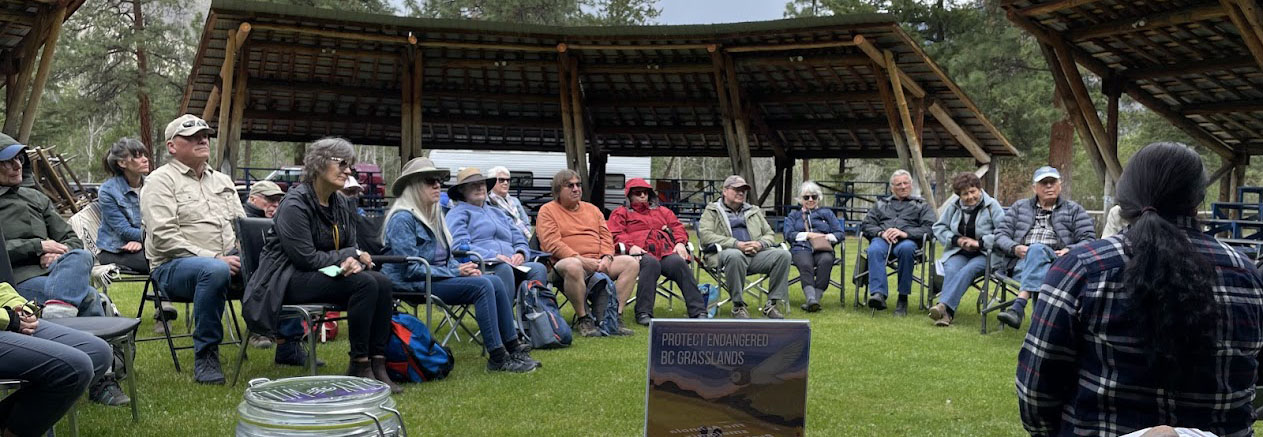
Over the May long weekend, our Land and Freshwater team travelled to the nxʷəlxʷəltantət (South Okanagan-Similkameen) to participate in the Meadowlark Nature Festival. CPAWS-BC has worked with partners in the region over the past two decades to expand protection for the increasingly endangered grasslands, with our work focusing particularly on the proposed South Okanagan-Similkameen National Park Reserve and more recently the nʔaysnúlaʔxʷ (Ashnola) sPA (sməlqmíx Protected Area).

Grasslands in BC have more species at risk than any other ecosystem in the province. They cover just 1% of the province, but are home to 30% of at-risk species in BC, such as the burrowing owl and bighorn sheep, making them one of the most important conservation priorities in BC.

It was amazing to visit protected areas, connect with supporters, talk about the urgent conservation needs of endangered grasslands, and see people participating in a fantastic art session with Ullus Collective Indigenous artists.

IMG_6809 copy


Where the Four Sacred Ecosystems Connect

A journey to protect the Ashnola River Corridor

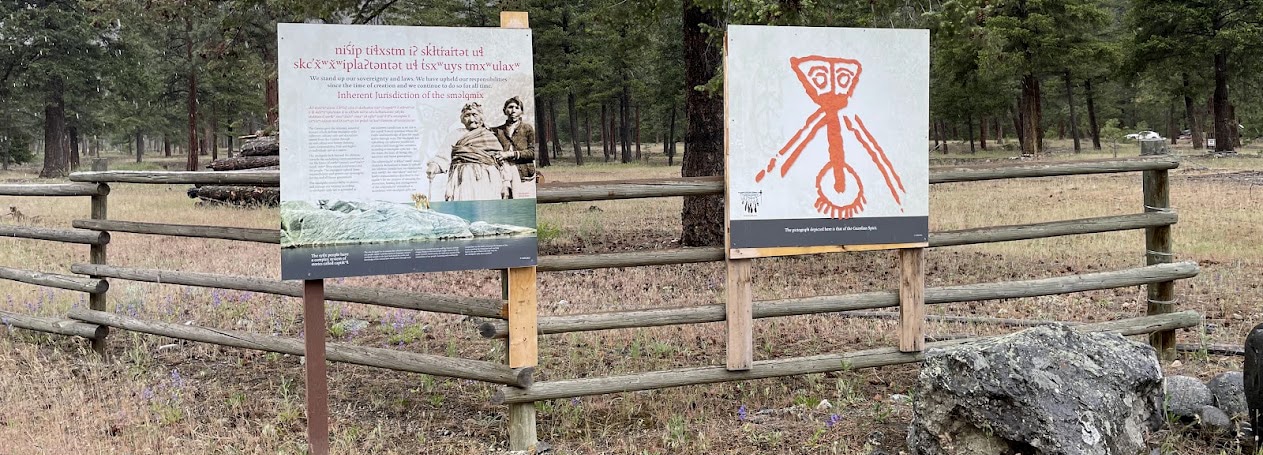
On Saturday morning we travelled from our base in Penticton, 60 kilometres southwest to the nʔaysnúlaʔxʷ (Ashnola) sPA (sməlqmíx Protected Area) just outside of Keremeos.

Rob Edwards, Lauren Terbasket and Rheana Marchand from the Lower Similkameen Indian Band (LSIB) shared with us and Meadowlark festival participants, their journey to protect the Ashnola River Corridor (or watershed), home to one of the most endangered rivers in the province.

After living through the gradual but profound degradation of some of their lands and water from mining discharge, unsustainable forestry, hunting and other exploitative activities, the sməlqmíx people re-asserted their sovereignty and obligation to protect and conserve the waters and lands, through cultural revitalization and traditional knowledge, throughout the Similkameen watershed. In 2022, the Lower Similkameen declared the entirety of the Ashnola Watershed an Indigenous Protected and Conserved Area (IPCA).

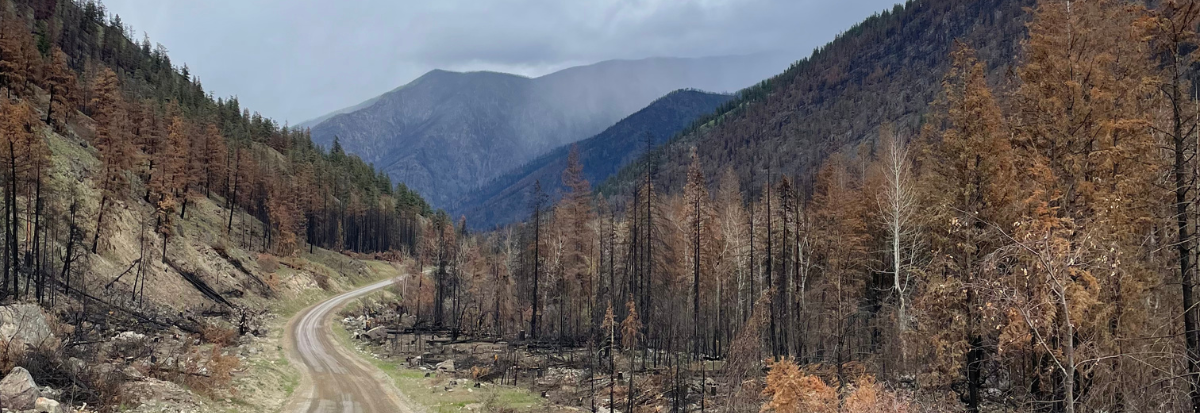
In the summer of 2023, the largest forest fire in the valley since the 1800s, affected 40,000 hectares in the Ashnola sPA. The small team at the LSIB, having declared the IPCA only a year earlier, were already busy implementing conservation and management plans. Now they are also undertaking restoration work to manage the aftermath of the fires and replant millions of tree and shrub seedlings to stabilize and ensure safety around the steep slopes of popular recreation areas.

As we walked around the Ashnola campground and sməlqmíx Protected Area, we learned about the unique grassland shrubs like snowbrush and bitterroot and were able to smell the rain on the parched earth. We were filled with a deep sense of gratitude for their dedication and determination to keep pushing forward to protect and steward these breathtaking lands.

2024 Meadowlark Festival (10) copy


Coexisting with fire

Learning from a wildfire expert

On Saturday evening, back in Penticton at the Okanagan College, we joined Tour 35 – Learning to Coexist with Wildfire in BC led by eminent scholar and UBC Professor of Forest & Conservation Science Lori Daniels.

As the province grapples with the aftermath of the 2023 wildfires, such as the one that went through the Ashnola Valley as we had seen earlier that day, a shift to diversified, evidence-based, adaptive and proactive landscape management, based on science and community knowledge, is critically needed, according to Daniels.

Her presentation called for transformative changes to forest management and highlighted the importance of cultural connections to the land and reintroducing indigenous forest management practices. It echoed what we had heard earlier in the day. Daniels also noted that cultural and prescribed fire removes the build up of plant material and reduces the intensity of naturally occurring wildfires, while also promoting health and resiliency of the land.

2024 Meadowlark Festival (14) copy


Because we are beautiful – ałi kʷu swiwinumpta

Making art with grassland materials

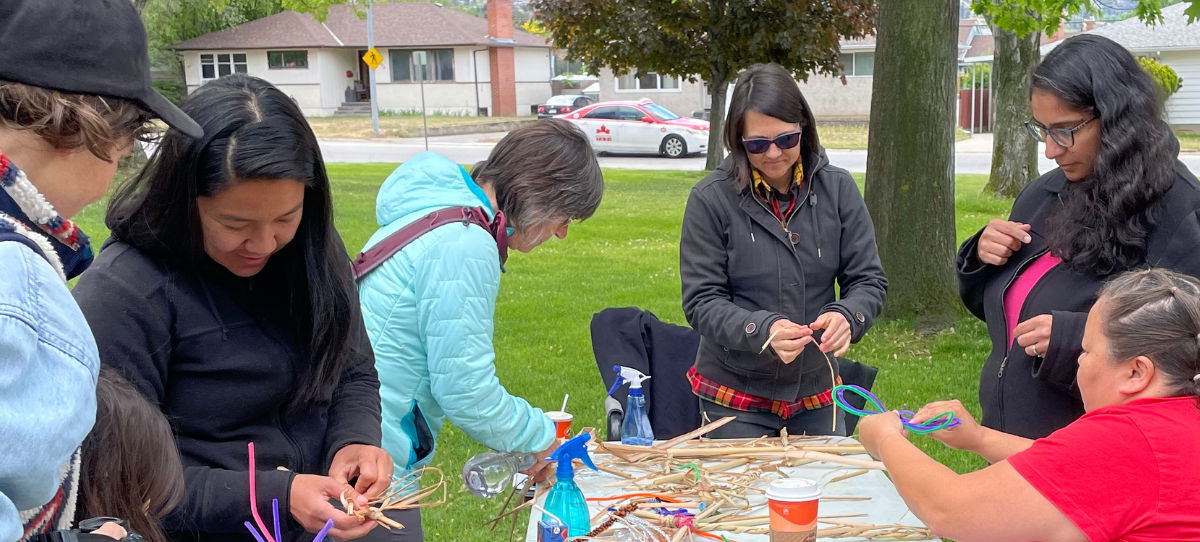
On Sunday morning we gathered together in the gardens of Leir House for a session led by Victoria Jaenig of Ullus Collective Indigenous artists to learn the art of making dragonflies from traditional locally collected grasses and leaves (as well as some more contemporary materials).

This session provided another way for us to connect with the grasslands we had been learning about.

This event was also a great opportunity to engage in conversations with attendees about the work that CPAWS-BC and partners have been undertaking in the region and highlighted the important relationship between preserving cultural connections to the land and healthy ecosystems.

Ullus Collective has been creating a place to gather and cultivate the unique arts practices of sqilxw artists for over four decades and it was a privilege to be able to spend the morning together.

Our journey home on Highway 3, took us past a dusty white mountain peak, scarred by mining activity, not far from the Ashnola protected area. It underscored the importance of the ongoing work to protect the Ashnola watershed and the nearby proposed South Okanagan-Similkameen National Park Reserve.

Protect endangered BC grasslands

Let elected leaders know we need to protect endangered ecosystems before they’re gone.

Sign the pledge

May 14, 2024

Unceded Coast Salish Territories (VANCOUVER, BC) – As coastal B.C. ecosystems and local communities brace for the annual cruise ship season, holes in the Canadian Transport Ministry’s “Interim Order” on cruise ship pollution permit the dumping of 32 billion litres of waste into B.C.’s Coastal waters, according to a report by Stand.earth and the Canadian Parks and Wilderness Society – BC Chapter (CPAWS-BC).

“Currently the holes in Transport Canada’s Interim Order permit 32 billion litres of sewage, ships’ waste to be dumped annually – the equivalent of half the world flushing a toilet into B.C.’s coastal waters” said Anna Barford, shipping campaigner with Stand.earth. “The Transport Ministry has an opportunity to remedy this in June, however, by extending the application of cruise ship discharge regulations to the entirety of Canada’s territorial sea, prohibiting the use of scrubbers in Canada’s territorial waters, and putting into place regular, independent third-party monitoring while cruise ships are underway to ensure discharge requirements are met.”

Scrubbers are devices on ships to treat exhaust gasses. They take sulphur from fuel and dump it into the sea in the form of sludge, essentially turning air pollution into water pollution. Greywater is wastewater from toilets, sinks, showers and appliances, like dishwashers and laundry machines. It is a significant source of microplastics.

“The Great Bear Sea is home to many threatened and vulnerable species. The dumping of this much wastewater is a massive threat to the animals and plants that live there, such as orcas and humpback whales, as well as for the local communities that depend on the ocean,” says Kate MacMillan, conservation director for the ocean program at the Canadian Parks and Wilderness Society – British Columbia Chapter.

Transport Canada issued an Interim order on June 9, 2023 which allow vessels to continue to discharge sewage, greywater and scrubber wastewater along the B.C. coast and inlets, while the entire Great Bear Sea, including the proposed Marine Protected Area (MPA) Network, is not protected from the dumping of scrubber wastewater.

“Additionally, this interim order seems to contradict Canada’s Marine Protected Areas (MPA) Protection Standard which looks to prohibit ocean dumping in MPAs. With an MPA Network being planned for the Great Bear Sea, the future health is being put at risk,” says MacMillan.

Approximately 35% of the proposed MPA Network is open to the discharge of untreated sewage and greywater through unregulated “toilet bowls,” according to the report. Additionally, specific geographic exemptions potentially permit the discharge of sewage and greywater along the entirety of the Great Bear Sea’s complex coastlines.

The report makes multiple recommendations such as legally requiring cruise ships to have holding tanks that are of adequate size and eliminating the exemption that permits cruise ships to discharge in areas where the shores are narrower than six nautical miles wide.

“Canada has a responsibility and moral obligation to prioritize protecting its coastal biodiversity, respect the rights of coastal First Nations, and to conserve the bounty and beauty of Canadian coasts for future generations,” concluded Barford.

Link to the report.


Contact:
Anna Barford
Canada Shipping Campaigner
Stand.earth.
+1 604-757-7029
anna@stand.earth

Kate MacMillan,
Conservation Director, Ocean Program
CPAWS-BC
604-685-7445 x 6
kate@cpawsbc.org

May 2, 2024

It’s a big win for Indigenous-led conservation on the world stage! Kitasoo Xai’xais Nation’s Gitdisdzu Lugyeks (Kitasu Bay) Marine Protected Area (MPA) has won Marine Conservation Institute’s prestigious Blue Parks Award — the first award in Canada and the first Indigenous-led blue park in the world.

Located near Klemtu on the central coast of BC, the Gitdisdzu Lugyeks MPA is a haven for marine life. Strong tides bring nutrient rich water into the bay, providing a rich source of food for fish, seabirds and marine mammals. Seagrass meadows and kelp forests provide herring with spawning grounds and other young fish with protective nursery habitat.

Designated in 2022, the MPA doesn’t just support nature, it sustains people as well. Gitdisdzu Lugyeks is an integral part of the culture, livelihoods and traditions of the local community. It is known as a spiritual place whose waters and marine life are vital to the Nation’s economy, health and culture. If marine life can thrive here, it is hoped that richness can expand into nearby areas and benefit both the people and wildlife that depend on the coast.

“We know these waters better than anyone, Kitasu Bay has been part of our home for thousands of years through to the present day,” said Hereditary Chief Nies’los (Kelly Robinson) in 2022.

Living around and stewarding these waters for thousands of years, the Kitasoo Xai’xais Stewardship Authority are weaving traditional knowledge and modern science together to responsibly care for the biodiversity and resources of the MPA. With the Kitasoo Xai’xais Guardian Watchmen monitoring these waters, management will follow the guiding principles of the Nation: loomsk (respect), sagayt k’uulm goot (interconnectedness), sityaaw (reciprocity), and gugwilx’ya’ansk (intergenerational knowledge).

Recognizing this, Marine Conservation International awarded Gitdisdzu Lugyeks with a Blue Park award earlier this month. These awards are given in recognition of exceptional marine biodiversity conservation; having met the highest science-based standards for conservation effectiveness. The judging panel considers the productivity and importance of the MPA’s location as well as its regulations and management.

“Receiving this Blue Park Award not only recognizes what we’ve been doing as a Stewardship Authority, but it also sets the stage for other Indigenous Nations to use this as a blueprint for their own protected areas in their territories,” said Kitasoo Xai’xais elected Chief, Doug Neasloss. “The management plan for Gitdisdzu Lugyeks combines our traditional knowledge and responsibilities with western science in a way that protects ecosystems and human livelihoods, and we’re grateful that this award recognizes the strength in that combination.”

This award is further proof of the effectiveness of Indigenous-led conservation. In 2019, a UBC-led study found that the total numbers of birds, mammals, amphibians, and reptiles were all greatest on lands managed or co-managed by Indigenous communities, higher than parks and wildlife reserves.

Gitdisdzu Lugyeks will be part of the Great Bear Sea Marine Protected Area Network, an initiative led by 15 First Nations along the north and central coast. The network aims to connect new protected areas to already existing ones to help restore the region’s ocean to abundance for the benefit of children, grandchildren, and future generations.

This award is further proof that Indigenous-led conservation is the way forward. Learning from their vision and knowledge, a healthy coast can be achieved for the well-being of everyone in British Columbia.

Read more about the the Gitdisdzu Lugyeks MPA at:
The Narwhal
National Observer

April 25, 2024

Today, BC Parks, Líl̓wat and N’Quatqua announced a partnership to balance access to the Pipi7íyekw / Joffre Lakes Park for visitors and First Nations this summer. This agreement will support visitor experience, healthy ecosystems and preserve the cultural connections of Líl̓wat and N’Quatqua to this spiritual place. 

“We know that supporting First Nations cultures is critical to maintaining and rebuilding ecological integrity. We are excited to see this agreement centre reconciliation and the values of Lil’wat Nation and N’Quatqua, aa well as outline a positive visitor management strategy to support people and the area’s ecosystems,” says Tori Ball, Conservation Director – Land and Fresh Water, Canadian Parks And Wilderness Society, British Columbia.

The agreement announced today comes after years of work by the province, Líl̓wat Nation and N’Quatqua, to improve visitor management in the region, which has seen a surge in outdoor recreation demand and visitor numbers. The abrupt closure of the area last fall resulted in public confusion and tensions for park visitors.

“We are happy to see this proactive planning between BC Parks, Líl̓wat Nation and N’Quatqua for Pipi7íyekw that supports First Nation connections to land and cultural practices and clear public communication to support appropriate public access to the area,” Ball continued. “This collaborative planning and decision-making is critical to reconciliation and the future of conservation and protected areas management.”

The joint park operational plan for 2024 includes three Pipi7íyekw Reconnection Celebration time periods:

  • April 30 to May 15, to support Indigenous-led cultural celebrations, including Stl’atl’imx Days – a celebration of the Declaration of the Lillooet Tribe on May 10, 1911. 
  • June 14 to 23, to support summer solstice and Indigenous Peoples’ Day celebrations. 
  • September 3 to October 6, to support Indigenous fall harvesting practices and the National Day for Truth and Reconciliation.

These closures will enable Líl̓wat Nation and N’Quatqua to reconnect with the land and carry out traditional, sustenance, cultural and spiritual practices. In addition to the multi-day closures, there will be a limit on the number of daily visitors through the free day-use pass system to support public safety and the natural values of the park.

Overcrowding can negatively affect both the local ecosystem and visitor experience, for example, through people going off-trail. Managing the daily visits is an important tool to support the area’s plants and wildlife, as well as visitor safety.

“Healthy and thriving ecosystems are critical to a healthy future for all. Respectful relationships and sustainable outdoor recreation is important for building up a culture of nature enthusiasts who continue to enjoy and care for nature for generations to come,” says Ball.

 – 30   – 

Media Contact:
Max Winkelman
Communications Manager
max@cpawsbc.org
604-685-7445 x3

More details:

Welcoming Growth & Renewal!

April 17, 2024 – by Meaghen McCord, Executive Director

With our sights set on achieving 25% protection by 2025 and counting down to the ambitious 30% by 2030 target, CPAWS-BC is embarking on a transformative journey to restructure and grow our organization. This strategic transformation makes us more agile, efficient, and impactful in safeguarding Nature in BC.

Over the last few months, we’ve seen a number of big and exciting announcements from the government to advance conservation in BC.

A $300 million Nature Conservation fund was announced, the over $1 billion Trilateral Framework Agreement for Nature Conservation set the stage for significant action on the biodiversity crisis and leadership in conservation and another $60 million was announced for Indigenous-led stewardship and sustainable development across the Great Bear Sea.

At a panel discussion during our fall art and conservation event, Precipice, Minister of Water, Land and Resource Stewardship Nathan Cullen said that he feels confident that over the next 18 months, we will see the most profound era of conservation and a shift in the dynamic of authority and land governance in this province.

In recent weeks, we’ve seen further action to this effect with BC signing a landmark agreement recognizing Haida Nation title over Haida Gwaii as well as interim measures halting mineral claim registrations and mining activities in the territories of the Gitxaała and Ehattesaht First Nations.

It’s an incredibly exciting time in conservation and we’re proud of the supportive role we’ve been able to play in all of this so far.

As we join in this momentum to meet 30% protection by 2030, CPAWS-BC is embarking on a strategic realignment to restructure and grow our organization in support of these goals over the next 6 years. We strive to be a leader not only in BC conservation but in corporate and non-profit leadership, too.

We took our first step when we announced our journey to a 4 day work week in February. Now we’re excited to take another one as we restructure our departments and create new internal opportunities and positions to support our growth and impact!

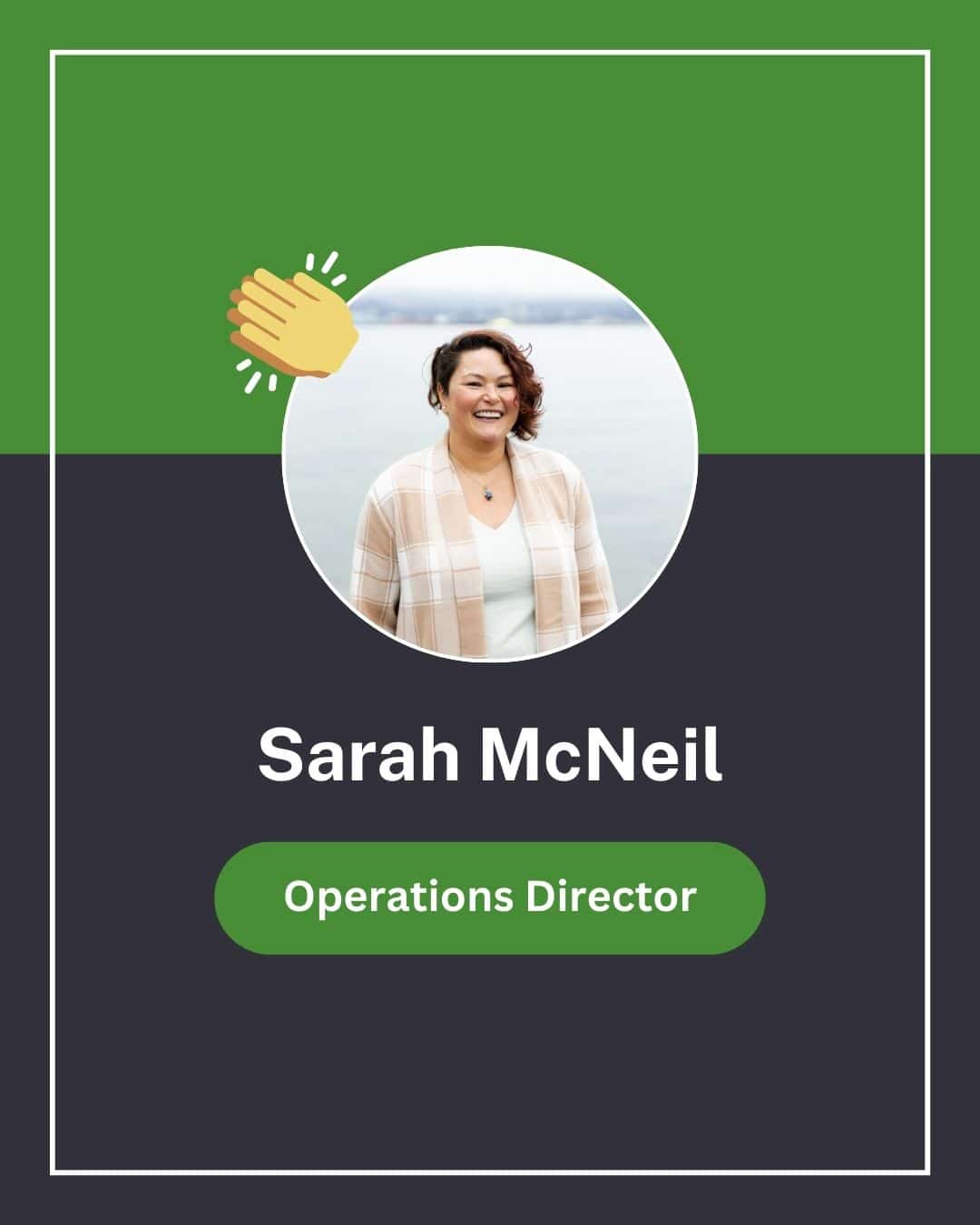
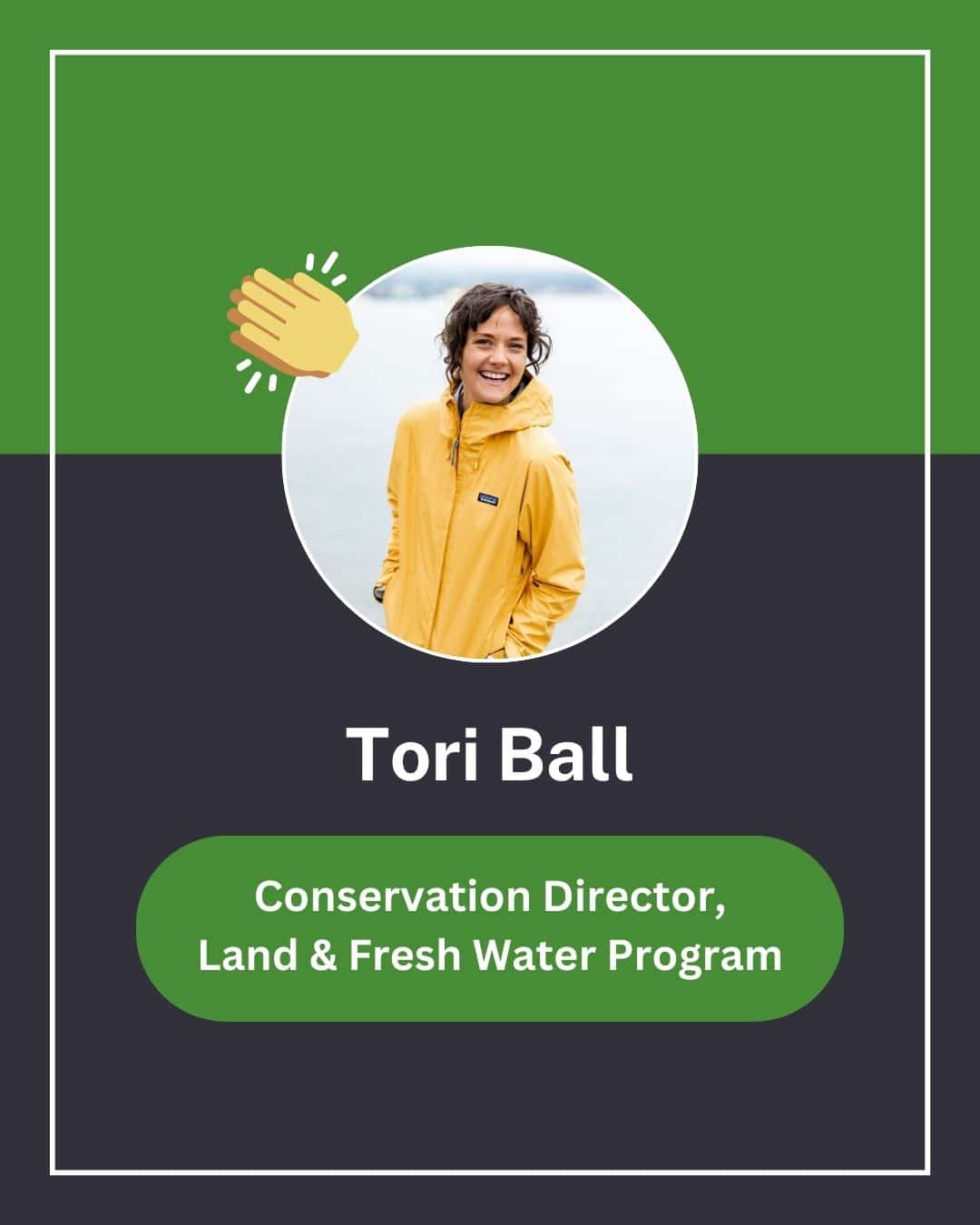
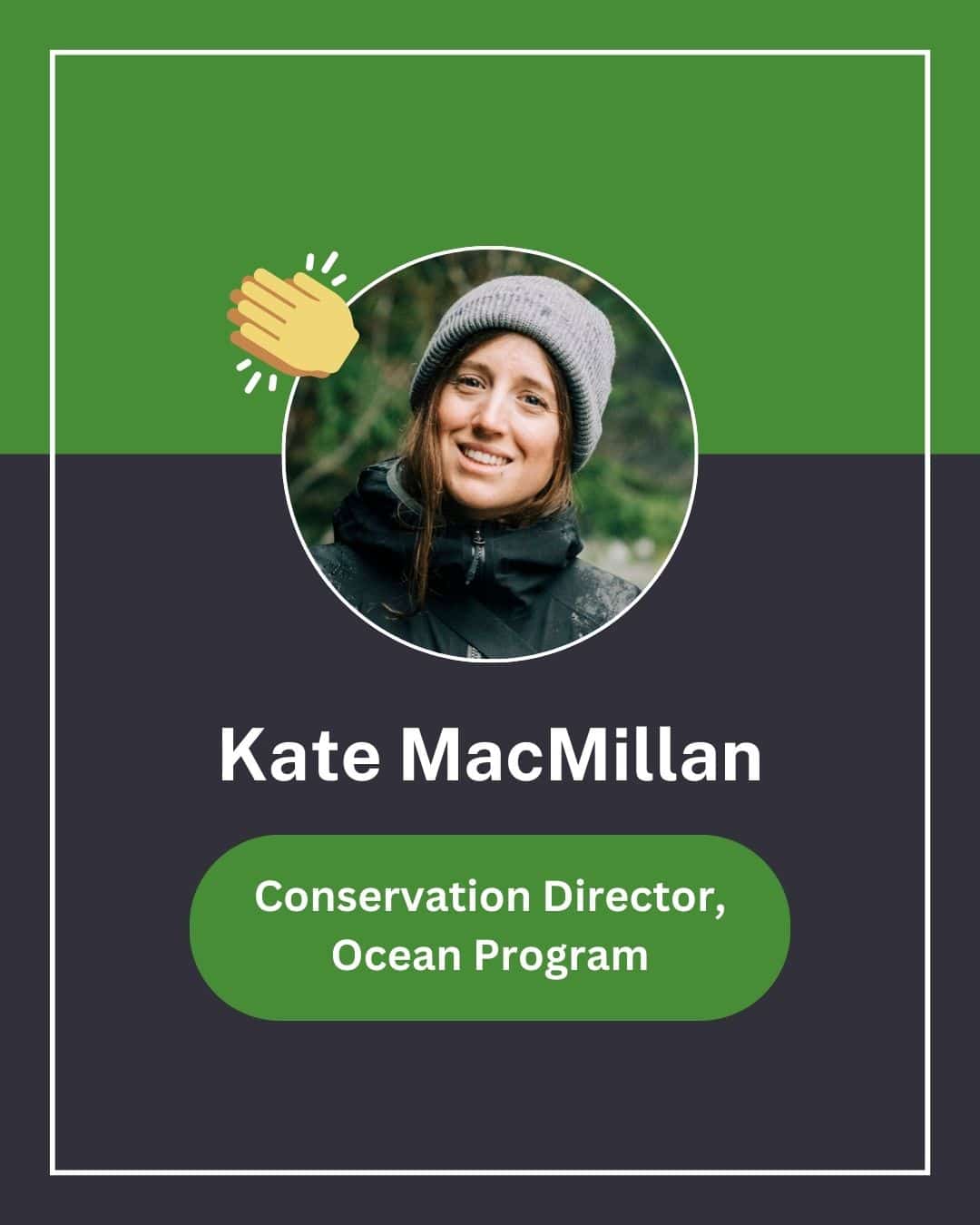
Join us in congratulating our newly appointed Conservation Directors, Kate MacMillan (Ocean Program) and Tori Ball (Land and Fresh Water Program). Kate and Tori, who have both been with CPAWS for many years, have been pivotal in advancing conservation efforts throughout the province. Stepping into these new senior leadership roles, they will spearhead the identification of critical conservation opportunities, drive innovation, and lead the charge toward enhanced protection of BC’s interconnected marine, terrestrial, and freshwater ecosystems. We’re also thrilled to announce the appointment of Sarah McNeil as our Operations Director. Sarah will play a critical role in ensuring the seamless functioning of our organization as we expand and pursue our mission. The combined vision, experience, and expertise of this dedicated leadership team will play an important role in advancing conservation efforts in BC.

But that’s not all! We’re celebrating the promotion of Carlo Acuña and Jacob Chila to key roles within our team. Carlo, now the Senior Campaigner (Ocean Program) and Jacob, now the GIS Specialist (Ocean Program), will continue to drive our mission forward with their passion and expertise.

Thank you, Carlo, Jacob, Kate, Sarah, and Tori for the energy, innovation and passion you bring to the CPAWS-BC team. We’re so grateful to work with you and look forward to seeing you thrive in your new roles!

We also extend special thanks to our supporters and donors who have been an important part of this journey. It is with your continued support of our campaigns and commitment to our mission that we are able to take these important steps to advance conservation in BC.

Dear Premier David Eby, Minister Osborne and Minister Cullen,

Our 18 organizations, coalitions and networks want to thank you and extend our support for the recent actions taken by the Government of British Columbia to implement interim measures halting mineral claim registrations and mining activities within the territories of the Gitxaała and Ehattesaht First Nations. These measures represent a crucial step towards meaningful reconciliation, where communities have a secure future with healthy forests and wildlife, clean water and thriving livelihoods. 

The Gitxaała and Ehattesaht Nations were forced to spend years of time, money and energy in litigation against the British Columbia government to push back against ongoing development and dense mining claims over the heart of their homelands. This is emblematic of the systemic challenges Indigenous communities continue to confront. 

Despite prevailing in court, Gitxaała and Ehattesaht were not granted any tangible relief on the ground. Perhaps the most egregious example of this was the registration of thirty mining claims in or on the edge of Ehattesaht territory since the launch of the court case to fight this exact practice. The interim measures now in place provide a measure of justice by addressing the immediate harm inflicted upon their territories through negotiation rather than further costly, time-consuming litigation, and could light the way for future processes that align with our commitments to UNDRIP. 

It is urgent to depart from centuries-old colonial practices that delay and deny recognition of Indigenous rights, such as the free entry mining claim system. Affirming UNDRIP demands more than mere lip service; it requires concrete actions to halt ongoing injustices and collaboratively build equitable decision-making systems for the future. The current system also puts sustainable revenue sources and local communities at risk by allowing activities incompatible with local uses, such as drilling 100 metres away from an eco-resort and in the middle of recreation and guiding tenures. By utilizing existing tools to halt harm on the ground, we can work towards long-term solutions and demonstrate our commitment to meaningful reconciliation, community health, and a healthy future for all.

It is essential to recognize that implementing these interim measures does not herald catastrophe or turn the world upside down. Instead, it signifies a necessary departure from practices rooted in the 1850s gold rush era, which informed the crafting of our current and wildly outdated Mineral Tenure Act. With a court mandate to change the free entry system, we applaud the government for advancing engagement on Mineral Tenure Act reform, leading ultimately to its repeal and replacement. 

The mining sector cannot achieve ESG standards without the free, prior and informed consent of Indigenous peoples in British Columbia. In addition, the only way that the BC and Federal governments will be able to advance their reconciliation, conservation and critical minerals goals is by freezing the industrial footprint and putting a pause on ongoing ecological harm while proper negotiation and engagement takes place for land-use changes and planning. 

This use of “solution space” was crucial in reaching consensus in the Land Resource Management Planning (“LRMP”) processes in the Great Bear Rainforest in the early 2000s. By suspending any potential industrial activity in ecologically important areas under specific consideration for conservation, the collaborative LRMP tables were able to complete their work without the threat of imminent loss, as First Nations communities were working on their own land use visions. This approach enables thoughtful, respectful processes to do their important work, from land use planning to transformational policy reforms.

We applaud the Government of British Columbia for its willingness to take meaningful action in support of Indigenous rights, environmental protection, and reconciliation. Using clear measures on the landbase to put a pause for proper engagement and negotiation is the best path to certainty and security for all. As advocates for justice and sustainability, we stand ready to support further efforts to build a future where all communities can thrive in harmony with the land.

Sincerely,

Jamie Kneen, BC Mining Law Reform Network

Tori Ball, Canadian Parks and Wilderness Society, British Columbia

Mitch Friedman, Conservation Northwest

Jay Ritchlin, David Suzuki Foundation

Sarah Korpan, Ecojustice

Christianne Wilhelmson, Georgia Strait Alliance

Nikki Skuce, Northern Confluence Initiative

Lisa Matthaus, Organizing for Change

Leslie Anne St Amour, RAVEN

Shelley Luce, Sierra Club BC

Shannon McPhail, Skeena Watershed Conservation Coalition

Adrienne Berchtold, SkeenaWild Conservation Trust

Liz McDowell, Stand.earth

Aaron Hill, Watershed Watch Salmon Society

Jeneen Sutherland, Wilderness Tourism Association

Robyn Duncan, Wildsight

Nicole Olivier, Yellowstone to Yukon Conservation Initiative

Terry Bodman, Fraser Valley Salmon Society


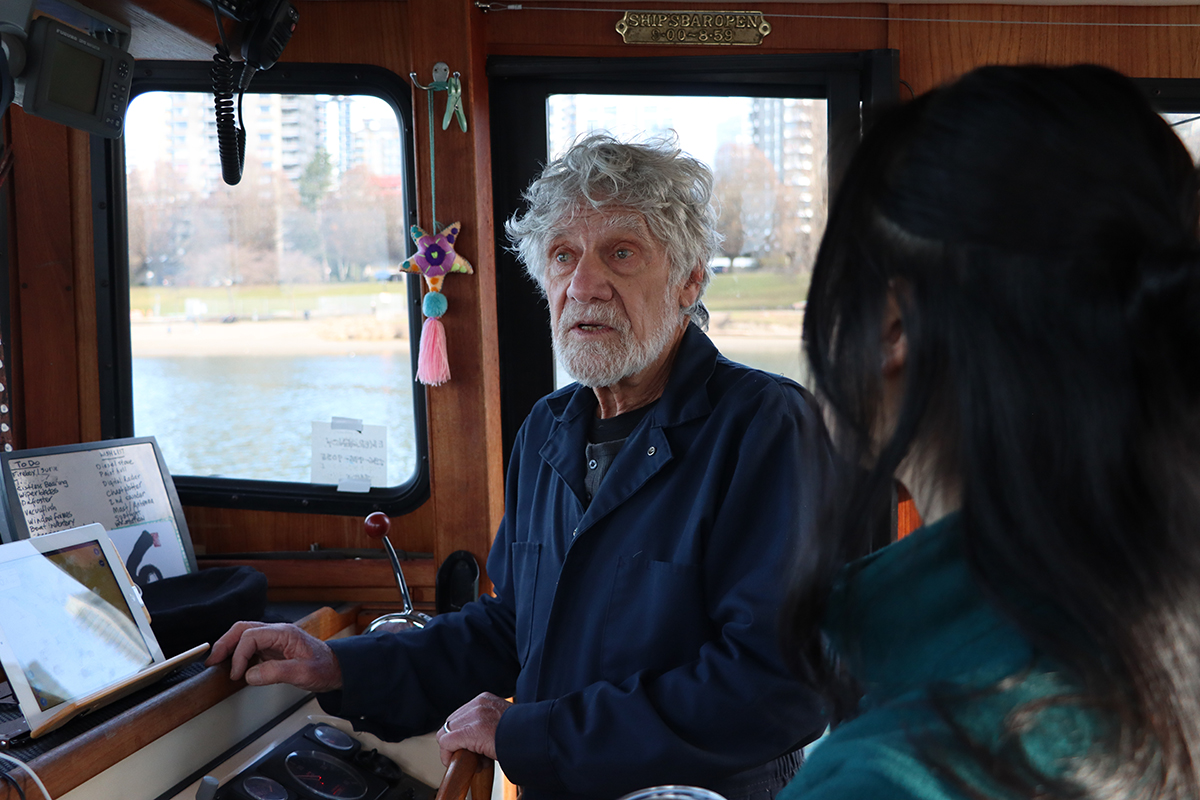
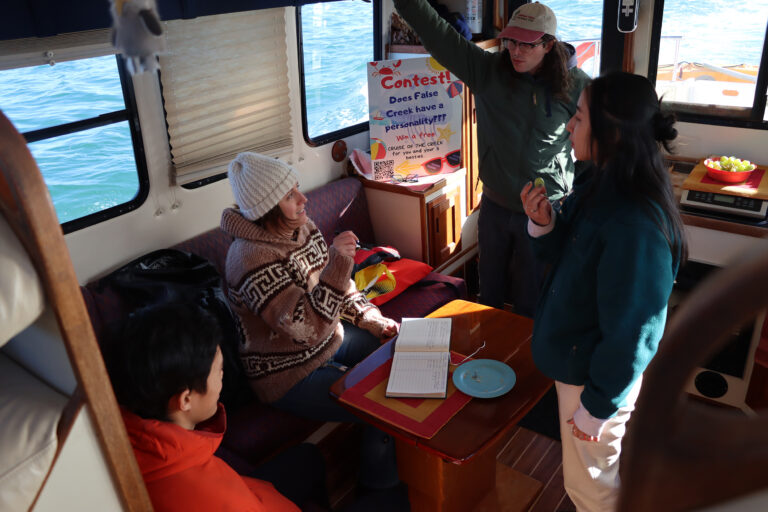
When you step aboard Zaida Schneider’s boat, you become enveloped by a sense of warmth and belonging. As you make your way inside the cabin, you’re greeted with a guest book filled with the memories of past visitors and surrounded by carefully placed photographs of loved ones and trinkets, all of which reflect his life and deep regard for the water. 

Lately, his focus has rested on the waters of sən’a?q w (hən’q’emin’əm’) / Sen’ákw (Skwxwú7mesh), colonially referred to as False Creek. Since time immemorial, False Creek has been an important gathering place for the Xʷməθkʷəy̓ əm (Musqueam), Sḵwx̱wú7mesh (Squamish), and Səlil̓ilw̓ ətaʔɬ (Tsleil-waututh) Nations, as the protected, shallow waters offered an optimal location to fish and forage within the intertidal zone. 

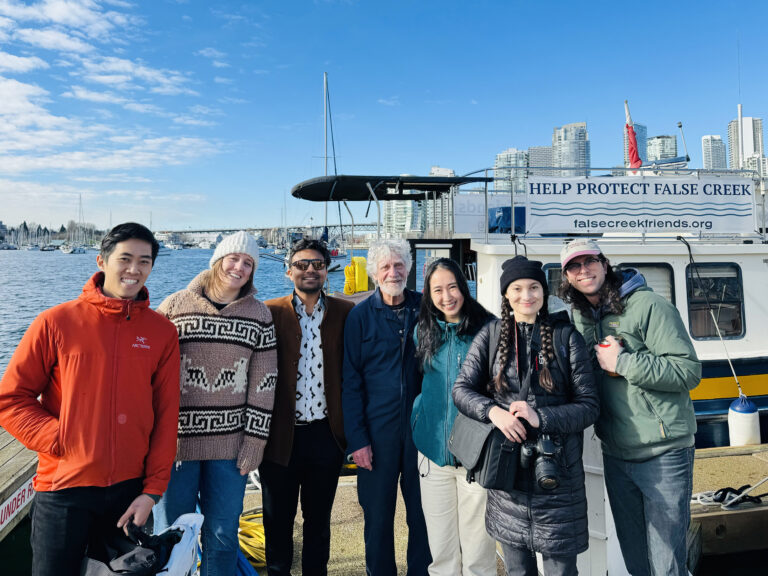
In 2021, Zaida and his friend Tim Bray co-founded False Creek Friends Society – a nonprofit that aims to restore False Creek in accordance with the latest marine research and in ways that align with First Nations stewardship values. 

They were spurred to develop False Creek Friends Society out of a perceived necessity. In 2020, Zaida returned to Vancouver after a twelve year period sailing abroad. He soon came to realize that there was little regard for False Creek in terms of its ecological importance. He says there was a lack of direction given to sailors on how to use the water respectfully, particularly when it comes to avoiding pollution. 

“There [was] no sense of the marine environment being special here…A complex ecosystem, doesn’t speak human language, it has its own language. But with enough work, study, and community science projects we can learn what it’s actually saying, because it is speaking. It has a voice, it has a personality, and we’re starting to introduce that person to the people of Vancouver and beyond.” 

For a long time, that non-human language False Creek speaks was ignored. 

By the late 1800s, as more settlers began to occupy the area, the Xʷməθkʷəy̓ əm (Musqueam), Sḵwx̱wú7mesh (Squamish), and Səlil̓ilw̓ ətaʔɬ were forcibly removed from their territories and on to reserves. Gradually, False Creek’s tidal flats were heavily polluted and industrialized, as they were surrounded by sawmills and logging roads. In 1912, The City of Vancouver and the Canadian Northern Railway took it upon themselves to forever alter this body of water by draining its easternmost end. False Creek, which had previously extended to present-day Clarke Drive, was filled in to what is now Main Street to accommodate railway expansion. 

In spite of the damage inflicted upon this ecosystem, False Creek’s biodiversity continues to persist. If you spend enough time walking the docks of False Creek you are likely to observe large schools of Northern anchovy, perhaps a couple of mottled and ochre sea stars, a plethora of Pacific harbour seals, Dungeness crabs, and if they happen to enter the shallows, you might catch a glance of a North Pacific spiny dogfish. In recent years, even Pacific herring have started reentering False Creek to spawn, thanks to the restoration efforts of Squamish Streamkeepers. 

Contrary to popular belief, False Creek is teeming with life and consciousness. Zaida wants community members to connect with False Creek in a way most haven’t before – acknowledging its personhood and building a relationship with it. 

“When you walk along the beach at low tide in the sun…when your shadow falls upon barnacles that have been dried out…they all go ‘ahhhh’. You can hear them exhale. They’re aware of what’s going on in their environment and awareness is really the foundation of personhood. If we ignore that complex, interdependent awareness, we’re doomed.”

It’s through nurturing a personal connection with the water, that one becomes personally invested in its well-being. In 2021, Parks Canada set aside $130 million to work towards the creation of a network of national urban marine parks by 2030. Zaida hopes that False Creek will be designated one of these urban marine parks, in order to facilitate long-term stewardship. 

So the next time you’re walking along False Creek, take a moment to pause and reflect. Think about what these lands and waters have been and what they could be again. While wandering, if you happen to see a False Creek Friends Society boat tugging along, feel free to give Zaida a friendly smile and a wave. 

February 8, 2024

When I took on the role of Executive Director at CPAWS-BC just over a year ago, the idea of a 4-day work week (4DWW) was pretty new to me. Having worked a traditional 5-day work week (often more!) for my entire career, the thought of compressing work into fewer days seemed pretty impossible. How could we manage our workload, fulfill commitments to partners, funders, and stakeholders, and move the dial on conservation? All in less time. To be honest, it was hard to envision.

I have always valued innovation and the opportunity to challenge the status quo so (thankfully) at the continued prompting of our team, a year of research on the topic, and deep learning from the experiences of other environmental NGOs, I eventually realized that the only thing holding us back was my outdated idea of what work “should” look like. After all, if entire cities and governments could shift the way they work, surely our team of 12 could do it too?!

Since joining CPAWS-BC in 2023, I have been wholeheartedly committed to ensuring we remain at the forefront of conservation. For me, this means leading an organization that embraces a people-centred work environment – one that values human well-being as much as our conservation achievements.

And so we’re thrilled to announce our transition to a pilot 4-day, 32-hour work week starting March 1st. By maintaining our commitment to compensation, benefits and leave, we ensure our dedication to our team’s well-being and our conservation goals remain at the forefront. This shift to a shorter work week is a recognition of our team’s hard work and a step towards a work-life balance that prioritizes both people and professional success. 

Over the next six months, we’ll closely monitor this transition, focusing on staff health and well-being in addition to our conservation impact. As we embark on this exciting phase, we’re filled with optimism and look forward to sharing our experiences and insights on our journey.

We view this as a significant milestone and opportunity to embrace the growing trend of new standards for work-life balance in the environmental sector. This change is designed to inspire and energize our team, reinforcing our mission without compromising our impact.

Our unwavering commitment to conservation, coupled with a focus on our team’s well-being, positions us to make a greater impact on protecting Nature. Our strategy is simple: by giving our team more time to recharge, we create an environment where people and Nature can thrive.

Thank you for your ongoing support and belief in our mission. Together, we anticipate a future that’s not just brighter but more balanced, too.

Some details:

  • We will be out of the office on Fridays beginning on March 1, 2024.
  • Our pilot 4DWW runs from March 1, 2024 to September 1, 2024.
  • Our office will be open Monday to Thursday, with core organizational working hours of 9 a.m. to 3 p.m.
  • We’re striving toward the 100-80-100™ model: 100% compensation for 80% of the time, while delivering 100% of our impact.