
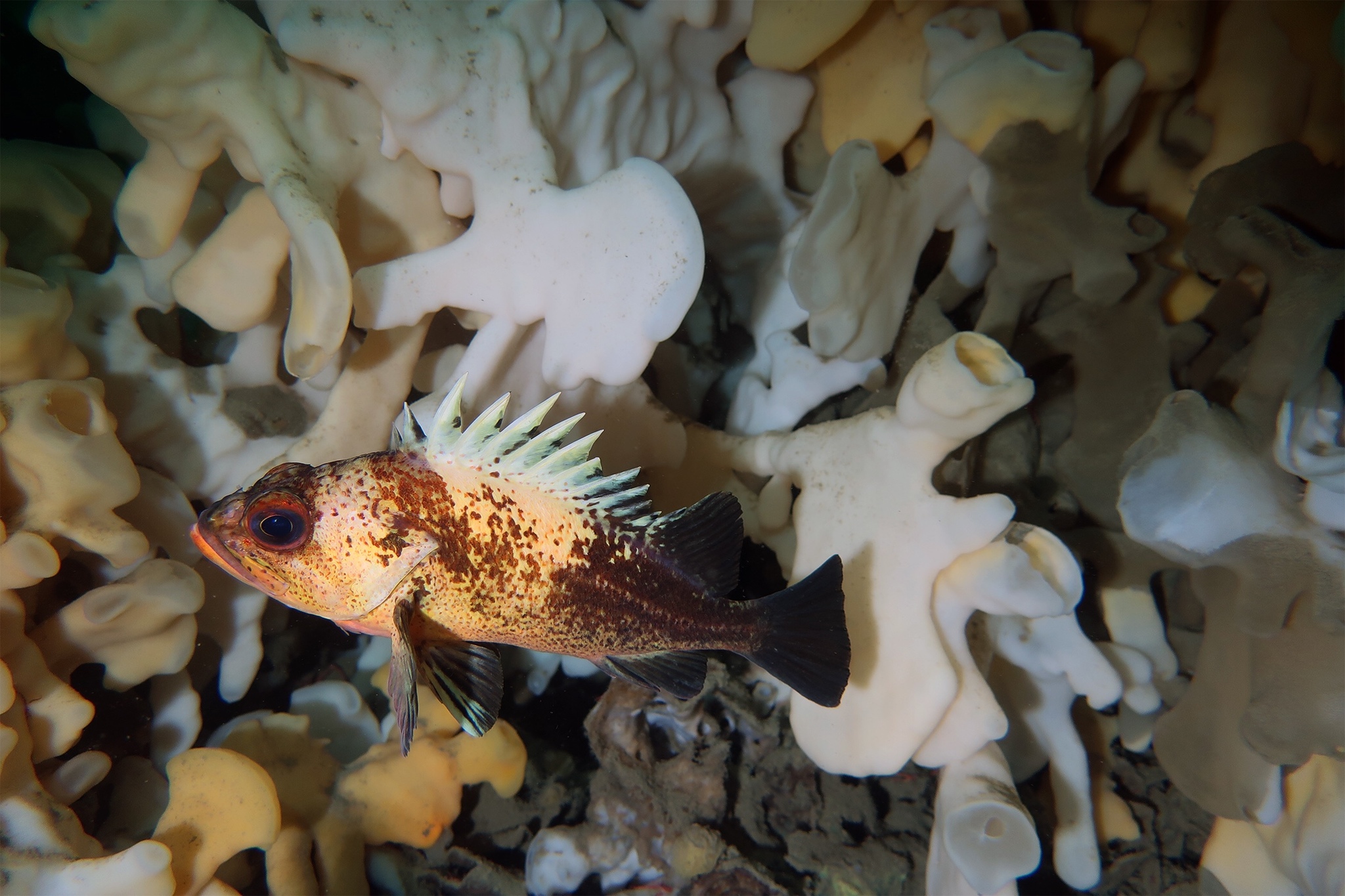
Saving the Sea of Glass: Strait of Georgia and Howe Sound Glass Sponge Reef Conservation Initiative
Increasing monitoring and enforcement of glass sponge reef marine refuges in the Salish Sea’s Strait of Georgia and Átl’ka7tsem/Howe Sound
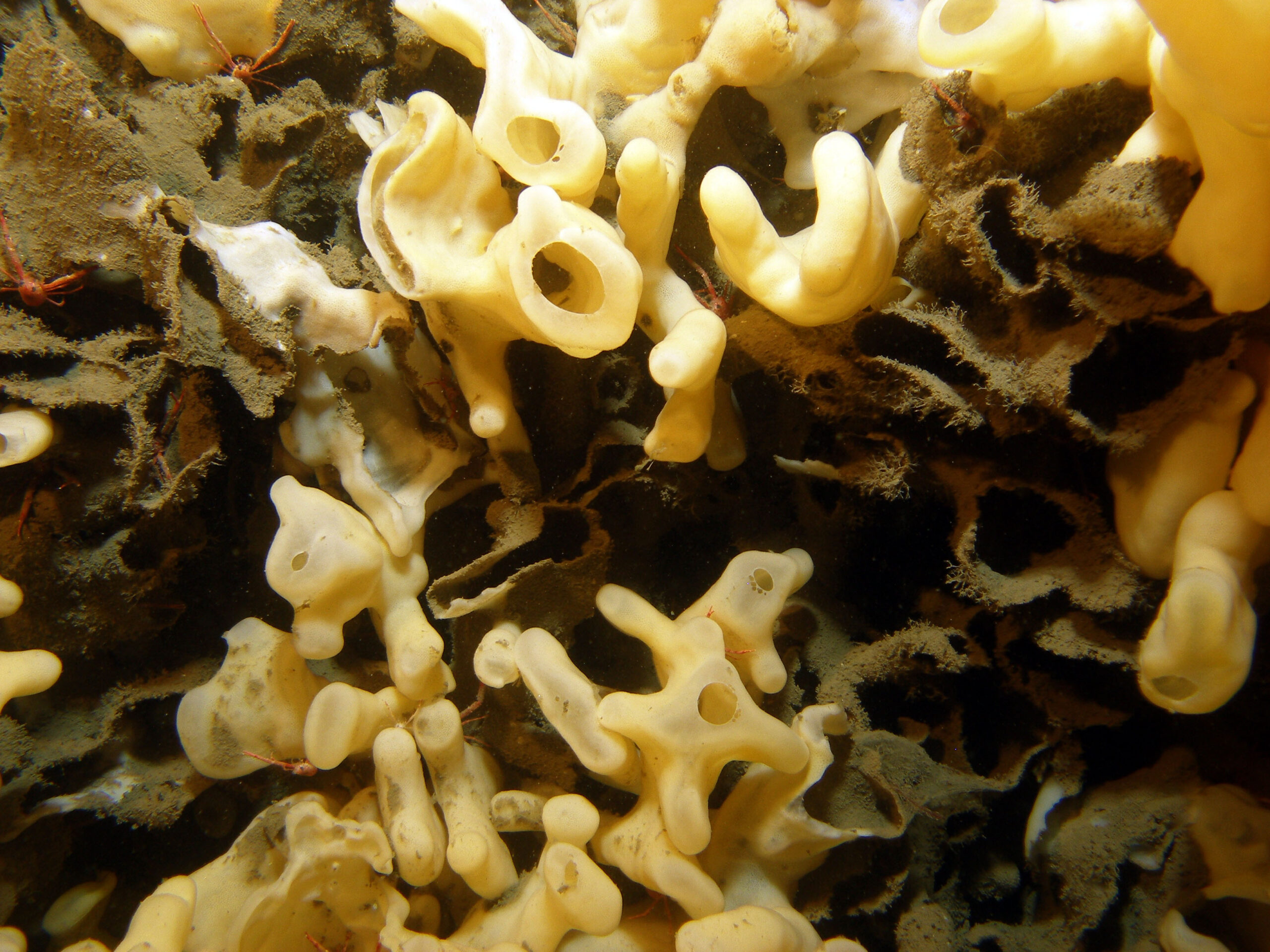
Just minutes away from the bustling metropolis of Vancouver, BC are rare ecosystems found almost nowhere else in the world — glass sponge reefs. While much smaller than the large sprawling reefs in the Great Bear Sea, some of these reefs are shallow enough for humans to dive to.
Glass sponge reefs in the Strait of Georgia and Átl’ka7tsem/Howe Sound that are supposed to be protected by marine refuges are still under threat. The fragile sponges are made of silica, the same material as glass, and are easily crushed by heavy fishing equipment. They are still being destroyed by illegal botton contact fishing because of a lack of monitoring and enforcement by fisheries officers.
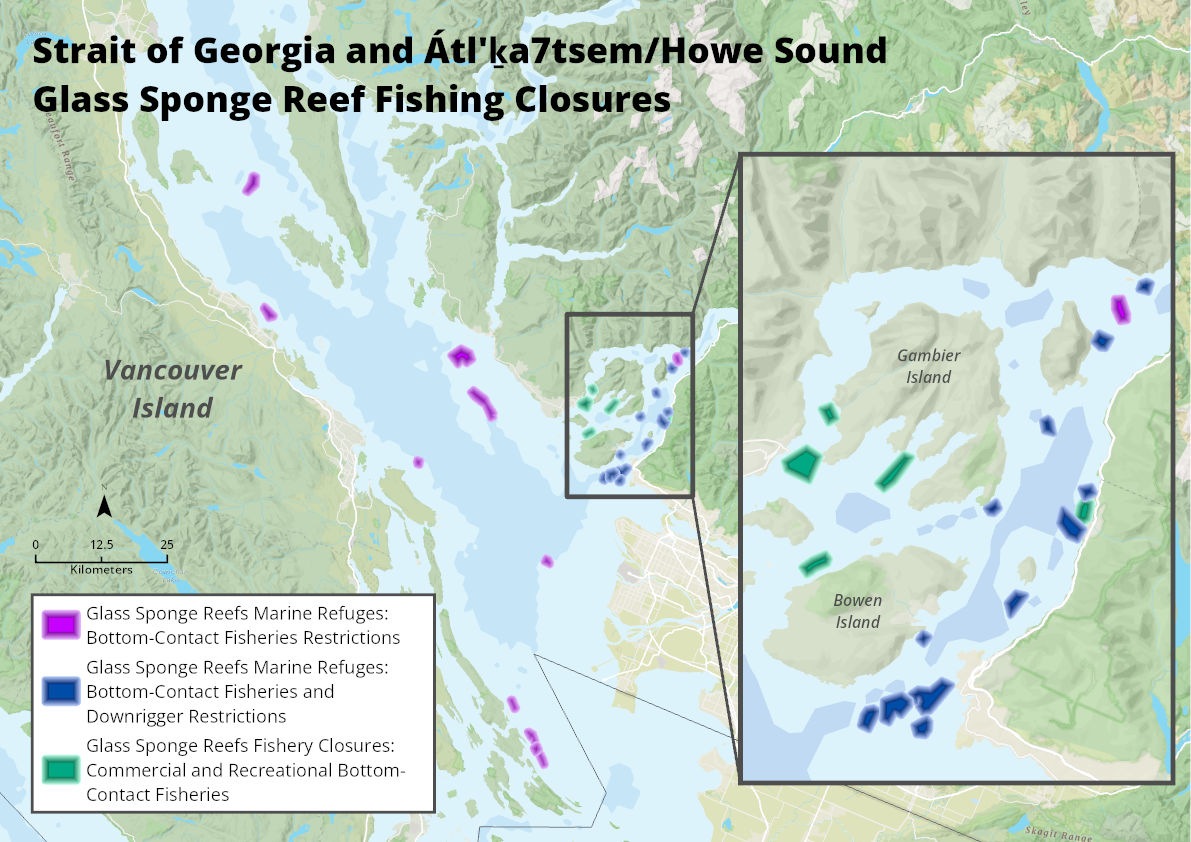
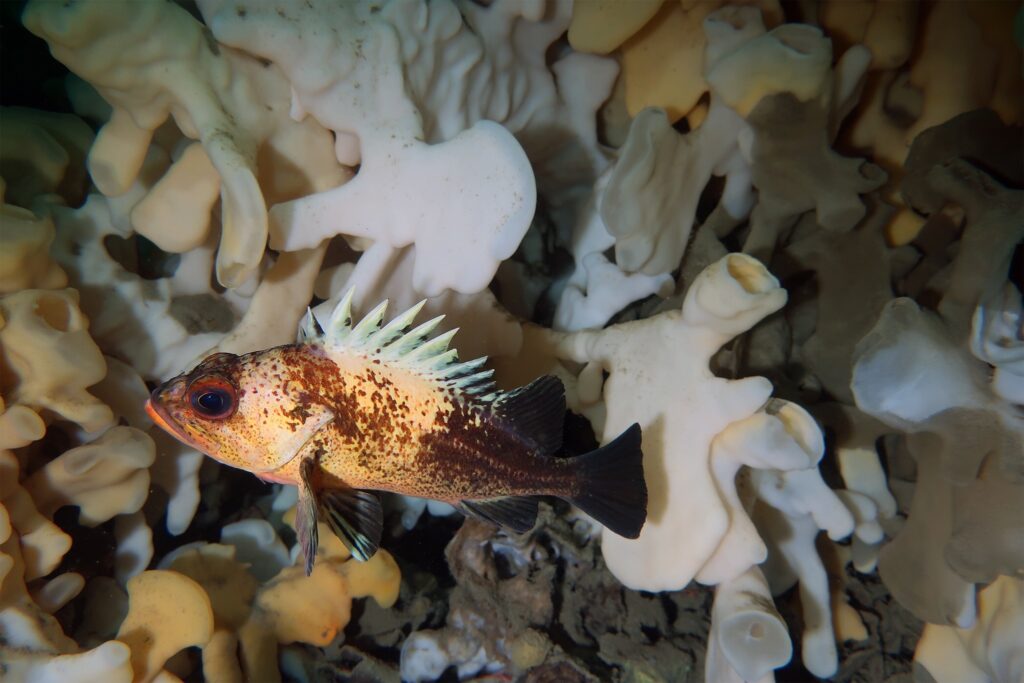
Photo by: Rachel Munger (CC BY-NC 4.0) iNaturalist
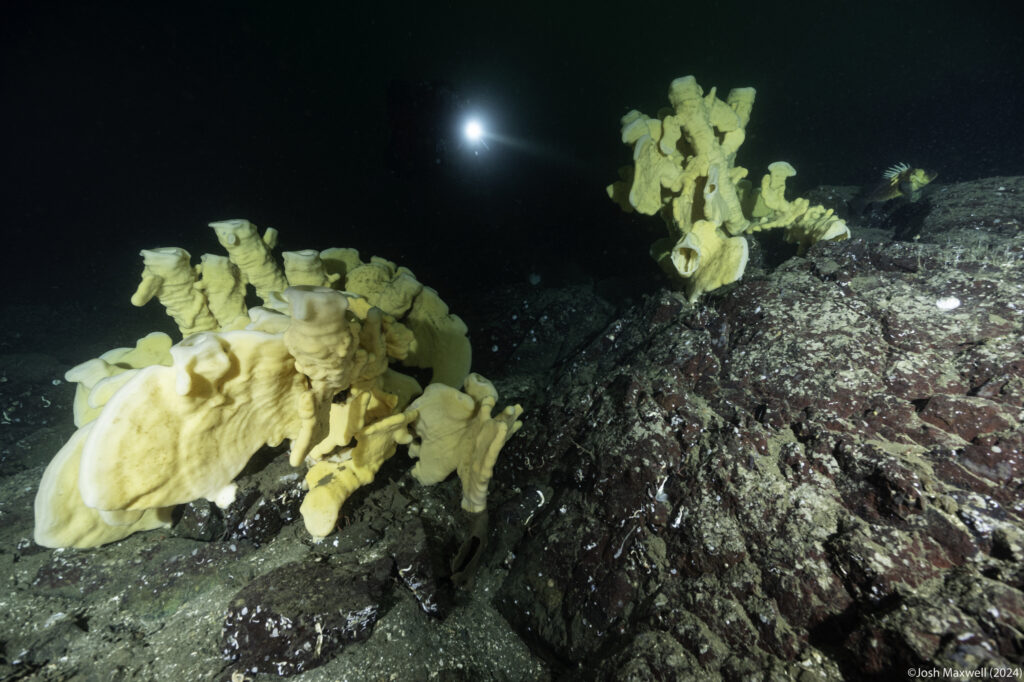
Photo by: Josh Maxwell (CC BY-NC 4.0), iNaturalist.jpg
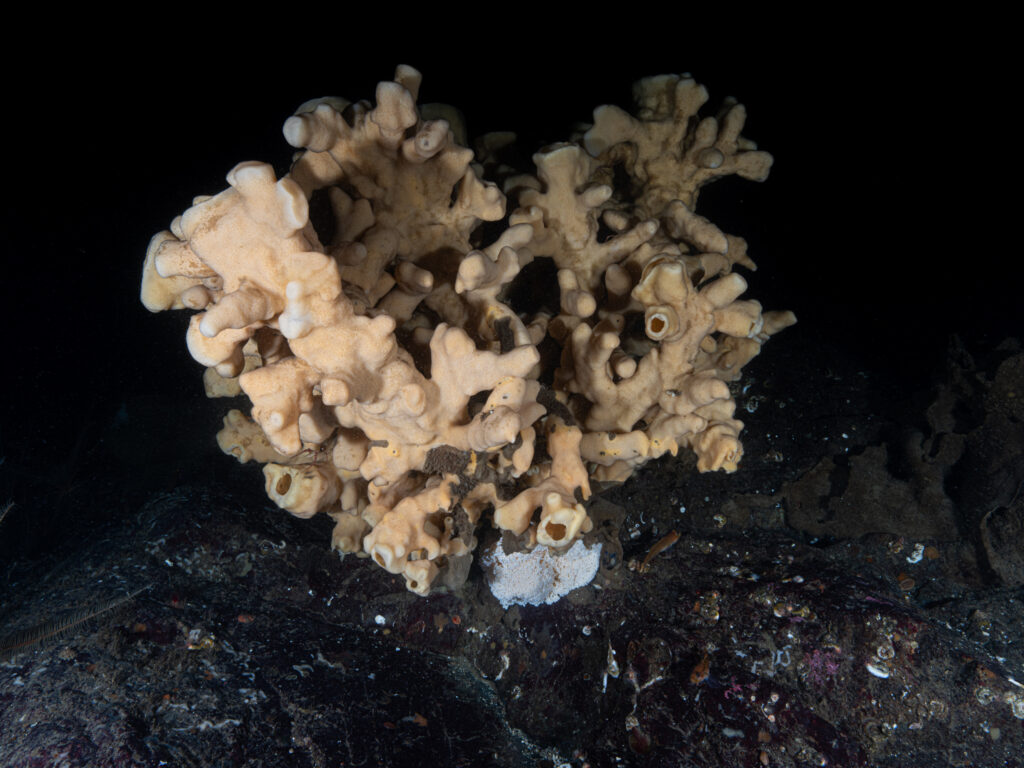
Photo by: hewittdoesit (CC BY-NC 4.0), iNaturalist
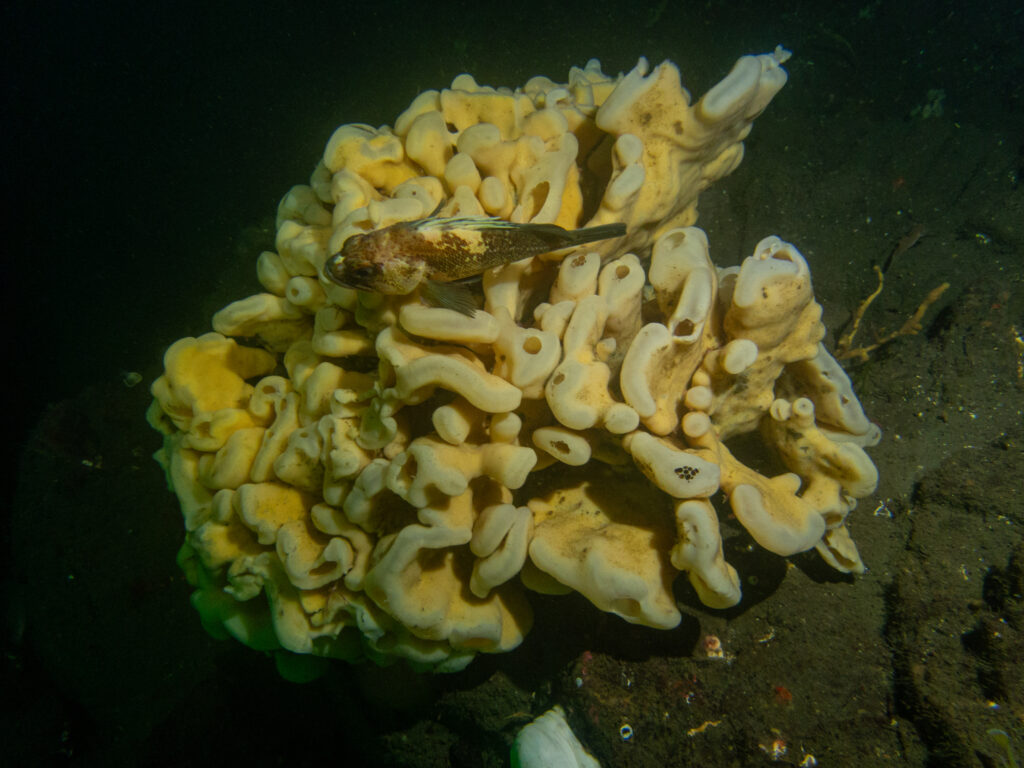
Photo by: ilovenudis (CC BY-NC), iNaturalist
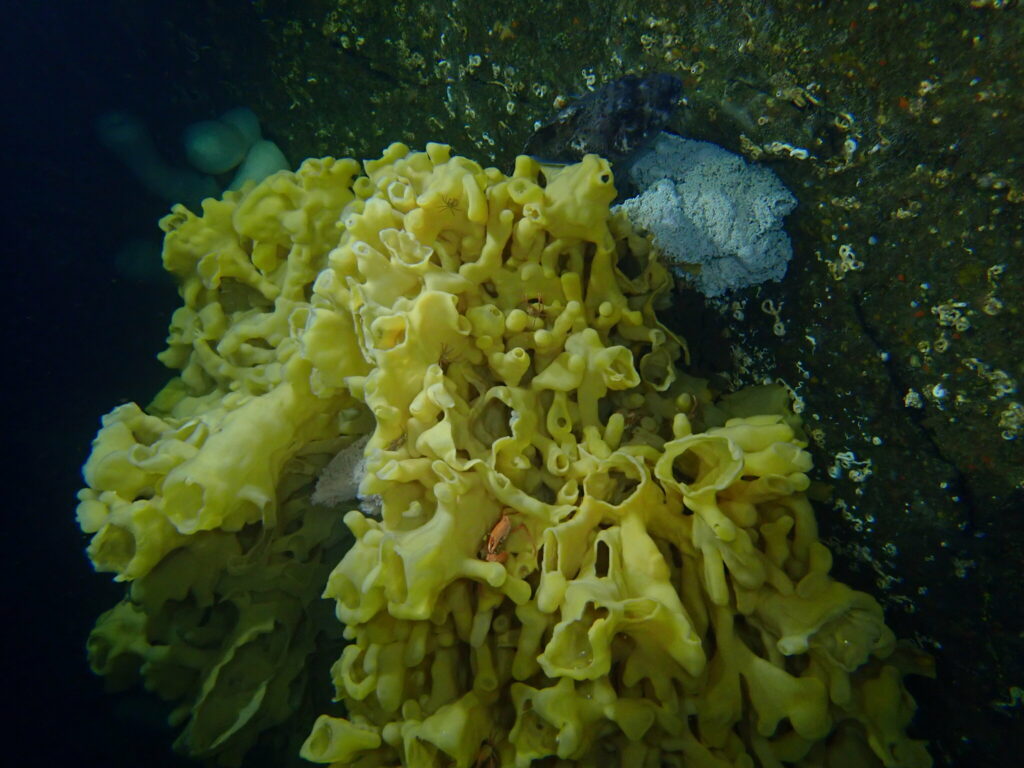
Photo by: kozymo (CC BY-NC 4.0), iNaturalist
Why Action is Needed
What's at Stake?
Glass sponge reefs in the Salish Sea provide critical habitat for economically important spot prawns and rockfish. Without healthy, thriving glass sponge reefs, these local fisheries are in danger.
Because of a lack of education, fishers are unaware bottom contact fishing like prawn trapping and salmon fishing with downriggers is prohibited on these reefs. Exacerbating the problem is a lack of fisheries officers patrolling the water to enforce these laws.
- Fragile silica (glass) skeletons
- Easily damaged by heavy bottom contact fishing gear
- Illegal fishing still occurring due to a lack of education, monitoring and enforcement from fisheries officers

Solutions
CPAWS-BC advocates increased monitoring and enforcement in the Salish Sea
Illegal fishing in glass sponge reef marine refuges needs to be stopped. Increased monitoring and enforcement by fisheries officers patrolling the water preventing people from conducting illegal bottom contact fishing and better education about the locations and regulations of marine refuges for fishers is sorely needed.
- Increased monitoring and enforcement from fisheries officers
- Improved education of marine refuges fishers
We need you to sign our petition today!
Save the Sea of Glass
Learn More
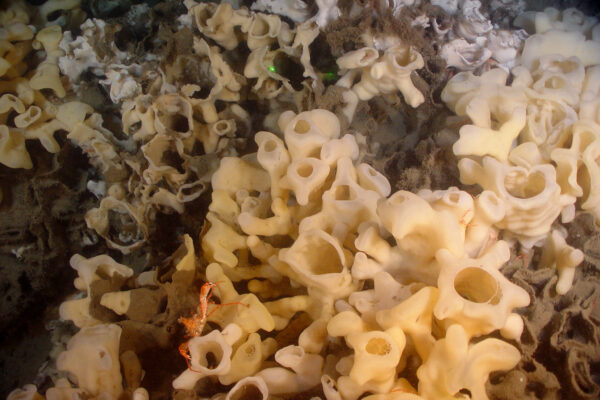
Glass sponge reefs are rare ecosystems found almost only off the coast of BC. Once thought extinct for millions of ...
More Info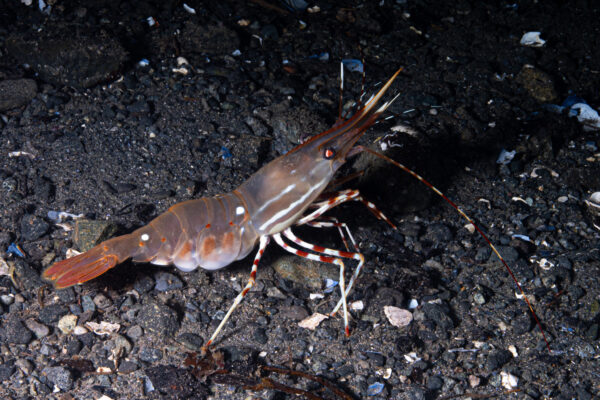
Átl’ḵa7tsem / Howe Sound Glass Sponge Reef Wildlife
The glass sponge reefs of Átl'ḵa7tsem / Howe Sound are biodiversity hotspots, providing refuge and nursery grounds for numerous marine ...
More Info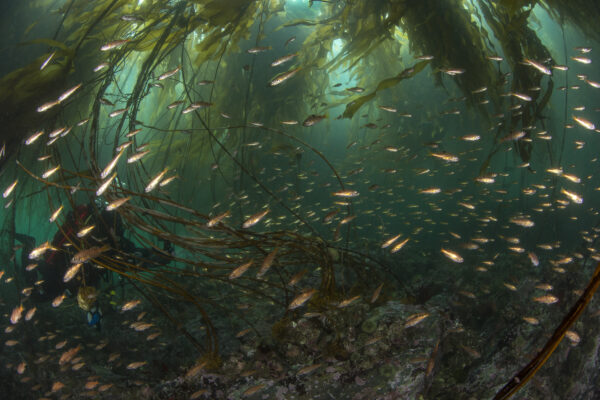
Marine Protected Areas: Benefits for Nature and People
A win-win! Marine Protected Areas are not simply about restricting activities or access, they’re about letting life back in and ...
More Info


